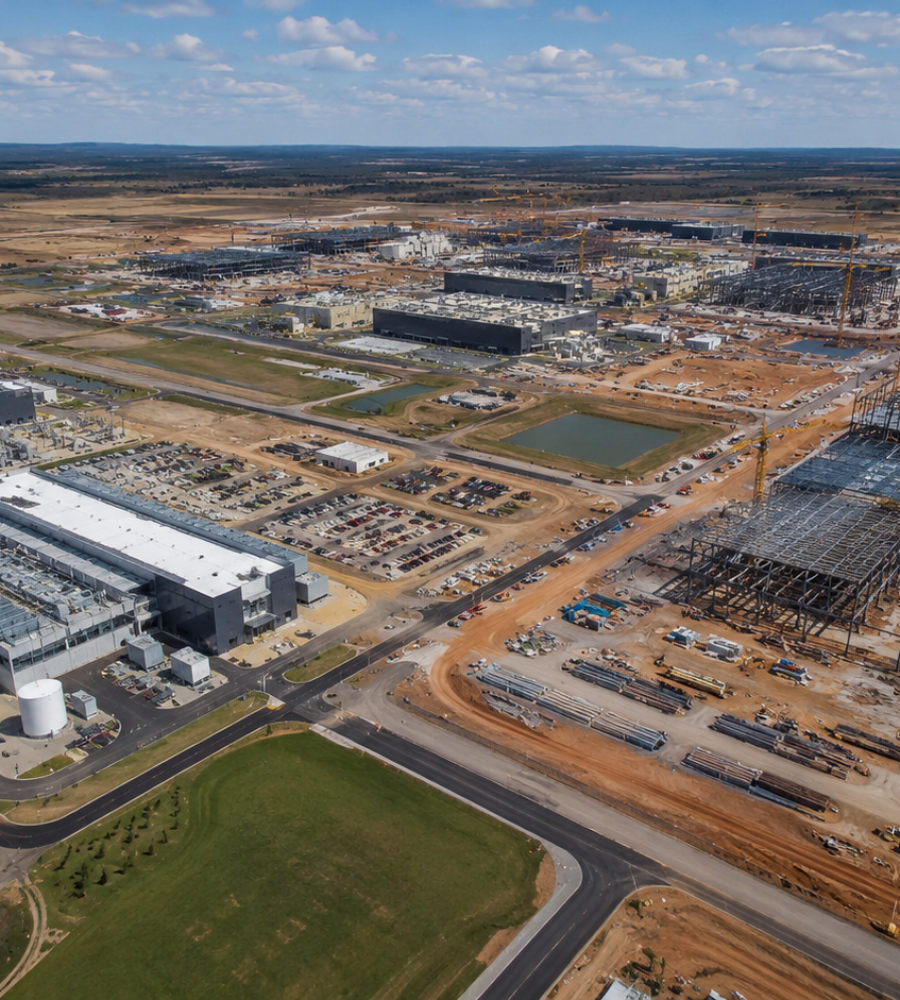

The ambition to build gigawatt-scale AI infrastructure has shifted from a theoretical roadmap into an immediate operational challenge that exposes the physical limits of regional power systems. Energy planners across Eastern Europe now face a fundamentally different class of demand that behaves less like industrial consumption and more like synchronized digital surges. These deployments do not gradually ramp up load but instead introduce dense, high-intensity consumption blocks that test stability thresholds within seconds. Grid operators accustomed to predictable industrial cycles must now manage demand signatures that resemble volatility events rather than steady baseload growth. Investors continue to announce hyperscale campuses across Poland, Hungary, Romania, and the Czech Republic, yet underlying electrical systems often lag behind those ambitions. The result creates a widening gap between announced capacity and deliverable power that defines the next phase of AI infrastructure expansion.
Grid Reality Check: Can Eastern Europe Absorb AI Shockloads?
Eastern European grids were originally engineered around industrial continuity rather than rapid load fluctuations, which creates structural stress when exposed to hyperscale AI demand patterns. Utilities in countries like Poland and Romania maintain adequate generation reserves on paper, yet frequency stability becomes vulnerable when large data facilities activate simultaneously. Short-duration load spikes introduce oscillations that require advanced balancing mechanisms, which many regional operators still deploy in limited capacity. Western European grids have undergone extensive renewable integration and electrification cycles, which have required upgrades in balancing and system flexibility, although adaptation to highly volatile consumption patterns continues to evolve. Several Eastern European systems continue to rely more on centralized generation and comparatively slower-response balancing infrastructure, which can limit responsiveness to rapid load fluctuations under certain operating conditions. This mismatch increases the probability of localized instability events even when total supply appears sufficient.
The issue extends beyond capacity into the domain of response speed, where milliseconds can define whether a grid maintains equilibrium under stress. AI facilities introduce synchronized load behavior that can shift demand curves abruptly, challenging dispatch systems designed for gradual transitions. Operators in Western Europe have expanded investments in grid digitization and real-time monitoring, improving visibility and response capabilities, although performance varies by country and network maturity. Eastern European networks continue to modernize, though deployment of advanced grid automation and predictive load balancing remains uneven across countries and system operators. Consequently, sudden activation of high-density facilities risks triggering protective shutdowns or forcing curtailment measures that undermine operational continuity. The ability to absorb shockloads will ultimately depend on how quickly these systems evolve toward real-time adaptability rather than static planning assumptions.
Transmission Crunch: Power Exists, Delivery Doesn’t
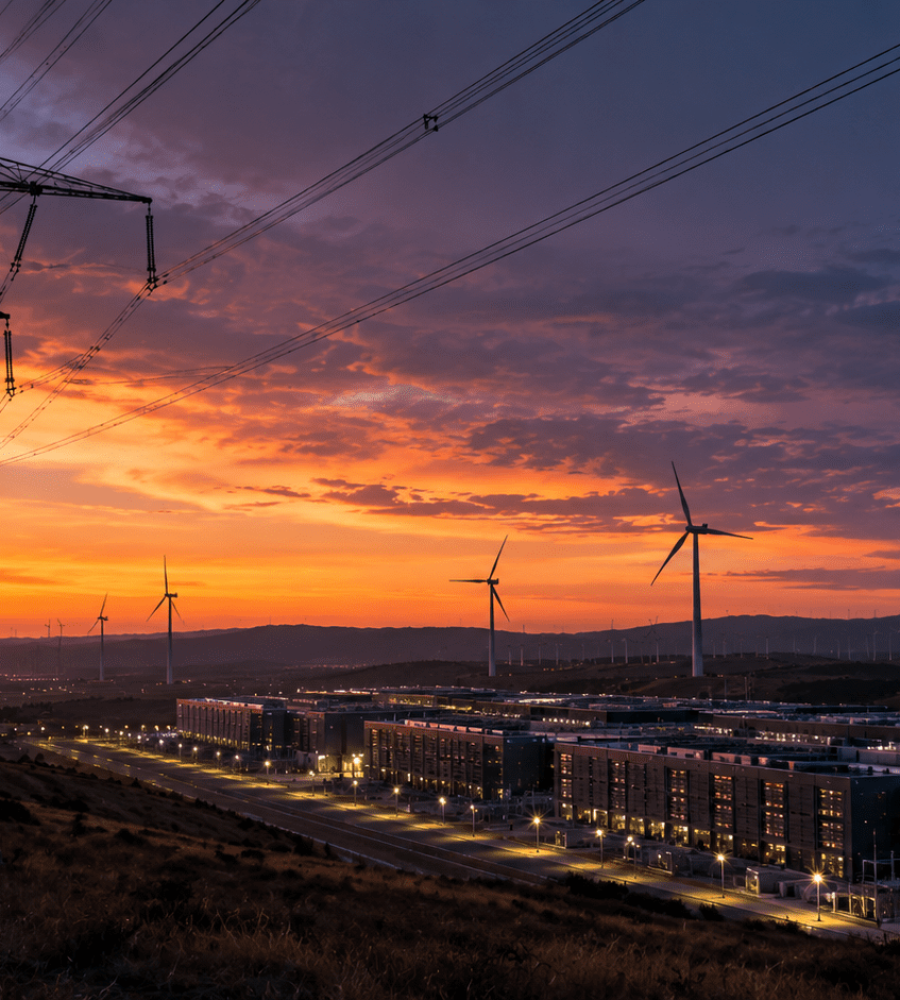
Generation capacity often dominates discussions around energy readiness, yet transmission constraints define the real ceiling for hyperscale deployments. Several Eastern European countries possess sufficient generation potential, including nuclear, coal, and growing renewable portfolios, but struggle to move that power efficiently to new demand centers. Interconnection queues continue to lengthen as developers compete for limited transmission capacity, delaying projects by years rather than months. Grid congestion in key corridors prevents full utilization of existing power plants, effectively stranding available energy away from high-demand zones. Western Europe has addressed similar challenges through cross-border interconnectors and network reinforcements, though even those systems face increasing pressure. Eastern Europe now confronts a similar reality but with fewer completed upgrades and slower regulatory execution timelines.
Last-mile transmission emerges as a critical bottleneck where infrastructure gaps directly impact project viability. Large AI campuses require dedicated high-voltage connections that often necessitate entirely new transmission lines or substation upgrades. Permitting delays, land acquisition challenges, and environmental reviews extend timelines far beyond initial projections. Even when generation resources sit nearby, insufficient local grid capacity can prevent immediate connection, forcing developers into costly delays. However, developers frequently underestimate these constraints during early planning phases, focusing more on land availability than electrical accessibility. The resulting misalignment turns transmission into the primary gating factor for gigawatt-scale deployment across the region.
Baseload vs Burst Load: Why AI Breaks Traditional Grid Planning
Traditional grid planning models rely on predictable consumption patterns derived from industrial, residential, and commercial demand cycles. AI infrastructure introduces more variable consumption patterns that can shift over short intervals depending on workload intensity, although the extent of volatility varies by workload type and operational design.These facilities can shift between different demand levels over relatively short intervals, creating operational scenarios that are not fully represented in traditional planning frameworks designed around gradual load variation. Baseload assumptions no longer hold when demand behaves as a sequence of high-frequency spikes rather than steady consumption. Some grid operators have begun exploring probabilistic and scenario-based models to better represent emerging demand patterns associated with digital infrastructure. Eastern Europe has yet to fully integrate such modeling approaches into standard planning methodologies, leaving gaps in preparedness.
The unpredictability of burst load behavior also complicates capacity reservation and grid balancing strategies. Utilities must allocate sufficient reserves to handle peak events, even if those peaks occur intermittently rather than continuously. This leads to inefficiencies where infrastructure remains underutilized during low-demand periods but must still support extreme scenarios. Storage systems and flexible generation could mitigate these effects, although deployment across Eastern Europe varies significantly by country and remains limited in several markets. Grid operators face the dual challenge of maintaining efficiency while preparing for worst-case demand spikes. The transition toward dynamic load modeling will define how effectively these systems adapt to AI-driven consumption patterns.
The Infrastructure Gap No One Models: Substations, Not Servers
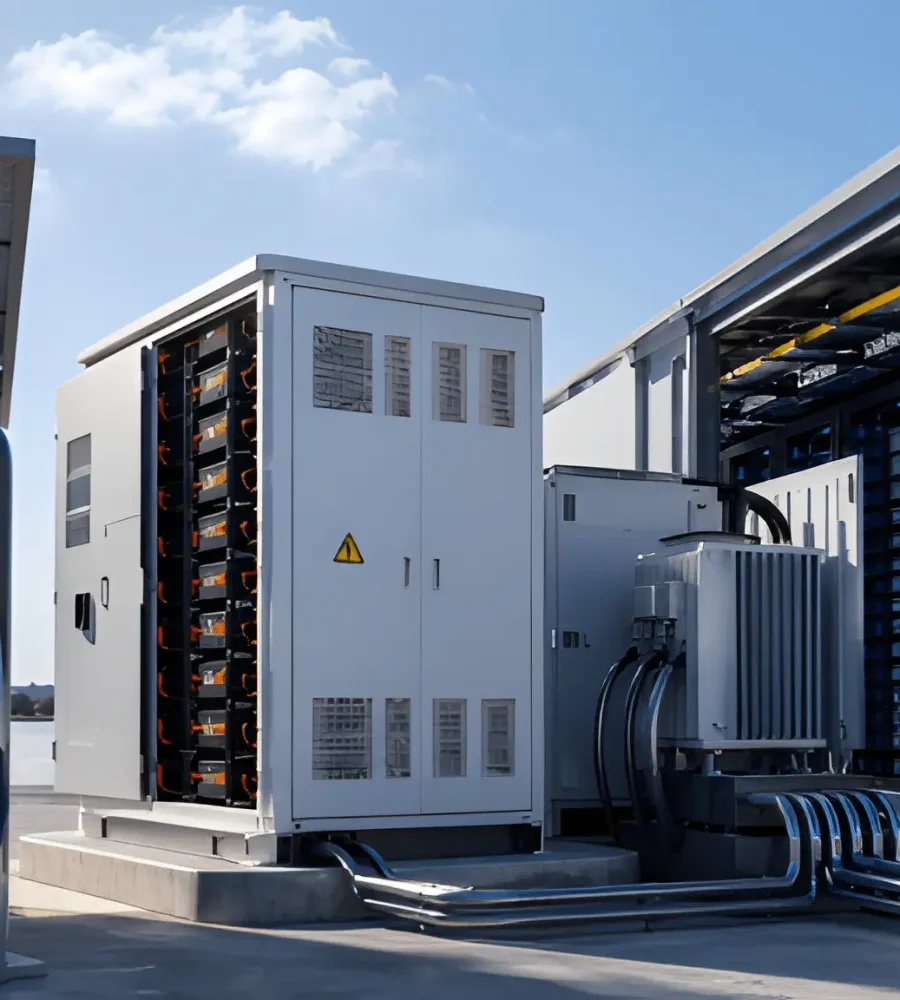
While discussions around AI infrastructure often focus on servers and facilities, substations represent the true operational backbone of large-scale deployments. These nodes manage voltage transformation and distribution, serving as essential interfaces between transmission networks and end users. Many substations in Eastern Europe were designed for earlier demand profiles, which can require upgrades to support higher-capacity digital infrastructure deployments. Upgrading or replacing these facilities involves complex engineering, regulatory approvals, and significant capital investment. Unlike server deployments, substation expansion cannot scale rapidly due to physical constraints and safety requirements. This can create infrastructure constraints that affect how quickly new capacity can be integrated into the grid.
Voltage stability introduces another layer of complexity that directly impacts operational reliability for AI facilities. High-density loads require consistent voltage levels, as fluctuations can disrupt sensitive hardware operations. Substations must incorporate advanced control systems to maintain stability under variable demand conditions. However, some existing installations across Eastern Europe rely on older control systems, which may offer slower response times compared to more advanced digital alternatives. This gap forces developers to invest in additional on-site infrastructure to stabilize power supply, increasing project costs and complexity. Greater attention to substation capacity and control systems will play a significant role in determining how effectively gigawatt-scale deployments can be supported.
Power Is Local, AI Is Global: The Geography Mismatch Problem
Global demand for AI infrastructure drives investment decisions that often overlook the localized nature of power availability. Developers select sites based on land cost, policy incentives, and proximity to digital networks, yet power readiness varies significantly across regions. Eastern Europe presents attractive conditions for expansion, including available land and competitive pricing, but grid readiness differs widely between locations. Local utilities must assess whether they can support large-scale demand without compromising existing consumers. This creates friction between global investment strategies and regional infrastructure realities. Consequently, project timelines become highly dependent on local grid conditions rather than broader market demand.
Permitting and regulatory processes further complicate this mismatch by introducing uncertainty into project execution. Each country operates within its own framework, with varying approval timelines and infrastructure requirements. Coordination between developers, utilities, and regulators becomes essential to align expectations with actual capabilities. However, fragmented processes often delay decision-making and slow down infrastructure deployment. Investors accustomed to faster execution cycles in Western markets may encounter unexpected bottlenecks in Eastern Europe. The geographic mismatch between global ambition and local readiness will continue to shape the pace of AI infrastructure growth.