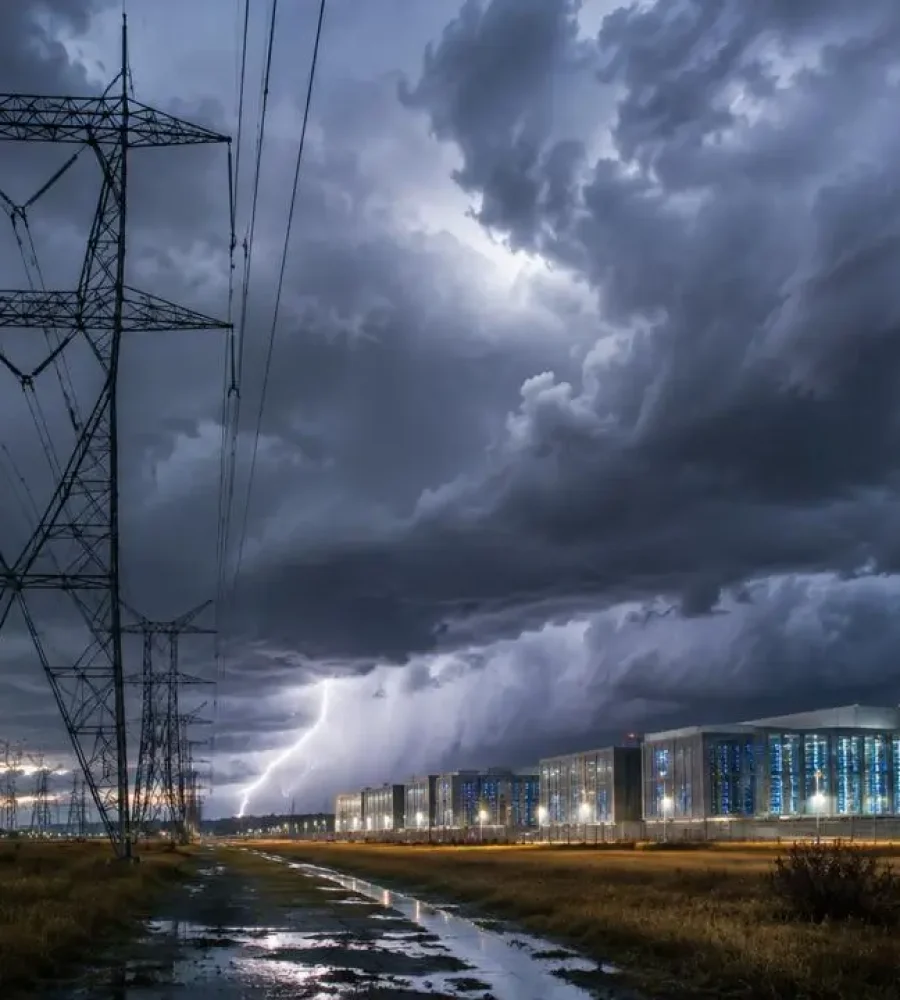
Electricity networks were originally designed to support economies built around manufacturing growth, urban expansion, and steady industrial consumption patterns that evolved gradually over time. Artificial intelligence infrastructure is disrupting that framework by introducing highly concentrated and rapidly expanding electricity demand into selected digital corridors. Large accelerator campuses now influence decisions involving transmission investment, storage deployment, and long-term utility planning across several economies. Energy providers are confronting infrastructure requirements that move faster than traditional grid modernization schedules and permitting cycles. Investors are also directing capital toward regions capable of supporting continuous high-density digital operations with stable electricity access and resilient transmission systems. The rise of artificial intelligence infrastructure is gradually redefining how nations evaluate industrial energy strategy and future grid development priorities.
AI Is Redrawing the Power Map
Artificial intelligence infrastructure is concentrating electricity demand inside emerging power corridors that combine renewable generation, fiber connectivity, and large parcels of industrial land. Energy developers across North America, Europe, and Asia are prioritizing transmission upgrades near high-capacity digital campuses because these projects generate stable long-term electricity consumption. Traditional industrial regions built around steel, automotive manufacturing, and petrochemical production are losing strategic attention from investors seeking faster revenue growth from digital infrastructure. Utilities are restructuring interconnection queues to accommodate hyperscale facilities that require immediate access to large volumes of uninterrupted electricity. Financial institutions are also redirecting infrastructure financing toward regions capable of supporting accelerator-dense facilities with lower latency and higher grid reliability. Regional governments now compete for large digital campuses through energy guarantees rather than labor incentives or export manufacturing advantages.
The migration of electricity investment toward digital corridors is reshaping national transmission priorities across multiple economies. Transmission operators once focused heavily on connecting remote industrial clusters, yet modern planning models increasingly prioritize areas linked to large-scale digital facilities. Renewable developers are securing land near major fiber routes because proximity to accelerator campuses improves long-term revenue certainty for generation assets. However, this concentration effect also raises concerns regarding regional grid congestion, electricity affordability, and transmission bottlenecks during periods of elevated digital activity. Public infrastructure agencies are reviewing permitting frameworks to accelerate substations, storage installations, and high-voltage transmission lines near strategic digital hubs. Investors increasingly view electricity availability as the primary determinant of digital infrastructure expansion because hardware deployment cycles move faster than utility modernization programs.
Storage Farms Are Becoming the New Substations
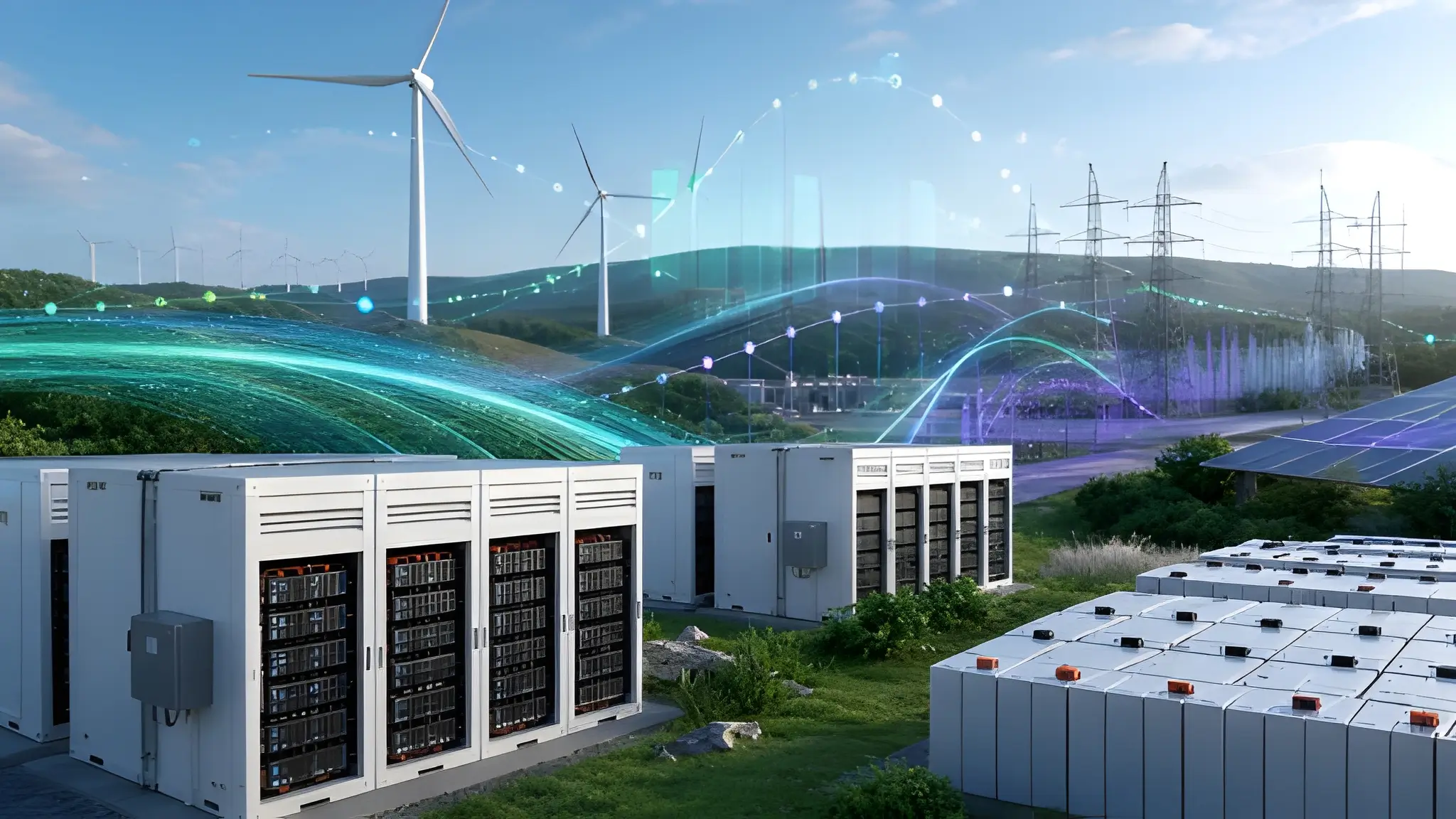
Battery storage facilities are evolving from emergency backup systems into operational pillars that stabilize electricity delivery for high-density digital campuses. Grid operators now deploy large battery installations near accelerator clusters to absorb renewable fluctuations and reduce transmission strain during peak processing activity. These installations respond within seconds to frequency deviations, voltage instability, and rapid load changes that conventional gas peaker plants cannot manage efficiently. Storage developers are also designing hybrid projects that integrate solar arrays, battery systems, and direct transmission access for large digital facilities. Utilities increasingly depend on utility-scale batteries to delay expensive substation expansion projects while maintaining service reliability in fast-growing regions. Financial markets recognize storage assets as strategic infrastructure because digital electricity demand produces highly valuable arbitrage opportunities during volatile pricing periods.
Large battery campuses are beginning to function as distributed balancing centers that support transmission flexibility across regional electricity systems. Energy planners previously treated storage systems as supplementary reliability tools, yet operational conditions now position them closer to central network infrastructure. Therefore, utilities are integrating battery dispatch into day-ahead planning frameworks instead of relying exclusively on traditional generation forecasting models. Large digital campuses increasingly negotiate electricity agreements that include dedicated storage capacity capable of supporting continuous accelerator operation during grid stress events. Engineering firms are redesigning substations to incorporate bidirectional energy flow management because storage systems now interact dynamically with transmission assets and renewable generation. The economics of storage deployment continue improving as lithium iron phosphate manufacturing scales globally and long-duration technologies attract industrial financing support.
The Grid Can’t Predict AI Traffic Anymore
Electricity forecasting models developed during the twentieth century relied on relatively stable industrial demand curves and predictable seasonal consumption patterns. Large digital facilities now create irregular electricity behavior because accelerator clusters can rapidly shift processing intensity according to training cycles and inference demand. Utilities struggle to model these fluctuations accurately because traditional industrial operations rarely changed electricity consumption at comparable speed or density. Regional transmission organizations are revising load forecasting assumptions after multiple digital infrastructure projects requested electricity volumes equivalent to medium-sized cities. Forecasting errors now carry greater financial consequences because utilities must secure reserve generation, transmission capacity, and balancing resources years before facilities become operational. Analysts across energy markets increasingly acknowledge that legacy demand modeling techniques no longer reflect the operational characteristics of accelerator-dense infrastructure.
Rapidly changing electricity behavior from digital facilities also complicates renewable integration strategies across interconnected grid systems. Renewable generation forecasting already introduces variability into grid operations, while large accelerator campuses add another layer of uncertainty for balancing authorities. Meanwhile, utilities face pressure from regulators to maintain reliability standards even as electricity demand patterns become less predictable and more geographically concentrated. Digital infrastructure operators often seek flexible electricity arrangements that allow rapid scaling of accelerator deployment according to hardware availability and software demand cycles. This flexibility creates planning challenges because transmission upgrades, gas generation projects, and large substations require multi-year construction timelines and complex permitting procedures. Utility executives increasingly describe digital electricity demand as structurally different from historical industrial growth because its operational profile changes faster than conventional infrastructure investment cycles.
Utilities Are Racing to Keep Up With GPU Cities
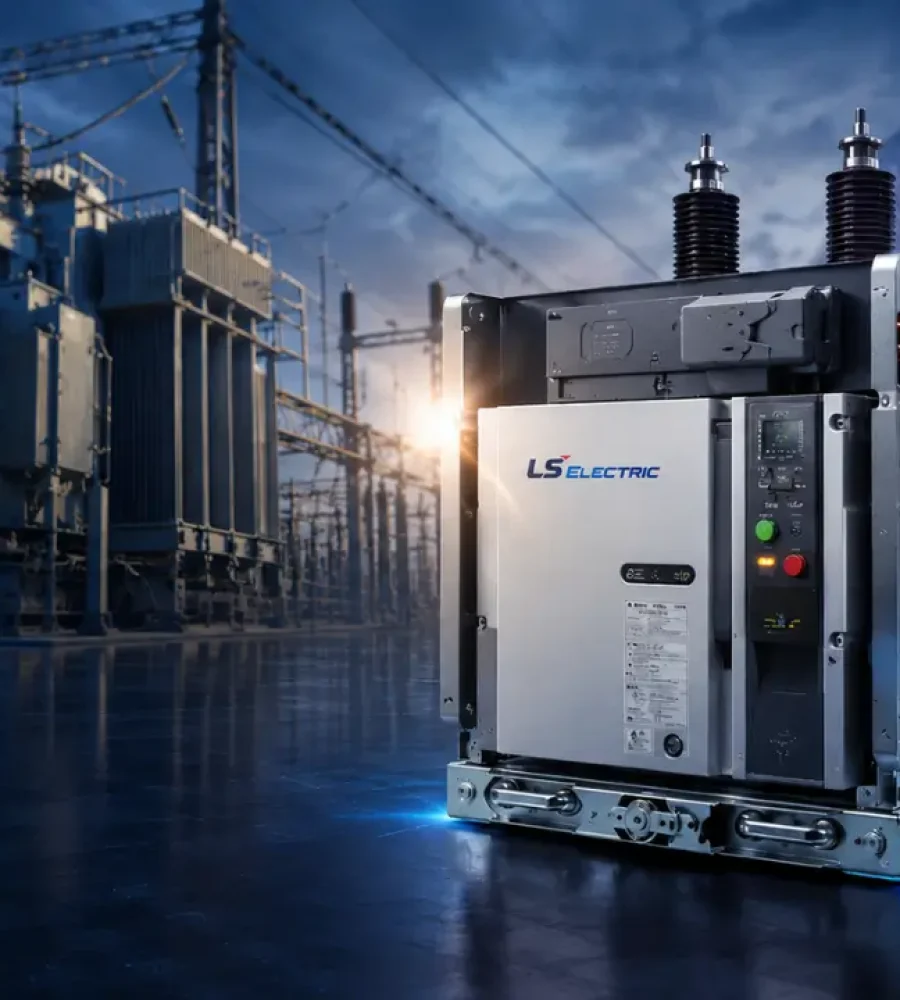
Large accelerator campuses increasingly resemble industrial cities because they require dedicated substations, water systems, fiber connectivity, and continuous high-capacity electricity delivery. Utilities across several regions are confronting unusually large interconnection requests that exceed historical expectations for industrial electricity growth within many service territories. The scale of these projects forces transmission operators to accelerate procurement cycles for transformers, switchgear, transmission towers, and high-voltage equipment. Equipment shortages have become a significant obstacle because manufacturing lead times for critical grid components expanded sharply during recent years. Energy providers also face mounting pressure from political leaders who view digital infrastructure as strategically important for economic competitiveness and national security. Utility planning departments now coordinate directly with semiconductor firms, infrastructure funds, and digital operators to estimate future electricity requirements more accurately.
The operational demands of accelerator campuses differ substantially from traditional enterprise data facilities because modern hardware generates intense and concentrated electricity consumption. Cooling requirements, redundancy expectations, and low-latency operational standards create infrastructure burdens that many regional utilities were never designed to support. Additionally, digital infrastructure developers frequently demand rapid deployment schedules that conflict with the slower construction pace of regulated utility projects. Some utilities are responding by creating dedicated service divisions focused entirely on large digital infrastructure customers and related transmission planning. Independent power producers are also entering long-term agreements with digital operators to bypass delays associated with regulated interconnection processes. Governments in multiple economies now treat transmission expansion and storage deployment as industrial policy priorities because digital infrastructure growth increasingly influences national productivity expectations.
Energy Pricing Is Entering the AI Era
Electricity pricing structures are changing as large digital facilities consume substantial power volumes during both peak and off-peak operating periods. Storage-backed accelerator campuses can shift portions of their electricity usage strategically according to market pricing conditions and renewable generation availability. This operational flexibility enables large digital operators to participate more actively in ancillary services markets, demand response programs, and capacity auctions. Industrial electricity contracts increasingly include more flexible structures involving renewable sourcing agreements, storage integration provisions, and variable demand management terms for large digital facilities. Energy traders increasingly monitor digital infrastructure expansion because localized electricity demand growth can influence regional wholesale pricing behavior significantly. Financial analysts now evaluate battery storage assets alongside digital infrastructure investment because both sectors increasingly depend on synchronized operational economics.
Regional electricity markets may experience broader structural changes as digital facilities gain influence over transmission utilization and storage deployment decisions. Long-term industrial power agreements increasingly incorporate guarantees tied to renewable sourcing, battery capacity availability, and transmission reliability metrics. Utilities are revising tariff structures to recover infrastructure expansion costs associated with serving high-density accelerator campuses and related industrial ecosystems. Energy-intensive digital facilities also create new incentives for colocated renewable generation because transmission congestion can significantly increase operating expenses during volatile market conditions. Private capital continues entering storage development aggressively because flexible battery systems improve electricity cost predictability for digital infrastructure operators. Regulators across several economies are examining whether existing electricity market frameworks adequately reflect the infrastructure pressures generated by rapidly expanding accelerator deployment.
AI May Become the Grid’s Biggest Customer Ever
Artificial intelligence infrastructure is rapidly evolving into one of the most influential forces shaping electricity investment and transmission strategy across global energy markets. National grid planning models increasingly account for accelerator campus expansion because electricity demand growth from digital infrastructure now rivals major industrial development programs. Storage deployment, high-voltage transmission construction, and utility modernization efforts are becoming tightly connected to the operational requirements of large digital facilities. Governments are also reassessing industrial policy frameworks because reliable electricity access increasingly determines competitiveness in the global digital economy. Energy infrastructure investment decisions once centered around manufacturing growth, yet modern planning now prioritizes regions capable of supporting sustained accelerator expansion at industrial scale. The relationship between digital infrastructure and electricity systems will likely define future debates around energy security, transmission resilience, and industrial competitiveness for decades ahead.
The accelerating expansion of digital infrastructure is creating a structural transformation that extends far beyond conventional data facility growth patterns. Utilities, regulators, storage developers, and transmission planners must now operate within an environment where electricity demand can scale dramatically within very short development cycles. Large battery installations, flexible transmission networks, and advanced forecasting systems will increasingly determine which regions can sustain future digital infrastructure investment. Private capital markets already recognize that electricity reliability and storage availability represent strategic economic assets in the era of accelerator-driven infrastructure expansion. National energy strategies are shifting toward grid flexibility, storage integration, and transmission modernization because digital facilities require uninterrupted electricity at extraordinary scale. The modern electricity sector is entering a period where sustained digital infrastructure expansion is likely to influence long-term industrial energy economics and future infrastructure investment priorities worldwide.