 Skip to content
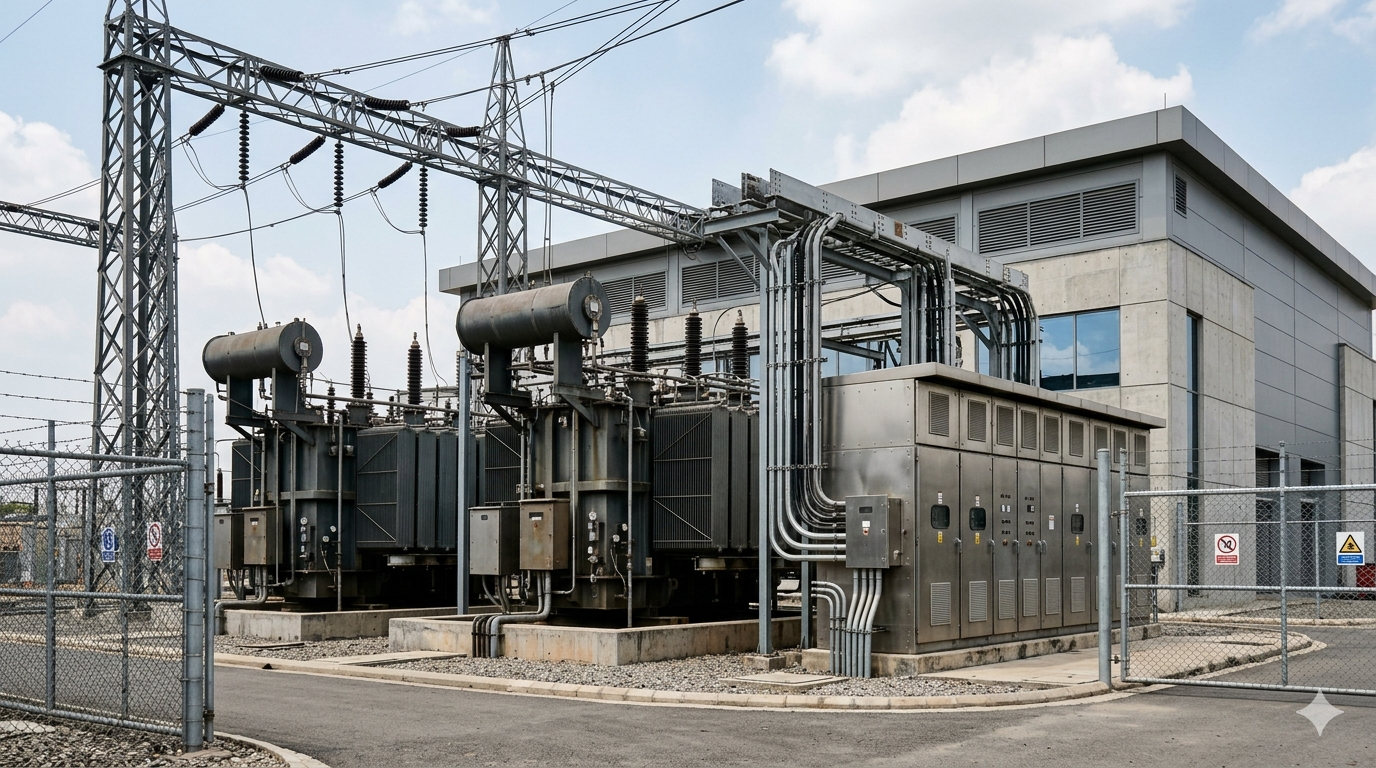
Close to half of planned U.S. data center builds in 2026 face delays or cancellation. Shortages of critical electrical equipment have emerged as the primary constraint on the industry’s growth, according to Bloomberg reporting citing data from market intelligence firm Sightline Climate.

The bottleneck centers on transformers, switchgear, and batteries. These components are essential both within data center facilities and in the grid infrastructure needed to connect them. Lead times for high-power transformers, which previously ran 24 to 30 months, have stretched to five years in some cases. AI data centers typically deploy in under 18 months. That gap is the problem.
A Supply Chain the Industry Cannot Build Around
Approximately 12 gigawatts of U.S. data center capacity is expected to come online in 2026, according to Sightline Climate. Only around one third of that is under active construction. The rest sits stalled at the announcement stage, waiting not on financing or demand, but on physical components.
The scale of capital flowing into AI infrastructure makes this more striking. Alphabet, Amazon, Meta, and Microsoft are projected to spend over $650 billion on data center expansion in 2026. That spending is generating demand for electrical equipment at a pace the manufacturing base cannot match. Electrical infrastructure is less than 10 percent of total data center cost. Yet a delay in any one element of the power chain halts an entire project. The transformer and substation supply chain has become one of the most consequential chokepoints in AI infrastructure development, and the power equipment bottleneck is not unique to the U.S. — it is a global constraint playing out across every major build market simultaneously.

China remains the world’s largest producer of many electrical components that AI data center construction requires. Despite efforts to shift server manufacturing away from Chinese suppliers, U.S. developers still depend on Chinese-made transformers and switchgear. Canada, Mexico, and South Korea have emerged as alternatives. Their combined capacity is not enough to cover current demand.
Ongoing trade tensions are compounding the problem. Tariffs have raised the cost of imported components. The risk of further export restrictions adds uncertainty to projects already in planning. The power economics of U.S. data center expansion are now shaped as much by geopolitics as by construction costs, a dynamic that shows no sign of easing in the near term.
Developers are responding by securing equipment earlier in project cycles, holding larger inventories, and redesigning facilities around available components. The time-to-power crisis the industry has discussed in theory is now a daily operational reality for project teams across the country.












