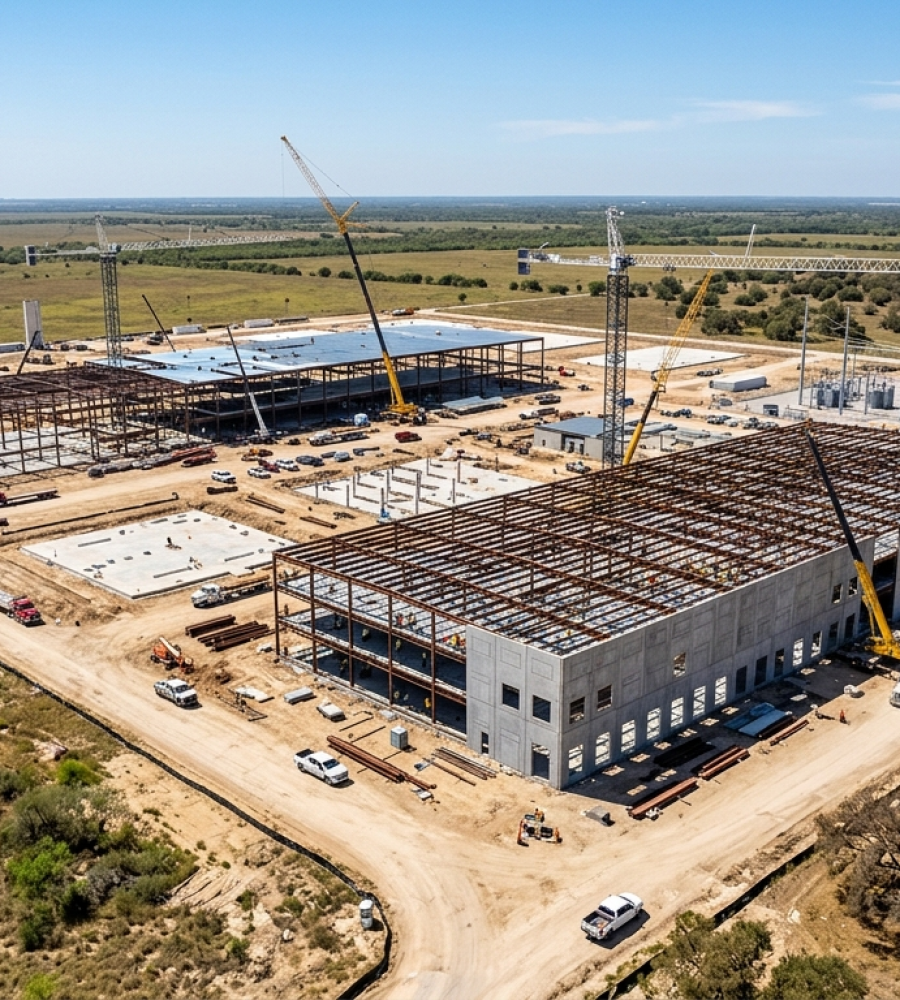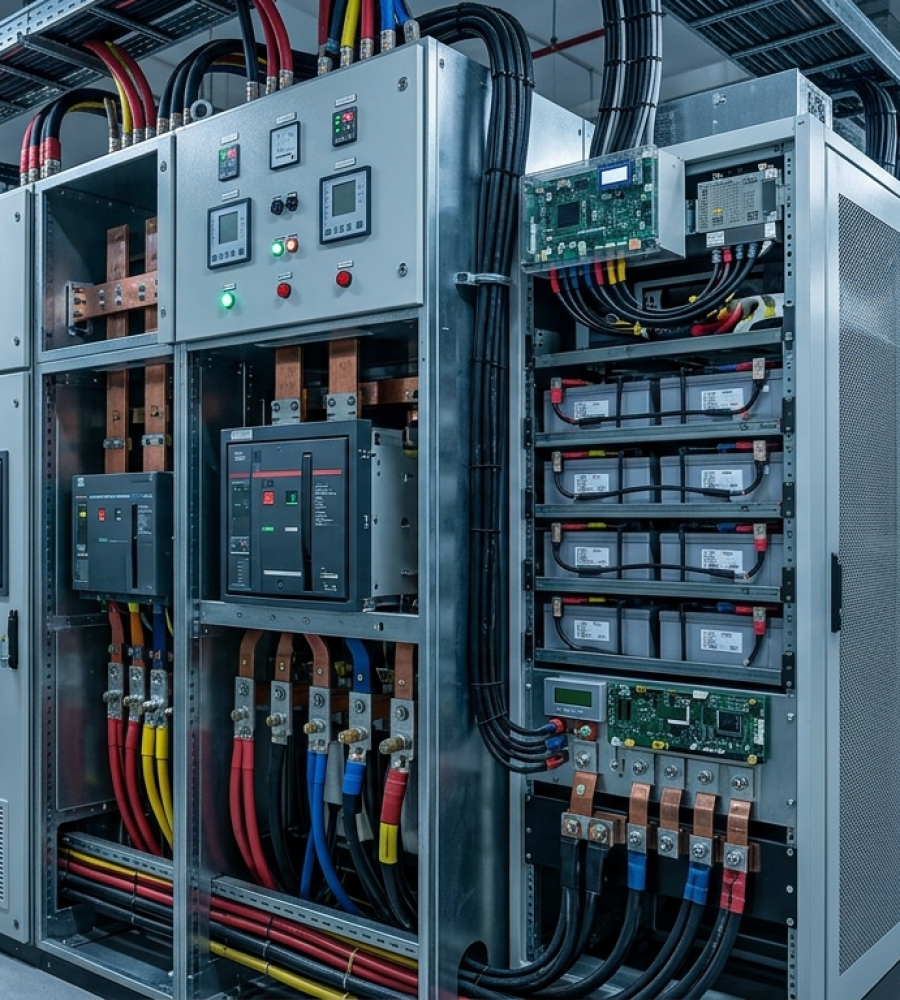

As governments and regulated enterprises push to expand their use of artificial intelligence, they are confronting a reality: operating AI at scale requires infrastructure most organizations cannot build fast enough on their own. Advanced chips, high-speed networking, extensive data storage, specialized software platforms, and strict security controls form the backbone of modern AI environments. Developing all of this internally demands heavy upfront investment and prolonged procurement and licensing processes that often stretch timelines into years and add layers of complexity beyond most organizations’ tolerance.
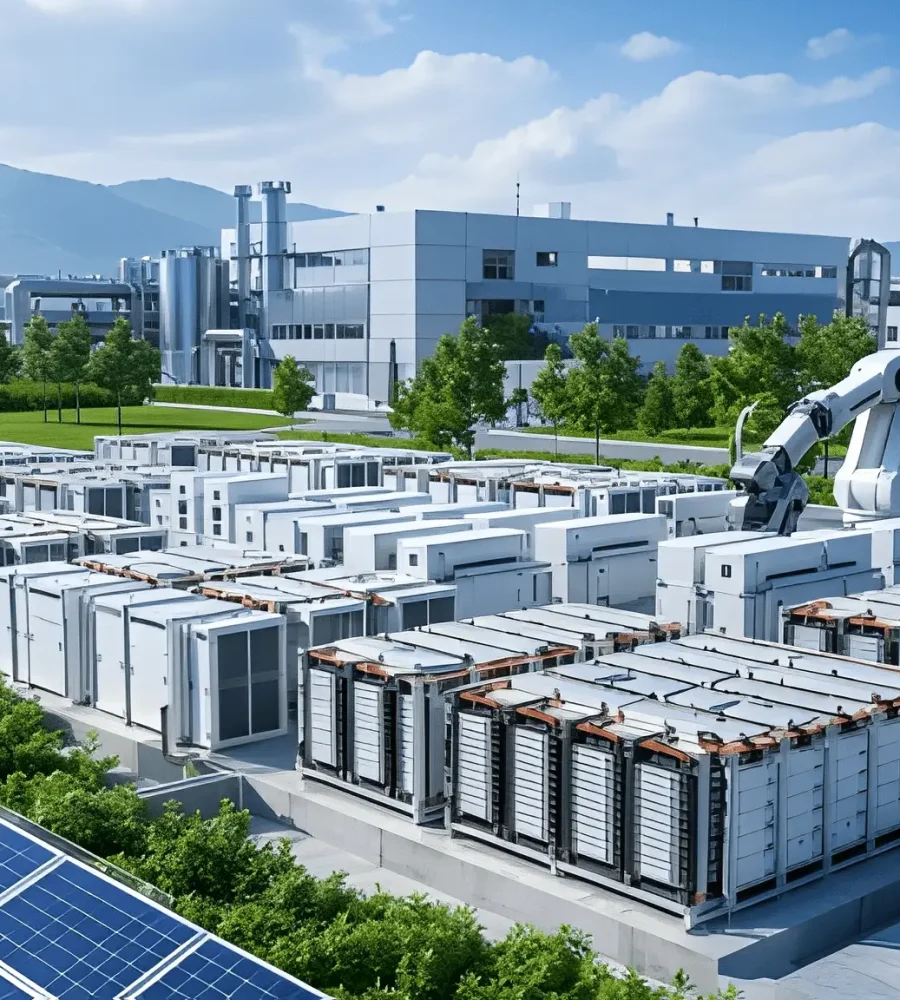
To remove that friction, AWS has introduced “AWS AI Factories,” a new approach that delivers dedicated, high-performance AWS AI infrastructure directly into customers’ own data centers. Rather than running AI workloads exclusively in shared hyperscale cloud locations, enterprises and governments can now operate what functions like a private AWS Region on-premises, fully managed by AWS but physically located within their facilities to support sovereignty, compliance, and security requirements.
At its core, an AWS AI Factory transforms existing customer infrastructure into a full-scale AI production environment. Instead of piecing together hardware, networking, security layers, databases, and AI tooling independently, organizations receive an integrated system combining:
- Advanced AI accelerators, including NVIDIA computing platforms and AWS’s own Trainium chips
- High-speed, low-latency networking engineered by AWS
- High-performance storage and database services capable of feeding data-intensive AI workloads
- Built-in security controls and energy-efficient infrastructure
- Native AI services, including Amazon Bedrock and SageMaker AI, enabling development, training, and deployment of AI models
With these components bundled into a managed service, customers can move from infrastructure planning directly to application development, eliminating the need to design and operate entire AI platforms on their own.
Why Regulated Organizations Have Struggled Until Now
Organizations in the public sector and heavily regulated industries face a unique set of constraints when deploying AI at scale. Traditional cloud options may conflict with compliance rules or sovereignty requirements regarding where sensitive data must be processed and stored. Building internal capacity, meanwhile, often means navigating years of procurement cycles, massive expenditures on GPUs and power, licensing negotiations with multiple model providers, and determining which models best match evolving use cases.
These hurdles stretch deployment timelines into multiyear efforts, drawing staff away from core missions and delaying the benefits of AI innovation.
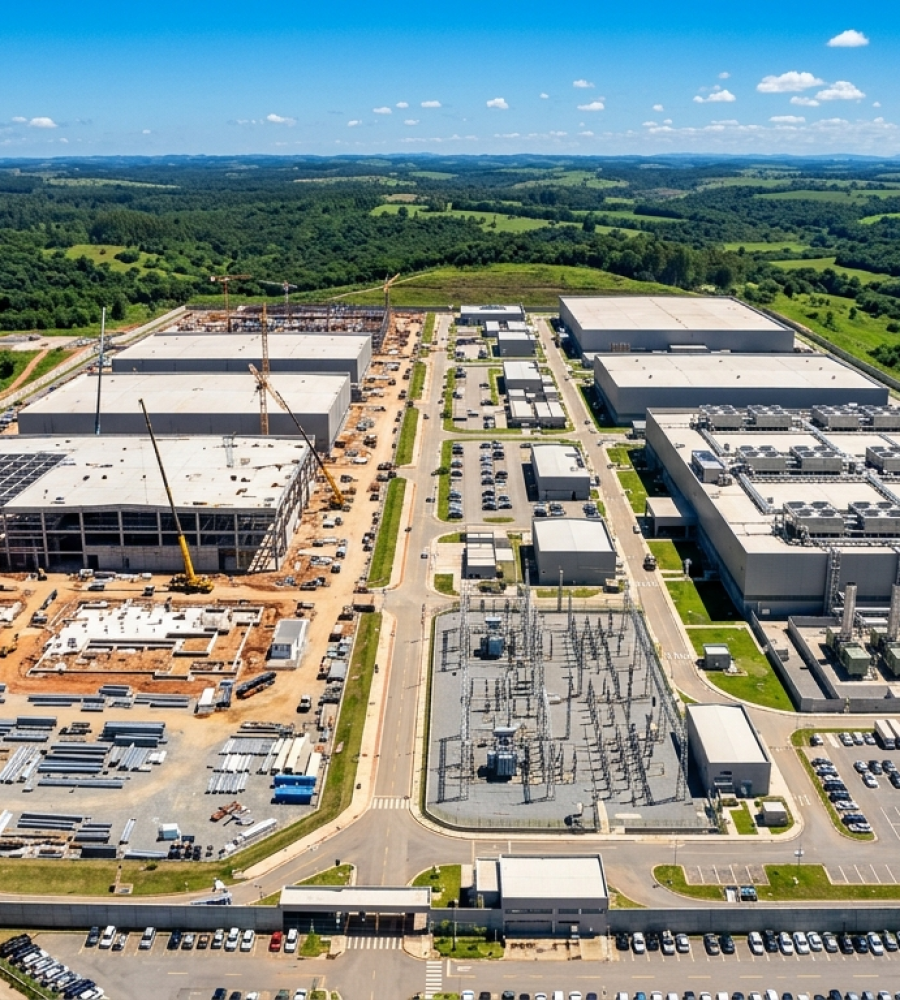
AWS AI Factories are designed specifically to dissolve these barriers. AWS delivers and operates dedicated infrastructure inside customer data centers, using space and power capacity that organizations have already secured. This arrangement provides secure, low-latency access to compute, storage, databases, and AI services without sacrificing regulatory alignment or operational simplicity.
The offering also includes managed access to leading foundation models, removing the need for separate negotiations and licensing agreements while maintaining compliance with security and data residency rules.
The ‘AWS’ Advantage
AWS’s nearly two decades of experience designing hyperscale infrastructure and supporting AI workloads enables rapid deployment of environments that would otherwise take organizations years to replicate independently. According to AWS, this depth of operational expertise allows customers to bypass both prolonged construction timelines and the complexity of maintaining large, highly specialized AI platforms day to day.
The result is acceleration: organizations move faster from strategy to execution without taking on the heavy lift of building and managing full-stack AI systems themselves.
A Deepening Alliance with NVIDIA
Powering these AI Factories is an expanded collaboration between AWS and NVIDIA, a partnership that dates back 15 years to the launch of the world’s first GPU cloud instance. Today, AWS offers the broadest portfolio of GPU solutions available in cloud computing, and this relationship now extends directly into customer-owned facilities.
Through the NVIDIA-AWS AI Factories integration, customers gain seamless access to the NVIDIA accelerated computing platform, the complete NVIDIA AI software stack, and thousands of GPU-optimized applications. These technologies work in combination with AWS services to support training and inference for large language models and advanced AI systems, securely and at scale.
Key infrastructure enablers include:
- The AWS Nitro System for optimized virtualization and security
- Elastic Fabric Adapter (EFA) delivering petabit-scale, low-latency networking
- Amazon EC2 UltraClusters optimized for dense GPU deployments
These platforms support the latest NVIDIA Grace Blackwell architecture and upcoming NVIDIA Vera Rubin systems. Looking ahead, AWS plans to incorporate NVIDIA’s NVLink Fusion high-speed chip interconnect technology into next-generation Trainium4 and Graviton processors, as well as within the Nitro System, further boosting performance and reducing time-to-market for advanced AI workloads.
As Ian Buck, NVIDIA’s vice president and general manager of Hyperscale and HPC, puts it: large-scale AI demands everything from cutting-edge GPUs and networking to tightly optimized software and infrastructure services. By combining NVIDIA’s Grace Blackwell and Vera Rubin platforms with AWS’s compute stack and AI software ecosystem, AWS AI Factories enable organizations to deploy powerful AI capabilities far faster, letting teams focus on innovation instead of infrastructure complexity.
Security and compliance sit at the center of AWS AI Factories, particularly for government adoption. The systems adhere to AWS’s stringent security requirements and are architected to handle workloads spanning all classification levels, from Unclassified through Top Secret.
For governments worldwide, this translates into the ability to run sensitive AI operations with strong controls over data residency and regulatory compliance, while maintaining the availability and reliability necessary to support national digital and economic development centered on emerging technologies.
A Saudi Arabian Flagship Project
One of the most significant early initiatives tied to AWS AI Factories is a strategic partnership with HUMAIN, the Saudi Arabia–based company building full-stack AI ecosystems. Under this collaboration, AWS is delivering a first-of-its-kind “AI Zone” in Saudi Arabia, built within a HUMAIN data center.
The project will include:
- Up to 150,000 AI chips, including GB300 GPUs
- Dedicated AWS AI Factory infrastructure
- A full suite of AWS AI services
HUMAIN CEO Tareq Amin described the initiative as the beginning of a multi-gigawatt expansion designed to support rapidly accelerating demand for AI compute, both regionally and globally. He highlighted AWS’s track record in large-scale infrastructure deployment, enterprise reliability, depth of AI capabilities, and commitment to the region as key reasons for selecting AWS as a partner. Together, the organizations aim to build an AI ecosystem capable of shaping how AI is developed, deployed, and scaled worldwide.
AWS AI Factories mark a shift in how large-scale AI will be delivered, blending hyperscale cloud power with on-premises control to eliminate the trade-off between convenience and sovereignty. As governments and enterprises accelerate into the AI era, this hybrid model is becoming the blueprint forward: cloud-grade capability embedded directly within customer facilities, designed to move at the speed innovation now requires.