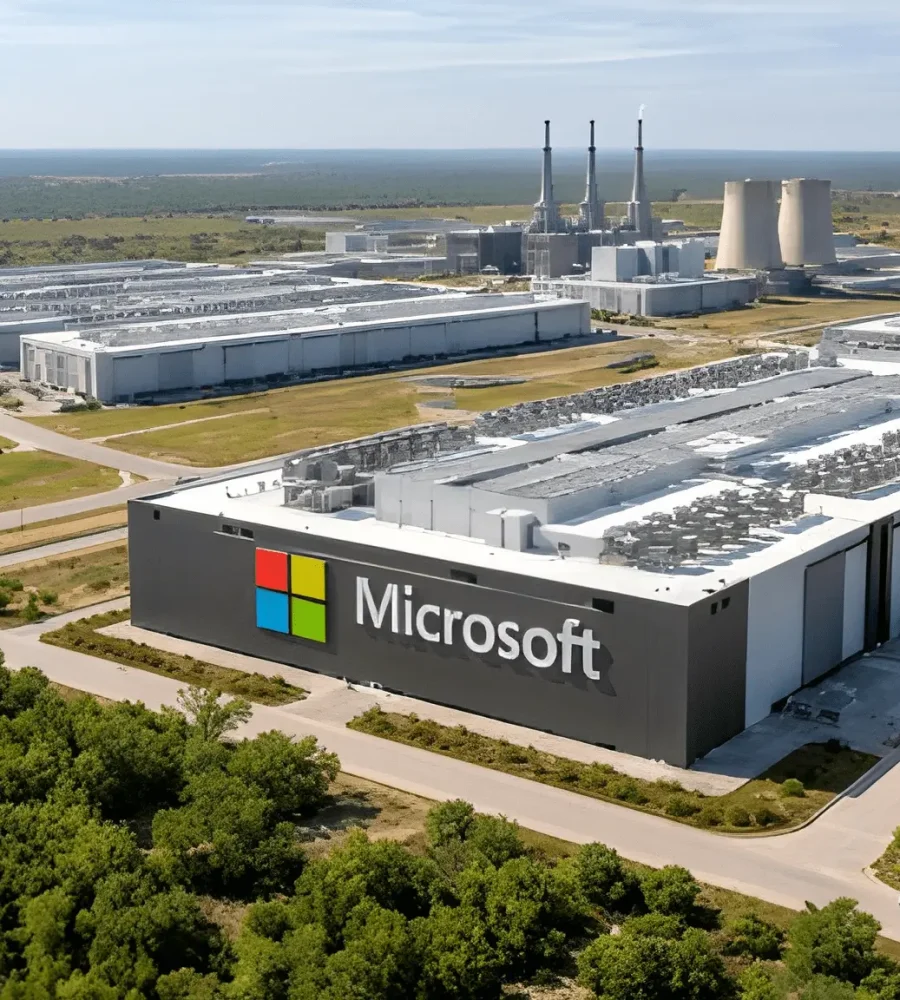
Introduction: Understanding the Green Neo Cloud Challenge
The discussion around whether a green neo cloud is achievable has intensified as organizations deploy increasingly dense compute architectures to support artificial intelligence, high-performance workloads, and latency-sensitive applications. The question reflects a core tension: next-generation cloud environments depend on concentrated GPU clusters and high-throughput fabrics, yet these same systems elevate energy consumption and thermal output.
This article examines the operational realities surrounding the sustainability profile of neo cloud environments and explores whether the model can align with long-term environmental objectives.
Defining the Neo Cloud Model and Its Sustainability Context
What Makes Neo Cloud Architectures Distinct?
Neo cloud architectures emphasize proximity, density, and accelerated compute. Unlike traditional hyperscale models that distribute workloads across wide geographic regions, a neo cloud setup aims to bring GPU clusters closer to enterprise, telecom, and AI deployment zones. This approach supports lower latency, higher availability, and more efficient data movement for AI models and inference operations.
These infrastructures rely on several components:
- High-density racks for GPUs, CPUs, and accelerators
- High-bandwidth interconnects for cluster communication
- Advanced cooling topologies, including liquid-based methods
- Modular power architectures designed for rapid scaling
Each component introduces its own sustainability considerations, particularly in terms of power demand and heat generation.
Sustainability Expectations in Modern Data Center Strategy
As organizations expand AI workloads, sustainability reporting structures are becoming more standardized. Global enterprises often evaluate carbon-intensity metrics, energy-efficiency indicators, and electrical sourcing strategies. Neo cloud deployments enter this ecosystem with questions about whether dense compute architectures can operate within evolving regulatory and environmental expectations.
Compute Density: Technical Advantages and Energy Implications
Why Compute Density Is Central to Neo Cloud Design
Compute density allows operators to concentrate GPU clusters within a compact footprint while maintaining performance for training, inference, and real-time analytics. This model increases utilization efficiency and reduces latency between nodes. Reduced physical distance inside the cluster minimizes communication overhead, which is especially important when training large AI models.
How High-Density Compute Influences Energy Profiles
Higher density designs elevate thermal output. The requirement to maintain safe operating temperatures increases demand for advanced cooling systems, which can contribute significantly to a facility’s total power usage. Organizations often evaluate energy usage effectiveness (EUE) and power usage effectiveness (PUE) metrics to understand cooling overhead in these environments.
While efficiency gains in hardware design continue to improve performance relative to power consumption, the overall requirement for sustained and intensive GPU throughput remains a meaningful contributor to total data center energy demand.
Can a Green Neo Cloud Exist Within Today’s Energy Landscape?
Factors That Influence the Green Neo Cloud Feasibility
The feasibility of a green neo cloud depends on several operational realities:
- Grid Energy Mix
The carbon intensity of electricity supplied to data centers has a direct influence on sustainability outcomes. Access to regions with renewable energy availability plays a foundational role in operational decision-making. - Cooling Efficiency
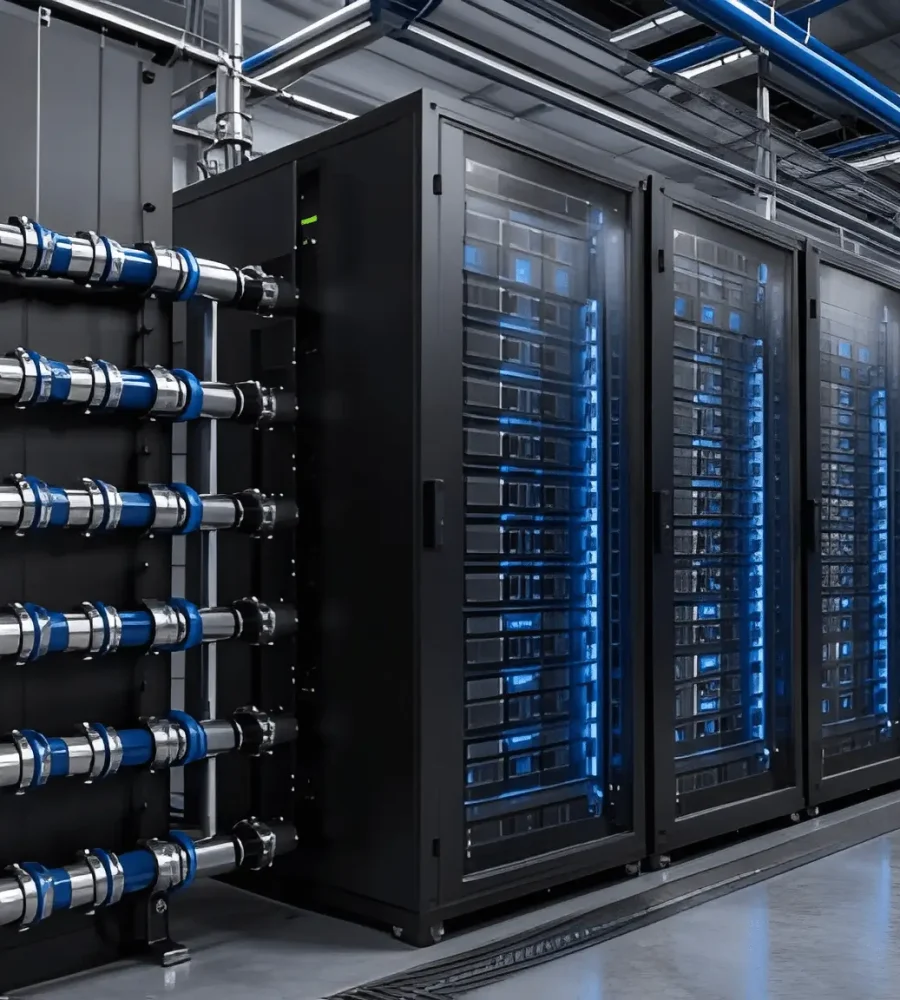
High-density racks require effective cooling. Liquid cooling systems, cold-plate methods, and immersion technologies are increasingly deployed to reduce energy overhead associated with traditional air cooling. - Waste Heat Utilization
Some operators integrate heat reuse designs to transfer thermal output to district heating networks or industrial processes. While implementation varies by region, this concept is part of broader sustainability planning. - Workload Optimization
Efficient scheduling, model optimization, and hardware utilization strategies can reduce unnecessary compute cycles, indirectly lowering energy consumption.
Assessing Environmental Claims in Neo Cloud Strategies
Environmental claims associated with neo cloud deployments must align with verifiable data. Sustainability evaluation frameworks typically include:
- Actual utility consumption patterns
- Renewable energy sourcing disclosures
- Infrastructure efficiency metrics
- Cooling system performance benchmarks
Because compute-dense systems are still evolving, transparency and accurate reporting remain critical to determining whether a neo cloud configuration meets sustainability benchmarks.
Practical Constraints: Energy, Location, and Infrastructure Readiness
Physical and Electrical Constraints of Dense Compute Zones
Neo cloud environments require high power availability and robust electrical infrastructure. Regions vary significantly in their ability to support multi-megawatt deployments. Local grid capacity, transmission stability, and regulatory guidance influence where deployments occur.
In many regions, the timeline for grid upgrades is longer than the deployment cycle for AI-centric clusters. This creates practical limitations on the pace at which compute-dense environments can scale sustainably.
Cooling Infrastructure and Design Limitations
Cooling systems in dense compute environments must balance energy efficiency and reliability. Liquid-based cooling offers meaningful efficiency advantages, but adoption requires specialized facility design, operational expertise, and maintenance protocols.
These factors shape how quickly organizations can transition to more energy-efficient cooling solutions and influence the sustainability outlook for neo cloud deployments.
What a Path Toward a Green Neo Cloud Could Look Like
Integrating Region-Specific Renewable Strategies
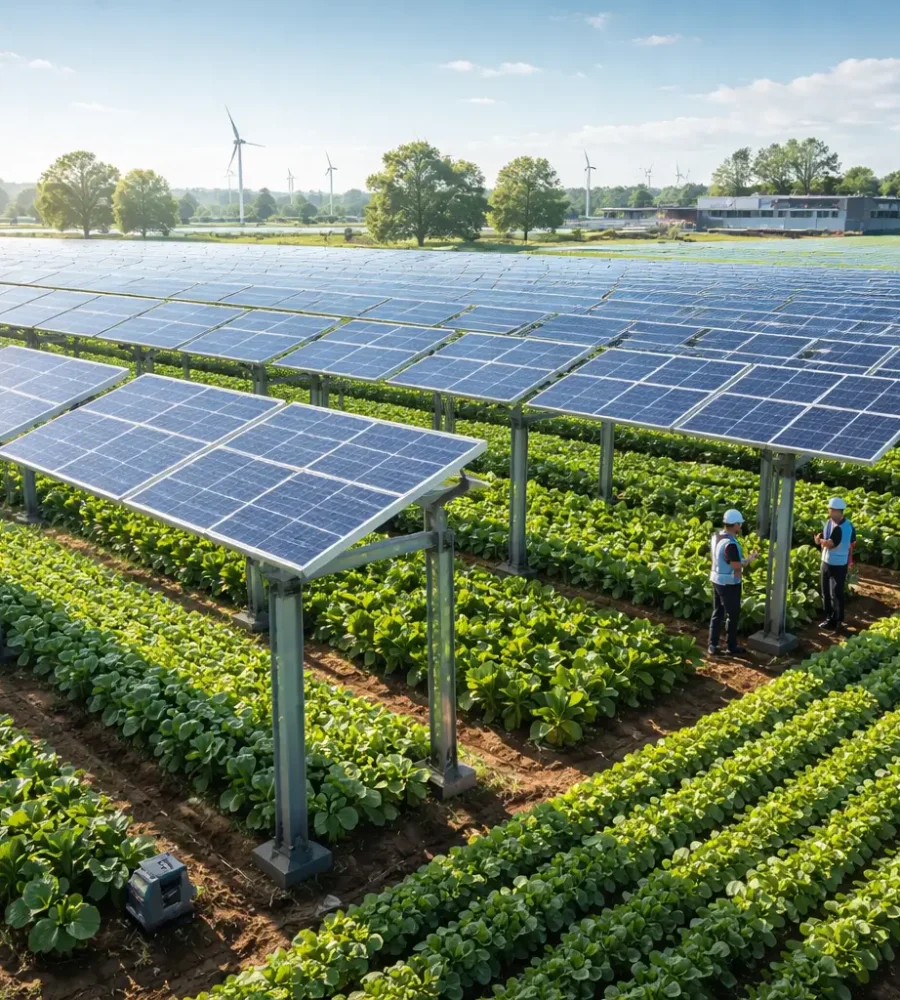
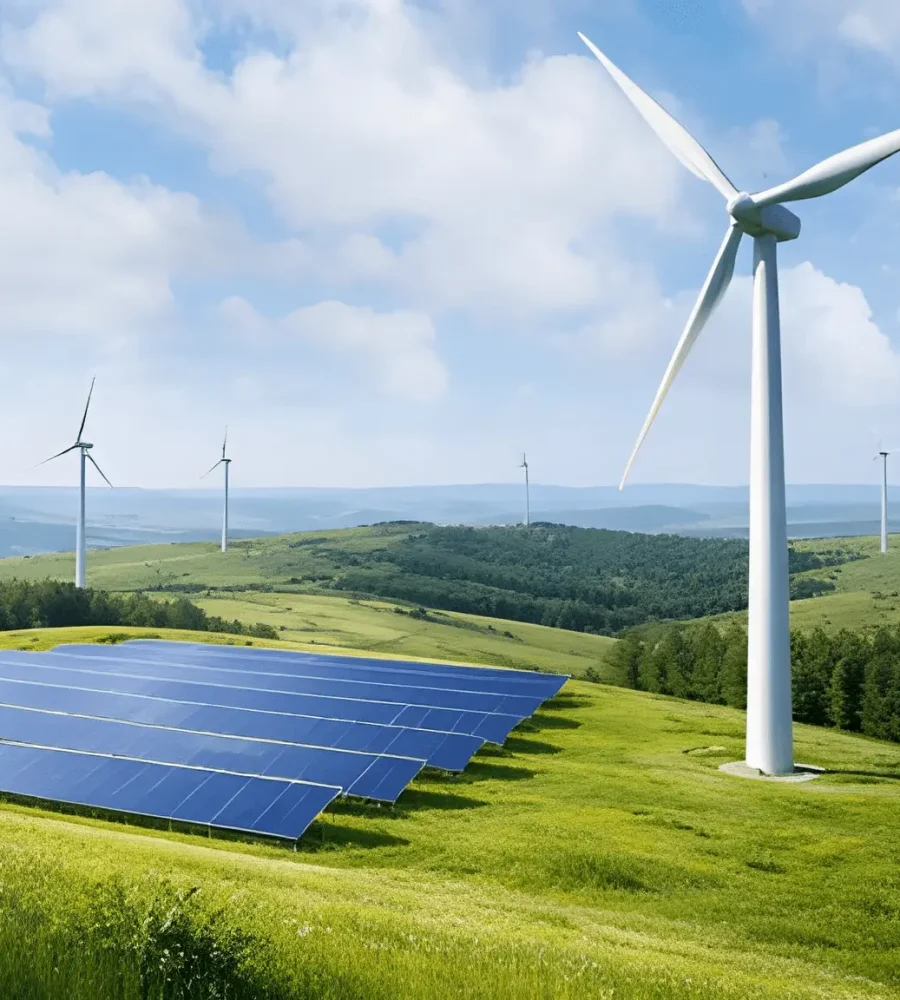
Organizations commonly evaluate renewable energy agreements, regional renewable availability, and onsite generation feasibility. These efforts help align compute-intensive operations with sustainability goals, though adoption depends on the maturity of local energy markets.
Advancements in Hardware Efficiency
AI accelerators, GPUs, and CPUs continue to improve performance relative to energy consumption. Architectural optimizations, chiplet designs, and specialized inference hardware may reduce total energy per operation over time. While these improvements contribute to sustainability objectives, long-term impact depends on workload growth relative to efficiency gains.
Role of Modular Data Center Design
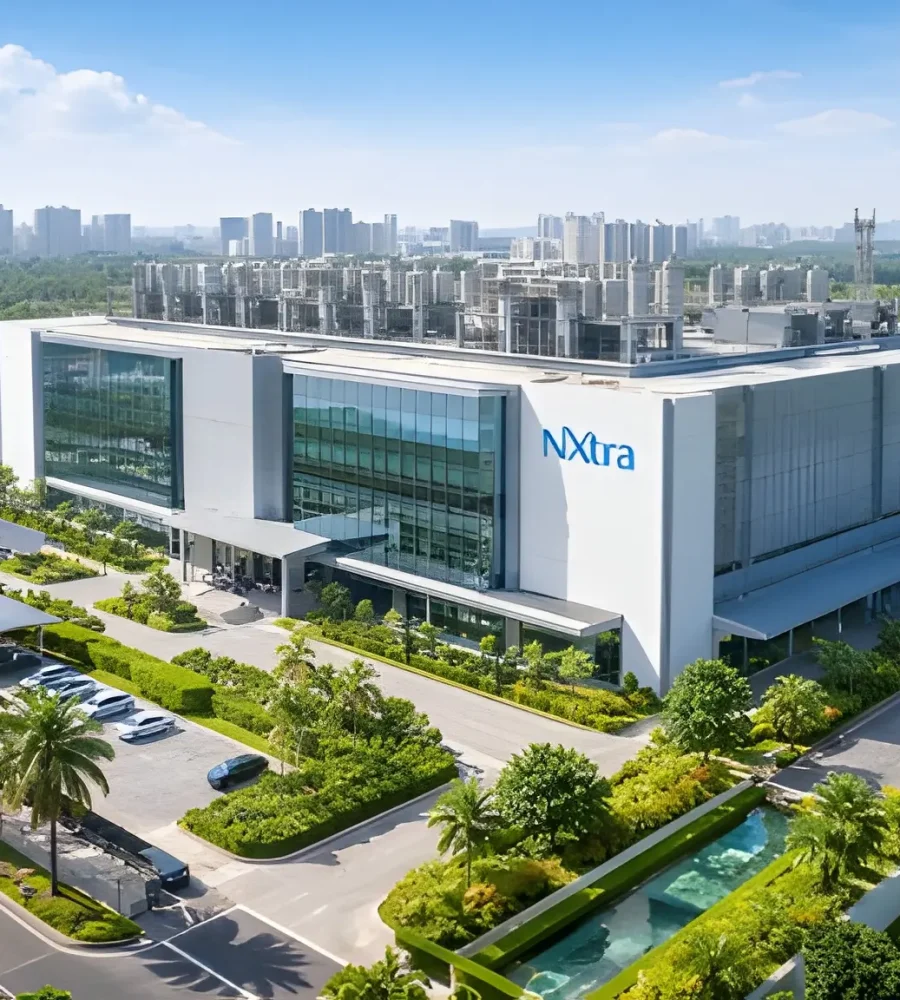
Modular facilities allow operators to deploy optimized cooling solutions, energy-efficient electrical systems, and pre-engineered infrastructure components. This model offers a structured way to align growth with sustainability planning, especially for organizations deploying neo cloud environments across multiple regions.
Organizational Considerations: Making Neo Cloud Strategy Align With Sustainability Frameworks
Establishing a Measurable Framework
Sustainability alignment requires a structured framework supported by data. Organizations generally monitor:
- Total energy consumption
- Renewable energy sourcing percentages
- Facility efficiency metrics
- Hardware utilization levels
- Environmental reporting structures
These metrics support long-term infrastructure decision-making and clarify whether green neo cloud objectives are achievable within given operational environments.
Importance of Transparent Reporting
Transparent reporting enables regulators, enterprise stakeholders, and technology partners to evaluate environmental performance without assumptions or speculative projections. This practice is increasingly becoming standard across all sectors operating AI-centric compute infrastructures.
A Realistic View of the Green Neo Cloud Question
The central question ‘Can a Green Neo Cloud Exist? cannot be answered without considering compute-density requirements, grid conditions, cooling capabilities, and transparent operational data. Neo cloud architectures introduce efficiencies in workload placement and cluster communication, but they also concentrate energy consumption in ways that require deliberate planning.
Sustainability progress in this domain will depend on infrastructure innovation, renewable energy availability, hardware efficiency advancements, and clear data-driven evaluation frameworks. By focusing on measurable outcomes and transparent reporting practices, organizations can assess how closely their neo cloud strategies align with emerging sustainability expectations.