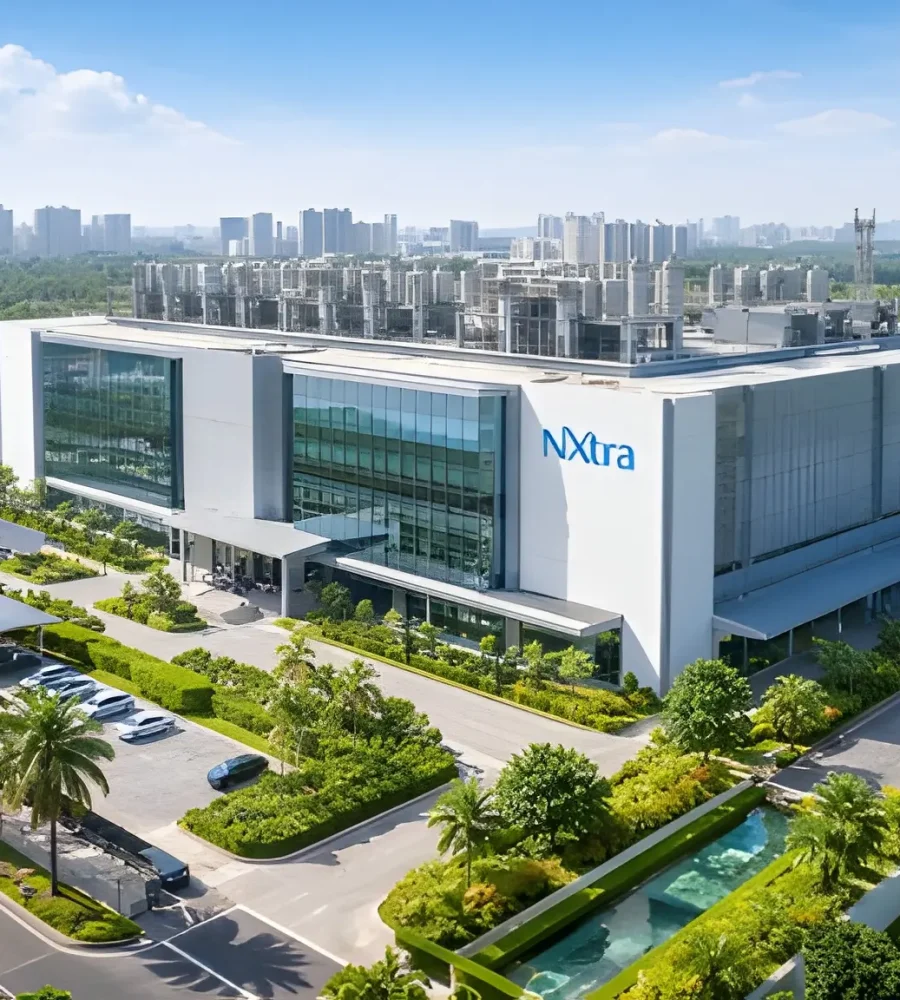
Washington’s decision last year to classify copper as a Critical Mineral marked a strategic inflection point. We have moved deeper into 2026, and a hard physical reality has humbled the old rhetoric of software eating the world. This critical metal deficit proves that the virtual world relies on a foundation of red metal. AI data centers now require nearly 50,000 tons of copper per facility. This scale of consumption was previously reserved for small cities.
As a result, the Pax Silica faces a material constraint. This informal global alliance sustains the AI ecosystem, but code cannot optimize this physical limit away. The central challenge of our decade involves supplying the immense volume of wiring and cooling for this Compute Economy. We have entered the era of the Gigawatt-scale AI Factory. Therefore, a structural deficit in critical metals like copper, aluminum, and silver is slowing global growth.
The Anatomy of the Shortage: AI’s 47 Tonnes per Megawatt
The 2026 crisis stems from a fundamental shift in data center architecture. Traditional cloud facilities functioned for storage and retrieval. These sites operated at 5 to 15 kilowatts (kW) per rack. Today, AI training clusters demand a staggering 100 to 120 kW per rack. These clusters use high-performance GPUs like NVIDIA’s Blackwell and the newer 2026-spec Rubin series.
This ten-fold increase in power density has created a proportional surge in copper demand. Furthermore, industry benchmarks show that modern AI data centers require 27 to 47 tonnes of copper per megawatt (MW). This copper is not just extra wiring. Instead, it integrates into the very marrow of the facility.
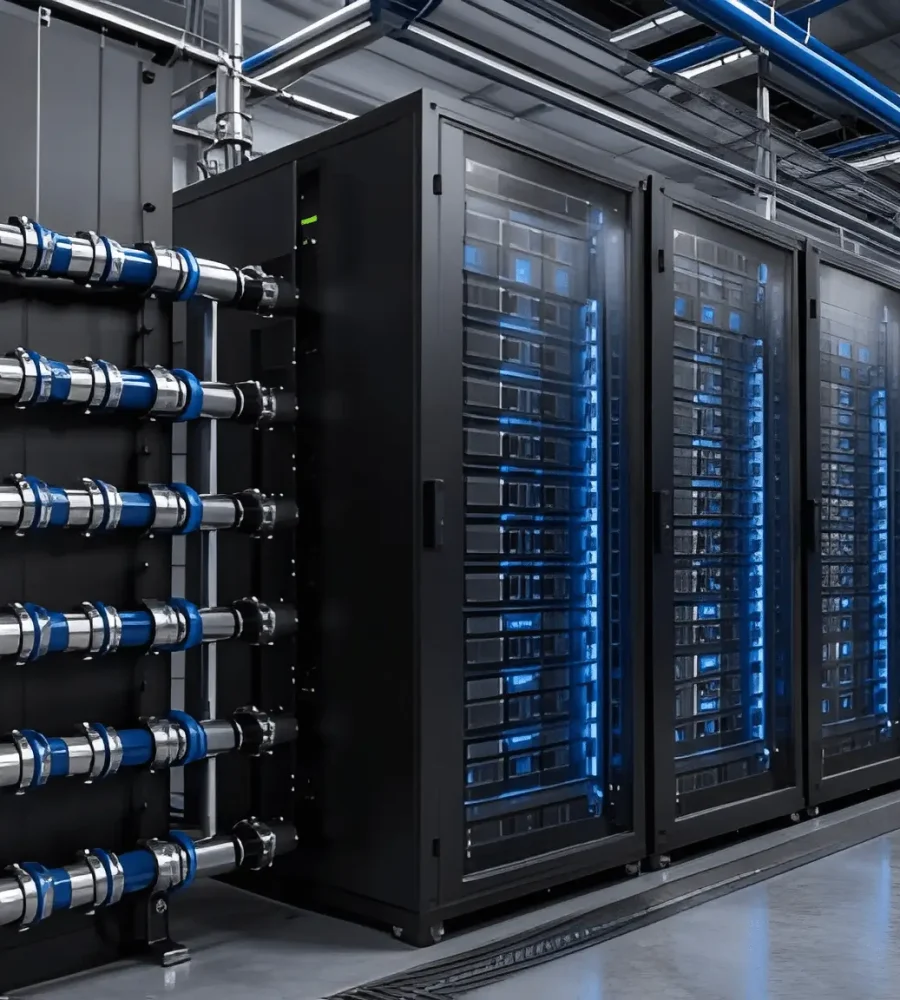
- Advanced Thermal Management: Air cooling has reached its physical limit. Consequently, liquid-to-chip cooling systems rely on intricate copper cold plates. Massive manifold systems whisk heat away from silicon. Copper’s thermal conductivity makes it irreplaceable here.
- High-Voltage Power Distribution: High-density busways and redundant backup systems double the copper requirements. These needs far exceed traditional commercial buildings. To move massive currents without resistive loss, engineers must increase the gauge of the copper.
- Redundancy and Resilience: Mission-critical AI operations require duplicate power circuits. A millisecond of downtime can cost millions in lost training progress. Therefore, developers use “dual-corded” connectivity, which doubles the material intensity per square foot.
J.P. Morgan projects that data center demand for copper will reach 475,000 tonnes in 2026. This is a massive jump from 110,000 tonnes in 2025. This 330% surge has caught global supply chains off guard.
The Grid-Lock Effect: 120-Week Lead Times
The crisis extends beyond raw ore. Constraints also affect midstream equipment. This equipment acts as the industrial connective tissue that converts ore into a working grid. By February 2026, lead times for mission-critical electrical equipment hit historic highs.
Standard transformers or high-voltage switchgear once had a 20-week lead time. Now, these items require 80 to 120 weeks. This Grid-Lock means a company ordering infrastructure today cannot plug in until 2028. Consequently, the pace of the industrial forge is throttling the digital revolution.
Data centers now compete with other sectors for copper. These sectors include:
- The EV Transition: A battery electric vehicle uses roughly four times the copper of a gasoline car.
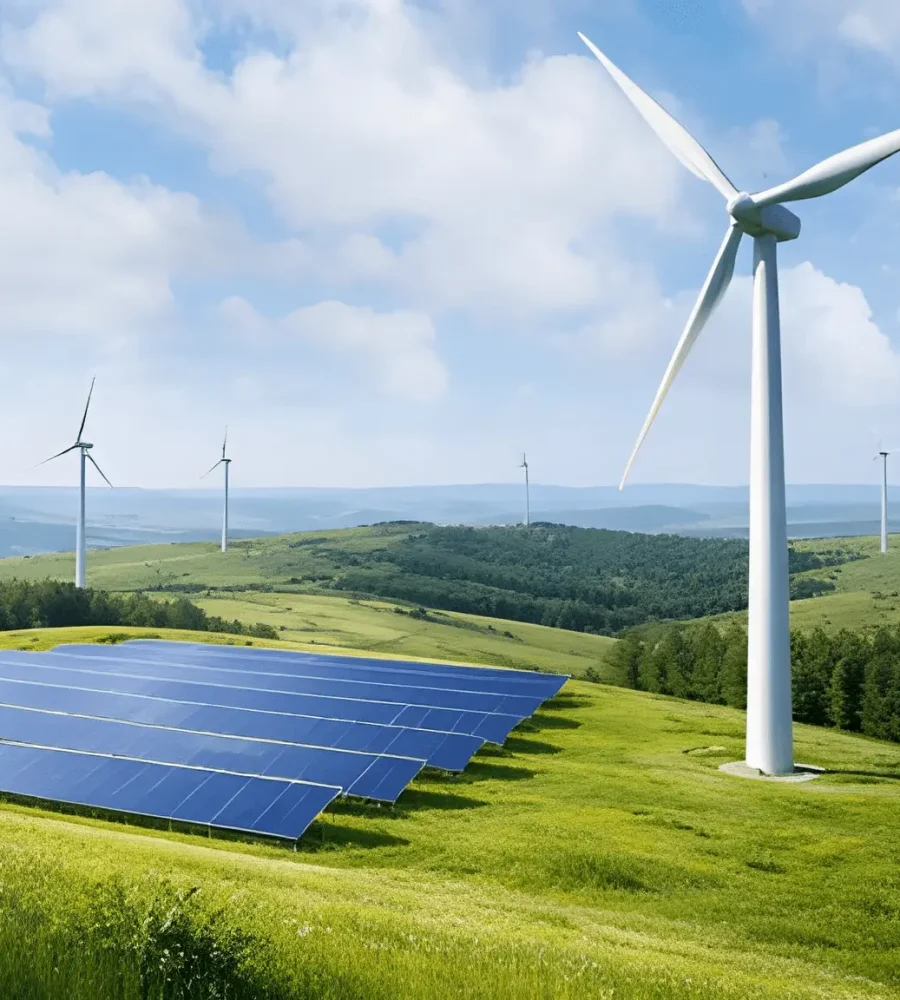
- The Renewable Surge: A 1 GW wind farm requires nearly 3,000 tonnes of copper to connect turbines to the substation.
- Grid Modernization: Forty percent of the world’s power lines are over 25 years old. The Great Re-wiring requires immediate replacement with copper-intensive smart wires.
The Permitting Paradox: 20 Years vs. 20 Months
The most dangerous bottleneck is the time-to-market mismatch. A hyperscale data center can be designed and built in 18 to 24 months. In contrast, a new copper mine in the US or EU takes an average of 17 to 29 years. This timeline covers the span from discovery to first production.
This Permitting Paradox creates a structural supply gap. Price alone cannot fix this issue. Even with copper prices near $14,500 per tonne in early 2026, the supply pipeline remains inflexible. Investors cannot move fast when they must build two-mile-deep open-pit mines.
Other contributing factors include:
- Resource Nationalism: In 2025 and 2026, major producers like Indonesia and the DRC faced supply shocks. These nations sought to capture more value from their red gold exports.
- Declining Ore Grades: The easy copper is gone. Copper ore purity has dropped from 1% in the 1990s to roughly 0.5% today. Thus, miners must process twice the rock to get the same metal. This consumes more energy and water.
The Geopolitics of Red Gold
The 2025 US decision to label copper a Critical Mineral was a declaration of industrial war. The Pax Silica Declaration of 2026 formalized an alliance between the US, Japan, and the EU. This group aims to secure minerals for the Compute Economy. Effectively, they have created a Copper NATO.
However, this has led to significant market fragmentation:
- Bifurcated Markets: Proposed 25% tariffs on refined copper threaten to separate US prices from global benchmarks. Consequently, we are seeing the emergence of “Security Copper” premiums.
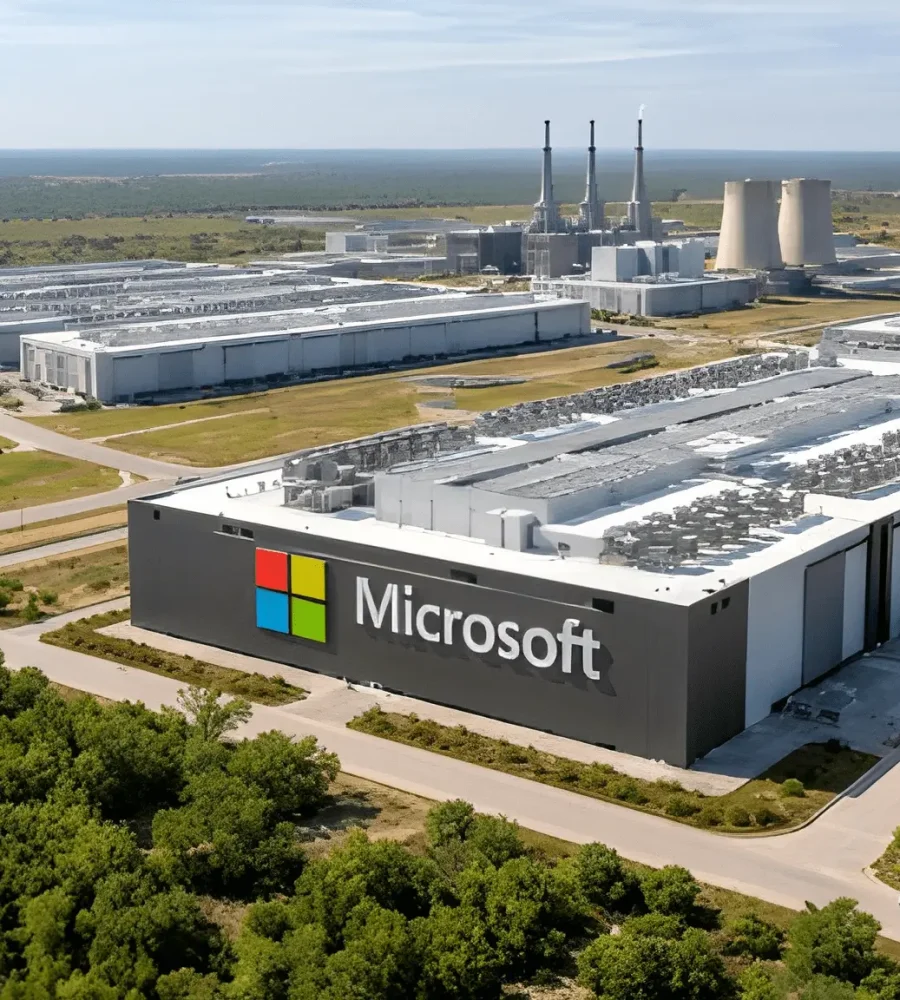
- Strategic Stockpiling: Tech giants like Microsoft and Google are acting like industrial conglomerates. They are buying copper futures. They are also warehousing physical copper to ensure their 2027 builds are not delayed.
Innovation: Designing Out the Deficit
The Copper Ceiling has forced the industry into rapid innovation. If the world cannot provide enough copper, the AI must rely on something else.
The Aluminum Pivot
The copper-to-aluminum price ratio hit 4.5 to 1 in early 2026. Because of this, hyperscalers have begun a massive pivot. Aluminum has only 61% of the conductivity of copper, but it is lighter and more abundant. New aluminum busways are appearing in 2026 data centers.
Hollow-Core Fiber (HCF)
The industry is accelerating the shift to optics to reduce reliance on copper cables. Data centers now rely on fiber for 85% of all backbone deployments. New Hollow-Core Fiber allows light to travel 30% faster than traditional glass. This reduces the need for copper-powered signal repeaters.
Urban Mining
The scavenger economy has gone high-tech. Companies now specialize in Urban Mining. They use AI-driven robots to reclaim high-purity copper from old data centers. This secondary market now accounts for nearly 20% of the AI sector’s copper supply.
The Social Cost: Compute vs. Community
A hidden tension is emerging as copper prices soar. Every tonne of copper used for AI is a tonne not used for affordable housing or rural power. In 2026, we are seeing the first Metal Riots in developing nations. The cost of basic electricity has tripled because of the appetite of Northern Hemisphere data centers.
The ethical dimension of AI is shifting. It is no longer just about algorithmic bias. Instead, it is about material equity. The world must decide if AGI is worth the stagnation of traditional infrastructure.
The Physical Reality of AI
The 2026 metal shortage is the final exam for the AI revolution. It has punctured the myth that the digital economy is weightless. We have learned that a Superintelligence needs a Super-Grid. Furthermore, a Super-Grid requires industrial-scale extraction.
The copper shortage is a permanent feature of the new Compute Economy. To overcome this, the global community must do more than write checks. We must reform permitting to bring mines online faster. Also, we must invest in material science. If we fail, the Intelligence Age may be remembered as a short-lived dream.