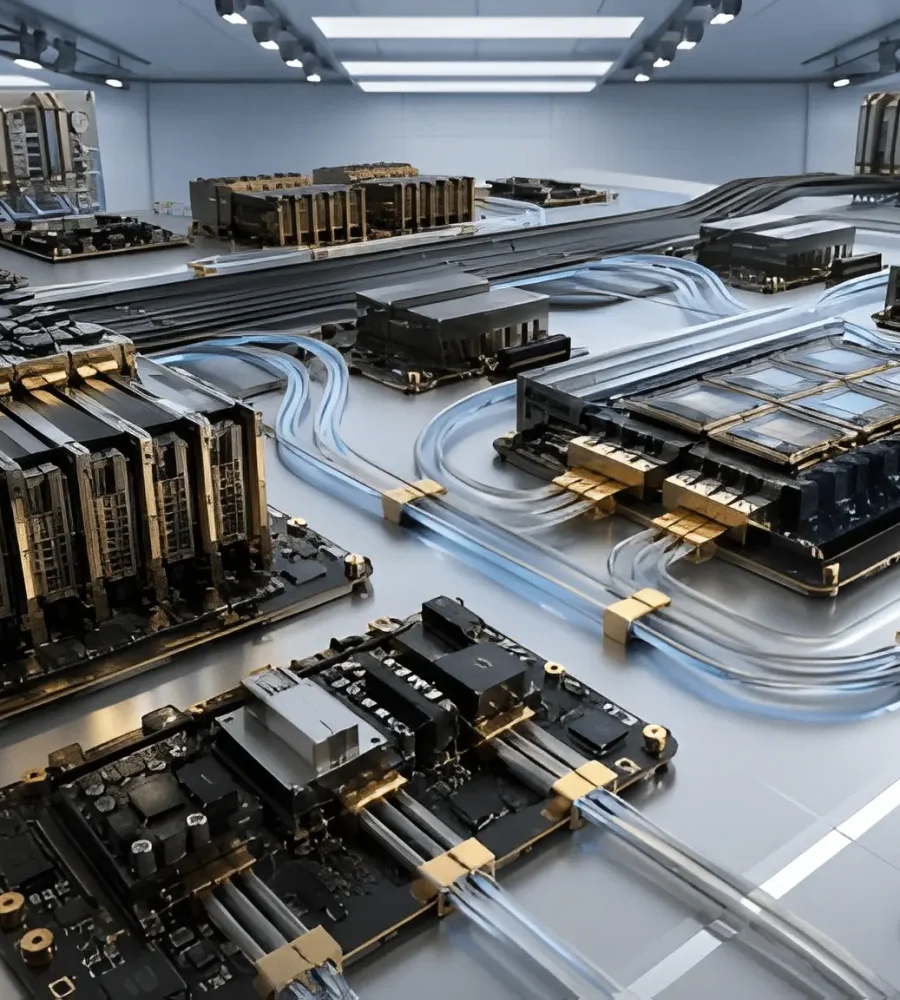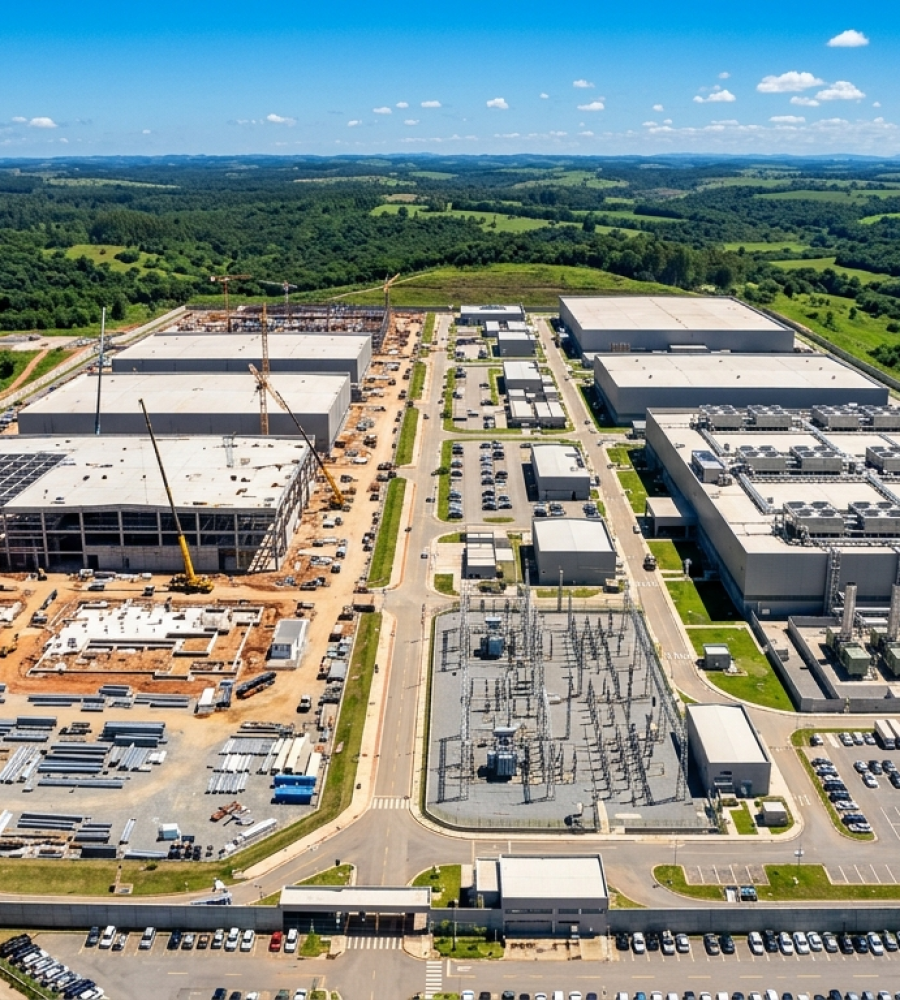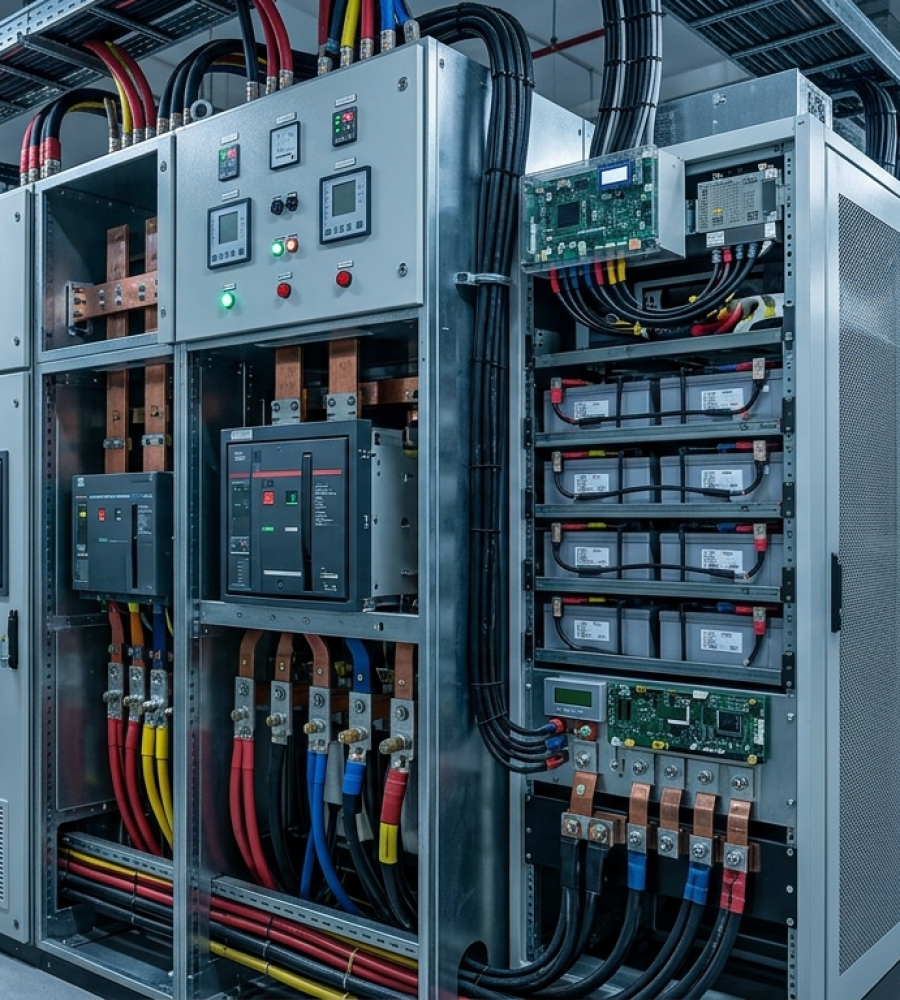
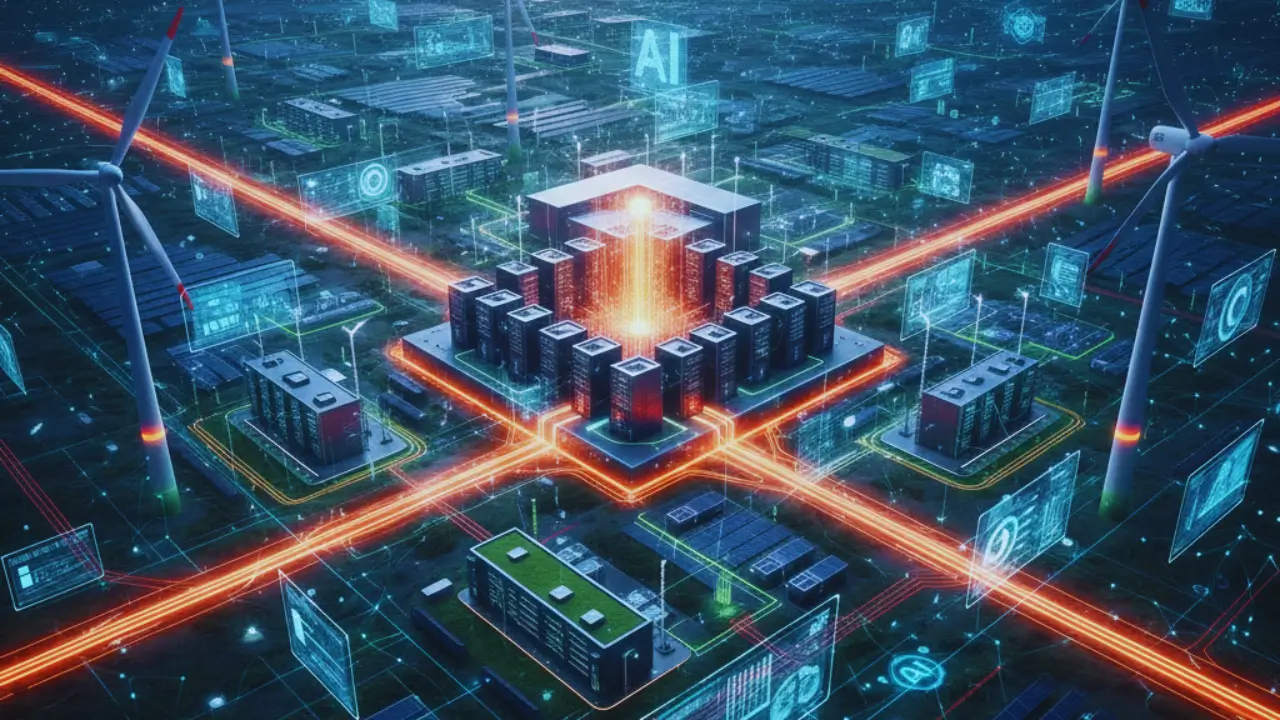
AI compute clusters and data centers are viewed as massive, inflexible electricity consumers. The dominant narrative has been straightforward: AI needs more power, data centers draw enormous loads from the grid, and utilities struggle to keep up. However, that relationship is beginning to change. Energy systems and AI infrastructure are starting to interact differently. Instead of treating AI clusters as passive loads, operators are turning them into grid-interactive resources. This emerging model could help stabilize electricity markets, support renewable integration, and unlock new revenue streams for data center operators.
This shift is no longer theoretical. In a recent demonstration, CPower Energy, Bentaus, and Supermicro proved that GPU-based AI servers can respond to real-time electricity market signals in under 20 milliseconds. The systems curtailed power use sharply while maintaining workloads. The test confirmed a powerful idea: AI compute can function as a controllable grid asset rather than an uncontrollable power sink.
A New Chapter in AI Power Demand
AI power demand continues to rise rapidly, especially in the United States. As a result, electric grids face mounting strain. Some projections suggest U.S. AI power capacity could grow from roughly 5 GW today to more than 50 GW by 2030. That would represent a tenfold increase in load on regional electricity systems.
Grid operators have begun to respond. Organizations such as PJM Interconnection are developing frameworks that require new large power users to supply part of their own electricity or accept early curtailment during grid stress events. This shift reflects a growing recognition that building more generation and transmission lines alone will not solve the problem.
In this environment, flexible and grid-aware AI compute transforms a perceived liability into a strategic asset. Both utilities and AI operators stand to benefit.
What It Means to Be Grid-Interactive
Grid operators have long relied on demand response programs to balance supply and demand during peak periods. Under these arrangements, industrial and commercial customers reduce consumption when called upon in exchange for compensation or lower rates. Manufacturing facilities and cryptocurrency miners have participated for years. Until recently, however, most data centers did not.
The recent test by CPower, Bentaus, and Supermicro challenges that assumption. During the demonstration, the California Independent System Operator transmitted market signals through an energy orchestration platform to AI compute resources. The GPU servers responded in less than 20 milliseconds. They reduced power use by as much as 75 percent without violating service-level agreements or disrupting AI tasks.
Fast and precise power modulation, combined with workload preservation, makes this capability transformative. Instead of simply cutting consumption during emergencies, AI servers can now adjust power draw dynamically in response to price signals and grid conditions. That flexibility enables deeper participation in energy markets.
Benefits for the Grid
1. Improved Grid Reliability
Flexible AI compute strengthens grid balancing efforts. Because supply must match demand at every moment, operators value resources that can quickly reduce and later restore load. Rapid modulation helps prevent instability during peak demand or supply shortages.
Capacity prices in wholesale markets have surged due to supply and demand mismatches. Recent U.S. auctions recorded historic highs, driven in part by electricity demand from data centers. These outcomes underscore the stress on conventional power systems. Flexible compute can help relieve that pressure.
2. Renewable Integration Support
Wind and solar generation fluctuate with weather conditions. As renewable penetration increases, supply volatility becomes more pronounced. Flexible demand resources such as grid-interactive AI compute can absorb excess generation during periods of high renewable output. Conversely, they can reduce demand when supply tightens.
This alignment between compute activity and renewable production smooths variability and reduces dependence on fossil fuel peaker plants.
3. Economic Value Creation
Participation in wholesale energy markets offers more than grid support. It creates new revenue opportunities for data center operators. As markets increasingly reward flexibility, AI compute facilities can earn compensation for load modulation, similar to energy storage systems or distributed energy resources.
Platforms such as CPower’s Virtual Power Plant enable facilities to monetize their flexibility. What once appeared solely as an operating expense can become a financial asset.
AI Compute as a Virtual Power Plant Component
The inclusion of AI compute in demand response aligns with broader changes in electricity markets. Virtual Power Plants aggregate distributed resources such as batteries and rooftop solar so they can operate collectively as a grid asset. Historically, these systems relied on energy storage and small-scale generation.
Adding flexible AI compute expands the definition of a dispatchable resource. Many AI workloads, particularly training and batch inference, offer inherent scheduling flexibility. Operators can shift these tasks in time or adjust processing intensity based on power availability and price signals.
With intelligent orchestration, facilities can protect performance standards while responding to grid needs. That capability makes AI compute uniquely valuable within the Virtual Power Plant framework.
Challenges Ahead
Despite its promise, grid-interactive AI faces real challenges.
Standardization and market design remain complex. Orchestration software must translate grid signals into secure and reliable compute control actions across diverse hardware environments.
Regulatory frameworks also require refinement. Extending demand response programs to compute facilities raises questions about measurement, verification, compensation, and participation thresholds.
Infrastructure readiness presents another hurdle. Not all data centers can modulate power dynamically. Operators must invest in telemetry systems, orchestration platforms, and workload scheduling tools that respond in real time without compromising service agreements.
Still, the broader trend favors flexibility. Utilities and regulators increasingly embed curtailment requirements into interconnection agreements. In Texas, for example, Senate Bill 6 requires certain large loads to support remote curtailment during grid emergencies. Such policies signal a move toward deeper coordination between energy and compute planning.
A Vision for the Future
Looking ahead, AI infrastructure that actively participates in electricity markets could reshape both industries. For grid operators, controllable compute loads expand the toolkit for balancing supply and demand. For AI developers and data center owners, energy market participation offers operational and financial advantages.
This evolving model reframes AI facilities not as energy burdens but as grid partners. As global AI deployment accelerates and electricity demand intensifies, such collaboration may become essential.
Over the coming decade, new market products may explicitly price compute flexibility. Advanced orchestration platforms could tightly integrate energy management and workload scheduling. Together, these developments may redefine AI’s relationship with the physical energy system.
AI compute once functioned as a passive consumer of electricity. Soon, it could rank among the grid’s most responsive and valuable assets, supporting a smarter, cleaner, and more resilient power system.