We are witnessing a fundamental shift away from cloud-heavy computing toward ultra-efficient processing that happens directly at the point of sensing- the “Edge.”
A new strategic partnership between neuromorphic chipmaker Innatera and UK-based engineering consultancy 42 Technology (42T) is set to turbocharge this transition. Their shared mission: to propel brain-inspired AI out of the research labs and into practical, profitable use across consumer, industrial, and manufacturing systems worldwide.
Powering the Next Generation of Smart Machines
At the heart of this collaboration is a commitment to making advanced edge intelligence viable for real-world products, devices that must operate under strict constraints for power, cost, and reliability.
This partnership pairs:
- Innatera’s Spiking Neural Processors (SNPs): Ultra-low-power, brain-inspired AI hardware.
- 42T’s Engineering Prowess: Nearly 30 years of experience designing and scaling complex, multidisciplinary industrial systems.
Their initial focus is on mission-critical applications: anomaly detection and condition monitoring. These solutions directly address the industrial operator’s worst nightmares: unexpected equipment failures, lost uptime, inconsistent performance, and serious safety risks. By embedding this new intelligence, machines can continuously monitor themselves, detecting problems locally before they escalate.
The Industrial Demand: Ultra-Efficient Uptime
For 42T, this move reflects an escalating demand from clients for smarter equipment that can extract maximum value from existing assets.
Jon Spratley, CEO of 42T, calls neuromorphic computing “one of the most substantial shifts seen in industrial sensing and control in recent years.” Manufacturers are actively searching for technologies that:
- Improve uptime and reliability.
- Elevate product quality.
- Create safer workplaces.
These benefits only become truly achievable when ultra-efficient, event-driven AI processing is embedded directly into the machine, rather than delegated to expensive, high-power, centralized computing systems. Integrating Innatera’s cutting-edge processors with 42T’s comprehensive engineering and industrialization capabilities is now opening the door to intelligent product concepts that were previously unattainable.
Bridging the Sensor-to-Intelligence Gap
Innatera CEO Sumeet Kumar highlights a persistent problem in modern product design: a disconnect between sensor deployment and data utilization. Products are densely packed with sensors, yet most of that data never translates into actionable intelligence at the device level.
Innatera’s processors are designed to close this gap. They enable always-on pattern recognition and anomaly detection directly within embedded systems, all without exceeding tight energy or cost budgets.
Working with 42T accelerates the crucial leap from prototype demonstrations to market-ready products. This means embedding true intelligence into motors, machinery, and connected hardware so they can independently monitor performance, identify early warning signs, and generate new operational value without constant cloud dependency.
The Technical Edge: Spiking Neural Networks (SNNs)
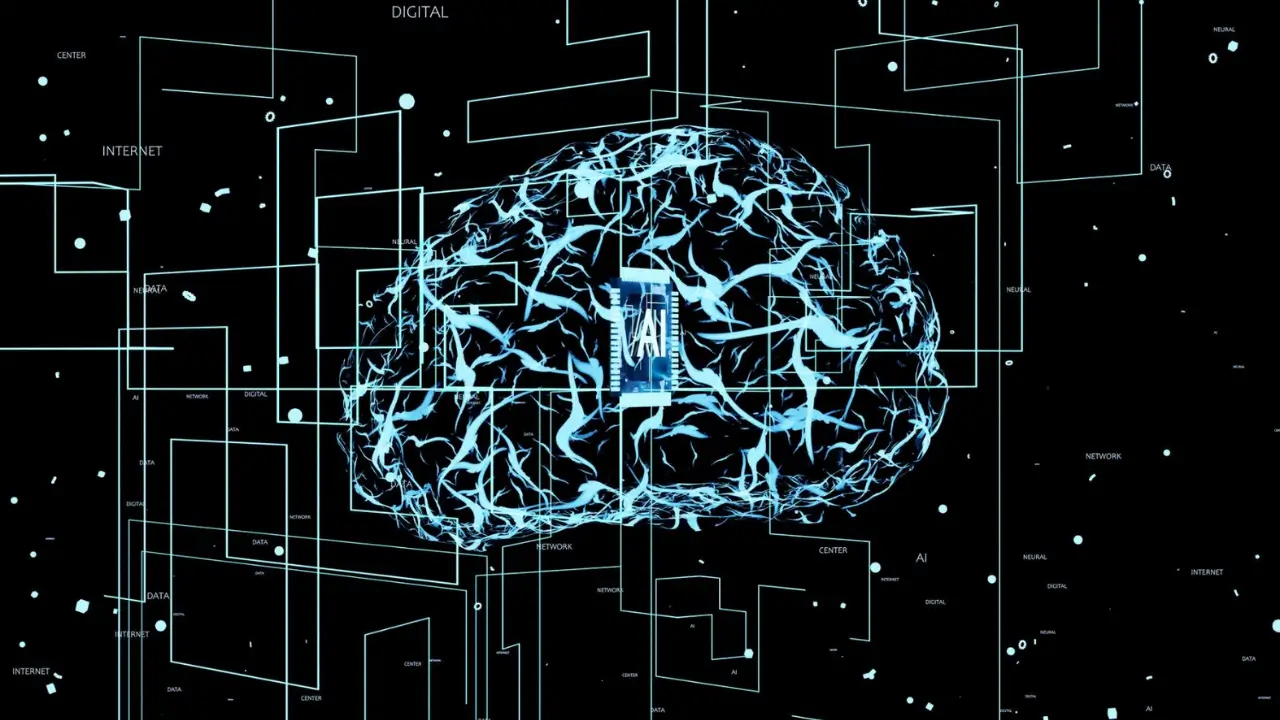
The foundation of this low-power revolution is Spiking Neural Networks (SNNs), a breakthrough form of AI modeled directly on how biological brains process information.
Unlike conventional AI that processes continuous, high-volume data streams, SNNs are sparse and event-based. They only “activate” (or fire a “spike”) when a relevant signal occurs. Innatera’s unique, event-driven architecture delivers:
- Ultra-low power consumption.
- Sub-millisecond response times.
This potent combination enables true always-on intelligence right at the sensor edge, where rapid decision-making and minimal energy draw are non-negotiable requirements.
Together, Innatera and 42T are poised to push neuromorphic computing beyond experimental deployments and establish it as a scalable, practical tool for industrial and consumer product applications, defining the next generation of smart, efficient machines.