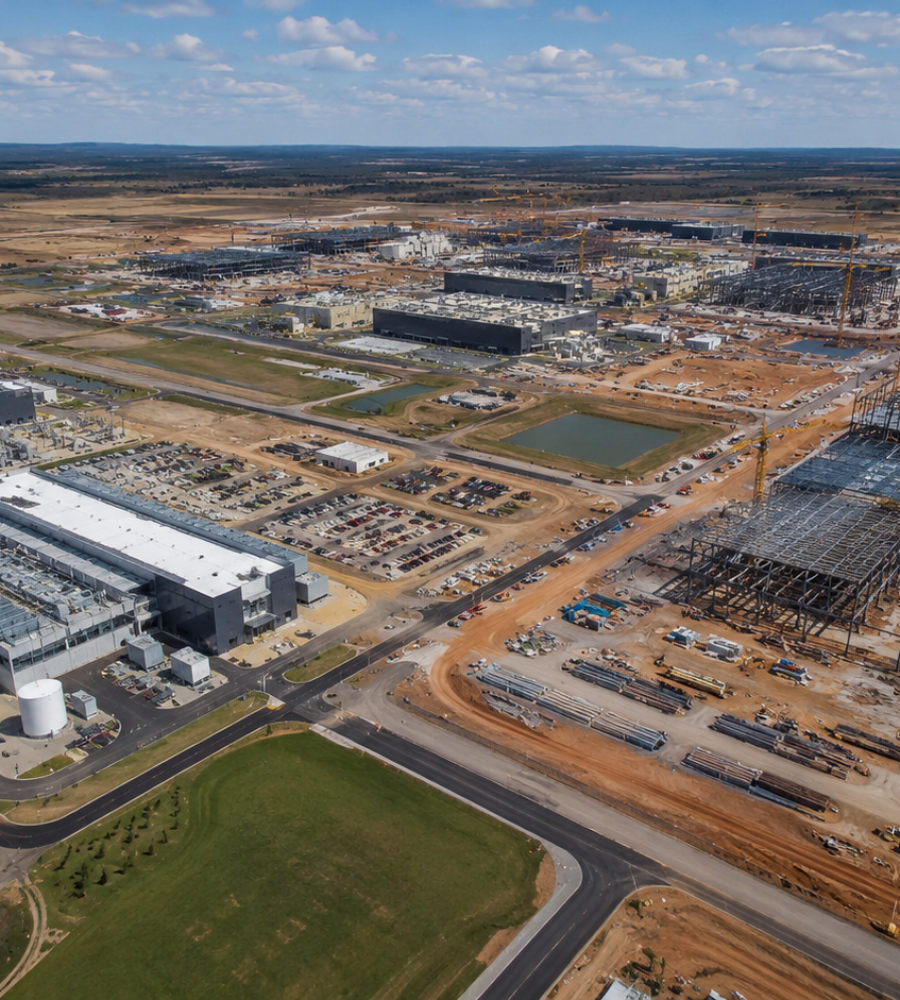
Dirt moved before servers arrive, yet that first movement often signals a technology shift measured in decades. Meta has initiated construction on a 1GW data centre campus in Lebanon, Indiana, placing one of its largest capital bets on American soil. The programme channels more than US$10bn into digital infrastructure and structured community investment. Corporate leadership positions the campus as a response to accelerating AI demand across its platforms. Engineering teams have aligned the design with both advanced AI workloads and core services. Groundbreaking activity therefore represents more than expansion; it reflects architectural recalibration at hyperscale.
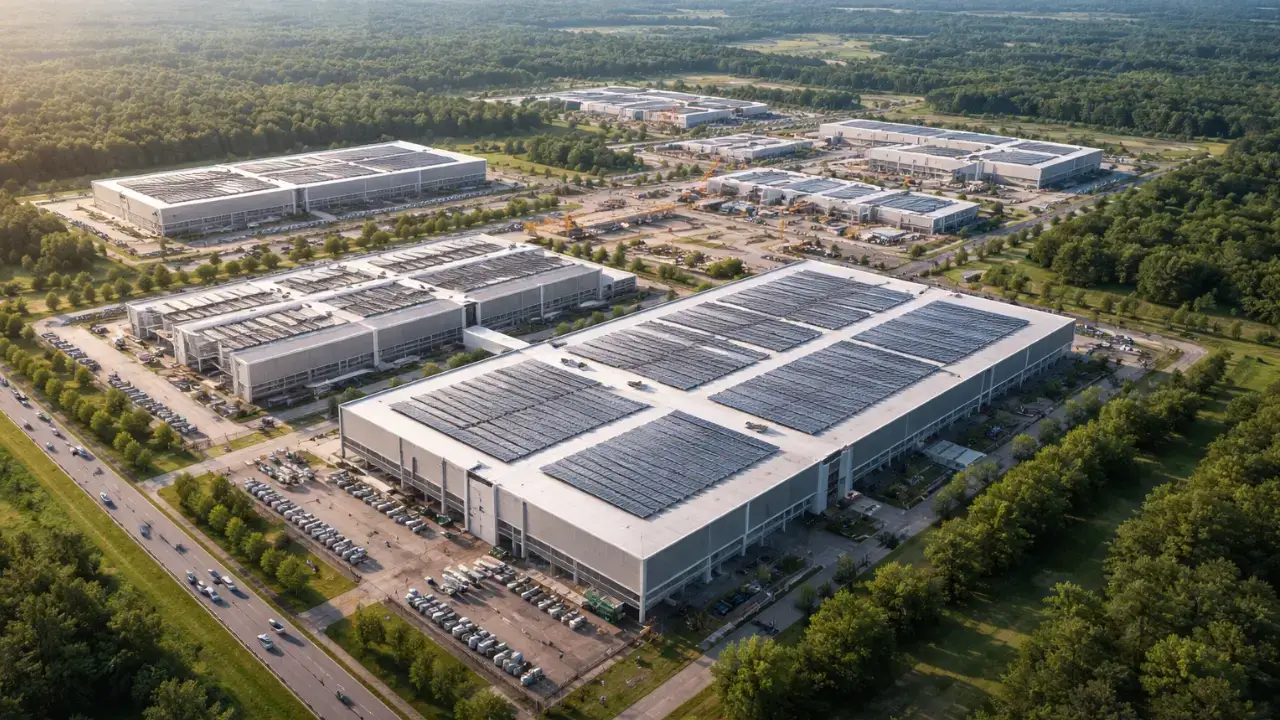
This development marks Meta’s second operational footprint in Indiana and its 27th data centre nationwide. Executives selected Lebanon after evaluating long-term energy planning, network connectivity and regional workforce capacity. The campus model concentrates compute resources into a gigawatt-scale framework capable of sustained growth. Financial commitments extend beyond facility walls and include regional upgrades and public infrastructure support. Capital allocation exceeds US$10bn, making it one of the most substantial single-site investments in the company’s history. Strategic phasing ensures the site can evolve with successive hardware generations.
Strategic Significance for Meta’s AI Roadmap
Rachel Peterson, Vice President of Data Centers at Meta, framed the project as a defining waypoint in the company’s AI infrastructure trajectory. Rachel Peterson highlighted the scale of the campus and its alignment with long-term AI objectives in a public LinkedIn statement. She identified the 1GW plan as among the largest infrastructure undertakings Meta has advanced in the United States. Her remarks linked physical infrastructure directly with the company’s ambition to accelerate AI capabilities. Leadership teams regard the campus as foundational to enabling personal superintelligence systems. Public communication around the project emphasised durable technology investment and measurable community impact.
Peterson further underscored that the gigawatt configuration allows the flexibility required for next-generation AI architectures. Designers integrated provisions for AI training clusters and inference environments within the same operational ecosystem. Platform continuity remains central to site planning, particularly for Meta’s social and messaging products. Infrastructure teams embedded modularity into the blueprint to accommodate growth in model size and computational intensity. Hardware refresh cycles can proceed without disrupting core service delivery. Such structural foresight enables sustained operational agility.
Engineering a Gigawatt-Scale AI Backbone
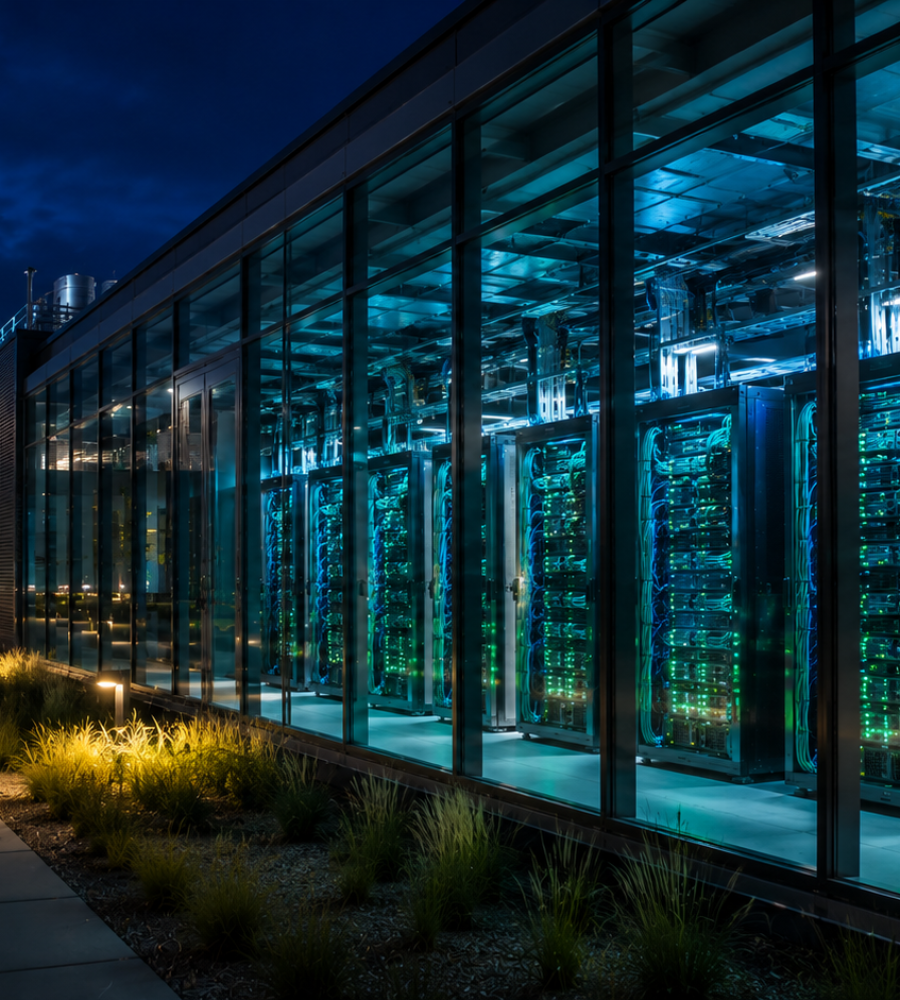
Upon completion, the Lebanon campus will supply up to 1GW of capacity to Meta’s infrastructure estate. Technical planners calibrated the architecture to increase throughput while reducing latency across network pathways. Reliability metrics guided the installation of redundant electrical and cooling systems. Hyperscale operators increasingly view gigawatt campuses as the baseline for AI acceleration, and this site adheres to that benchmark. Centralised deployment improves network efficiency and reduces architectural fragmentation. The campus will anchor AI-driven service delivery across Meta’s global platforms.
As AI models expand in parameter scale and computational complexity, operators must reassess capacity thresholds. Gigawatt campuses now define the upper tier of hyperscale deployment standards. The Lebanon facility will host a balanced portfolio of AI training, inference and core social media workloads. Network fabrics will support high-volume data exchange between compute clusters. Infrastructure specifications anticipate integration of advanced accelerator hardware generations. Long-term scalability remains embedded in every engineering layer of the project.
Gary Demasi, Vice President of Data Center Development & Strategy at Meta, outlined the operational relevance of the campus in public commentary. Gary Demasi characterised the 1GW installation as instrumental in supporting AI-driven products and digital experiences. He connected infrastructure performance directly with service quality and user outcomes. Demasi pointed to cutting-edge technology integration as central to the campus design. Corporate messaging positioned the initiative as both infrastructure advancement and regional economic stimulus. His statement reinforced the dual narrative of innovation and local development.
Economic Impact and Workforce Development
Construction schedules indicate that more than 4,000 jobs will materialise during peak development phases. Once operational, the campus will sustain approximately 300 permanent roles across technical and administrative disciplines. Workforce development grants will strengthen digital literacy and technical training within local schools and nonprofits. Meta will also extend its annual Community Action Grants programme to the region. Educational initiatives will emphasise STEAM pathways aligned with infrastructure and technology careers. The employment strategy integrates talent cultivation with long-term operational planning.
The company has committed to contribute US$1m annually for 20 years to the Boone REMC Community Fund. These contributions will assist families in managing energy bills across the service area. Financial commitments accompany infrastructure expansion to balance economic impact with community support. Leadership coordinated the funding plan alongside energy procurement and demand forecasting strategies. Structured engagement with local stakeholders will guide implementation. Long-duration funding provides predictability for regional assistance programmes.
Aligning Infrastructure Growth with Community Investment
During peak construction, workforce participation will exceed 4,000 individuals representing diverse technical trades. Approximately 300 professionals will oversee operations after commissioning. Meta has initiated a countywide workforce development programme in partnership with the Boone County Career Collaborative. The programme links students across three school districts with employers in construction, utilities and technology sectors. Curriculum pathways will align with regional employment needs. Collaboration between industry and education leaders anchors the initiative.
Beyond workforce initiatives, Meta has allocated more than US$120m toward public infrastructure improvements in Lebanon. Funding includes US$45m for road upgrades that support increased logistical activity around the campus. More than US$75m will address water infrastructure enhancements required for long-term regional resilience. Transmission lines and utility upgrades also form part of the broader investment package. The company states that it pays the full cost of the energy consumed by its data centres. Advance coordination with utilities ensures demand planning does not shift financial burdens onto residents.
Meta also covers the complete cost of water and wastewater services required for site operations. Infrastructure funding therefore extends across transport, utilities and environmental systems. Public improvement allocations accompany direct campus expenditure rather than replace it. Community Action Grants will provide additional funding to schools, nonprofits and civic organisations in Boone County. Structured grantmaking aims to expand digital skills and strengthen educational capacity. Local engagement forms an integrated element of the broader infrastructure strategy.
Clean Energy Integration and Water Stewardship
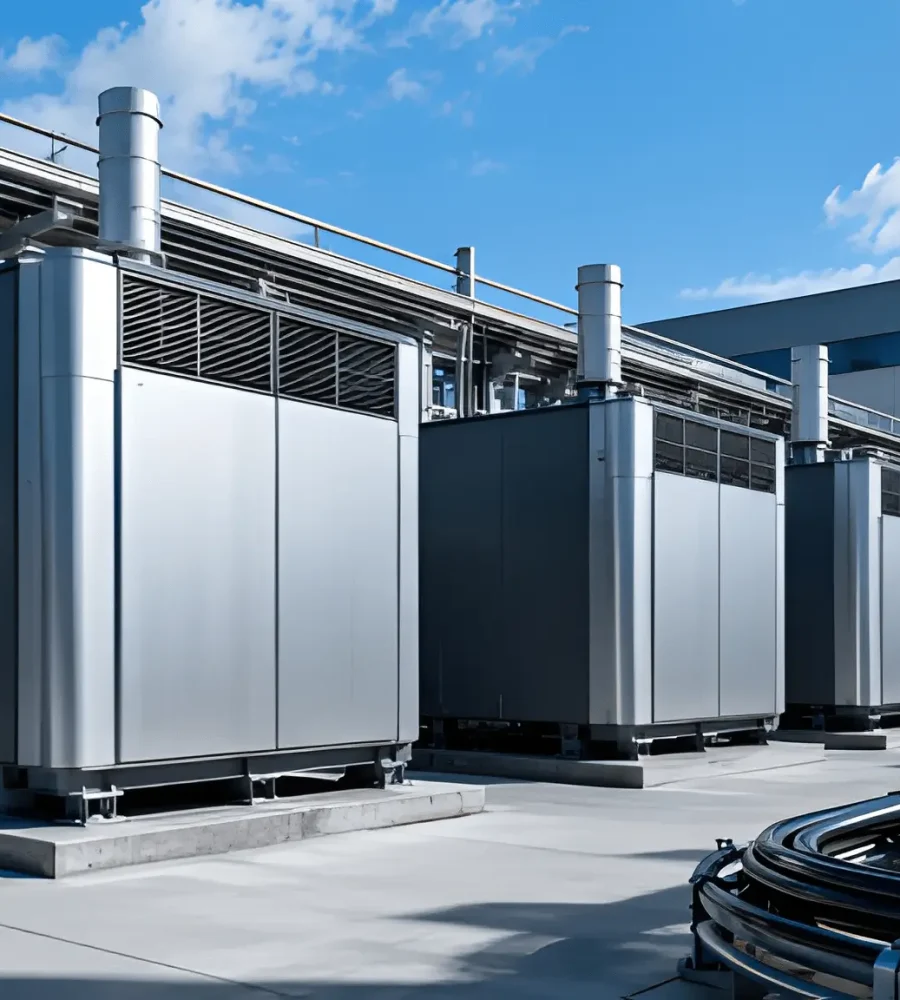
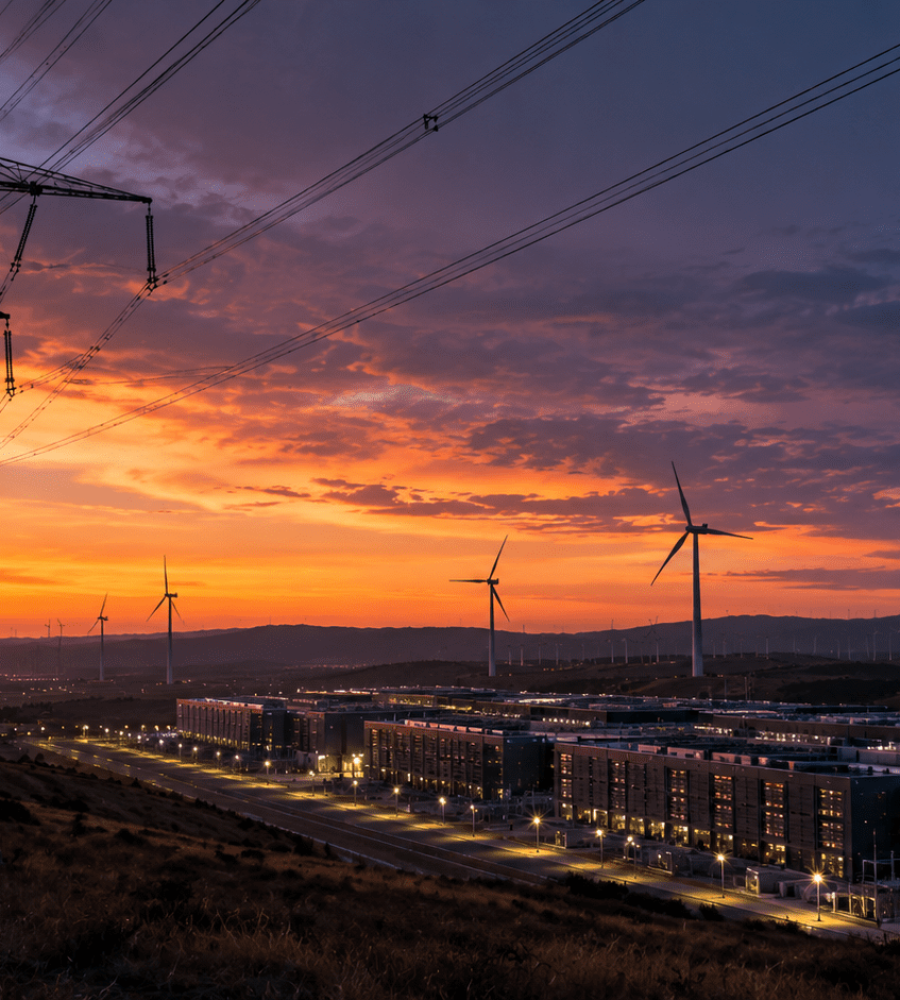
The Lebanon campus will operate with 100% clean and renewable energy matching its consumption profile. Sustainability targets include achieving LEED Gold certification once the facility reaches operational status. Engineers selected a closed-loop liquid cooling system designed to recirculate water efficiently. The configuration uses zero water for the majority of the year under standard operating conditions. Resource optimisation aligns with Meta’s broader environmental commitments. Sustainability planning therefore integrates with core engineering decisions.
The company has pledged to restore 100% of the water consumed at the site back to local watersheds. Environmental partnerships will support measurable conservation outcomes in the surrounding region. Meta has partnered with Arable to deploy irrigation technology for independent farmers in Indiana’s Upper Wabash River Basin. The initiative aims to restore 200 million gallons of water annually for 10 years. Restoration metrics will track cumulative hydrological impact across the basin. Ecological stewardship accompanies infrastructure scale in the project blueprint.
Additional environmental measures include revitalising a section of Deer Creek to enhance wetland habitat and expand vegetation coverage. Habitat restoration efforts will strengthen biodiversity within the project’s regional footprint. Vegetation expansion supports improved watershed stability and ecological resilience. Environmental upgrades form part of the integrated site development plan rather than a peripheral add-on. Construction activity now progresses alongside these parallel sustainability initiatives. The Lebanon campus consequently extends Meta’s portfolio of gigawatt-scale developments engineered to sustain AI workloads and core digital services across its global platform.