Modine Manufacturing has entered a defining phase in its evolution, one that moves beyond incremental diversification and into deliberate specialization aligned with the demands of the digital economy. The appointment of Art Laszlo as president of a newly established data centers division is not simply a leadership change, it is a structural commitment to a market that now dictates the pace of industrial innovation. As data centers increasingly transition from supporting infrastructure to foundational pillars of global compute, companies like Modine are being compelled to rethink how they organize, invest, and scale. This leadership shift signals that Modine is not reacting to market momentum but actively positioning itself within it, ensuring that its capabilities align with where long-term demand is consolidating.
Art Laszlo’s elevation reflects both continuity and strategic intent. Having joined the company in 2022 and progressed through leadership roles culminating in group vice president of global data centers, he brings institutional knowledge at a moment when execution precision becomes critical. His broader experience across industrial giants such as IDEX, General Electric, Mars Incorporated, and General Motors adds an operational lens shaped by scale, efficiency, and disciplined growth. “I am thrilled to announce Art’s promotion to this critical leadership role,” Modine President and CEO Neil Brinker said in a statement on April 14. “Art’s proven leadership and deep focus on providing critical cooling solutions make him the ideal choice to lead this new segment.” The emphasis on “critical cooling solutions” reflects how Modine frames its value, not as a component supplier, but as a key enabler of infrastructure reliability in an increasingly compute-intensive world.
Cooling Becomes Core to Data Center Economics
The rapid evolution of data center workloads has fundamentally redefined the role of thermal management. Cooling is increasingly moving beyond a background function designed to support operations and now sits at the center of performance, efficiency, and scalability. As artificial intelligence, high-performance computing, and hyperscale cloud environments drive unprecedented power densities, the ability to manage heat effectively determines not only uptime but also long-term infrastructure viability. Modine’s pivot acknowledges this shift, recognizing that the economics of data centers increasingly hinge on how efficiently operators can control thermal loads while minimizing energy consumption.
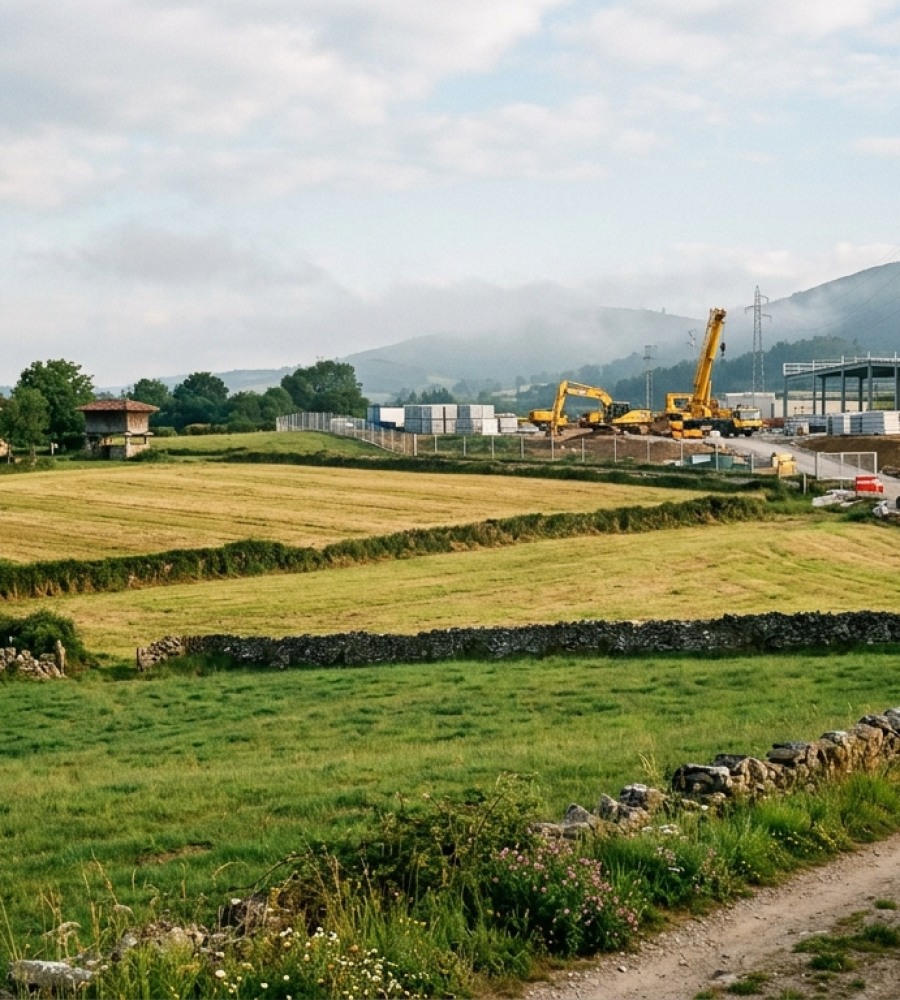
In 2025, Modine committed over $100 million toward expanding its data center capabilities, including the development of a new cooling system manufacturing facility in Franklin, Wisconsin, according to company disclosures. This move was not opportunistic, it was anticipatory, designed to ensure that production capacity keeps pace with demand curves that show no signs of flattening. At the same time, financial performance reinforces the importance of this segment. According to public filings, data center-related revenue grew from just 4% of total net sales in fiscal year 2021 to 25% by fiscal year 2025, while cooling services alone generated more than $640 million in revenue. Consequently, what was once a peripheral business line has become a primary growth engine, reshaping how Modine allocates capital and strategic attention.
From Broad Segments to Focused Execution
The creation of a standalone data centers division represents a decisive move toward organizational clarity and operational focus. Previously housed within the broader Climate Solutions segment, data center cooling lacked the structural independence required to scale at the pace of market demand. By isolating this business into its own division, Modine enables faster decision-making, sharper resource allocation, and a more direct alignment between leadership accountability and market outcomes. This shift reflects a broader trend among industrial companies, where high-growth verticals are separated from legacy operations to unlock their full potential.
“The creation of the global Data Centers segment is a testament to the significant growth and opportunities we see in this market, and I am confident that under Art’s guidance, we will continue to deliver exceptional value to our customers,” Brinker said. This statement underscores the company’s confidence not only in the market opportunity but also in its ability to capture it through focused execution. Moreover, the move signals to investors and stakeholders that Modine is prioritizing long-term growth over short-term diversification, ensuring that its organizational structure mirrors the realities of the markets it serves.
Portfolio Realignment Strengthens Strategic Direction
However, the leadership shift is only one component of a broader transformation. Modine’s decision to spin off its Performance Technologies segment and combine it with Gentherm Incorporated highlights a willingness to realign its portfolio in pursuit of higher growth and stronger margins. This division, which produces air- and liquid-cooled systems for automotive and industrial applications, has underperformed relative to the company’s Climate Solutions segment. Net sales declined by 12% in fiscal year 2025, while Climate Solutions experienced a 30% increase, creating a clear divergence in growth trajectories.
By divesting a lower-performing segment, Modine is not only streamlining its operations but also freeing up resources to invest more aggressively in data centers and adjacent high-growth markets. This move reduces exposure to cyclical industries and allows the company to concentrate on sectors where demand is both expanding and structurally resilient. Additionally, it reinforces a broader strategic narrative: Modine is transitioning from a diversified thermal management company into a specialized provider of solutions that underpin digital infrastructure.
Scaling Capacity for an Expanding Market
The scale of opportunity in data center cooling continues to expand as global demand for compute accelerates. AI workloads, in particular, are driving a new generation of infrastructure requirements, where higher power densities translate into greater thermal challenges. Traditional cooling systems often struggle to meet these demands, creating a gap that companies like Modine are well-positioned to fill. Therefore, capacity expansion becomes not just a growth initiative but a necessity for maintaining competitiveness.
Modine’s investments in manufacturing and infrastructure reflect this reality. The new facility in Franklin, combined with broader capacity enhancements, positions the company to meet increasing demand without compromising delivery timelines or product quality. Furthermore, leadership projections indicate confidence in sustained growth. During a Feb. 5 earnings call, Brinker stated that annual data center revenue is expected to grow between 50% and 70% over the next two years, “comfortably exceeding” Modine’s 2028 target of $2 billion. This level of growth suggests that the company is entering a phase where execution scale will determine its ability to capture market share.
Leadership Depth Meets Execution Demands
Scaling a data center-focused business requires more than strategic vision, it demands operational excellence. Supply chains must remain resilient, manufacturing processes must scale efficiently, and customer expectations must be met with consistency. Art Laszlo’s appointment comes at a time when these factors will define success. His experience across multiple global organizations provides a foundation for managing complexity while maintaining focus on performance and reliability.
Importantly, his familiarity with Modine’s internal operations ensures that the transition into this new structure does not disrupt momentum. He understands the company’s capabilities, its customer base, and the technical requirements of the data center market. This combination of internal insight and external experience reduces execution risk and strengthens Modine’s ability to deliver on its strategic ambitions. Meanwhile, the company’s emphasis on leadership continuity highlights its intent to scale without sacrificing operational discipline.
Positioning Within an Intensifying Competitive Landscape
The data center cooling market is becoming increasingly competitive, attracting both established players and new entrants seeking to capitalize on rapid growth. Innovations in liquid cooling, immersion systems, and hybrid approaches are reshaping how operators manage thermal loads. In this environment, differentiation depends on a company’s ability to combine technological innovation with reliability and scalability.
Modine’s industrial heritage provides a strong foundation, enabling it to leverage decades of expertise in thermal management while adapting to new technological demands. However, competition will continue to intensify, requiring sustained investment in research, development, and customer engagement. The company’s restructuring indicates that it recognizes these challenges and is preparing to address them through focused strategy and execution. Consequently, its ability to maintain relevance will depend on how effectively it integrates innovation into its existing capabilities.
Execution Will Define the Next Phase
Strategic alignment and leadership clarity set the stage for growth, but execution will ultimately determine outcomes. Modine must translate its organizational changes into measurable performance, ensuring that capacity expansion, customer acquisition, and technological advancement move in sync. The data center market rewards companies that can deliver reliability at scale, and any misalignment between strategy and execution can quickly erode competitive advantage.
At the same time, evolving customer expectations around sustainability and energy efficiency add another layer of complexity. Cooling solutions must not only perform effectively but also align with broader environmental goals. Modine’s investments and structural changes suggest readiness to meet these demands, yet the coming years will test its ability to deliver consistently in a high-pressure environment. Therefore, the company’s success will depend on how well it balances growth with operational precision.
Modine’s transformation reflects a broader industrial shift toward infrastructure that increasingly supports the digital economy. Data centers have moved from niche assets to critical components of global growth, shaping how companies allocate resources and define strategy. By creating a dedicated division, appointing focused leadership, and realigning its portfolio, Modine is positioning itself to participate more directly in this transformation.
This leadership shakeup, therefore, represents more than a change in organizational structure, it signals a redefinition of the company’s identity. Modine is no longer simply participating in the data center market; it is restructuring to depend on it as a primary driver of growth. As demand for compute continues to expand, the company’s ability to execute on this strategy will determine its long-term position within an increasingly competitive landscape.