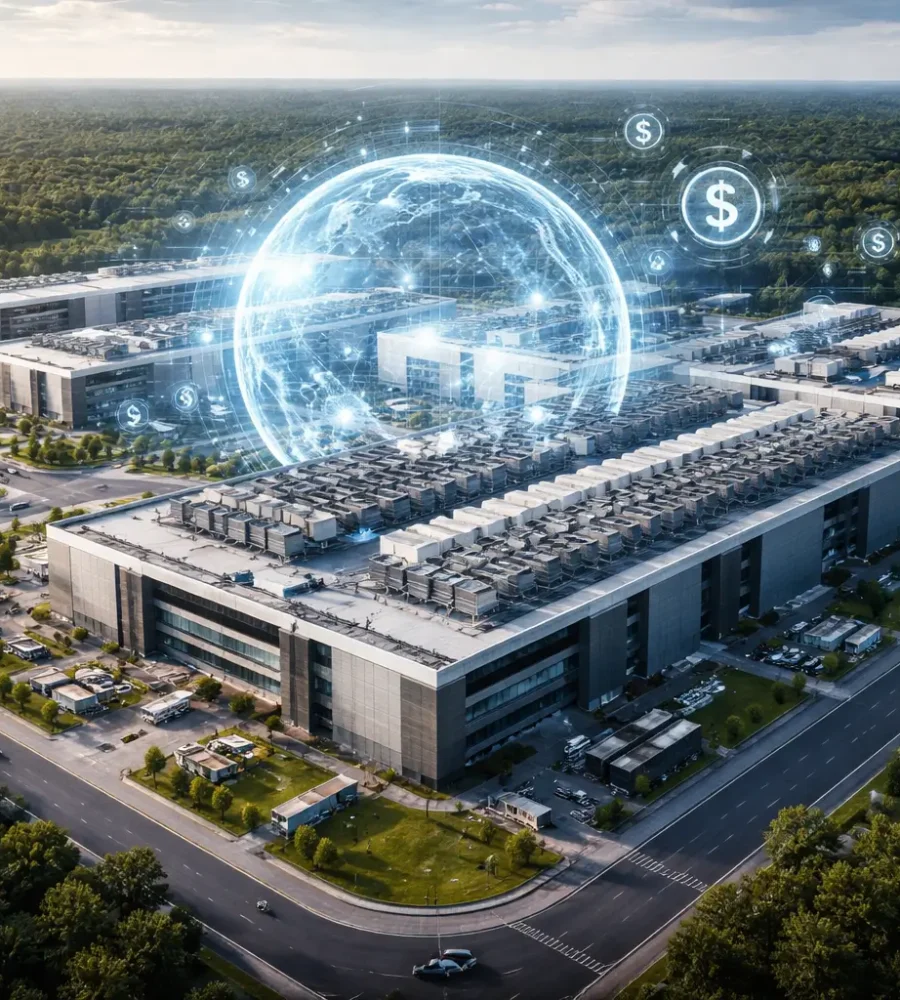
Artificial intelligence is moving beyond centralized cloud hubs and closer to where data is created and used. Increasingly, applications in factories, retail stores, autonomous vehicles, and telecommunications systems demand real-time responses. When data must travel to distant cloud servers for processing, delays occur. These delays affect user experience, safety, and reliability.
To address this challenge, organizations have turned to edge computing as a core infrastructure strategy. By processing AI workloads near their sources, companies reduce latency and improve responsiveness. However, not all edge deployments deliver equal performance. As adoption accelerates, modular data centers are emerging as the structural backbone that enables organizations to deploy edge AI infrastructure quickly, efficiently, and at scale.
For example, the recent strategic partnership between Northstar Enterprise + Defense and Bridgepointe Technologies highlights this shift. The companies position modular data center platforms as foundational infrastructure for enterprise, telecom, and AI markets. Instead of relying on traditional data center construction, which can take years; organizations can manufacture, test, and deploy modular facilities on a repeatable timeline. As a result, they reduce both deployment time and financial risk. This shift reflects a broader transformation in digital infrastructure, where agility and locality drive competitive advantage.
Why Edge Computing Matters for AI
Edge computing places compute resources close to the point of data generation. Rather than funneling every request through centralized cloud servers, organizations process requests locally. Consequently, they enable faster inference, lower bandwidth consumption, and stronger data privacy.
Low latency plays a critical role in many AI applications. In financial systems, fraud detection models must evaluate transactions within milliseconds. Similarly, autonomous systems must respond to sensor inputs in real time. By placing AI compute near users or machines, organizations reduce round-trip delays and deliver deterministic performance.
Moreover, latency improvements support quality-of-service and compliance objectives. Enterprises operating in regulated industries often must keep data within geographic boundaries. Localized processing strengthens data sovereignty and reduces legal exposure. Likewise, telecom operators that deploy AI-driven services, such as network slicing, content delivery, and local analytics, must meet strict service-level agreements. Distributed edge nodes help them meet those requirements more effectively than centralized cloud regions.
That said, edge computing does not eliminate the need for centralized infrastructure. Organizations still rely on core cloud environments for large-scale model training and cross-site orchestration. Therefore, the real challenge lies in deploying sufficient edge infrastructure without incurring the delays and costs of traditional construction.
What Modular Data Centers Bring to the Table
Modular data centers offer a practical answer to this deployment challenge. Manufacturers build these prefabricated infrastructure units in controlled factory environments. Each unit integrates computing, power, cooling, and connectivity into a ready-to-deploy system.
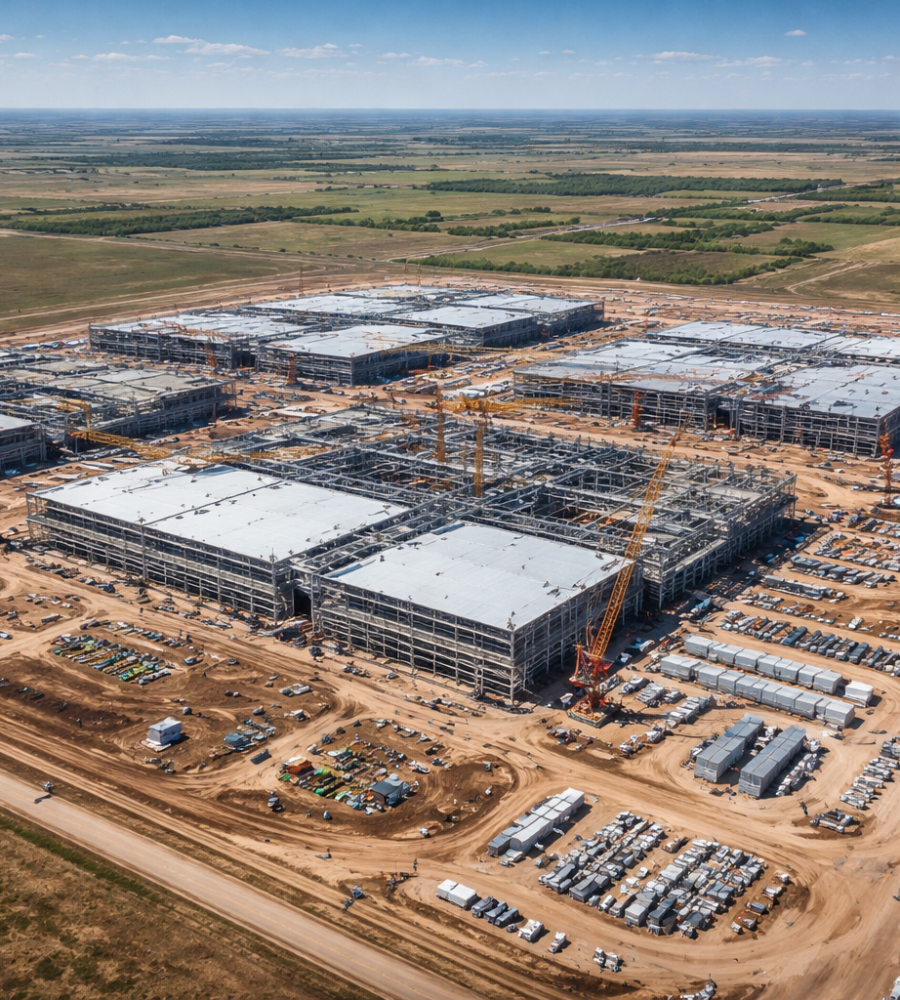
Because teams assemble the modules off-site, organizations reduce onsite labor and minimize construction waste. More importantly, factory production ensures consistent quality. Once delivered, crews can commission these systems within weeks or months, far faster than the multi-year timelines typical of conventional facilities.
In addition, modular designs provide scalable growth. Organizations can begin with a small footprint and add modules as demand increases. This approach aligns capital investment with business growth and prevents overbuilding.
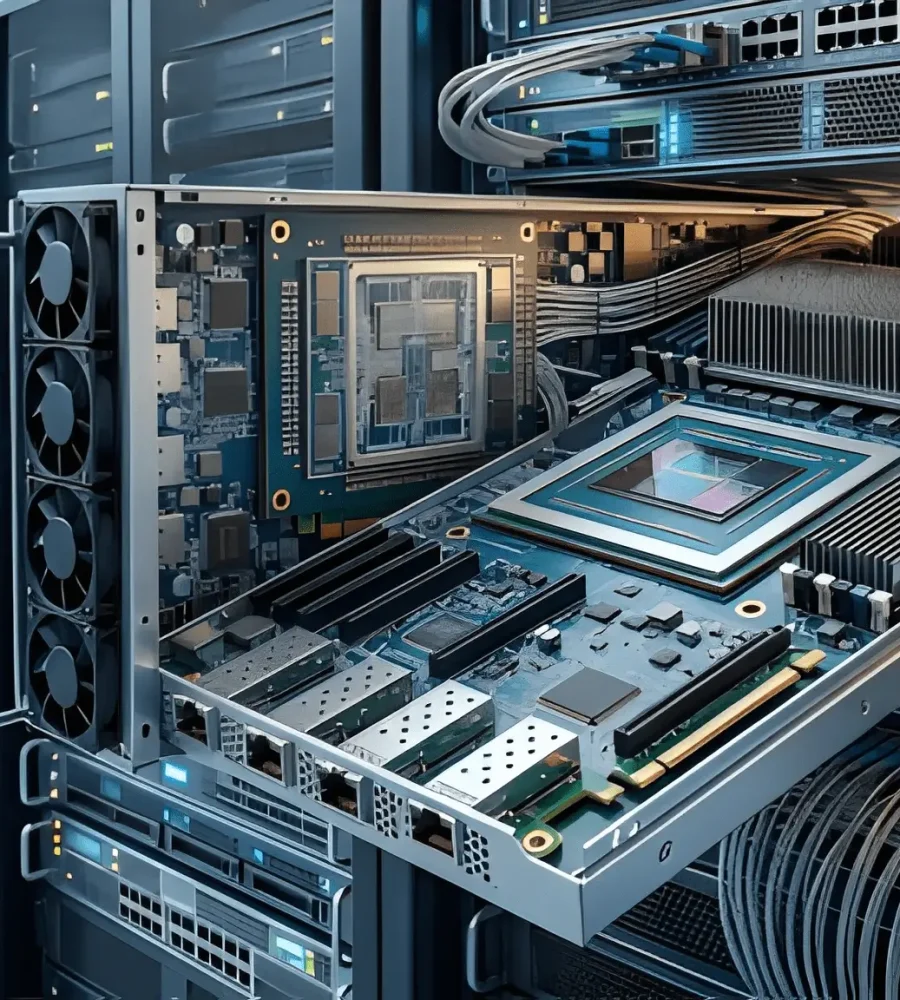
At the same time, modular units support workload-specific customization. AI inference workloads require high-density compute and advanced cooling. Engineers can design modern modular systems to support GPUs, NPUs, or custom silicon. They can also integrate specialized power distribution and high-performance network fabrics. As a result, organizations can tailor infrastructure to demanding edge use cases without sacrificing deployment speed.
Compared with early containerized concepts, today’s modular data centers support production-grade workloads. They meet reliability and performance standards comparable to traditional facilities. Therefore, enterprises can treat them as long-term infrastructure, not temporary stopgaps.
Operational and Business Benefits for AI at the Edge
Perhaps most importantly, modular data centers accelerate time to value. Many organizations struggle with slow, traditional builds. Prefabrication eliminates numerous onsite tasks and reduces dependence on local labor, permitting timelines, and weather conditions. Consequently, AI teams can launch services faster.
Furthermore, modular deployments enhance resilience. Distributed edge nodes allow organizations to maintain local operations even when connectivity to central clouds degrades. In sectors such as healthcare, manufacturing, and retail, this resilience protects business continuity.
Manufacturers also design modern modular units with ruggedized materials and climate-resistant enclosures. These features enable reliable operation in remote or extreme environments. Additionally, many solutions incorporate monitoring and predictive maintenance capabilities. By detecting issues early, organizations increase uptime and lower operational risk.
From an economic perspective, modular designs improve cost predictability. Repeatable production reduces unexpected capital expenses. Standardized components also simplify energy forecasting and sustainability planning. As energy efficiency becomes a strategic priority, this predictability becomes increasingly valuable.
Integration Challenges and Considerations
Despite these advantages, modular edge deployments introduce integration challenges. Edge sites vary widely. Telecom points of presence, industrial campuses, and retail properties each present distinct networking and power conditions. Therefore, organizations must implement strong automation and orchestration tools to ensure consistent security and connectivity.
In addition, teams must manage workloads across both edge nodes and centralized cloud environments. Orchestration frameworks need to handle load balancing, failover, and data synchronization seamlessly. Without careful coordination, service disruptions and data inconsistencies can occur. For this reason, enterprises prioritize unified management platforms that extend from core cloud to edge.
Regulatory and site-readiness factors also complicate deployments. Permitting rules, power availability, and physical security requirements differ by region. Organizations must adapt modular designs to local conditions while maintaining compliance and performance standards. As interoperability standards evolve, proactive planning becomes essential to avoid delays.
Future Trends Shaping Modular Edge Infrastructure
Looking ahead, modular data centers will evolve alongside AI and edge computing demands. Designers will likely create more specialized configurations. For instance, compact inference pods may handle real-time decision-making at the far edge. Meanwhile, larger regional clusters may support near-edge training and analytics. Together, these tiers will form a distributed compute fabric aligned with application needs.
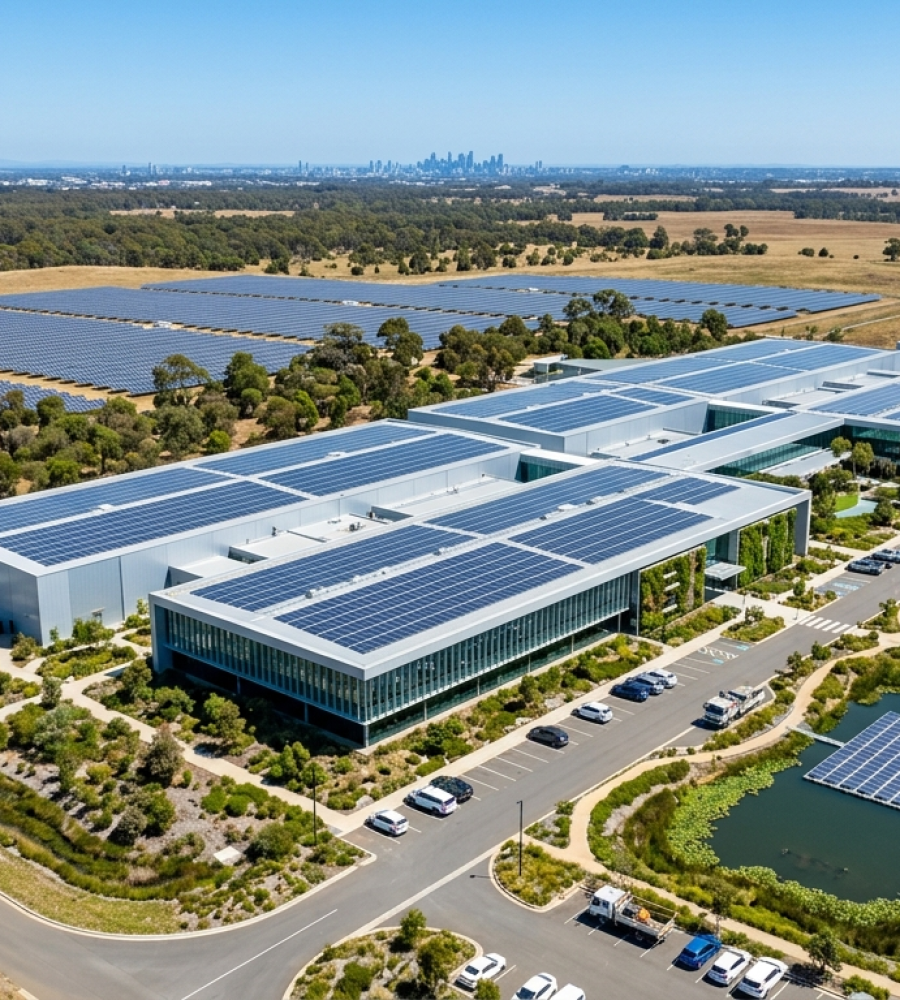
Energy sustainability will also play a larger role. By integrating renewable energy, battery storage, and efficient cooling systems, operators can reduce environmental impact and improve resilience in areas with unstable grids. Advances in lightweight materials will further reduce embodied emissions and transportation costs.
Finally, automation will become indispensable. AI-assisted management tools can monitor performance, allocate resources dynamically, and predict maintenance requirements. As edge networks expand, automation will determine whether operators can maintain performance while controlling costs.
Modular Data Centers as a Key Piece of the Edge Puzzle
AI at the edge demands a new approach to infrastructure. Traditional centralized models struggle to deliver the latency, responsiveness, and scalability modern applications require. In contrast, modular data centers provide rapid deployment, flexible scaling, and workload-specific customization.
By placing compute precisely where it delivers the most value, organizations can support real-time workloads with predictable cost and performance. Although integration and regulatory challenges remain, modular infrastructure has matured into a viable foundation for distributed AI.
Ultimately, as real-time intelligence becomes a competitive differentiator, modular data centers will move to strategic necessity, for, they help bridge the gap between centralized clouds and the distributed AI future.