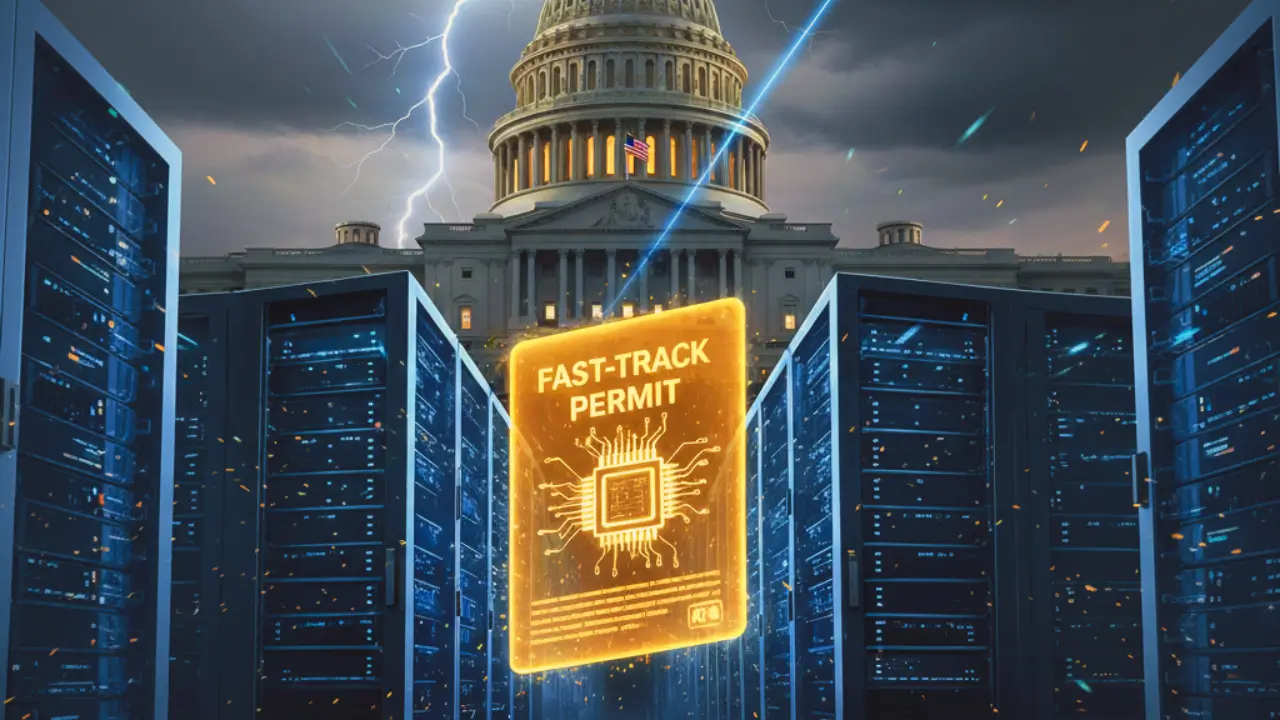
The U.S. House of Representatives has moved to accelerate the buildout of artificial intelligence infrastructure, passing legislation designed to speed up federal permitting for AI-related projects. The measure, known as the SPEED Act, cleared the chamber in a narrow 221-196 vote after surviving a conservative revolt that nearly derailed it during a procedural showdown earlier in the week.
The bill now shifts to the Senate, where it is expected to be folded into a broader and politically fraught debate over permitting reform, an issue that has frustrated lawmakers from both parties but remains deeply divisive in practice.
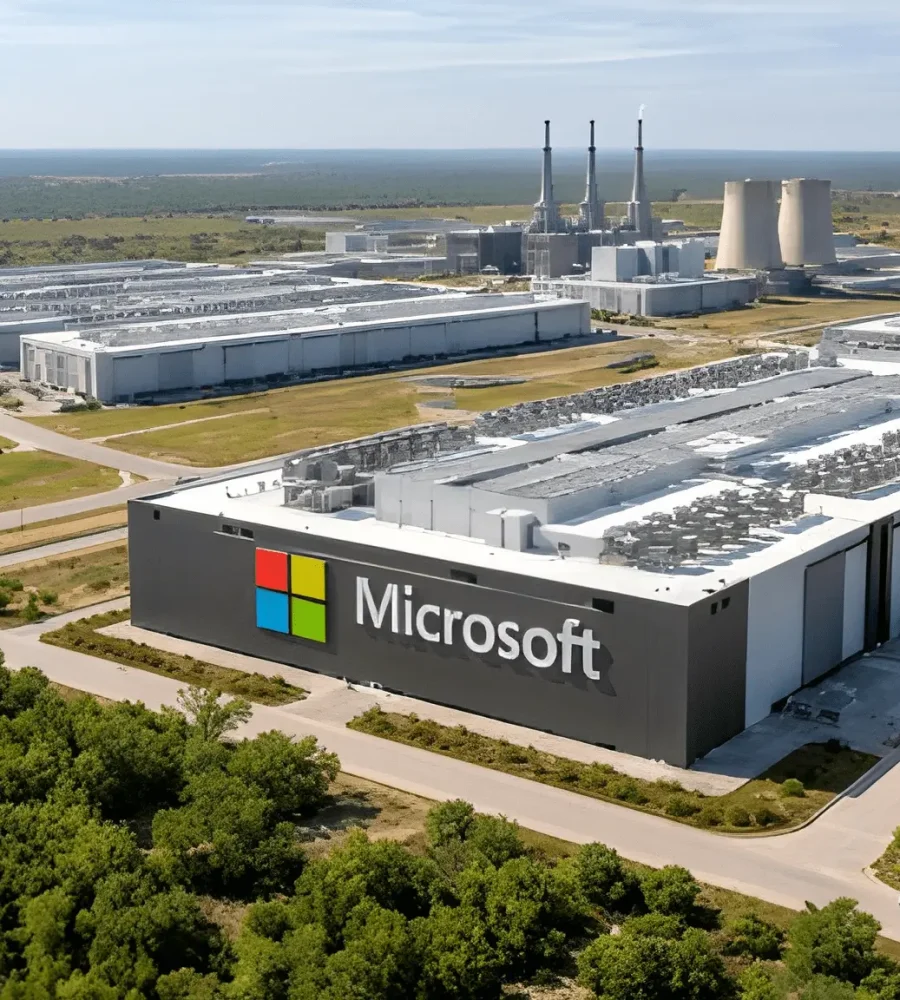
Backed by major technology and semiconductor players including OpenAI, Micron, and Microsoft, the SPEED Act reflects growing concern in Washington that regulatory delays could slow the United States in a rapidly intensifying global race to scale AI. Supporters argue that without faster approvals for data centers, transmission lines, and related infrastructure, the country risks falling behind rivals such as China.
At the core of the legislation is a rewrite of key provisions in the National Environmental Policy Act (NEPA), the landmark 1969 law that governs federal environmental reviews. The SPEED Act would impose tighter deadlines on those reviews and significantly reduce the window for legal challenges, cutting the statute of limitations for NEPA lawsuits from six years to just 150 days.
Representative Bruce Westerman of Arkansas, a Republican and chair of the House Natural Resources Committee, sponsored the bill and framed the issue in national security terms. The electricity required to support AI computing, both civilian and military, has become a strategic necessity, he argued, and delays in permitting now represent a critical vulnerability.
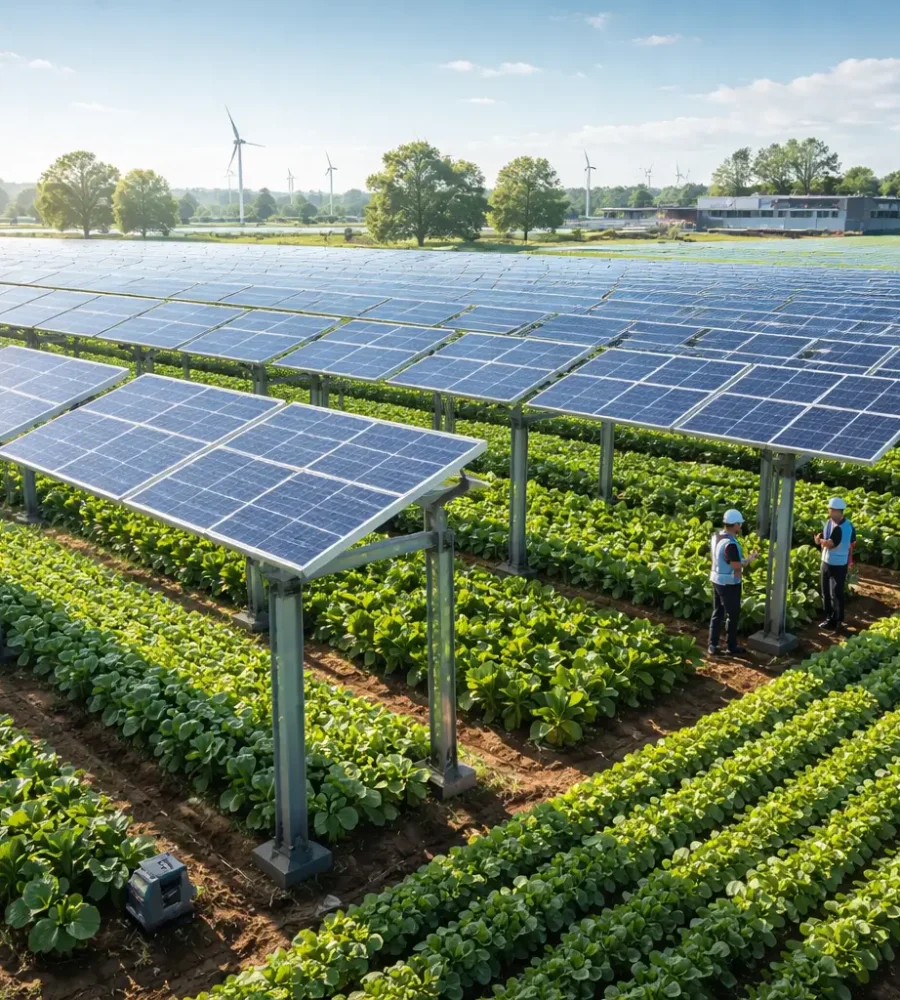
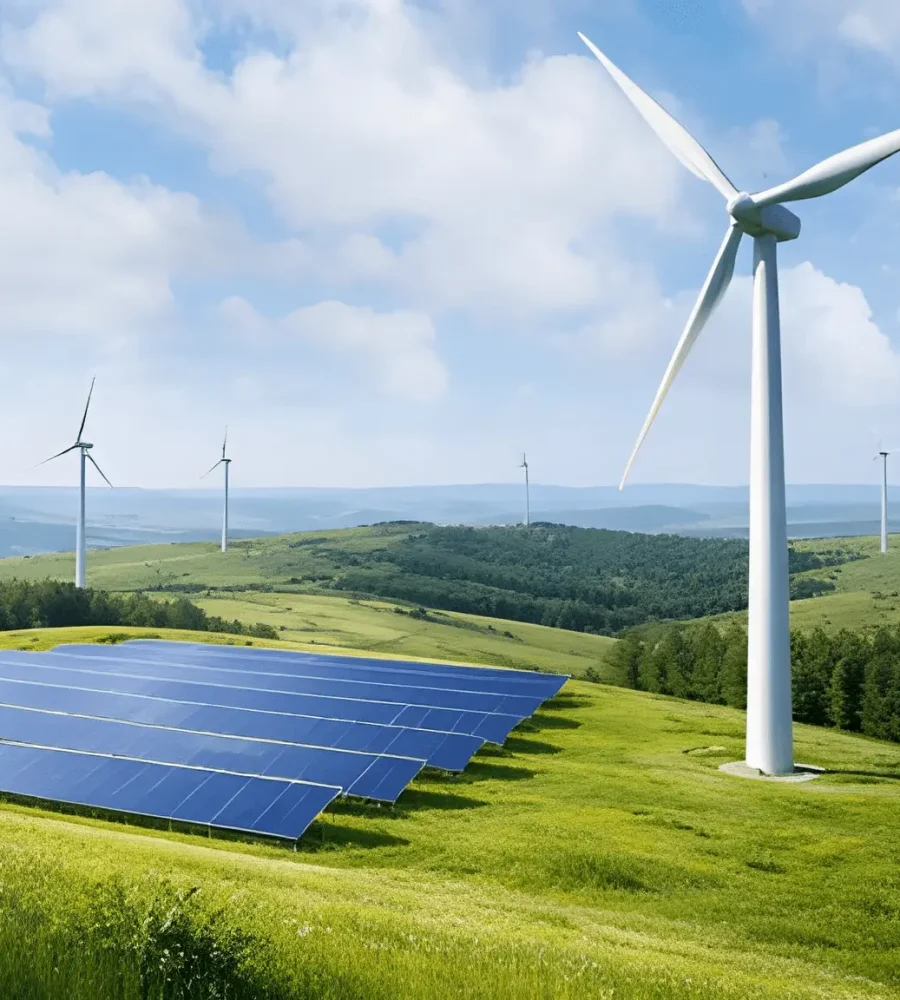
Momentum for permitting reform has been building in recent years, particularly as clean energy projects championed by Democrats have stalled amid lengthy approval processes. That pressure has intensified as AI has emerged as a power-hungry growth sector, with large data centers placing increasing strain on the U.S. electric grid.
Despite these concerns, the SPEED Act exposed sharp political fault lines. While the bill has a Democratic cosponsor, Representative Jared Golden of Maine, who said the legislation would help the U.S. remain “nimble enough to build what we need, when we need it”, most Democrats ultimately voted against it.
Their opposition hardened after Republican leadership added language exempting actions taken by President Donald Trump to restrict renewable energy projects from provisions that would otherwise limit the White House’s authority to revoke permits. The change came during tense floor negotiations, as conservatives hostile to renewable energy withheld support unless concessions were made.
For many Democrats, the amendment crossed a red line. They argued that any meaningful permitting reform should roll back Trump-era efforts that constrained renewables such as offshore wind, not shield them.
Representative Scott Peters of California, who supports permitting reform in principle but opposed the SPEED Act, criticized the revised bill for locking in what he described as a dysfunctional system. He warned that the added language undermines the broader goal of creating a fair and predictable permitting framework.
Peters said he hopes the Senate will revisit the issue and produce a bipartisan alternative capable of becoming law, an outcome that remains uncertain as AI infrastructure, energy policy, and environmental regulation collide on Capitol Hill.
As the SPEED Act heads to the upper chamber, it underscores a growing reality in U.S. policymaking: the race to scale artificial intelligence is no longer just about algorithms and chips, but about electricity, land use, and how quickly the government is willing to clear the path for the infrastructure behind the AI boom.