Geography as the Silent Driver of Cooling Narratives
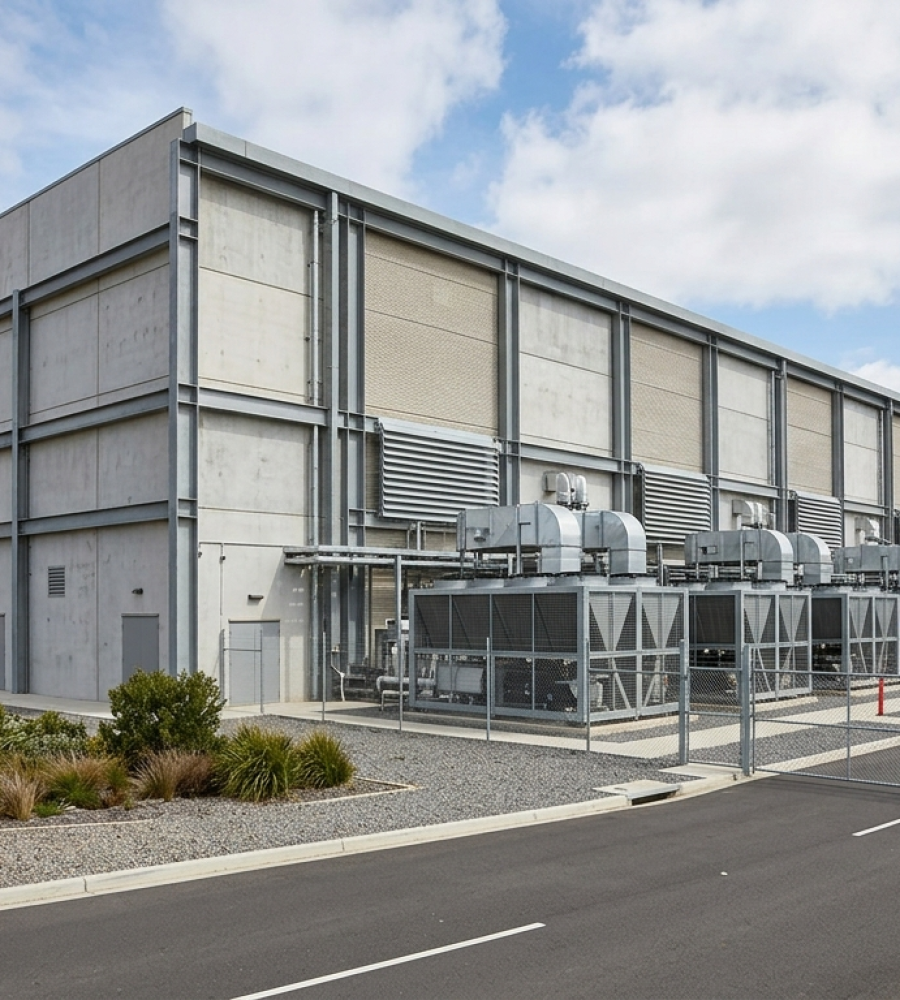
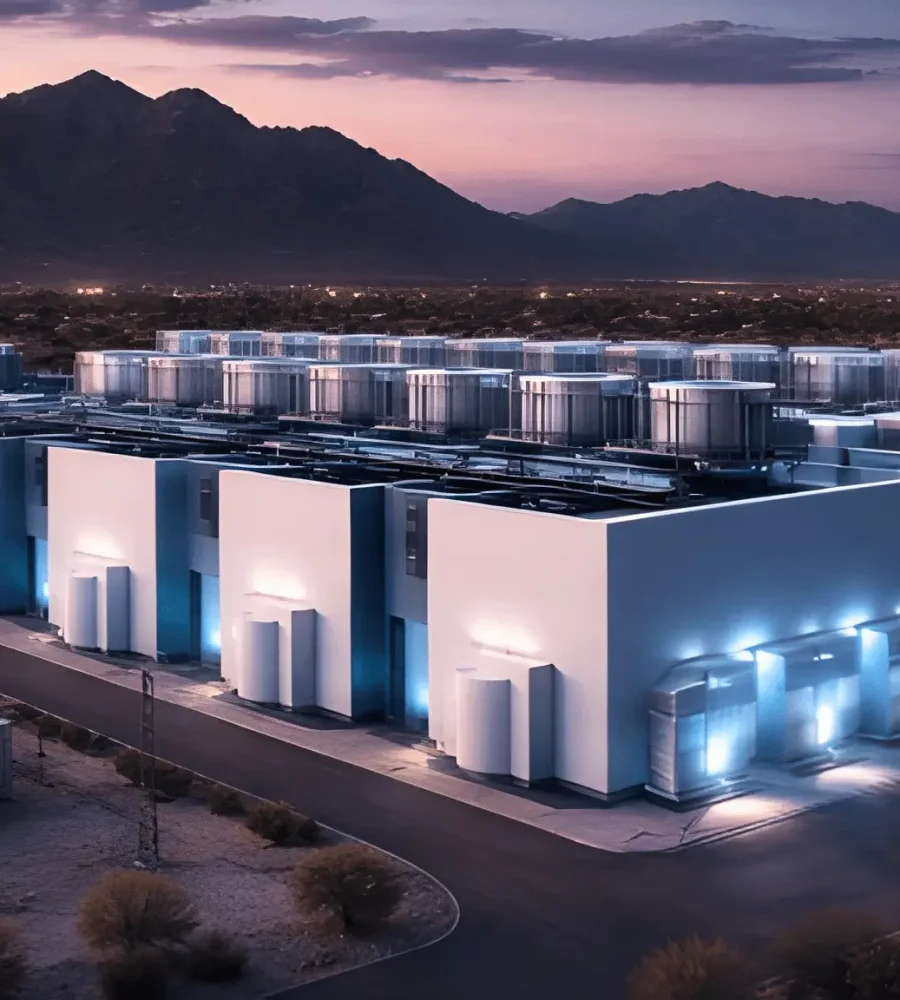
The story often opens with heat. Server halls hum, processors flare, and cooling choices step quietly into the background, framed as technical footnotes rather than defining actors. Yet cooling choices and the geography bias in water reporting now sit at the center of a global conversation that stretches far beyond engineering diagrams. From arid plains hosting hyperscale campuses to temperate coastal regions marketing climate advantage, the way water use is discussed reveals as much about geography as it does about technology. The framing rarely begins with water itself. Instead, it begins with location, climate, and perception, setting the tone for how sustainability narratives travel across borders.
Cooling choices do not emerge from a single policy memo or industry roadmap. They surface through patterns of disclosure, selective emphasis, and regional storytelling. In some regions, water becomes a headline risk. Elsewhere, it fades into abstraction, treated as an abundant background resource. The disparity shapes investor understanding, public trust, and regulatory focus, while also influencing which cooling systems gain legitimacy in the global imagination.
The discussion follows how location shapes reporting norms, why certain cooling technologies attract scrutiny in specific regions, and how water narratives differ between Global North and Global South contexts. Throughout, attention remains fixed on present conditions, documented practices, and observable trends, without drifting into speculation or advocacy.
When Cooling Choices Meet Geography in Water Narratives
Cooling choices and the geography bias in water reporting intersect most visibly where climate stress collides with digital expansion. Regions experiencing water scarcity often see heightened scrutiny of evaporative cooling systems, even when such systems represent a fraction of local withdrawals. Media coverage in these areas frequently foregrounds water use intensity, while similar systems operating in water-rich regions pass with minimal notice.
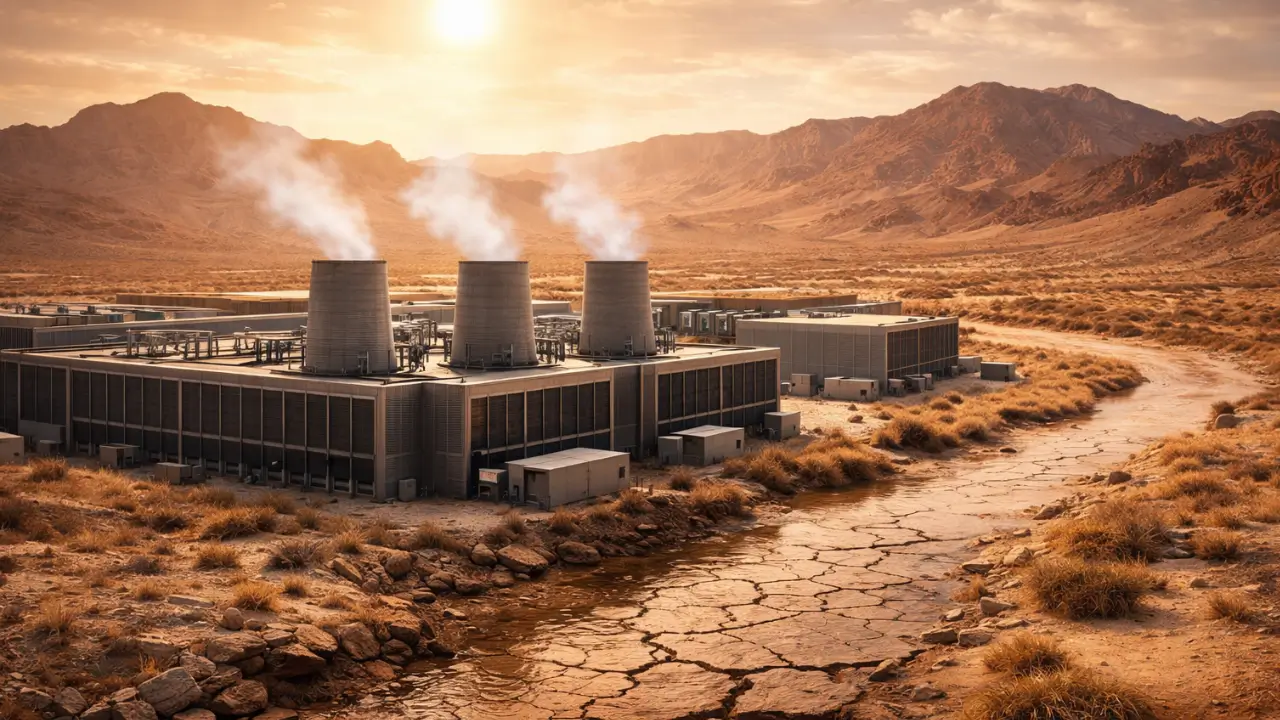
Geography shapes not only hydrology but also narrative priority. A data center in a drought-prone basin becomes a symbol, while an identical facility in a cooler, wetter zone is framed as routine infrastructure. This choice thus reflects a storytelling asymmetry rooted in place. The same technology carries different reputational weight depending on latitude, rainfall patterns, and historical water politics.
This divergence matters because cooling systems do not operate in isolation. They integrate with local grids, municipal water systems, and regional planning frameworks. Yet reporting often strips away that context, presenting water use as a standalone metric detached from broader consumption patterns. Cooling choices and the geography bias in water reporting thrive in that simplification, where nuance gives way to shorthand.
Regional Climates and the Selective Lens of Water Reporting
Hotter regions rely more heavily on water-assisted cooling to maintain thermal stability, while cooler climates leverage air-side economization. Reporting tends to follow these climatic lines, casting water-based cooling as an environmental burden in warm regions while celebrating free cooling strategies elsewhere.
This selective lens obscures trade-offs. Air-based systems often demand higher energy inputs during peak temperatures, shifting environmental impact from water to power generation. Water-based systems, by contrast, can reduce energy strain while increasing localized water use. These trade-offs are seldom examined together, resulting in a fragmented understanding of how decisions and context intersect.
Climate also influences regulatory scrutiny. Jurisdictions facing chronic water stress often impose disclosure requirements focused narrowly on water metrics. Regions with abundant water emphasize carbon intensity instead. Cooling choices and the geography bias in water reporting therefore mirror regulatory priorities, reinforcing regional silos in sustainability discourse.
Cooling Choices and the Geography Bias in Water Reporting Across Continents
Across continents, reporting patterns take on distinct contours shaped by location, infrastructure and narrative emphasis. North American reporting frequently centers on water use effectiveness, especially in western states grappling with prolonged drought. European narratives often integrate water into broader environmental performance frameworks, diluting its standalone prominence. In parts of Asia, rapid digitalization shifts focus toward capacity expansion, with water considerations emerging unevenly.
These differences do not imply neglect or intent. They reflect varying stages of infrastructure maturity and public awareness. Cooling choices and the geography bias in water reporting emerge as byproducts of national priorities, where water competes with energy security, economic growth, and digital sovereignty for attention.
The result is a patchwork of narratives. A reader scanning global coverage encounters conflicting impressions: water as crisis, water as manageable input, or water as secondary concern. That fragmentation allows these narratives to persist, quietly shaping perception without any deliberate coordination.
Local context anchors water stories, yet cooling choices and the geography bias in water reporting often flatten that context for broader audiences. Municipal water authorities may collaborate closely with operators, balancing industrial demand with residential needs. Such arrangements rarely surface in national or international reporting, which favors conflict-driven framing.
In regions where data centers cluster near existing industrial zones, water use blends into established consumption patterns. Reporting tends to overlook these continuities, isolating digital infrastructure as a new strain. Cooling choices and the geography bias in water reporting thus amplify novelty while downplaying historical baselines.
Community engagement also shapes narratives. Where operators disclose water strategies proactively, coverage often adopts a measured tone. In areas lacking transparent communication, speculation fills gaps. Narratives often shift based on what information is accessible, not solely on the scale or nature of the actual impact.
Cooling Technologies and Uneven Attention in Water Discourse
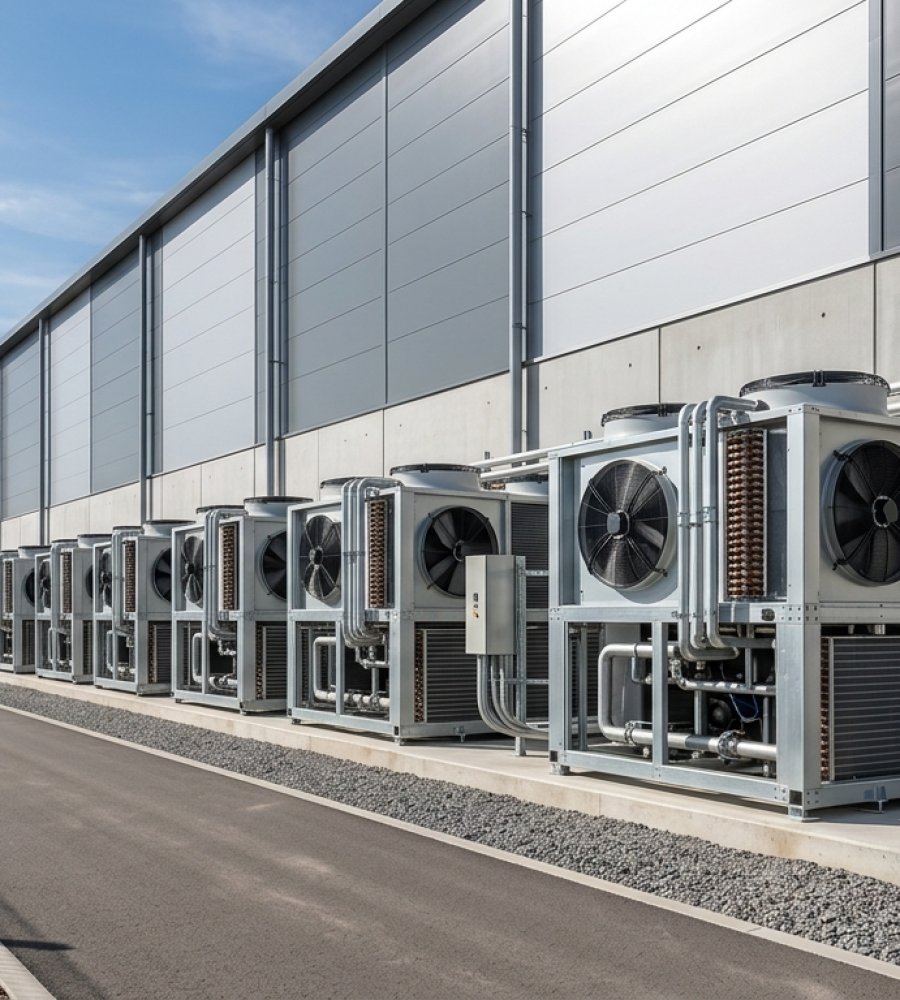
Evaporative cooling attracts disproportionate focus due to its visible water interaction, while liquid cooling systems receive less scrutiny despite emerging adoption. Air cooling, often perceived as water-neutral, escapes attention even when energy-water trade-offs exist upstream.
This uneven attention shapes investment signals. Technologies framed as water-intensive face reputational hurdles in certain regions, regardless of efficiency gains. This dynamic indirectly shapes technology adoption, as design decisions are guided more by perception than by measured performance.
Liquid cooling complicates the picture. As deployments grow, reporting struggles to classify its water implications consistently. Some narratives emphasize reduced energy demand, while others question indirect water use through supply chains. Cooling choices and the geography bias in water reporting adapt slowly to such shifts, lagging behind technological evolution.
The Role of Metrics in Geography-Driven Water Reporting
Metrics anchor credibility, yet cooling choices and the geography bias in water reporting often hinge on selective interpretation. Water use effectiveness provides a standardized lens, but its contextual meaning varies by region. A similar metric value can signal efficiency in one basin and strain in another.
Reporting frequently omits these distinctions. Numbers appear without hydrological context, inviting misinterpretation. Cooling choices and the geography bias in water reporting benefit from that omission, allowing geography to fill explanatory gaps implicitly rather than explicitly.
The absence of basin-level framing reinforces disparities. Regions with abundant water rarely contextualize low water stress, while stressed regions foreground scarcity. This dynamic reflects not only what is measured but also how those measurements are framed and communicated.
Media Framing and Place-Based Bias in Water Coverage
Media ecosystems amplify geography-driven narratives. Local outlets prioritize community impact, while global publications seek thematic resonance. Cooling choices and the geography bias in water reporting bridge these scales unevenly, with local nuance often lost in aggregation.
Headlines simplify. Water-intensive cooling becomes shorthand for environmental risk, while climate-adaptive strategies receive less attention. These choices thrive in headline culture, where complexity competes with brevity.
Journalistic constraints play a role. Limited access to technical detail encourages reliance on familiar frames. Geography provides an accessible hook, anchoring abstract infrastructure stories in tangible place-based concerns. Cooling choices and the geography bias in water reporting thus align with media logic as much as with environmental reality.
Investor Perspectives Shaped by Geographic Water Narratives
Investor scrutiny increasingly tracks sustainability signals, and cooling choices and the geography bias in water reporting influence risk perception. Assets in water-stressed regions attract heightened due diligence, while similar facilities elsewhere face fewer questions. Geography acts as a proxy for water risk, sometimes oversimplifying operational resilience.
Disclosure practices reinforce this dynamic. Operators emphasize water stewardship in stressed regions, while focusing on energy metrics in others. It became embedded in investor briefings, shaping capital allocation subtly yet persistently.
This pattern does not imply misrepresentation. It reflects audience expectation. Investors ask region-specific questions, and reporting responds accordingly. This process repeats through interconnected loops linking place, reporting, and how impacts are perceived.
Regulatory Frameworks and Regional Water Emphasis
Regulation codifies priorities, and cooling choices and the geography bias in water reporting follow suit. Water-scarce jurisdictions mandate detailed reporting, elevating water in public discourse. Water-abundant regions impose lighter requirements, reducing visibility.
These frameworks influence narrative balance. Compliance-driven disclosures become source material for reporting, reinforcing regional emphasis. Cooling choices and the geography bias in water reporting therefore align with regulatory geography rather than technological impact alone.
Harmonization efforts remain limited. International standards address water broadly, but local implementation varies.
Development Pressures and Water Reporting in Emerging Markets
In the Global South, cooling choices and the geography bias in water reporting intersect with development narratives. Rapid digital infrastructure growth competes with longstanding water access challenges. Reporting often frames data centers as external pressures, despite their integration into national digital strategies.
Water narratives in these regions carry social weight. Access inequities heighten sensitivity to industrial use. Ethical considerations surface in these narratives, despite technical details aligning closely with other contexts.
Coverage varies widely. Some markets emphasize economic opportunity, relegating water concerns to secondary status. Others foreground water as a constraint on growth. These patterns mirror national debates and resist being reduced to a single, uniform characterization.
Technology Marketing and Geographic Water Framing
Marketing narratives adapt to geography, reinforcing reporting patterns. In water-stressed regions, cooling technologies are positioned as water-efficient solutions. In cooler climates, energy optimization takes center stage. Such tailored framing carries through the coverage, shaping interpretation.
This alignment blurs boundaries between reporting and promotion. Journalistic accounts sometimes adopt industry language, especially when access depends on corporate briefings. As a result, these narratives circulate through media and marketing channels, shaping a shared vocabulary and framing.
The effect remains subtle. No single narrative dominates, but cumulative emphasis guides perception. Geography determines which attributes receive amplification, reinforcing bias without explicit intent.
Historical Patterns Behind Today’s Water Reporting Bias
Historical perspective reveals continuity. Early data center reporting focused on power, with water emerging later as climate awareness grew. Geography influenced that shift, as drought events drew attention to water-intensive systems. This dynamic evolved alongside public concern.
Present coverage reflects accumulated framing. Regions once highlighted for water stress continue to attract scrutiny, even as technologies adapt. The persistence reflects narrative momentum, where historical framing shapes contemporary interpretation.
Change occurs incrementally. As cooling technologies diversify, reporting slowly adjusts. Yet geography remains a primary lens, anchoring interpretation despite technical nuance.
Toward More Contextual Water Reporting Without Uniformity
Calls for balanced reporting often surface, but cooling choices and the geography bias in water reporting resist simple correction. Geography matters. Water availability differs, and narratives reflect lived realities. Eliminating bias does not mean erasing place-based concern.
Contextualization offers a path forward. Reporting that situates cooling choices within local water systems, historical use patterns, and regulatory frameworks reduces distortion. Uniform metrics alone cannot resolve narrative imbalance. Interpretation must accompany measurement. The balance between narrative framing and data access ultimately shapes how these issues are understood.
Present-Day Cooling Choices and Regional Water Focus
Today, cooling choices and the geography bias in water reporting shape how digital infrastructure is understood globally. They influence public trust, investment confidence, and policy focus. Geography frames water narratives, while cooling technologies serve as proxies for broader environmental concern.
The conversation remains dynamic. Climate variability, technological change, and regulatory evolution continue to reshape emphasis. This dynamic adjusts over time, reflecting how place, perception, and performance remain in constant negotiation.
As digital infrastructure expands, water narratives will follow. Geography will continue to matter, but the depth of reporting will determine whether understanding keeps pace with complexity. These forces continue to shape how the digital age is understood in relation to the planet’s ecological boundaries.
Disclosure Practices That Reinforce Geographic Water Emphasis
Disclosure frameworks increasingly influence how cooling choices and the geography bias in water reporting manifest across regions. Sustainability reports, regulatory filings, and voluntary transparency platforms shape what becomes visible to the public record. Geography determines emphasis long before narratives reach journalists or analysts. Facilities operating in water-stressed basins disclose granular water strategies because regulators, communities, and investors expect that focus. Similar facilities in hydrologically stable regions prioritize different disclosures, even when cooling architectures remain comparable.
This divergence creates asymmetry in available information. Analysts reviewing disclosures encounter dense water narratives from certain regions and sparse references elsewhere. The groundwork is laid during disclosure, before interpretation enters the picture.The imbalance does not reflect concealment. Instead, it reflects localized expectations embedded in governance structures.
Over time, disclosure habits harden into norms. Regions accustomed to water-focused reporting continue that emphasis, while others normalize its absence. The framing perpetuates itself, maintained by default practices rather than purposeful design.
Supply Chains, Virtual Water, and Geographic Blind Spots
Discussion on these issues seldom moves past individual sites to consider broader system-level implications.. Yet cooling technologies depend on global supply chains carrying embedded water use. Manufacturing of cooling equipment, treatment chemicals, and construction materials consumes water far from deployment sites. Reporting seldom traces these flows, reinforcing a narrow geographic lens.
This omission matters because geography shifts impact upstream. A data center located in a water-rich region may rely on components produced in water-stressed areas. Scrutiny gravitates toward apparent withdrawals, leaving distributed consumption largely unexamined.
Expanding the frame complicates narratives. Virtual water concepts challenge simple geographic attribution, but they also demand analytical rigor that mainstream reporting rarely accommodates.
Public Interpretation of Cooling and Regional Water Stress
Public understanding mirrors reporting patterns. Communities in water-stressed regions often associate data centers with water competition, regardless of proportional impact. In other regions, awareness remains low, shaped by limited coverage. These dynamics shape how social license is granted or withheld, varying markedly from one location to another.
Perception affects dialogue. Where water narratives dominate, operators engage in extensive outreach. Where water remains peripheral, engagement focuses elsewhere. Cooling choices and the geography bias in water reporting shape not only what is reported but how stakeholders interact.
Social media amplifies these dynamics. Local concerns gain global visibility, while quieter contexts remain unnoticed. The trend intensifies on digital platforms, where complex geographic context is reduced to shareable fragments.
Research, Academia, and Geographic Framing of Cooling Impacts
Academic research informs reporting, yet geography influences research agendas as well. Studies often focus on regions experiencing visible stress, generating data that feeds narratives. Coverage patterns echo the areas receiving the most academic scrutiny.
This focus does not indicate neglect elsewhere. Funding priorities, access to data, and policy relevance guide research location. This pattern mirrors trends in academic geography, where heightened visibility of issues tends to draw greater scholarly attention.
As research expands, comparative studies may reduce imbalance. Cross-regional analyses contextualize cooling impacts more evenly. Cooling choices and the geography bias in water reporting could evolve alongside such work, integrating broader perspectives.
Climate Variability Challenging Established Water Assumptions
Climate variability introduces uncertainty into established narratives. Regions once considered water-stable face episodic stress, while others experience shifting patterns. Cooling choices and the geography bias in water reporting respond unevenly to these changes.
Reporting often lags climatic reality. Legacy perceptions persist, framing regions according to historical norms rather than emerging conditions. The approach can misalign coverage with how water systems actually function today.
Adaptive reporting requires temporal sensitivity. Narratives anchored in outdated assumptions obscure evolving risk. Cooling choices and the geography bias in water reporting remain challenged by the pace of environmental change.
Toward Nuanced Understanding Without Diluting Geography
Geography will continue to shape water narratives. Eliminating the pattern would come at the cost of critical contextual understanding. The challenge lies in balance rather than uniformity.
Nuance emerges through layered storytelling. Reporting that situates cooling technologies within local water systems, regulatory frameworks, and supply chains reduces distortion. Cooling choices and the geography bias in water reporting diminish when complexity replaces simplification.
This approach demands resources. Time, expertise, and access shape reporting depth. The issue continues largely because careful nuance requires greater investment in explanation and context.
Climate Variability Challenging Established Water Assumptions
Viewed structurally, cooling choices and the geography bias in water reporting arise from intersecting systems. Climate, regulation, media logic, and market expectations converge, shaping narrative contours. No single actor controls the outcome.
Understanding this structure reframes critique. Bias does not stem from intent but from alignment of incentives. This pattern shows how systems elevate certain signals while marginalizing others.
Recognizing structure opens space for incremental change. Adjusting disclosure norms, expanding research scope, and enriching media context gradually recalibrate narratives. Cooling choices and the geography bias in water reporting evolve through accumulation rather than rupture.
Structural Forces Behind Geography-Led Water Reporting
At present, cooling choices and the geography bias in water reporting stand at a crossroads. Digital infrastructure expansion continues, climate stress intensifies, and public scrutiny grows. Narratives adapt under pressure.
Water reporting grows more prominent, yet remains uneven. Geography still anchors interpretation, but awareness of bias increases. Industry forums now address these themes directly, replacing long-standing assumptions with scrutiny.
This moment invites attentiveness. How stories are told now will shape future understanding. Cooling choices and the geography bias in water reporting influence not only perception but policy trajectories.
Where Cooling Choices and Water Narratives Are Heading
Looking ahead, cooling choices and the geography bias in water reporting will remain intertwined with broader sustainability discourse. As cooling technologies diversify and climate conditions shift, narratives must adapt without losing grounding.
Balanced reporting does not require flattening differences. It requires situating them. Accuracy can be maintained when emphasis is guided by context rather than by isolated focus.
The digital economy depends on trust. Transparent, geographically informed water narratives support that trust. Cooling choices and the geography bias in water reporting thus hold significance beyond technical debate, shaping how infrastructure aligns with environmental reality.