Europe is gearing up for a major escalation in its AI infrastructure ambitions. The new collaboration between the European Investment Bank (EIB) Group and the European Commission marks one of the bloc’s most ambitious attempts yet to close the gap between its AI aspirations and the hardware required to achieve them.
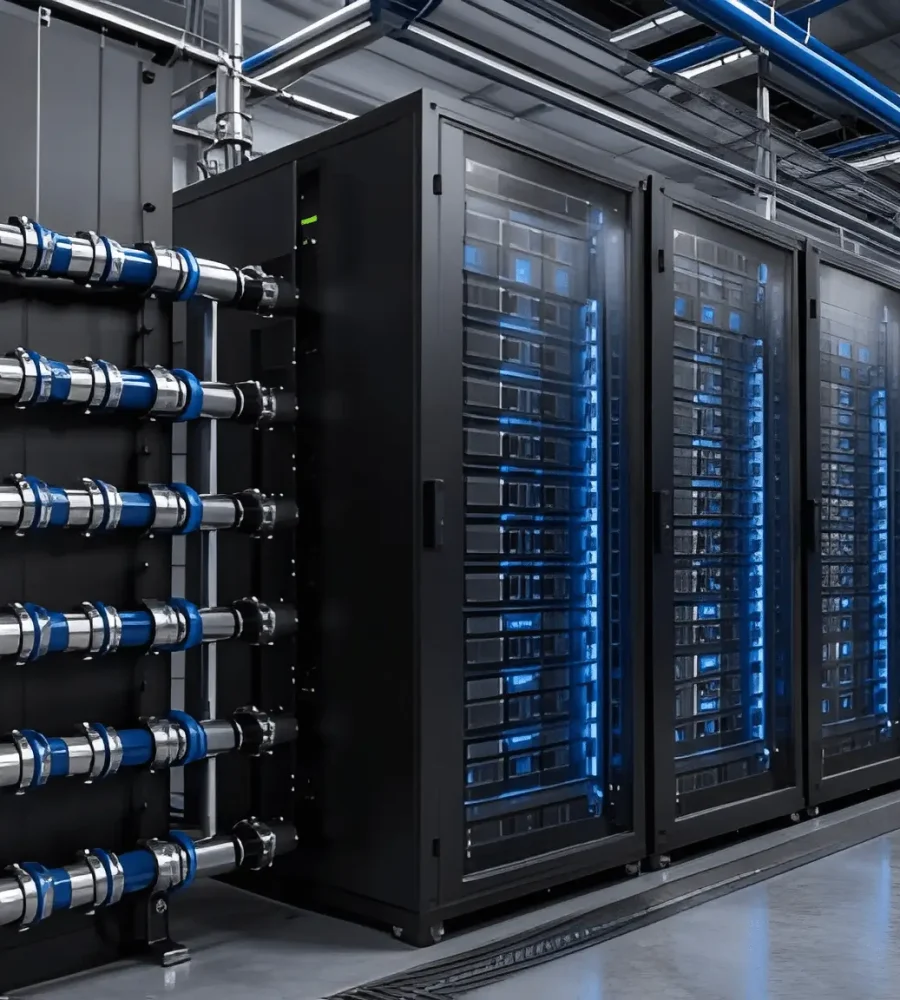
Through a fresh Memorandum of Understanding, the two institutions are aligning financial firepower behind a plan to develop up to five AI gigafactories across the EU. These facilities aren’t incremental upgrades to today’s data centres; they’re compute-scale projects designed to host around 100,000 of the most advanced AI chips each, roughly four times the size of current AI factory deployments. Their purpose is explicit: enable Europe to train very large, frontier AI models in fields such as medicine, cleantech and space, instead of relying on overseas hyperscalers.
For EIB Group President Nadia Calviño, the message is that Europe already has the talent and research strength; what it lacks is compute at the scale required for modern AI. The gigafactory initiative is meant to change that equation by delivering high-throughput training and inference capacity inside Europe’s borders. And this isn’t starting from scratch; 19 smaller AI factories are already being built under the EuroHPC Joint Undertaking. The gigafactories represent the next rung of ambition.
The funding pathway is equally significant. Earlier this year, the Commission committed €20 billion through the InvestAI initiative to get the first five gigafactories off the ground. The EIB Group will now explore how to layer loans on top of those grants, using blended finance to catalyse private capital and reduce early-stage risk. The intent is clear: build a durable, multi-year financing pipeline for AI infrastructure, not a one-off programme.
European Commission Executive Vice-President Henna Virkkunen framed the effort as a core pillar of tech sovereignty, a way to ensure European researchers and companies can train the “very large” models needed to remain globally competitive. In her words, Europe intends to become an “AI continent,” not simply an AI customer.
Behind the scenes, the MoU lays out several operational mechanisms to make these projects investable. The InvestEU Advisory Hub will help shape proposals, improve bankability and guide projects from concept to financial close. It’s an approach consistent with the EIB Group’s broader TechEU programme, a €250 billion mobilisation effort running through 2027, with the EIB Group itself committing €70 billion over the period to high-risk innovation and enabling infrastructure.
This push for gigafactories also fits the EIB Group’s wider mandate. In 2024 alone, the Group delivered €89 billion in financing across more than 900 projects, with climate action, digitalisation, social infrastructure and cohesion taking centre stage. Nearly 60% of the Group’s annual financing already supports climate-related goals, a relevant link, given the energy intensity of next-gen AI computation.