Watching TCS secure $1 billion from TPG for its $2 billion “HyperVault” project, it’s clear that India’s AI ambitions are colliding with the limits of existing infrastructure. Building gigawatt-scale data centers is no small task, but the need has never been more urgent as AI compute demands surge.
The scale of this investment signals how urgently India is responding to the massive gap between its data generation and current compute capacity. While India accounts for nearly 20% of the world’s data, it holds just around 1.5 gigawatts of data center capacity, a number that needs to expand more than sixfold by 2030 to keep pace with demand.
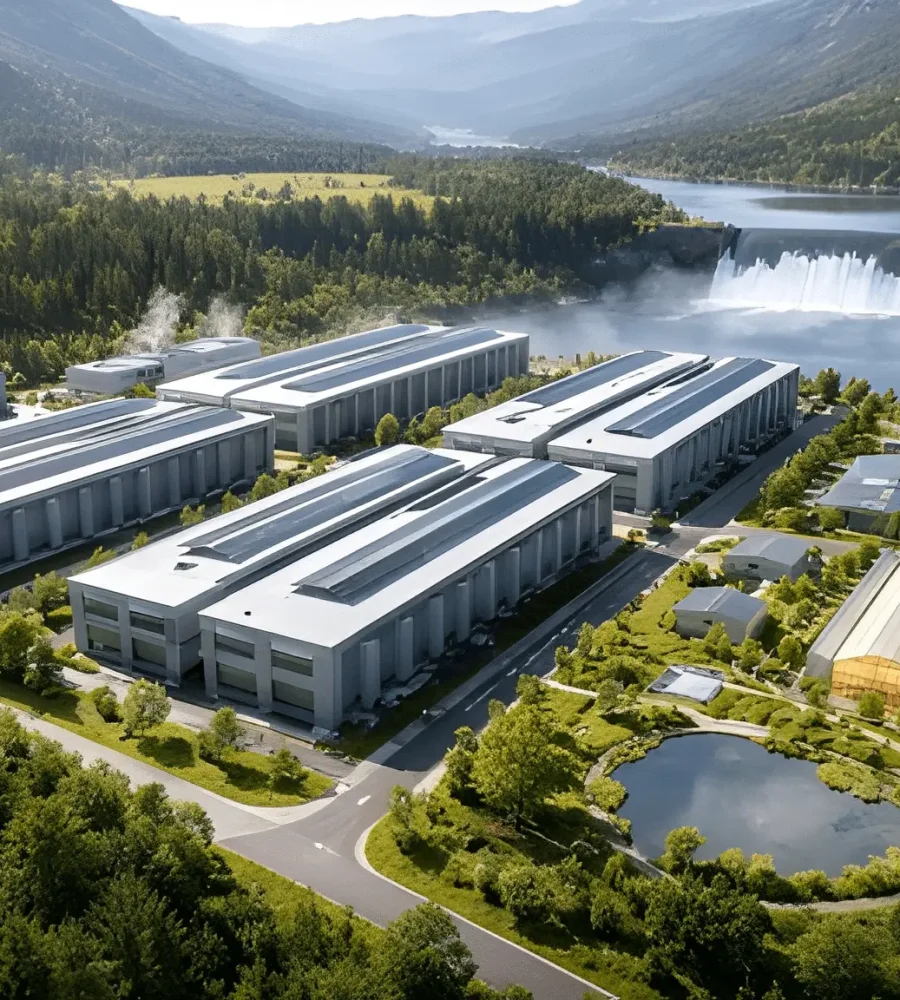
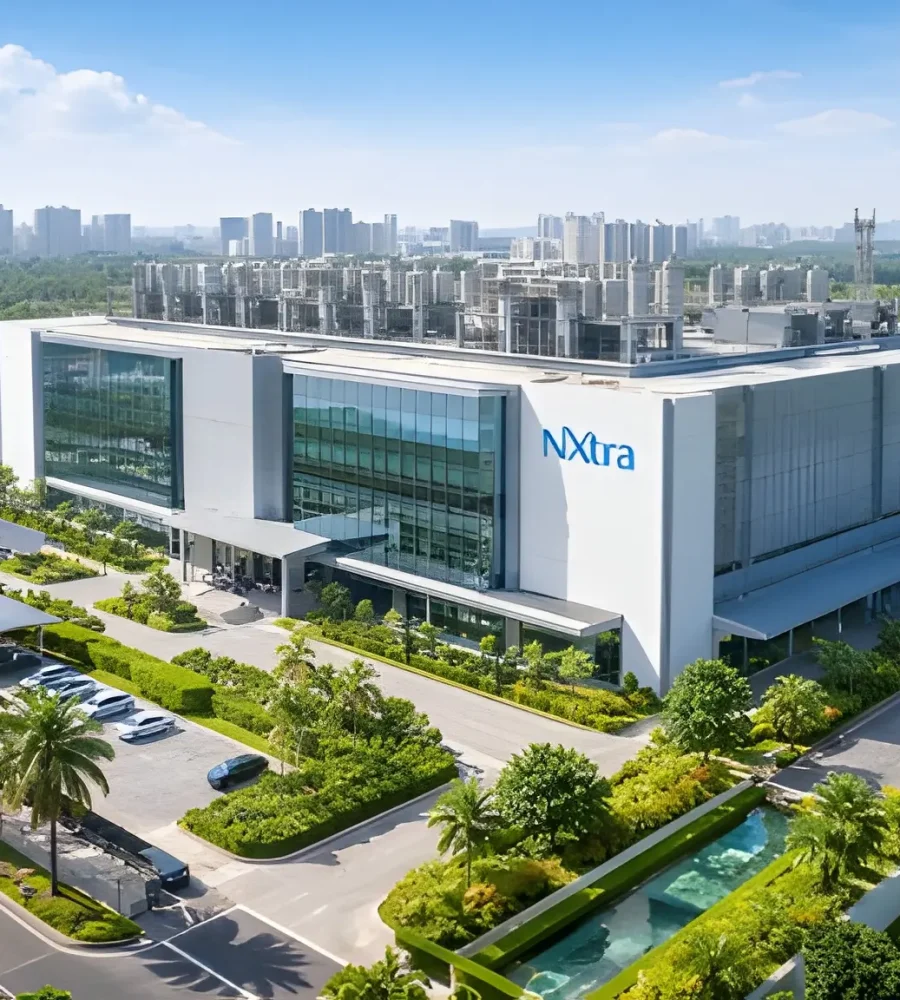
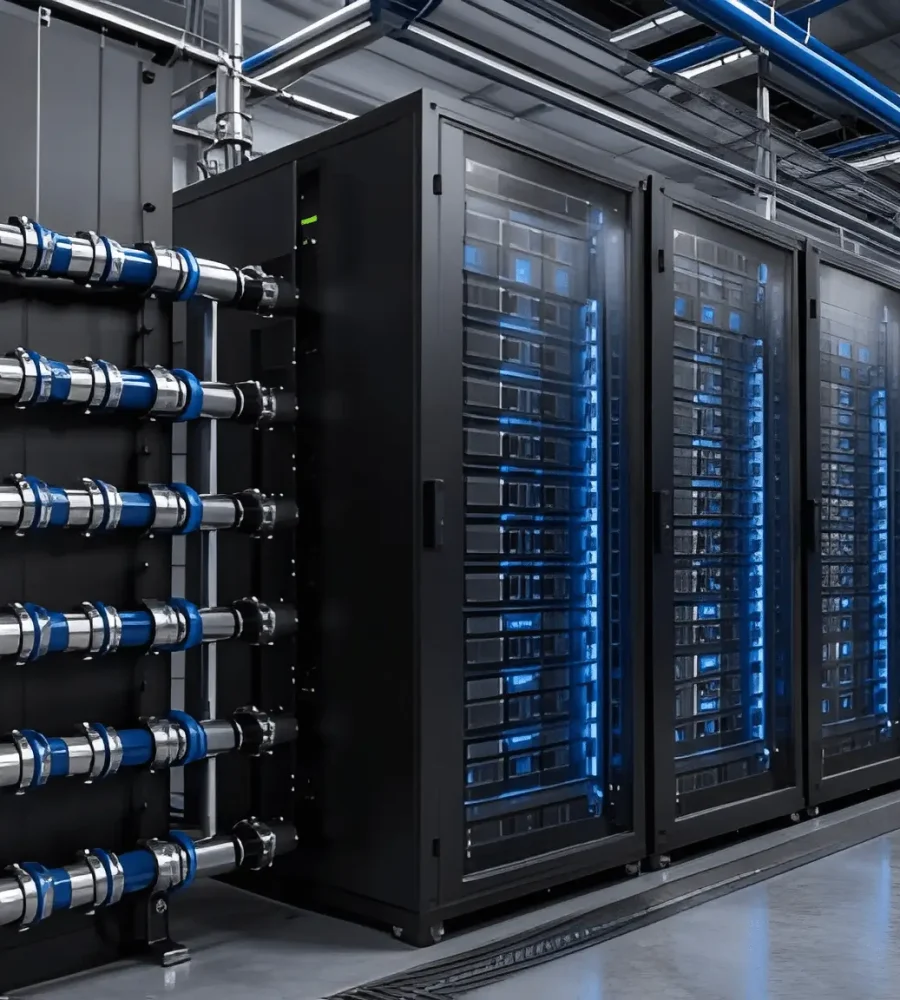
What stands out is the “strategic” nature of this partnership. TPG’s $1 billion equity investment, alongside TCS’s own funding and debt, reflects a blend of financial muscle and technological know-how. This combination is essential for developing advanced, liquid-cooled, high-density data centers capable of supporting next-generation AI workloads. These facilities are purpose-built for hyperscalers, AI companies, and enterprises requiring massive compute power, low-latency networks, and energy-efficient operations.
Yet, the initiative also underscores significant environmental and operational challenges. Urban centers such as Mumbai and Bengaluru, where much of India’s data infrastructure is concentrated, are grappling with water shortages and power constraints. Liquid cooling systems, while energy-efficient, consume large quantities of water, raising complex resource management questions. Limited industrial land in key locations could further bottleneck the rapid scaling of AI infrastructure, adding another layer of challenge.
Still, the TCS-TPG HyperVault venture exemplifies how India’s AI economy is maturing, driven by a broader wave of investments totaling nearly $94 billion in data center infrastructure since 2019. It aligns with global trends where tech giants prioritize regional AI infrastructure to support cloud and AI service growth. From our perspective, this is a call to the AI and data center industry worldwide: growth must be balanced with sustainability, and partnerships like this show the path toward scalable, climate-conscious infrastructure.
This move looks like a strategic blueprint for India’s AI future. For industry leaders and policymakers watching India’s rise on the AI stage, it is a nudge to accelerate investment with an eye on responsible resource use and long-term collaboration. That approach will be essential not only for India but for any market seeking to harness AI’s transformative potential while managing environmental impact. That is the challenge and opportunity of our times.