The UK successfully bet billions on renewable energy to power the AI revolution. However, a 1960s transmission network, never designed for modern loads, has created a “power bottleneck” that threatens both climate goals and tech ambitions.
The Green Energy Gamble That Backfired
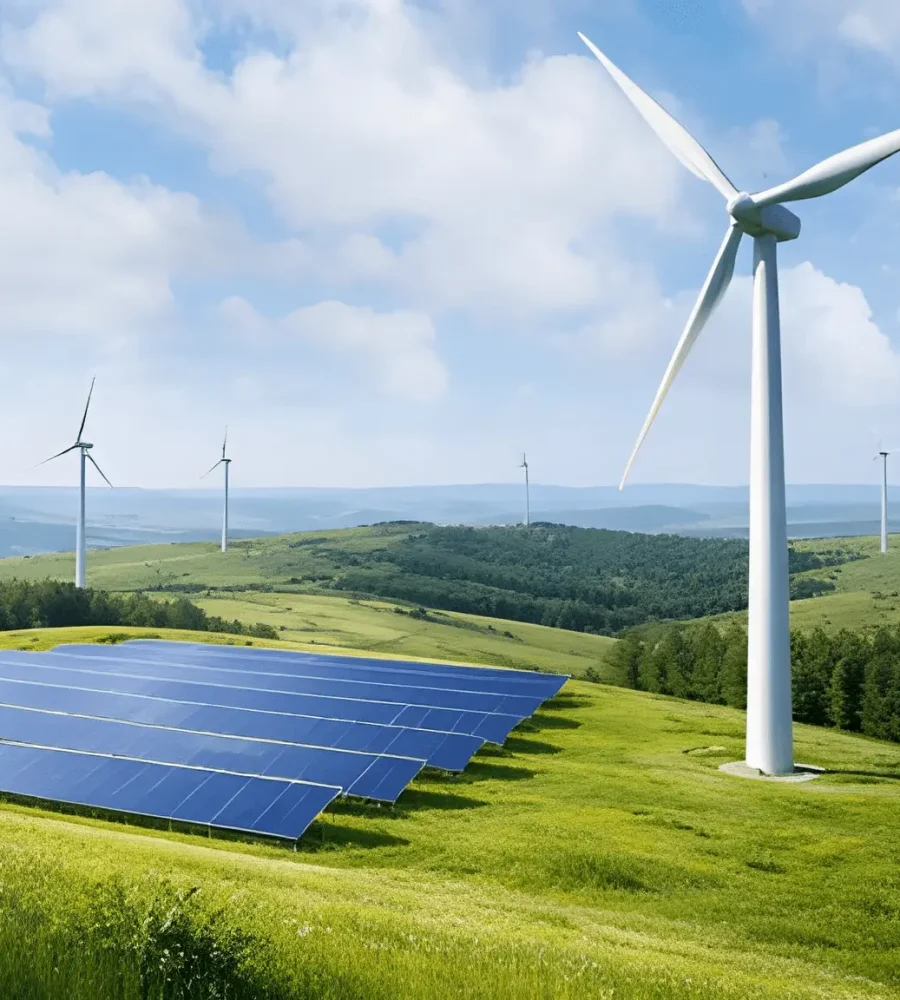
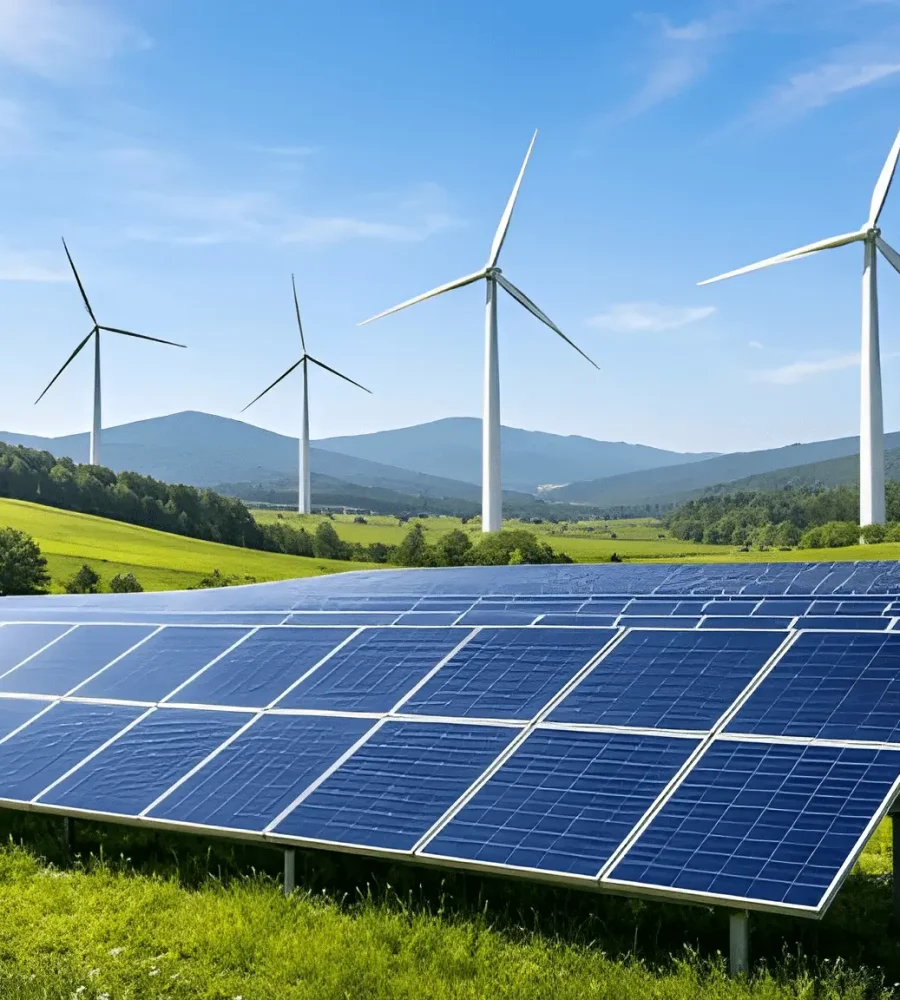
Britain has done what few nations have managed: it’s become a genuine leader in renewable energy. The country now generates roughly one-third of its electricity from wind power. It also boasts the world’s largest offshore wind capacity at 10 gigawatts and has plans to expand its renewable portfolio to over 100 GW in the coming decade. By nearly every conventional measure, the UK’s green energy transformation looks like a success story.
Except the grid can’t handle it.
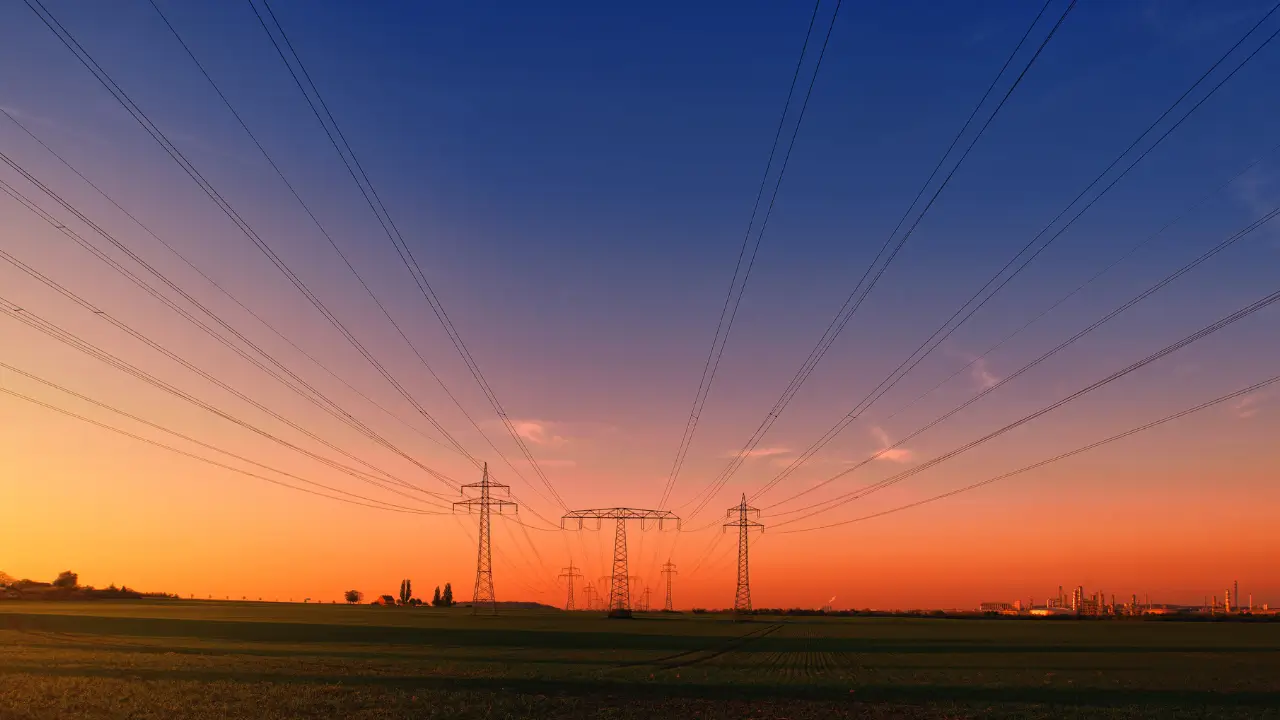
Most of Britain’s electrical transmission network dates back to the 1960s and has received no major overhaul since. Today, that aging infrastructure fails to deliver the renewable electricity it was never designed to carry. The severe “power bottleneck” threatens both Britain’s clean energy ambitions and its aspirations to become a global AI infrastructure hub. The irony is bitter: the UK invested aggressively in renewable power to support AI’s enormous electricity demands. Yet the grid couldn’t transmit the energy fast enough to reach the servers that need it.
The Geography of Constraint
Scotland’s coastlines are ideal for wind farms: steady Atlantic winds, deep offshore waters, and vast landscapes suited for arrays of turbines. Over the past decade, Scotland has become the renewable powerhouse Britain needed. But Scotland produces far more electricity than it consumes. Its operational, under-construction, or consented capacity totals around 22.8 GW. Average consumption, however, reaches just 3.6 GW.
The excess power flows south toward England and Wales, where demand is concentrated. Cities like London, Manchester, and Birmingham consume electricity at vastly higher rates than rural Scotland. In theory, this mismatch should be easily solved through transmission lines. In practice, it causes one of Britain’s most expensive infrastructure failures.
The Scottish Boundary, known as the B6 Boundary, separates the Scottish transmission network from National Grid’s system covering England and Wales. This chokepoint consists of just two overhead lines and one HVDC cable. It lacks the capacity to move the volume of renewable power that Scotland now generates. When wind conditions are favorable and generation is high, the grid cannot safely transmit all available power without risking overload. Rather than let excess power destabilize the system, Britain’s electricity operators face an unpalatable choice. They pay renewable generators to not produce electricity.
These are called “constraint payments.” They impose a bizarre, costly mechanism where taxpayers and consumers literally reimburse wind farms for doing nothing.
The Billion-Pound Bill for Doing Nothing
In 2025, Britain paid generators around £1.8 billion ($2.3 billion USD) in constraint payments, a figure expected to rise to £3 billion annually by the decade’s end if transmission bottlenecks persist. For context, the average household already spends roughly £1,500 a year on electricity, more than double the 2008 cost, with about £40 of that tied to hidden grid management fees. As renewable generation grows faster than transmission capacity, these costs continue to climb.
The geographic concentration is striking: in 2024, Scotland’s wind farms received nearly £275 million of the UK’s £307 million in constraint payments, with offshore projects like Moray East and Seagreen earning tens of millions while producing no energy.
The irony is stark: some of the most productive renewable sites are also the most curtailed. Historically, grid connections completed faster, taking just over two years. Today, new projects face waits of five to ten years, compounding the problem.
AI’s Arrival Collides With Grid Paralysis
Britain’s green energy challenges were once a manageable inefficiency, expensive and frustrating, but containable. The arrival of AI infrastructure has transformed the problem. Hyperscale data centers, essential for training large language models and running AI applications, consume tens or even hundreds of megawatts each, enough to power a mid-sized city. The UK government aims to increase public-controlled AI computing twentyfold by 2030, which could push AI-related electricity demand to 72 TWh, over a quarter of Britain’s 2021 total consumption, before counting energy used by AI-enabled devices.
The strain is already evident. A 2025 survey of 3,000 data center professionals found that power constraints top the barrier to expansion, with 87 percent saying limited grid capacity slows AI adoption. The queue for new power connections exploded from 40 GW in late 2024 to 125 GW by mid-2025, more than double the UK’s peak electricity demand. Grid bottlenecks now affect not only renewables but also battery storage, hydrogen facilities, EV charging, and hyperscale data centers.
Some operators are turning to extreme measures. Between August 2024 and August 2025, over 80 data centers sought connections to the gas grid, and five large projects in southern England proposed building 2.5 GW of gas-fired plants to bypass the electricity grid entirely.
The Hidden Infrastructure Tax on Innovation
For consumers, the grid bottleneck acts as a hidden tax on electricity bills; for businesses, it creates a strategic disadvantage in the global race for AI talent and investment. Countries compete to attract data centers based on power availability, cost, and stability. While the UK scores high on stability and regulatory reliability, its electricity remains volatile and expensive, and the grid cannot meet demand.
Globally, competitors move faster: the US upgrades transmission despite aging infrastructure, China has built advanced ultrahigh-voltage networks, and the EU coordinates grid expansion under the Green Deal. Meanwhile, UK projects face connection queues stretching into the 2030s, meaning new AI infrastructure may not access reliable power for a decade.
National Grid’s £40 Billion Bet
Britain’s National Grid has launched “The Great Grid Upgrade,” a £40 billion, five-year program to modernize transmission infrastructure. This program is necessary but long-overdue, responding to years of underinvestment. Major projects like Eastern Green Link 1 and 2, which would expand capacity from Scotland to northern England, remain years from completion. Lengthy community consultations, environmental reviews, and regulatory approvals allow the bottleneck to persist.
The cost of these upgrades will inevitably reach consumers: Ofgem’s December 2024 approval of £28 billion in network investment is expected to add around £108 annually to household electricity bills by 2031. Even with this investment, Britain risks falling behind as an AI infrastructure hub.
Britain’s government has acknowledged the urgency. In late 2024 and early 2025, the National Energy System Operator (NESO) overhauled the grid connection process. The “first come, first served” queue gave way to a prioritization system favoring shovel-ready projects and strategic national priorities, including data centers and renewable generation. These reforms should cut connection times for priority projects from 10-15 years to 2-5 years. Meanwhile, the speculative queue has shrunk from over 700 GW to 132 GW of likely-to-proceed projects. NESO now classifies data centers as Critical National Infrastructure, theoretically speeding approvals.
Yet even with faster approvals, transmission lines still take 5-10 years to build. Projects like Eastern Green Link 1 and 2 may not be fully operational until the 2030s. This delay postpones the opportunity to attract early-phase AI infrastructure investment. The situation reveals a paradox at the heart of Britain’s energy transition: abundant renewable generation exists, but the infrastructure to deliver it lags. Constraint payments, grid overload risks, and delayed AI deployment are tangible consequences of decades of underinvestment.
Britain now faces a stark choice: accelerate grid modernization or risk losing the AI and green energy race. Rapid construction, streamlined approvals, and strategic prioritization are essential. These steps will ensure wind farms generate value, constraint payments shrink, and Britain secures its place as a global hub for AI infrastructure.