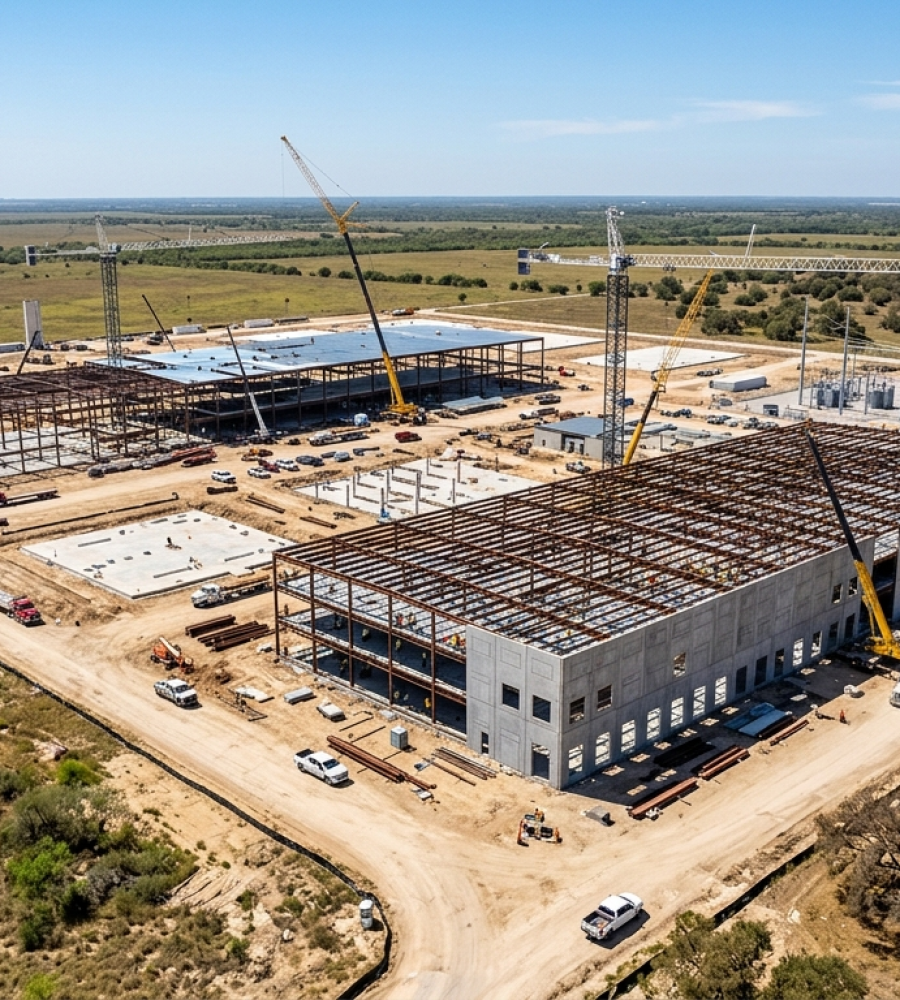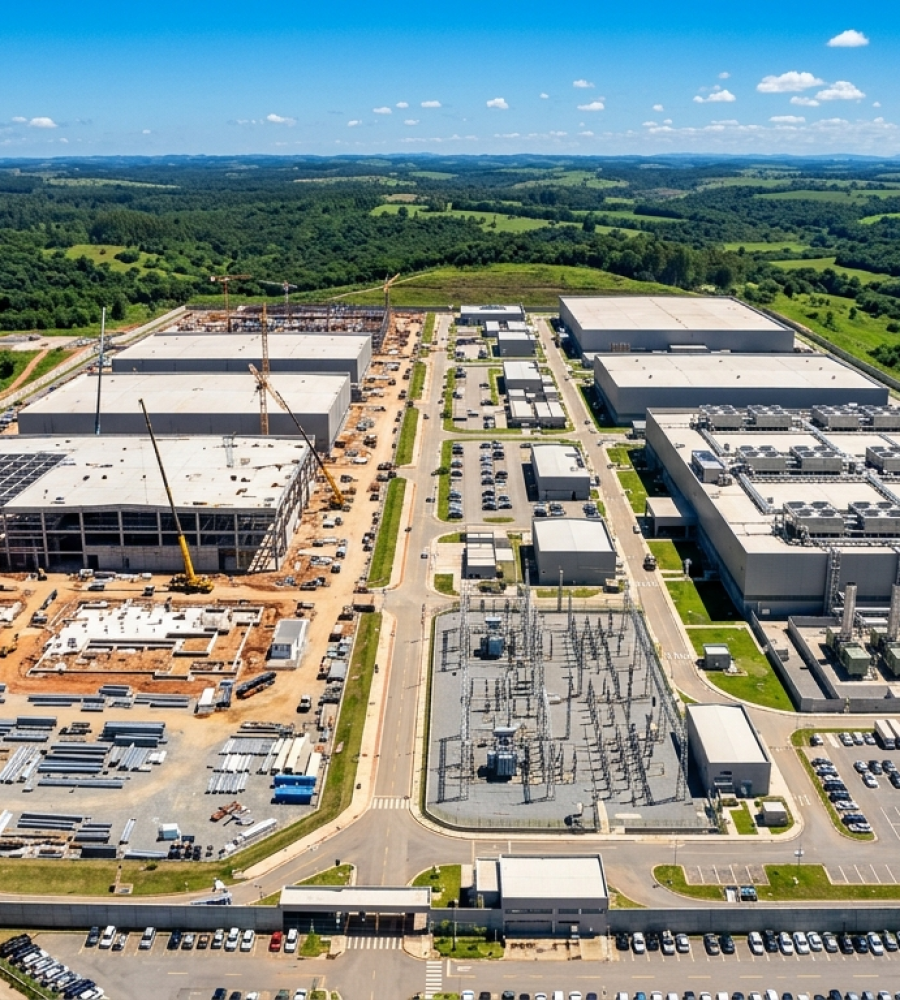

Australia’s shortage of available AI compute is colliding with a parallel problem: an electricity grid increasingly unable to move abundant renewable power to where traditional data centers are located. WinDC’s launch of portable, renewable-powered “AI factories” positions itself at the intersection of these two constraints, offering a distributed infrastructure model aimed at unlocking stalled capacity on both fronts.
Rather than concentrate new high-density compute facilities near population centers, WinDC is relocating processing power directly to renewable generation sites. The model places modular data-center units behind the meter at solar and other clean-energy assets, allowing organizations to tap underutilized electricity without relying on congested transmission corridors. This architecture reframes curtailment from an infrastructure failure into a potential energy and compute supply source.
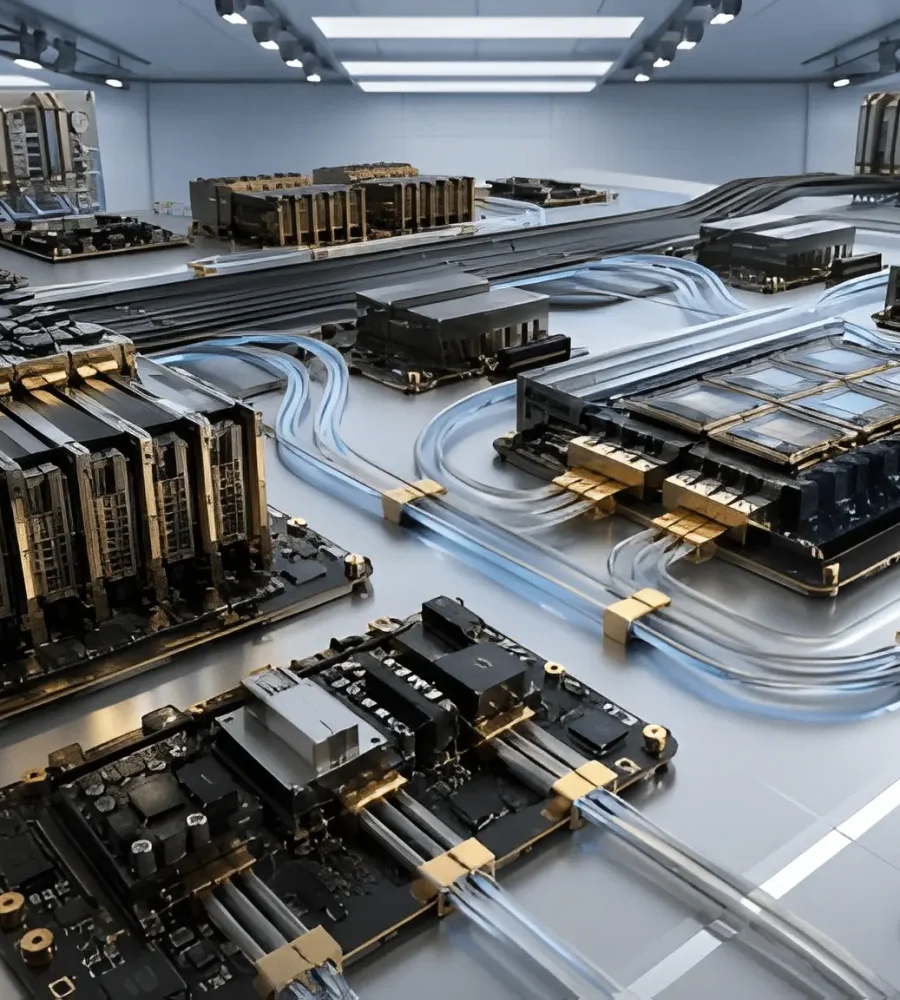
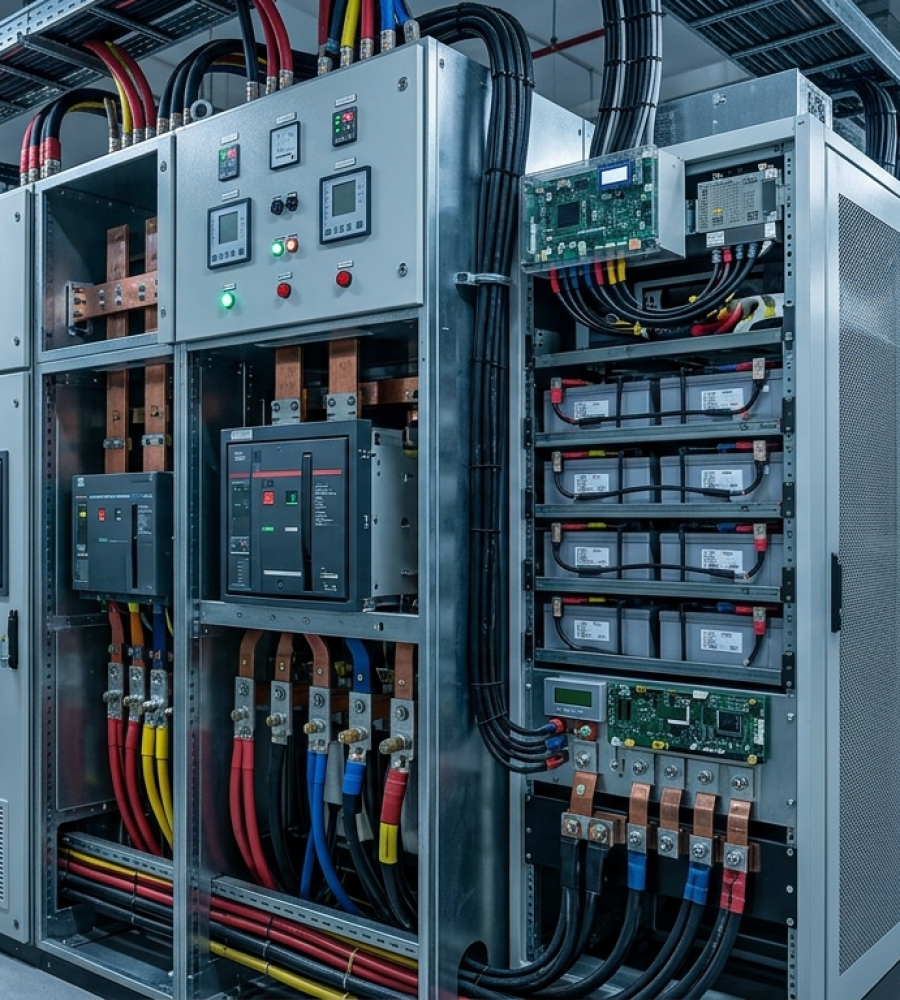
Each factory-built, ISO-containerized unit delivers between 100 kW and 1.6 MW of IT load configured for dense GPU or CPU workloads. The systems integrate liquid cooling alongside N+1 power and cooling redundancy and are built as Tier 0 infrastructure for continuous high-density AI and containerized operations. Mobility is central to the design; the modules can be transported by truck, rail, or ship, enabling rapid deployment where power is available rather than waiting for large-scale data-center construction.
Connectivity options including fibre links, Starlink, and 5G backhaul allow these installations to connect reliably to enterprise or cloud networks while operating outside urban infrastructure zones. According to WinDC, the deployment approach reduces build timelines by roughly eight times compared to conventional data centers, delivering operations at approximately half the cost while running entirely on renewable energy.
WinDC founder and CEO Andrew Sjoquist frames the model as a way to convert current grid inefficiencies into a national asset. Instead of attempting to build ever-larger transmission projects to funnel power toward metropolitan facilities, the company is treating excess renewable production as a stranded resource capable of directly hosting sovereign AI capacity. The approach promises near-term financial value to energy generators without public subsidy while simultaneously easing pressure on urban power networks and land availability.
The strategy aligns with a growing urgency around Australia’s sovereign computing capacity. WinDC executive director Jonathan Staff argues that advanced AI deployment cannot scale if the nation remains dependent on grid-bound infrastructure models. Locating compute at the source of energy allows training, inference, research, and mission-critical workloads to operate locally and sustainably, supporting national objectives around digital independence.
The timing reflects mounting stress across the renewable sector. Australian Energy Market Operator projections suggest that newly commissioned solar farms in Victoria and South Australia could face curtailment rates of as much as 65 percent by 2027 because of continuing transmission delays. Existing solar assets already experience average curtailment of approximately 4.5 percent, representing significant volumes of untapped clean power.
WinDC’s first portable data centers are scheduled to arrive in Australia in early 2026. Their rollout will serve as an early test of whether distributed, energy-proximate compute can meaningfully relieve both the power bottleneck and the escalating demand for domestic AI infrastructure or whether scale limitations will ultimately require a hybrid return to conventional data-center expansion.