Skip to content
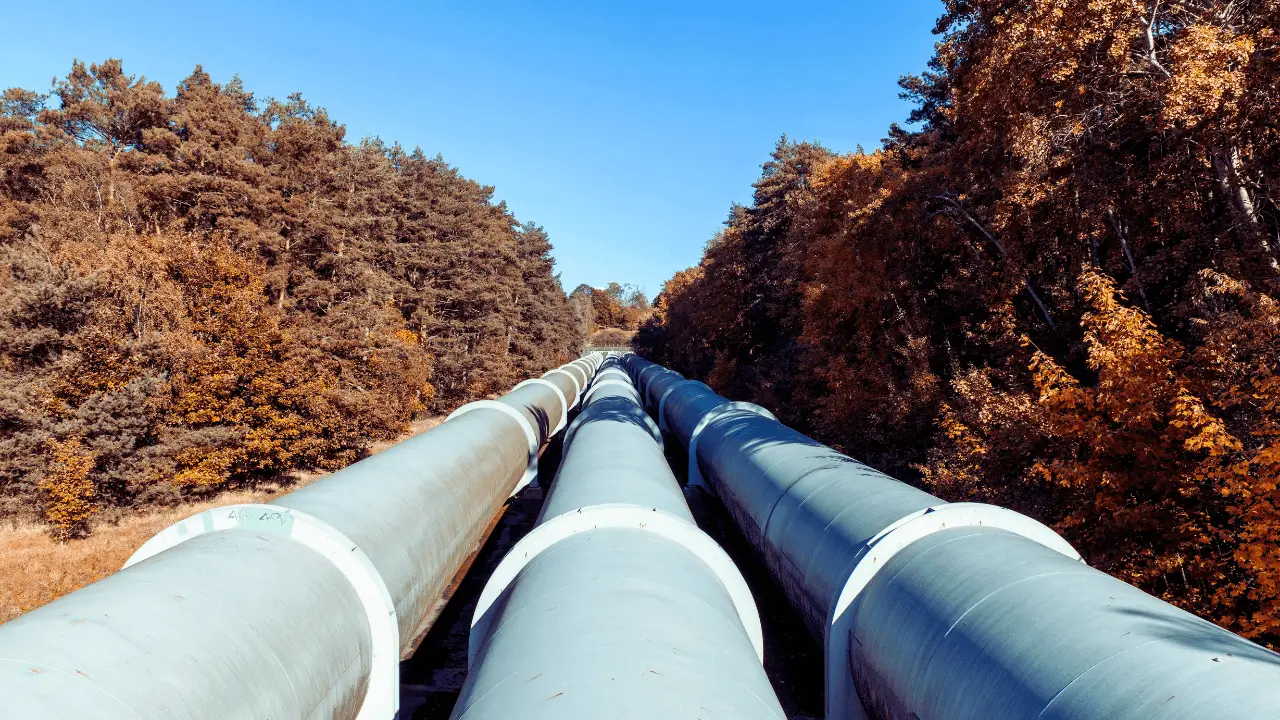
For decades, municipal water systems have done one job exceptionally well: moving water safely and reliably from source to tap. But as energy demand surges, fueled by the rapid expansion of AI compute and data center infrastructure, a new question is emerging: can the same pipes that deliver water also help produce power?

In Pennsylvania, a new collaboration between clean-energy developer Rentricity and the St. Mary’s Area Water Authority (SMAWA) suggests the answer is yes.
Instead of building new power plants or transmission lines, the partners are generating electricity directly inside an existing water pipeline, capturing energy that would otherwise be lost as pressure drops along the system. The project transforms ordinary municipal flow into a small but meaningful source of renewable power, without disrupting water service or altering water quality.
At the heart of the project is-

Rentricity’s proprietary Flow-to-Wire™ turbine-generator system, which will be installed directly into SMAWA’s gravity-fed raw water line. The operating pressure is remarkably low, about 26 pounds per square inch, equivalent to less than 60 feet of hydraulic head. For hydropower, that’s minimal.
In fact, this installation sets a benchmark for Rentricity. It is the lowest-pressure deployment the company has completed to date, underscoring how adaptable the technology has become. Even modest water flows, previously considered insufficient for energy recovery, can now be converted into usable electricity.
The system is delivered as a complete turnkey solution. Rentricity handles engineering, design, manufacturing, and installation, allowing municipal operators to add clean power generation capability without redesigning their core water networks. The model proves especially relevant for smaller or pressure-limited utilities that typically fall outside traditional hydropower economics.
This seemingly small water project exists inside a much larger national picture.
Energy planners across the U.S. are grappling with skyrocketing power consumption tied to AI workloads, high-performance computing, and data center expansion, all of which also place heavy demands on water supply systems for cooling and processing.
The result is growing pressure on centralized grids, rising operating costs for utilities, and renewed interest in local, decentralized energy generation. Technologies that work at the edge, inside existing infrastructure, are gaining attention as an efficient way to supplement power supply without massive environmental or capital footprints.
In-conduit hydropower fits squarely into this approach. Instead of harnessing river dams, it taps unused energy at pressure-regulating points already built into water systems. Electricity is generated without changing water flow patterns or needing dedicated reservoirs. For utilities, the appeal is twofold: reduced electricity purchases from the grid and the creation of new revenue from power production.
As Rentricity CEO, Frank Zammataro explains, the shift is no longer optional:
Turning water networks into energy assets isn’t just a sustainability initiative anymore, it’s becoming an operational requirement. Projects like the St. Mary’s installation show how municipalities can cut costs, lower emissions, and strengthen grid resilience at the same time. With AI driving new energy demand, recovery solutions like these are moving from niche to necessity.
Local Benefits with Long-Term Impact
On a practical level, the St. Mary’s system is expected to produce about 157,680 kilowatt-hours of renewable electricity each year. That output is roughly equivalent to powering 12 average homes annually or removing around 13 gasoline vehicles from the road.
Over its projected 40-year operating lifespan, the system will prevent more than 2,400 metric tons of carbon dioxide emissions (CO₂e), along with reducing sulfur dioxide and nitrogen oxide outputs, aligning directly with Pennsylvania’s clean-air and climate goals.
For SMAWA, the project delivers tangible cost savings by generating clean electricity from its own infrastructure, a revenue opportunity that doesn’t require additional land use or major construction.
As Randy Gradizzi, Chairman of SMAWA, puts it:
We’re extracting more value from what we already operate. Producing power inside our water system cuts our energy costs while supporting environmental goals. It benefits our customers, strengthens the community, and contributes to regional sustainability.
A key requirement for any technology embedded into drinking water systems is safety. Rentricity’s Flow-to-Wire™ units are NSF 61/372 certified, meeting regulatory standards for use in potable water environments. The turbines are also used across irrigation and industrial systems, broadening application potential beyond municipal supply lines.
Each installation is tailored to the specific hydraulic conditions of the site. This custom engineering approach ensures every turbine captures maximum usable energy without stressing the infrastructure. The systems are built for continuous operation with limited maintenance needs and are designed to last for 40 years or more, making them long-term municipal assets rather than short-cycle equipment investments.
An added benefit is operational: by recovering pressure energy, the technology can ease strain on pipes and valves, extending infrastructure lifespan and improving overall system balance.
Rentricity has already completed more than 30 in-conduit hydropower projects across North America. The framework links water management with distributed clean energy generation, infrastructure resilience, and climate policy.
By converting waste pressure into electricity, municipalities reduce their dependence on fossil-fuel-based grid power while creating financial headroom to modernize aging water systems. The technology also aligns directly with U.S. Department of Energy objectives to expand distributed renewable energy and cut greenhouse gas emissions at the utility level.
The St. Mary’s project may be modest in size, but it demonstrates how everyday infrastructure investments can support energy security and climate goals without disruptive overhauls or heavy capital build-outs.