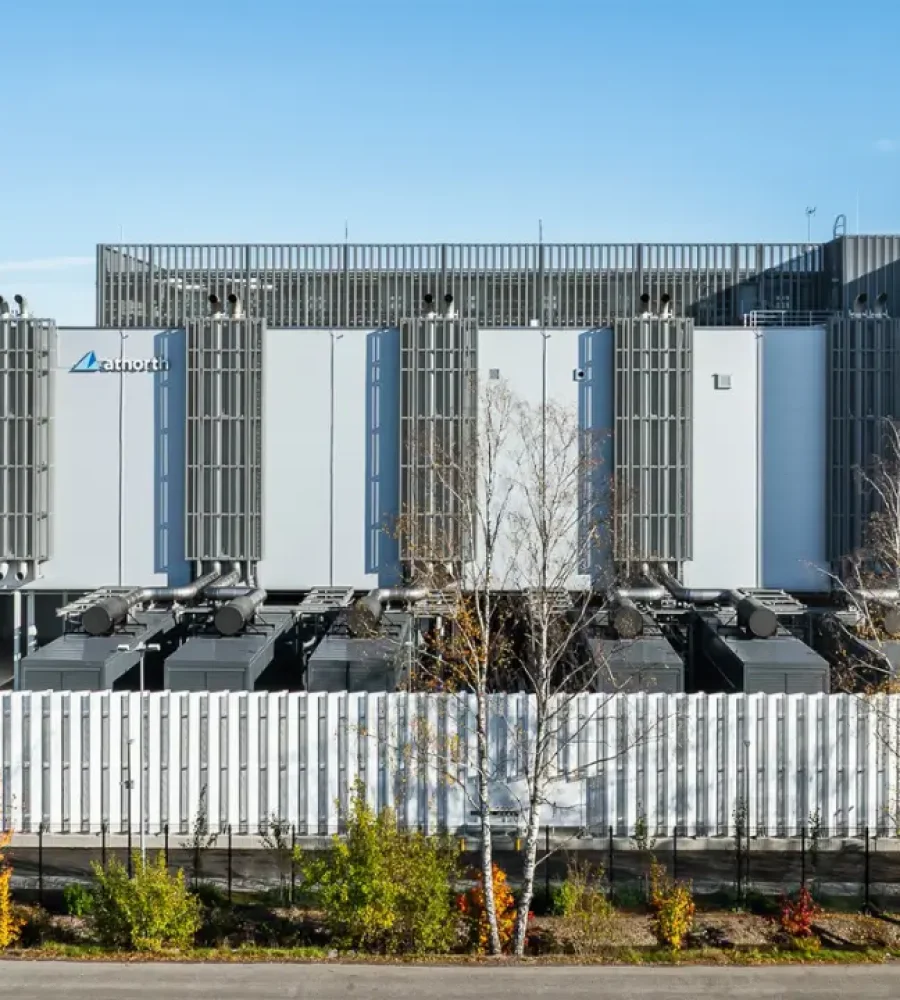
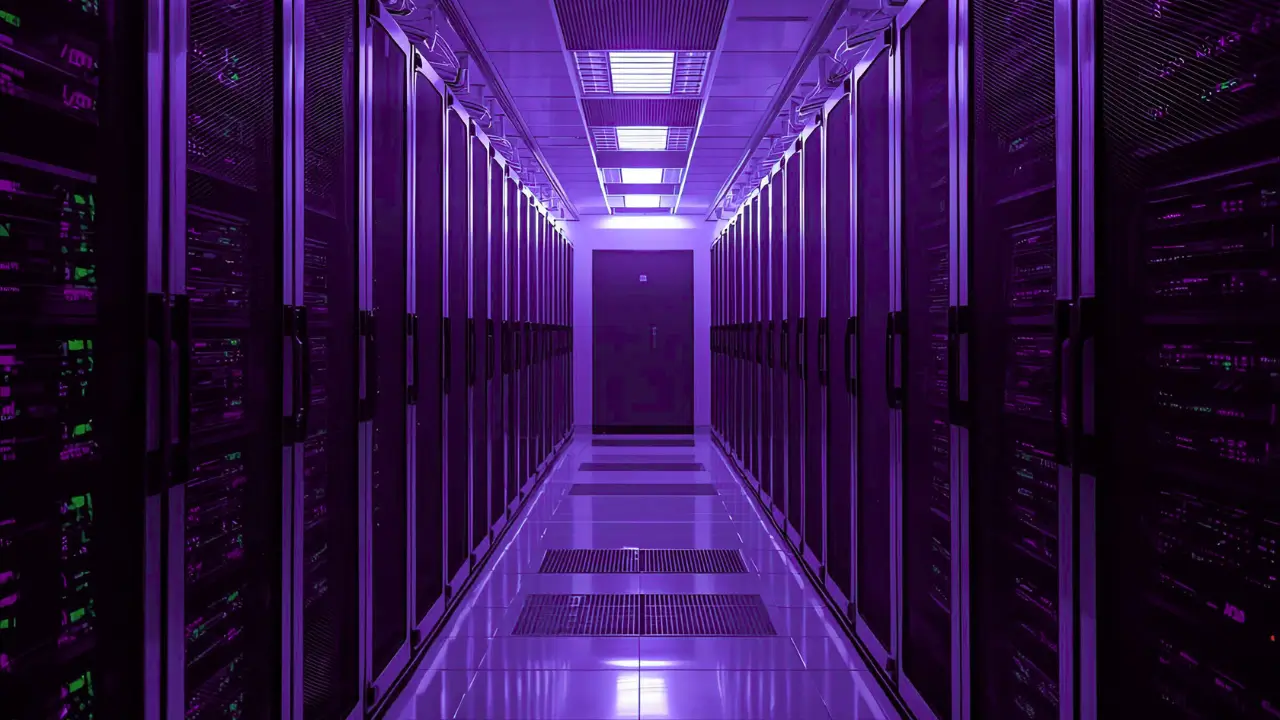
Think data centers only burn electricity?
Behind endless racks of humming servers, glowing LEDs, and the unmistakable heat of nonstop computation, is the hidden resource keeping it all alive: water. A staggering amount of it.
In 2023, scientists at the U.S. Lawrence Berkeley National Laboratory uncovered just how big that appetite is. Data centers in the United States directly used nearly 17 billion gallons of water in their cooling systems last year. But that figure is only the tip of a much bigger iceberg.
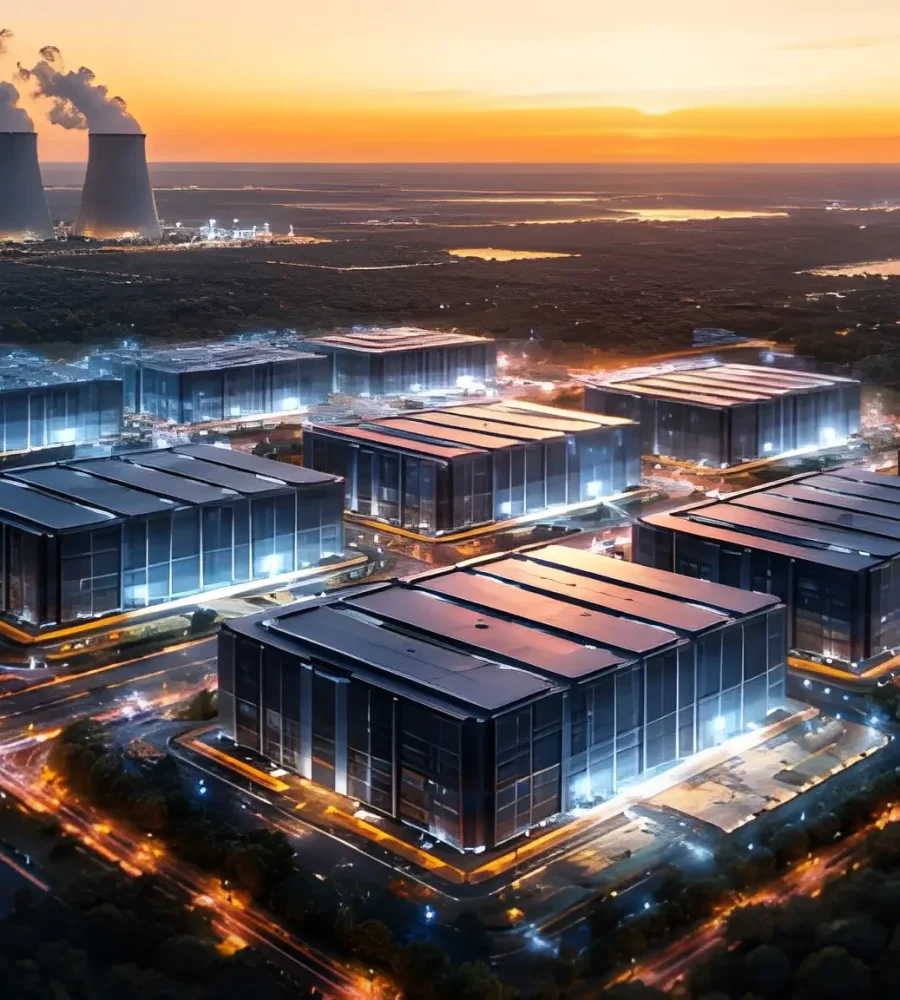
The real drain comes from the electricity powering these facilities. Most power plants, whether coal, natural gas, nuclear, or even hydropower, depend heavily on water to operate. When researchers added this indirect demand to the equation, the number ballooned to 211 billion gallons, more than ten times the onsite use. As the AI boom accelerates and the world builds more data centers to handle machine learning workloads, those numbers are primed to climb even higher.
But new research from Cornell University offers a surprising pathway to cut both water use and carbon footprints: build data centers where renewable energy is plentiful.
Why Location Changes Everything
“Location really matters,” explains Cornell energy systems engineer Fengqi You, a co-author of the study. According to his team’s analysis, the environmental footprint of a data center can shift dramatically by as much as 100 times, depending on where it’s built.
The logic is straightforward:
- Servers generate intense heat.
- Cooling them requires water.
- Powering them requires even more water when the electricity comes from thermoelectric plants.
So if a region relies heavily on wind and solar, you avoid both: less water for power generation and lower emissions overall.
The Hidden Water Cost of Electricity
While the image of a data center typically evokes massive cooling towers, the majority of its water footprint sits offsite. Thermoelectric power plants boil water into steam to spin turbines. Hydropower facilities store enormous reservoirs that lose water through evaporation. Combined, this makes electricity production responsible for over 70% of a data center’s total water use, according to the Cornell findings.
This is why the composition of the local grid matters immensely. A renewable-heavy grid slashes water consumption; a fossil- or hydro-heavy grid amplifies it.
The Best and Worst Places to Build the Next Wave of AI Servers
The researchers found the strongest overall score in a somewhat counterintuitive place: West Texas.
Despite being famously arid, the region checks every box:
- Sparse population
- Groundwater accessible for cooling
- Enormous wind energy capacity
- One of the lowest grid-related water footprints in the U.S.
Other strong contenders include Montana, Nebraska, and South Dakota, largely because of their growing renewable energy potential and low water-stress levels.
On the flip side, parts of the Pacific Northwest, often seen as ideal data center territory, performed poorly in the analysis. While electricity is cheap there, a heavy dependence on hydropower means additional data centers could significantly increase evaporative water loss.
Texas currently hosts more than 400 data centers, second only to Virginia. The state’s mix of grid capacity, huge renewable potential, cheap land, and business-friendly policies has made it a magnet for cloud firms.
In contrast, the other top-ranked states from Cornell’s analysis: South Dakota, Nebraska, and Montana, collectively host only about 70 data centers out of the roughly 4,200 operating nationwide. The gap isn’t due to environmental concerns but to infrastructure readiness, policy support, and investment incentives.
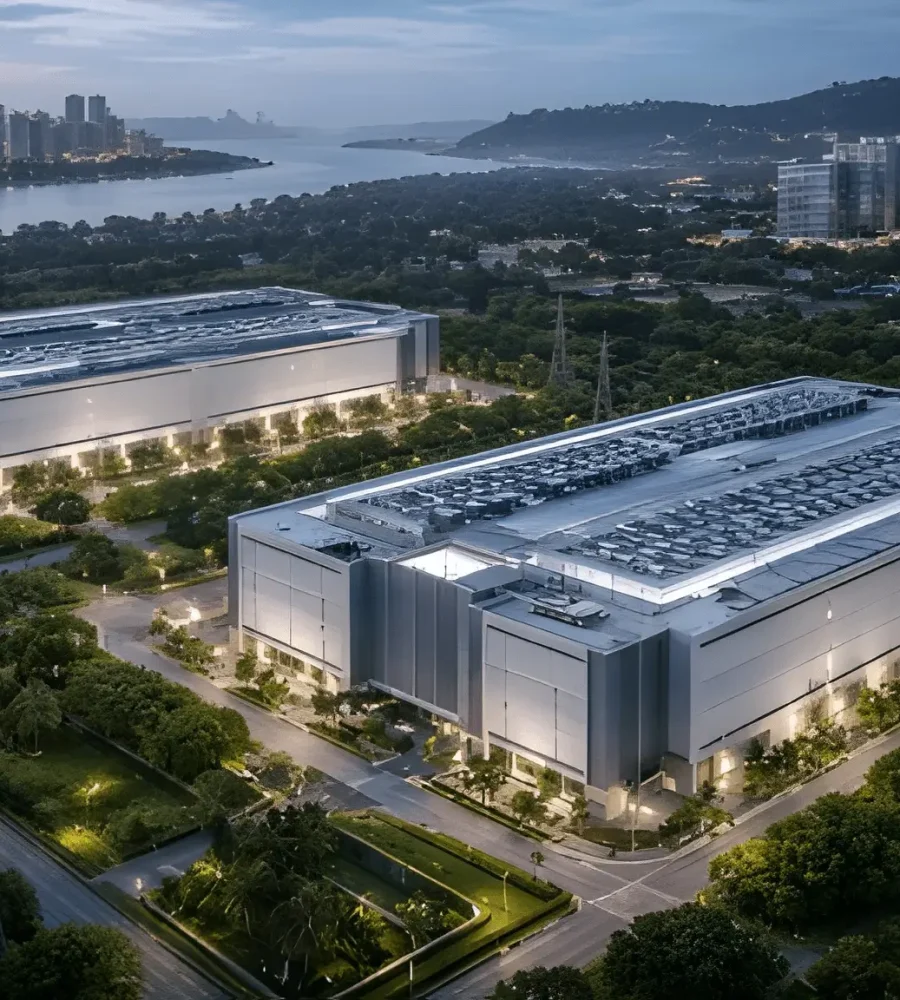
Reducing the water footprint of data centers isn’t just about installing better cooling systems. The biggest lever sits upstream: in the grid. Building facilities where renewable energy is abundant could dramatically cut both emissions and water consumption.
As AI pushes data demand to new heights, the industry faces a defining question:
Will the next generation of data centers be placed where computing is easiest or where sustainability is strongest?