Bridging the skills gap in next-gen data centers has become a strategic priority as artificial intelligence reshapes national infrastructure planning. In the UK, this shift became explicit when the government classified data centers as Critical National Infrastructure. That move placed them alongside energy, transport, and communications systems. Although investment reforms and planning changes moved quickly, workforce readiness lagged behind. As a result, talent shortages now trail infrastructure ambition.
At the same time, projected demand underscores the urgency. AI-ready data center capacity is set to grow by roughly 33% each year through 2030. Advanced AI workloads are expected to consume nearly 70% of future capacity. These environments require higher power density, tighter cooling control, and near-zero downtime. Consequently, operational complexity is rising faster than talent pipelines can adapt.
Why the Skills Gap in Next-Gen Data Centers Is Widening
The data center industry faces a structural paradox. Interest in technology careers remains strong. However, experienced data center talent remains scarce. The problem does not stem from hiring volume. Instead, it reflects a gap in readiness.
Over the past two decades, data centers have changed dramatically. They no longer operate as facility-driven environments. Instead, teams run integrated systems where electrical engineering, thermal design, cybersecurity, network architecture, and financial risk intersect. Skills that once developed in sequence are now required at the same time.
Graduates often enter the workforce with solid theoretical knowledge. However, they lack exposure to real operational conditions. Few academic programs mirror modern data center realities. Most separate engineering, operations, and commercial decision-making. As a result, teams must build much of the required expertise through hands-on experience.
This gap adds strain to existing staff. It also deepens reliance on a small group of senior professionals. These individuals built expertise over decades, not years. Therefore, retention and knowledge transfer now sit at the center of workforce strategy.
Public Awareness Shapes the Skills Gap in Next-Gen Data Centers
Limited public understanding further compounds the challenge. Surveys in the UK show that more than half of adults do not recognize the term “data center.” Even among those who do, many underestimate the scale and complexity of these facilities.
This perception gap has tangible effects. Public skepticism can delay planning approvals. It can also intensify concerns about energy use and environmental impact. Over time, community resistance may slow deployment timelines.
Talent attraction suffers as well. Industries with low visibility struggle to compete for early-career professionals. Software and consumer technology roles remain easier to explain and promote. As governments accelerate AI infrastructure plans, public understanding will play a growing role in shaping workforce outcomes.
Economic Risks of Not Closing the Skills Gap in Next-Gen Data Centers
The economic stakes are substantial. Analysts estimate that AI adoption could lift UK productivity by up to 1.5 percentage points each year. That gain could add nearly £47 billion annually over the next decade. Data centers make that growth possible by supporting cloud services, healthcare innovation, and advanced analytics.
Employment should rise alongside infrastructure expansion. If current trends hold, the sector could create more than 40,000 high-value operational roles by the mid-2030s. These positions offer long-term stability and specialized career paths. However, without focused skills development, many roles may go unfilled.
At the same time, global competition intensifies the risk. Nordic countries attract AI infrastructure through renewable energy access. South Korea plans a large-scale AI-focused data center hub. The United States and France have committed major funding. Since capital moves easily, workforce readiness increasingly guides investment decisions.
Skills, Sustainability, and Complexity Are Converging
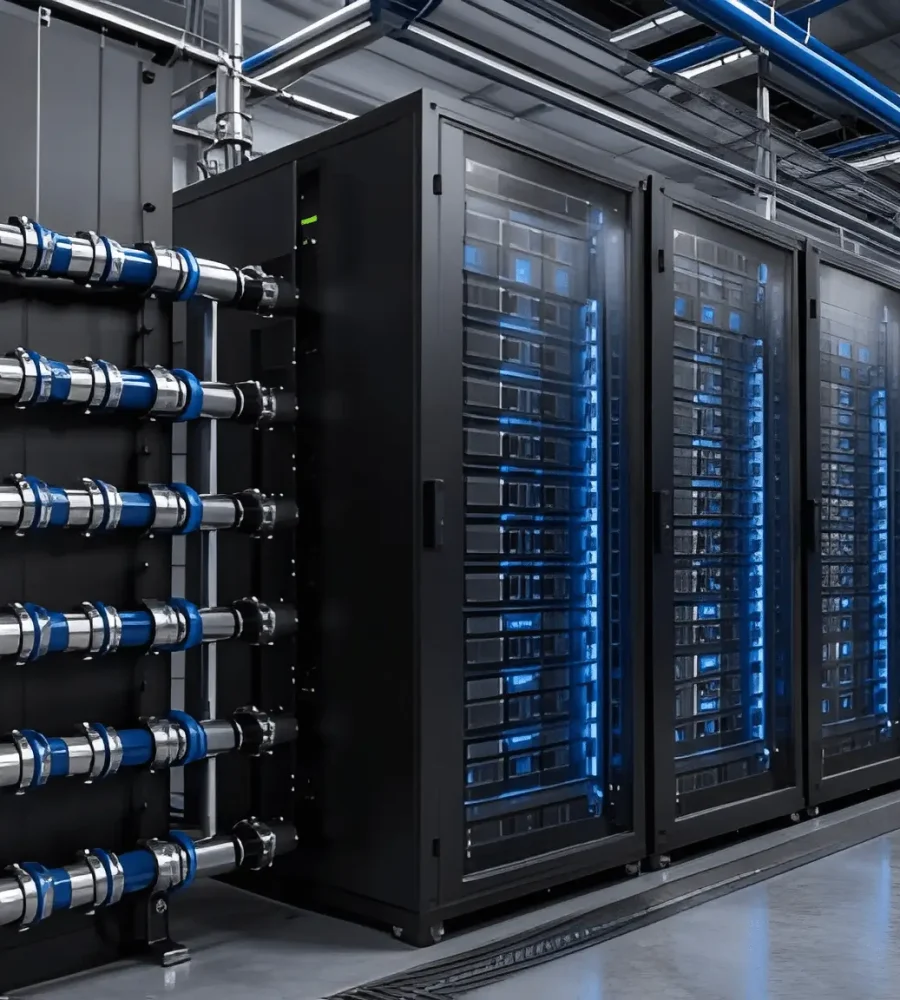
The skills challenge sharpens as sustainability targets rise. Modern facilities now use liquid cooling, free-air systems, and waste-heat reuse. These technologies cut emissions and water use. However, they also raise operational complexity.
Managing these systems demands cross-disciplinary expertise. Continuous training now plays a critical role. In response, many operators have expanded apprenticeship programs and internal upskilling efforts. Teams often pair early-career staff with experienced engineers. Community outreach and STEM initiatives have also gained momentum.
Still, progress varies across the industry. Without shared standards, skills development risks falling behind once again.
Closing the Skills Gap Before It Expands Further
As AI reshapes economic priorities, data centers will face sustained pressure to deliver scale, resilience, and efficiency. Infrastructure alone cannot meet those demands. Skilled people will determine success.
Bridging the skills gap in next-gen data centers therefore requires strategic investment. Workforce development must align with national AI goals and long-term industrial policy. Data centers already hold critical infrastructure status. Ensuring the workforce meets that standard now marks the next essential step.