In just a few years, AI power needs have begun to strain the US grid in ways utilities did not expect. Across the country, data centers now operate nonstop to train large models and deliver real-time digital services. What once felt like a predictable system now shows signs of fragility. Consequently, utilities face stress at a pace they rarely encounter. Instead of long-term planning, the search for solutions has shifted toward immediate action. Two options, in particular, have moved to the forefront: natural gas and rooftop solar.
AI Power Needs Are Straining the US Grid Faster Than Planned
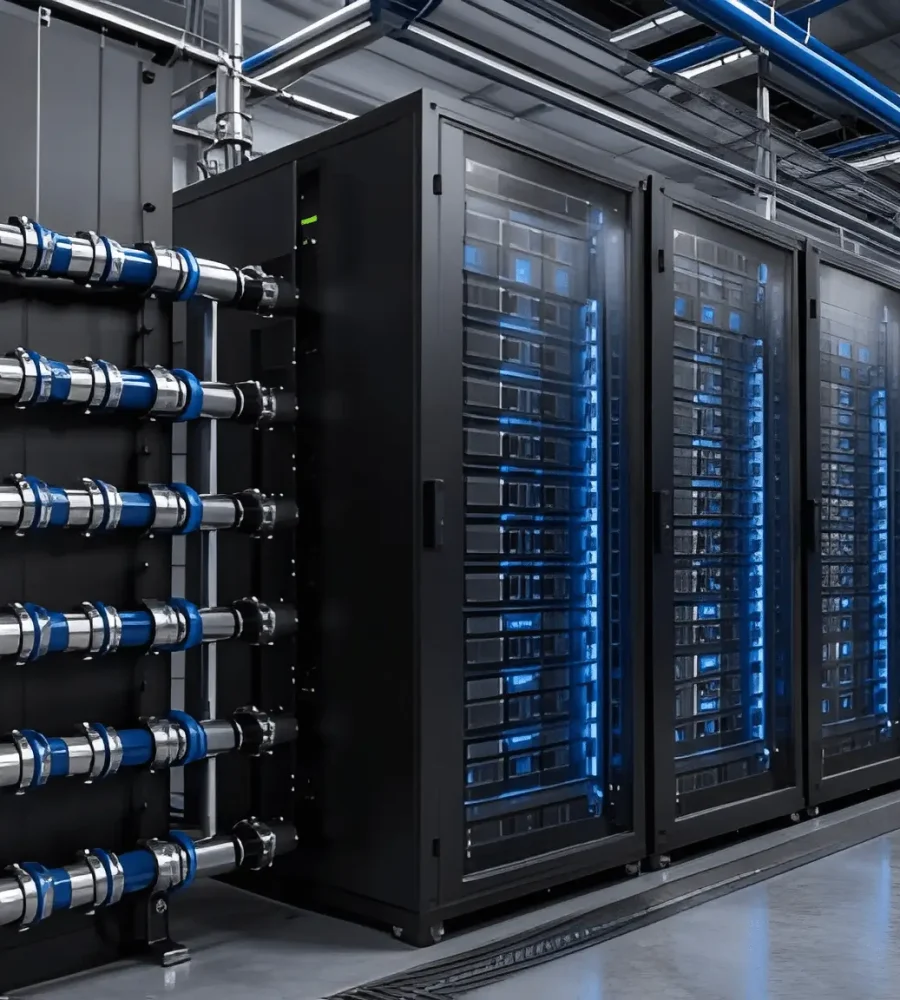
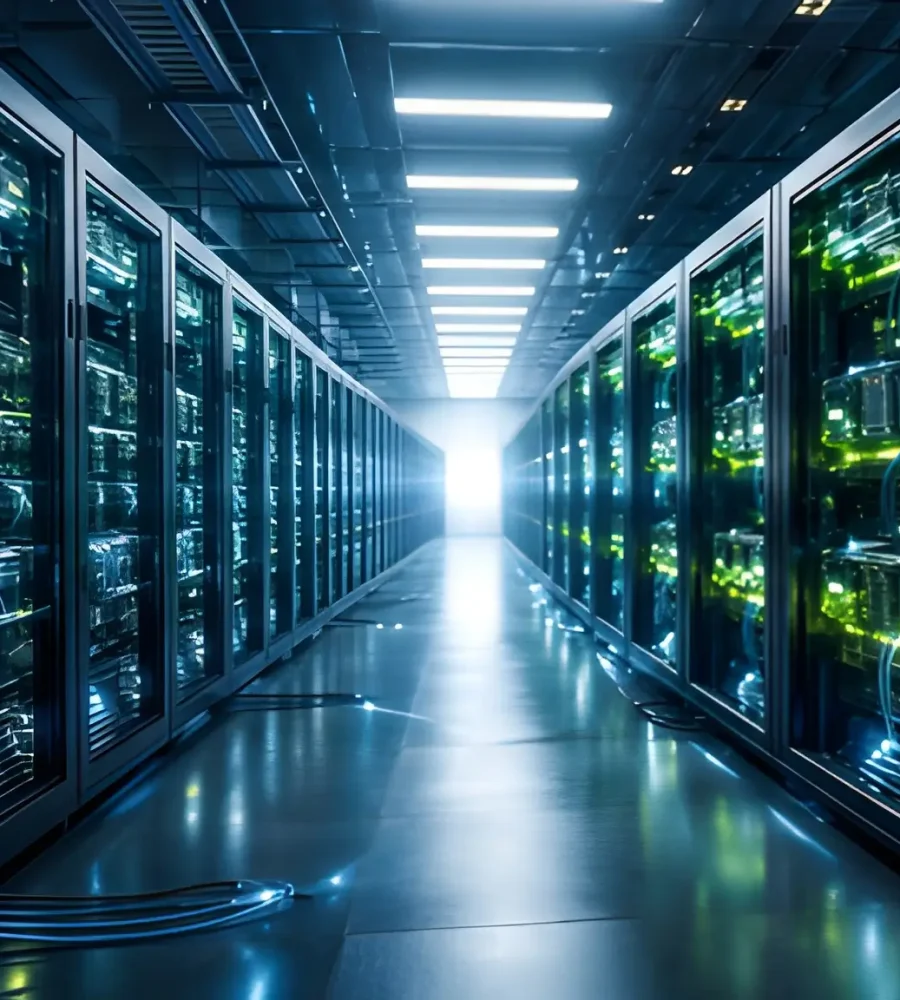
Artificial intelligence carries a clear physical cost. Above all, it drives electricity demand sharply higher. Data centers already rank among the most energy-intensive facilities nationwide, yet AI workloads push consumption even further.
Federal estimates suggest data center electricity use could nearly triple within a few years. Historically, that scale of growth would have unfolded over decades. Today, however, it arrives within a compressed timeframe. As a result, utilities struggle to keep pace. Transmission upgrades lag behind demand, while renewable projects wait years in interconnection queues. Meanwhile, electricity consumption continues to climb.
This mismatch spreads stress well beyond major tech hubs. Increasingly, surrounding regions experience congestion as AI power needs strain the grid. Reliability concerns grow more frequent. Ultimately, utilities pass rising costs down the line, often to customers with no direct link to data centers.
Why Speed Now Matters More Than Perfection
In earlier energy transitions, time allowed for careful sequencing. By contrast, today’s transition leaves little room for delay. AI-driven demand rises too fast to wait for ideal solutions.
Advanced nuclear remains years from deployment. Similarly, new transmission corridors face lengthy permitting battles. Even utility-scale wind and solar projects require more time than operators can afford. Because of this, grid planners now prioritize speed and reliability over theoretical optimization.
That urgency explains why natural gas has returned to the center of the discussion.
Natural Gas Steps In as a Bridge
As AI power needs strain the US grid, utilities increasingly turn to natural gas for stability. This shift reflects necessity rather than ideology.
Gas-fired plants move from approval to operation faster than most alternatives. More importantly, they deliver dispatchable power on demand. For AI data centers, reliability matters above all else, since even brief outages carry significant costs.
Industry analysts estimate the US may need dozens of new gas plants by the end of the decade to meet AI-driven demand. Fortunately, existing pipelines, generators, and fuel supply chains make expansion feasible. Instead of inventing new systems, utilities can scale what already exists.
Policy and Capital Reinforce the Shift
At the same time, policy signals increasingly favor gas development. Regulators have shortened approval timelines, while officials renew focus on pipeline bottlenecks. In parallel, federal support for LNG exports strengthens investment incentives across the sector.
Unsurprisingly, capital has followed. Companies have announced major acquisitions in gas-fired generation and pipeline assets. Private equity firms that held gas investments through years of uncertainty now find willing buyers.
Even clean energy leaders have adjusted their strategies. In many cases, firms now pair renewables with gas generation to serve AI data centers that demand uninterrupted power. For the moment, gas functions as the backbone of the digital economy.
Still, risks remain. Emissions continue to pose challenges, and methane leakage threatens climate goals. Moreover, short-term fixes can harden into long-term dependence. Even so, many utilities view the alternative as worse: a grid unable to meet demand.
The Overlooked Opportunity on Rooftops
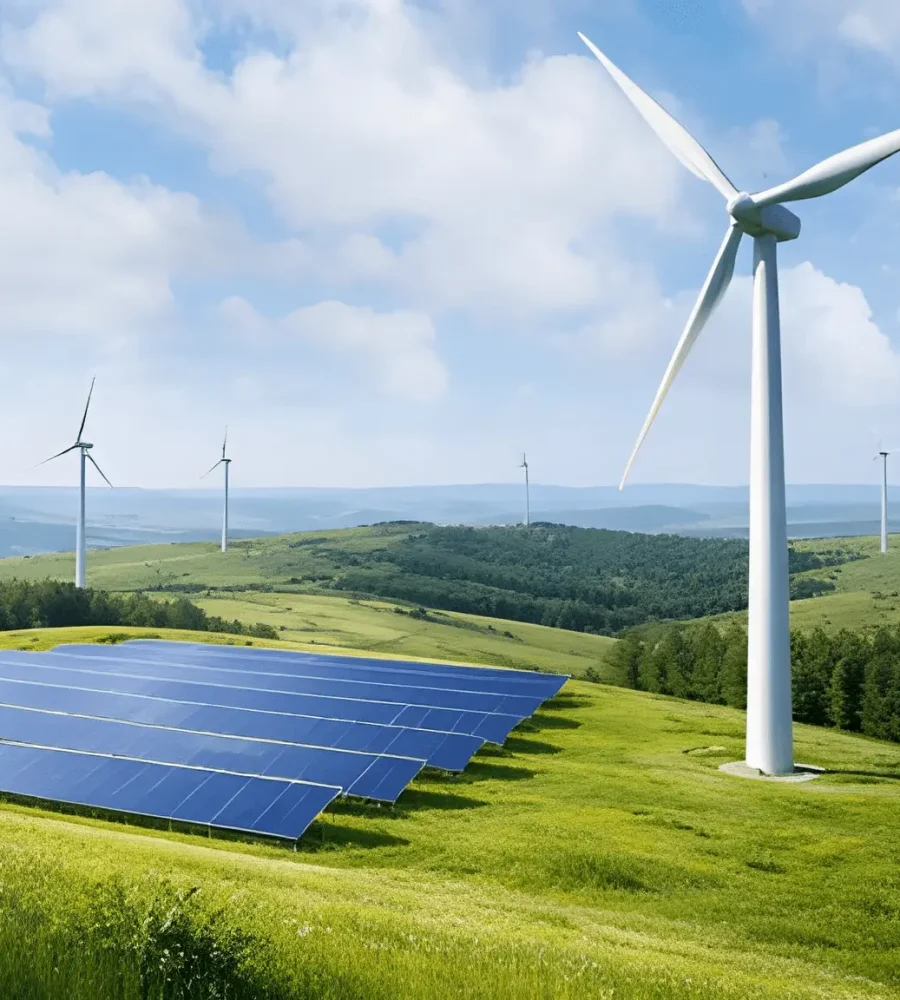
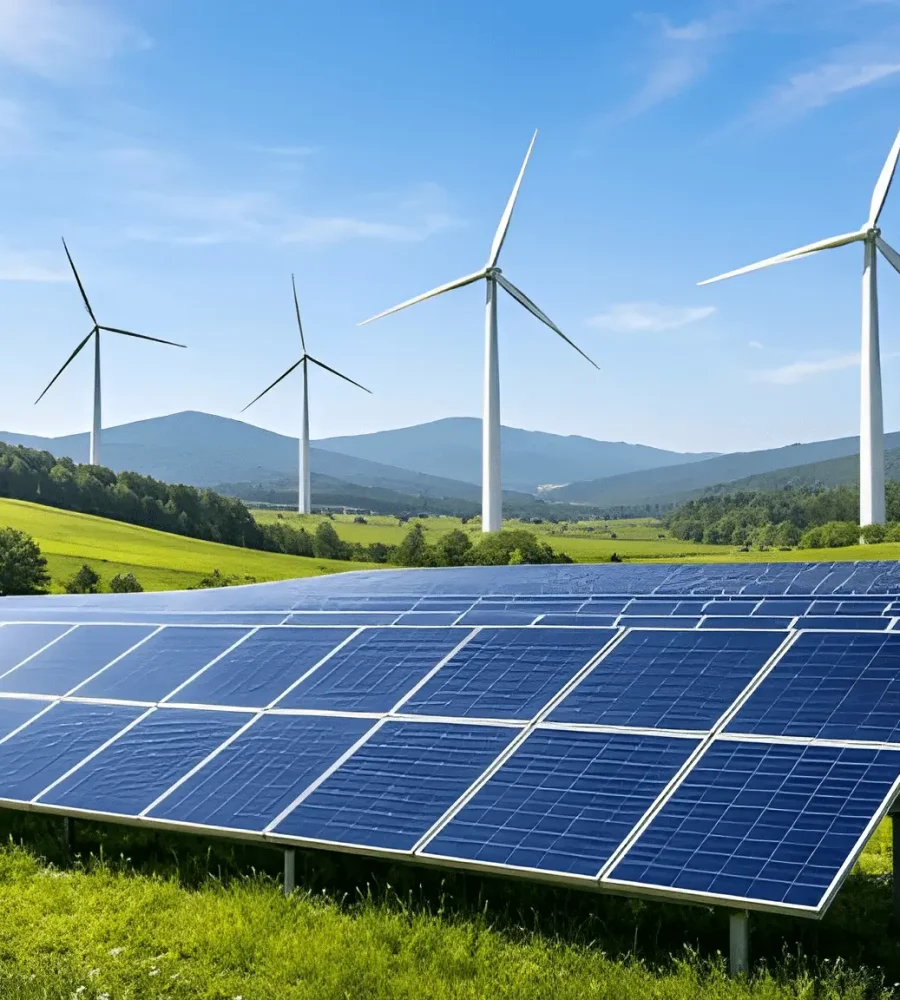
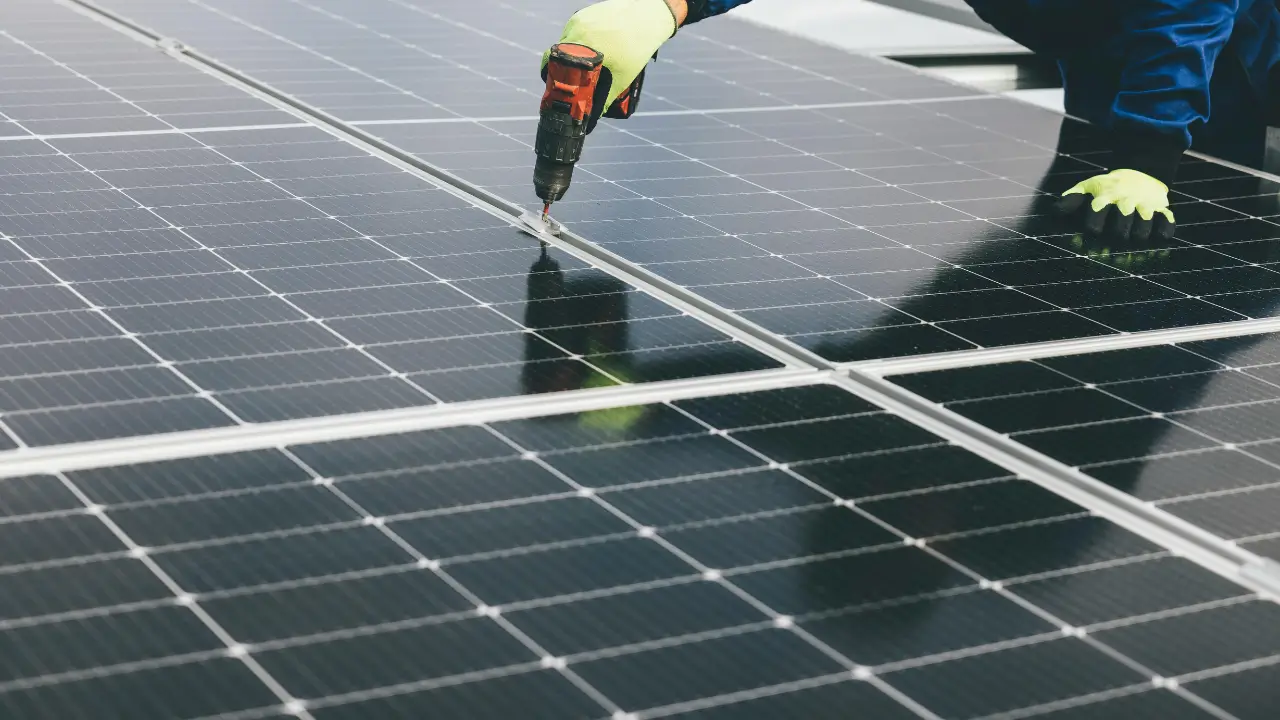
While utilities scale gas generation, another solution sits closer to the load. Distributed energy, especially rooftop solar, offers immediate relief.
Notably, data centers tend to cluster near warehouses, logistics hubs, and large commercial buildings. These facilities often feature wide, flat roofs that remain largely unused. In many cases, they generate little or no electricity today.
Studies from national laboratories show that commercial rooftops represent one of the country’s largest untapped solar resources. Unlike residential systems, these rooftops offer scale and consistency. Equally important, they sit directly beside large electricity loads.
Rooftop Solar Relieves Grid Stress Directly
Rooftop solar delivers value by generating power exactly where demand exists. As a result, it reduces pressure on transmission lines and limits energy losses.
Deployment also moves quickly. In contrast to utility-scale projects, many rooftop systems bypass long interconnection queues. Developers can install and energize them within months rather than years.
Financing has also become simpler. Through power purchase agreements and leases, private capital covers upfront costs. Businesses lock in electricity prices, while ratepayers avoid funding new infrastructure.
States with dense commercial real estate highlight the scale of this opportunity. For example, New Jersey hosts tens of thousands of viable rooftops, yet only a fraction produce power today. In regions with data centers, that unused space offers near-term relief rather than distant promise.
Storage Turns Rooftops Into Reliability Assets
Solar alone cannot supply constant power. However, batteries fundamentally change that equation.
When paired with storage, rooftop solar supports peak demand and grid emergencies. Data centers can shift portions of their load locally, while utilities gain time to complete larger upgrades.
These systems function as microgrids, strengthening resilience rather than undermining centralized control. Demand curves smooth out, emergency generation becomes less frequent, and costs stabilize. Consequently, utilities increasingly view rooftop solar with storage as a complement rather than a threat.
Keeping Benefits Local
Large transmission projects often disrupt communities for years. Meanwhile, their benefits frequently flow elsewhere. Rooftop solar reverses that pattern.
Because generation happens locally, jobs stay local. Reliability improvements also remain local. Communities gain cleaner power without waiting a decade for new transmission lines.
For areas hosting data centers, this approach offers balance. Economic growth no longer requires escalating electricity bills or prolonged infrastructure battles.
A Two-Track Response to Grid Strain
Taken together, natural gas and rooftop solar show how the energy system adapts under pressure. On one hand, gas delivers immediate, large-scale power. On the other, rooftop solar eases congestion and accelerates clean generation at the edge.
Neither solution is perfect. Nevertheless, both stabilize the system and buy time for longer-term fixes.
The Road Ahead
Artificial intelligence will continue to expand. Its appetite for electricity will not pause simply because the grid remains unprepared. In fact, demand will grow more concentrated and less tolerant of outages.
Meeting this challenge will require flexibility. Natural gas will likely remain central in the near term, even as debate continues. At the same time, rooftop solar paired with storage offers a faster and cleaner path forward.
As the digital economy accelerates, the grid will evolve in response. Ultimately, whether that evolution delivers resilience or recurring strain will depend on how quickly these tools move from discussion to deployment, while pressure already mounts.