 Skip to content
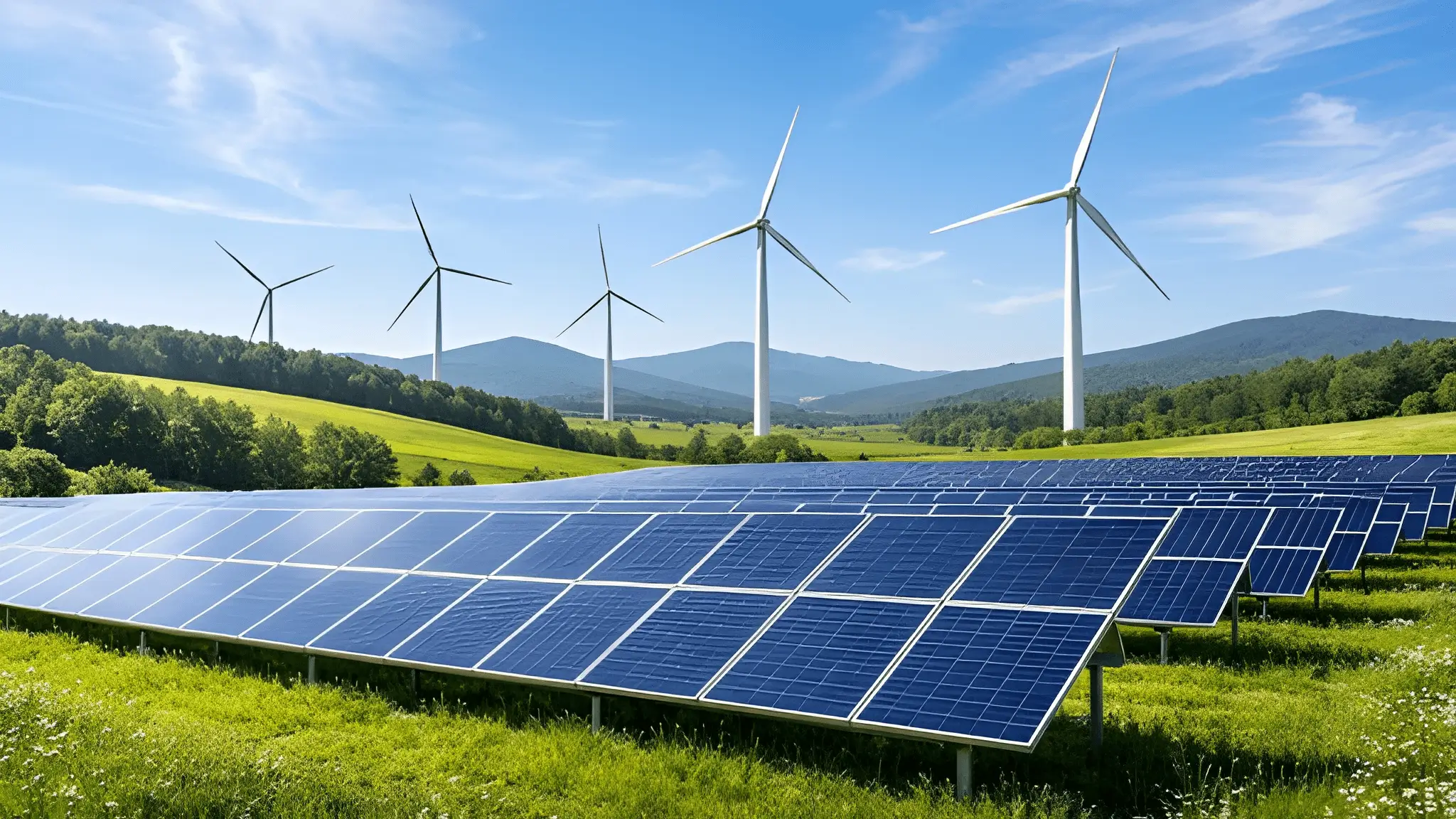
Kyocera Corporation and Cosmo Energy Holdings have formalized a renewable electricity exchange agreement designed to stabilize clean power supply across Japan. The partnership, announced in March 2024, focuses on mitigating one of the sector’s structural weaknesses: intermittency.

The companies will exchange electricity generated from their respective renewable portfolios. Kyocera will supply solar power, while Cosmo Energy, through its subsidiary Cosmo Eco Power, will provide wind-generated electricity. The initiative seeks to maximize what both companies describe as the “environmental value” of renewable energy while ensuring a more consistent feed into the national grid.
This model introduces a coordinated supply mechanism rather than isolated generation, positioning both firms closer to grid-balancing roles typically associated with utilities.
Solar-wind complementarity strengthens supply continuity
The agreement leverages the natural production patterns of solar and wind energy. Solar generation peaks during daylight hours but ceases entirely at night. Wind generation, by contrast, often increases during evening periods or under shifting weather conditions.

By integrating these complementary profiles, the companies aim to reduce volatility in renewable output. The balancing mechanism allows them to deliver a steadier stream of electricity to corporate buyers, addressing a core reliability concern that has historically limited renewable adoption at scale.
This approach signals a transition from capacity expansion to supply optimization—an inflection point for mature renewable markets like Japan. Japan’s evolving regulatory framework has accelerated such collaborations. The country continues to pursue its 2050 carbon neutrality target, while policy reforms reshape how renewable energy enters the market.
The transition from the Feed-in Tariff (FIT) system to the Feed-in Premium (FIP) scheme has shifted responsibility onto producers. Under FIP, companies must secure buyers independently and align generation with demand conditions.
Consequently, energy producers now operate with greater market exposure. This has increased the importance of strategies that enhance predictability and value capture from renewable assets. Kyocera’s and Cosmo Energy’s exchange agreement reflects this shift, as both companies move beyond passive generation into active portfolio management.
Aggregation and corporate PPAs reshape market roles
Kyocera has expanded its position as a renewable energy aggregator, collecting surplus electricity from distributed sources and redistributing it to enterprise customers. This aggregation model enables more efficient utilization of renewable output while supporting corporate decarbonization goals.
Meanwhile, Cosmo Energy has strengthened its green supply chain through corporate power purchase agreements (PPAs). The company has secured deals with major organizations, including Amazon and Tokyo Metro, signaling rising demand for reliable clean electricity among large-scale consumers.
However, intermittent supply remains a constraint in fulfilling such agreements consistently. The exchange mechanism addresses this gap by smoothing delivery profiles without requiring additional generation capacity. The partnership reflects a broader structural change in the renewable energy sector. Companies increasingly prioritize collaboration over competition when managing variable resources.
Instead of competing for limited renewable output, Kyocera and Cosmo Energy are aligning their strengths to improve system-wide efficiency. This model introduces a shared-value framework where operational resilience becomes a collective objective. Moreover, it establishes a replicable template for other market participants navigating similar intermittency challenges.
Demand for low-carbon electricity continues to rise among corporate buyers in Japan, driven by sustainability targets and regulatory pressure. This demand requires not only clean generation but also reliability comparable to conventional power sources.
Hybrid strategies, such as combining solar and wind through coordinated exchanges are emerging as critical enablers of this transition. They offer a pathway to scale renewables without compromising grid stability. As a result, cooperative frameworks like the Kyocera-Cosmo agreement are expected to play a central role in Japan’s energy transition.
The Kyocera and Cosmo Energy partnership underscores a strategic evolution in renewable energy markets. Generation capacity alone no longer defines competitiveness; coordination and reliability now shape value creation.
Therefore, the renewable power exchange model highlights how companies can unlock greater efficiency from existing assets while supporting national decarbonization goals. As Japan advances toward a low-carbon future, such integrated approaches will likely define the next phase of energy innovation.












