 Skip to content
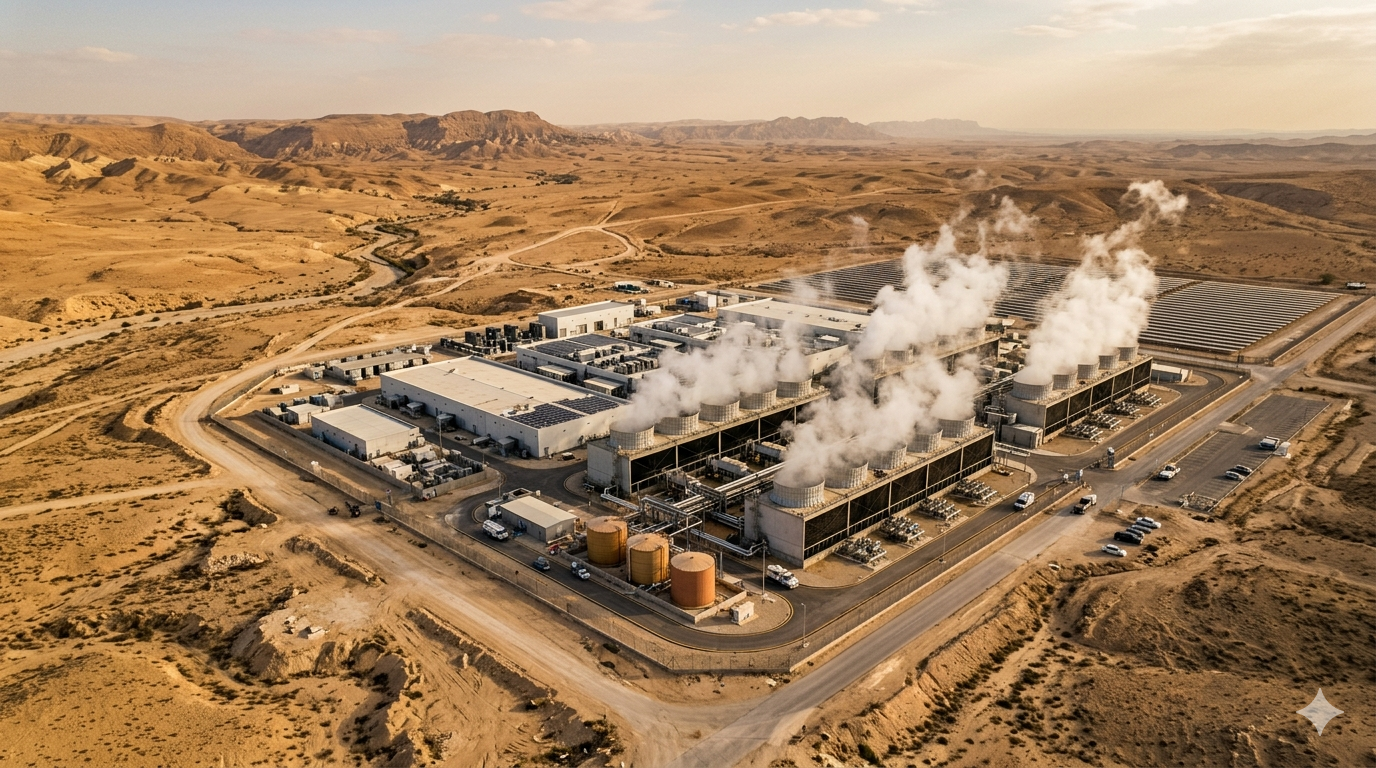
Water has never featured prominently in the public conversation about data center sustainability, but that is changing. The industry’s rapid expansion into markets where water availability is constrained, combined with the dramatically higher cooling demands of AI infrastructure, elevates water consumption from a background operational concern to a strategic constraint that shapes where facilities can be built, how they are designed, and what cooling technologies operators can responsibly deploy. The same period that produced the most ambitious wave of data center construction in the industry’s history also produced the sharpest awareness of the physical limits that water availability places on where that construction can responsibly happen. Those two pressures now collide directly in markets across the American Southwest, parts of Europe, and large portions of Asia where AI infrastructure demand grows fastest.

The water consumption profile of AI data centers differs from that of conventional facilities in ways that compound the challenge. Cooling systems that rely on evaporative heat rejection consume water in proportion to the heat they reject. AI training workloads generate substantially more heat per unit of floor area than conventional compute, which means that the water consumption of an AI-optimized facility using evaporative cooling approaches can substantially exceed that of a comparably sized conventional facility. The transition to higher rack densities does not automatically translate into lower water consumption unless operators also transition away from water-intensive cooling approaches, and that transition carries its own capital cost and operational complexity.
How Cooling Technology Shapes Water Exposure
The relationship between cooling technology selection and water consumption is not linear, and operators who understand this relationship make materially different site development decisions than those who treat cooling as a secondary design consideration. Air-cooled facilities that use dry coolers or air-side economization for heat rejection consume essentially no water in their cooling operations, but they face limitations in the ambient temperatures they can handle efficiently. Evaporative cooling systems consume water continuously during periods when wet-side operation is active, which in hot climates represents a majority of operating hours. Liquid cooling systems that reject heat to chilled water circuits consume water at the chiller plant level, but the rate depends on whether the chiller plant uses evaporative or dry cooling for its own heat rejection.
Immersion cooling systems represent a meaningful shift in the water consumption equation because they eliminate the need for air management within the server environment. Single-phase immersion systems use dielectric fluids that do not evaporate under normal operating conditions, which means that properly managed immersion cooling deployments can approach near-zero water consumption for their cooling function. Two-phase immersion systems require careful fluid management to prevent evaporative losses during server insertion and removal, but their operational water consumption profile still runs substantially lower than evaporative cooling approaches at comparable heat rejection capacities. The capital cost premium of immersion cooling relative to conventional evaporative approaches is therefore partially offset by water cost savings in markets where restrictions create operational constraints that evaporative cooling cannot satisfy.

The Geography of Water Stress
The geographic distribution of water stress does not map neatly onto the geographic distribution of existing data center capacity, which means that the operators most exposed to water scarcity risk are not necessarily those in the markets most commonly associated with water shortage. Northern Virginia, which hosts the largest concentration of data center capacity in the world, draws on Potomac River water resources that face increasing pressure from population growth and agricultural demand. The Phoenix metropolitan area sits in one of the most water-stressed regions of North America despite attracting substantial data center investment based on its abundant land and favorable power costs. Singapore has imposed restrictions on new water-cooled data center approvals that have materially affected development timelines.
Operators who conducted water availability assessments as part of their site selection process before these constraints became acute now hold stronger positions than those who selected sites primarily on power and land economics. The sites they secured may carry cooling technology constraints or operational water use limits that affect their ability to support the highest AI workload densities, but they operate with full visibility into those constraints. Operators who discover water constraints after committing capital to site development face a considerably harder situation, particularly in markets where retrofitting dry cooling or immersion cooling into facilities designed around evaporative approaches involves structural modifications that original construction budgets never anticipated.
The Regulatory Shift
Water use regulation for data centers evolves rapidly in markets where facility operators have become visible consumers of scarce public resources. Singapore’s moratorium on new large-scale water-cooled data centers, subsequently replaced with a framework that allows approved projects meeting specific efficiency thresholds, established a model that other water-stressed governments now evaluate. Arizona is in the early stages of a policy conversation about whether large data center water users should face groundwater restrictions similar to those already imposed on agricultural and industrial users. European water management frameworks now incorporate data center consumption into regional water stress assessments in ways that create regulatory exposure for operators whose cooling strategies rely heavily on evaporative approaches.
The regulatory trajectory in water-stressed markets points consistently toward tighter constraints rather than relaxation. Operators planning facilities with ten-to-twenty-year operating horizons need to evaluate regulatory risk in their cooling technology decisions rather than designing around current rules that may not persist across the facility’s useful life. A cooling system that meets today’s water use regulations in a water-stressed market may fall outside the regulations that govern that market a decade from now. Retrofitting cooling infrastructure after a facility reaches operational status costs substantially more and creates far more disruption than designing for future regulatory conditions from the start.
Why the Industry Response Has Lagged
The data center industry’s response to water scarcity has moved more slowly than its response to comparable pressures on power availability, and the reasons illuminate how infrastructure industries process different categories of constraint. Power availability affects project timelines directly and visibly through interconnection queue delays that operators encounter early in the development process. Water availability affects operational economics and regulatory risk in ways that are more diffuse, develop more gradually, and prove easier to defer until they become acute operational problems. Sustainability reporting frameworks have focused primarily on power usage effectiveness and carbon emissions, which means that water consumption metrics receive less rigorous management attention than power metrics even where the operational stakes compare favorably.
The shift toward AI workloads compresses the timeline on which water scarcity moves from background concern to operational crisis for operators in water-stressed markets. The combination of higher cooling demand per unit of floor area and regulatory trends that tighten water use allowances creates a window in which operators who address cooling strategy now hold a meaningful advantage over those who defer. The cooling technology investments that reduce water exposure carry higher upfront capital costs but provide insurance against regulatory and operational risks that grow increasingly material in the markets where AI infrastructure demand runs highest. Water scarcity is not a future problem for data center operators in the most constrained markets. It is a present constraint that already shapes which facilities get built, where they get built, and how they operate.












