
The renewable energy certificates sustainability debate has been happening at the margins of the AI infrastructure industry for years. A data center operator draws power from a gas-fired grid in Ireland, or Texas, or Singapore. Simultaneously, or sometimes months after the fact, it purchases renewable energy certificates from a wind farm in Scotland. The certificates are retired against the operator’s consumption. The operator reports itself as running on 100 percent renewable energy. The electrons it actually consumed came from burning gas. This transaction is legal. It is standardised. It is accepted by most corporate sustainability reporting frameworks. And it is not, in any meaningful physical sense, a sustainability strategy.

It is an accounting strategy that produces a clean energy narrative on paper while making no measurable contribution to the actual decarbonisation of the electricity the facility consumed. The EU AI Act, mandatory disclosure frameworks advancing through European regulatory channels, and the growing gap between what operators claim and what grid data shows are about to move this from the margins to the centre of the compliance conversation.
What a Renewable Energy Certificate Actually Does and Does Not Do
A renewable energy certificate represents proof that one megawatt-hour of electricity was generated from a renewable source and added to the grid somewhere. When a data center purchases and retires a certificate, it is claiming the environmental attribute of that generation for its own sustainability accounting. It is not claiming that the electrons flowing through its servers came from that renewable source. Once electrons enter the grid, they mix. There is no mechanism to route specific electrons from a Scottish wind farm to a server room in Dublin. The certificate is a financial instrument, not a physical one.
Unbundled certificates, which are purchased separately from the underlying electricity, are the most problematic form. They allow an operator consuming power from a coal-heavy grid in Poland to purchase certificates from a solar project in Spain and declare carbon-neutral operations. The renewable generation occurred. The carbon accounting credit was assigned. The data center’s actual power source did not change. Data Center Dynamics has described unbundled RECs directly as greenwash. The Rocky Mountain Institute’s analysis concluded that certificates can be purchased separately from electricity and critics have accused corporations of using them for greenwashing. These are not fringe positions. They reflect a consensus among the analysts and researchers who have examined what certificates actually accomplish.

The Gap Between What Certificates Claim and What Grid Data Shows
The gap between what operators report using certificates and what grid data shows about their actual power sources is large enough to matter at the scale the AI infrastructure buildout has reached. A data center that claims 100 percent renewable energy through certificate purchases while drawing from a grid with a 40 percent fossil fuel generation mix is not operating on 100 percent renewable energy. It is operating on a 40 percent fossil fuel mix and holding a financial instrument that lets it report otherwise.
That gap is not hypothetical or marginal. It is the dominant operational reality for the majority of data centers in markets where 24-hour renewable supply does not exist at grid scale. The AI infrastructure market has committed hundreds of billions of dollars in capital against the assumption that operations powered by certificate purchases meet corporate sustainability commitments. The EU’s mandatory sustainability labeling framework for AI is being designed around a different assumption: that verified, audited disclosure of actual environmental footprint is what the framework will require, not the marketed version that certificate-based reporting produces. The operators who built their carbon-neutral claims on certificate purchases rather than genuine additionality are the ones whose disclosures will not survive mandatory verification. That is not a small group.
The Difference Between Certificates and Genuine Additionality
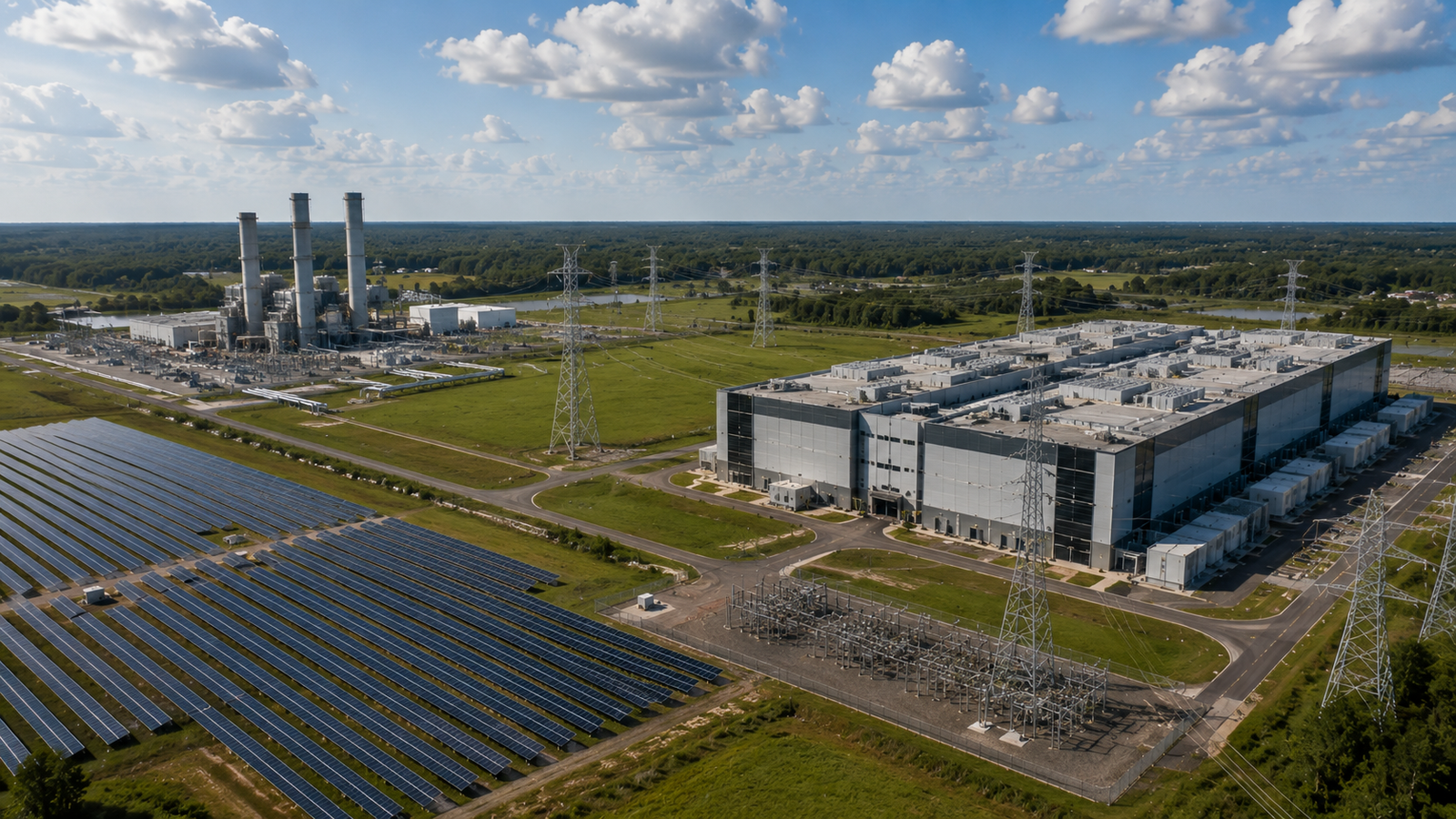
The alternative to certificate-based sustainability accounting is not theoretical. It exists and is commercially deployed by the operators who chose to build genuine clean energy positions rather than purchase accounting instruments. The distinguishing feature is additionality: does the operator’s clean energy procurement actually cause new renewable generation capacity to be built that would not otherwise have existed?
A 15-year fixed-price power purchase agreement with genuine additionality requirements, which funds the construction of a solar or wind project that would not be economically viable without the offtake commitment, is a fundamentally different instrument from an unbundled certificate purchased from an existing wind farm in a different country on a different grid. The PPA causes new clean generation to exist. The certificate documents that clean generation exists somewhere. The first changes the physical energy system. The second changes a line in a sustainability report.
The operators who signed genuine additionality PPAs in 2022 and 2023, when certificate-based reporting was the industry norm, are now holding cost structures and disclosure positions that are materially more defensible under the incoming mandatory frameworks. They are also holding long-term electricity cost certainty that the operators relying on certificate-based reporting cannot match, because their renewable energy is priced at fixed PPA rates while certificate purchasers are exposed to market electricity pricing plus the cost of whatever certificates they need to maintain their claims.
What the Incoming Regulatory Framework Will Actually Require
The EU Energy Efficiency Directive now requires operators above a certain threshold to disclose energy and sustainability data into a centralised database with verified metrics. The framework being built around the EU AI Act’s sustainability labeling requirements will demand audited disclosure of actual environmental footprint, not the marketed version. The distinction between what mandatory verification will require and what most current sustainability disclosures provide is the gap that the industry is not yet taking seriously enough.
Mandatory frameworks do not care what certificates an operator purchased. They will ask what power mix the facility actually drew from, at what times, on what grid. Hourly matching, which Microsoft attempted to commit to under its 100/100/0 by 2030 goal before the AI buildout made it untenable, is the direction mandatory frameworks are moving. Annual matching through certificate purchases is the current standard. The direction of travel in regulatory frameworks is clearly toward greater temporal and geographic granularity, not toward continued acceptance of the accounting convenience that unbundled annual certificates provide.
The operators who are preparing for that framework now are the ones building 24/7 carbon-free energy procurement strategies, genuine additionality PPAs, and on-site renewable generation that matches their actual load profiles. The operators who are continuing to rely on certificate-based reporting as their primary sustainability strategy are preparing for a disclosure environment that existed in 2022, not the one that mandatory frameworks are building toward. The sustainable AI buildout requiring data centers to be built around ESG first is not a future aspiration. It is an incoming regulatory requirement, and the compliance gap between certificate-based reporting and genuine additionality is wider than most operators have publicly acknowledged.











