
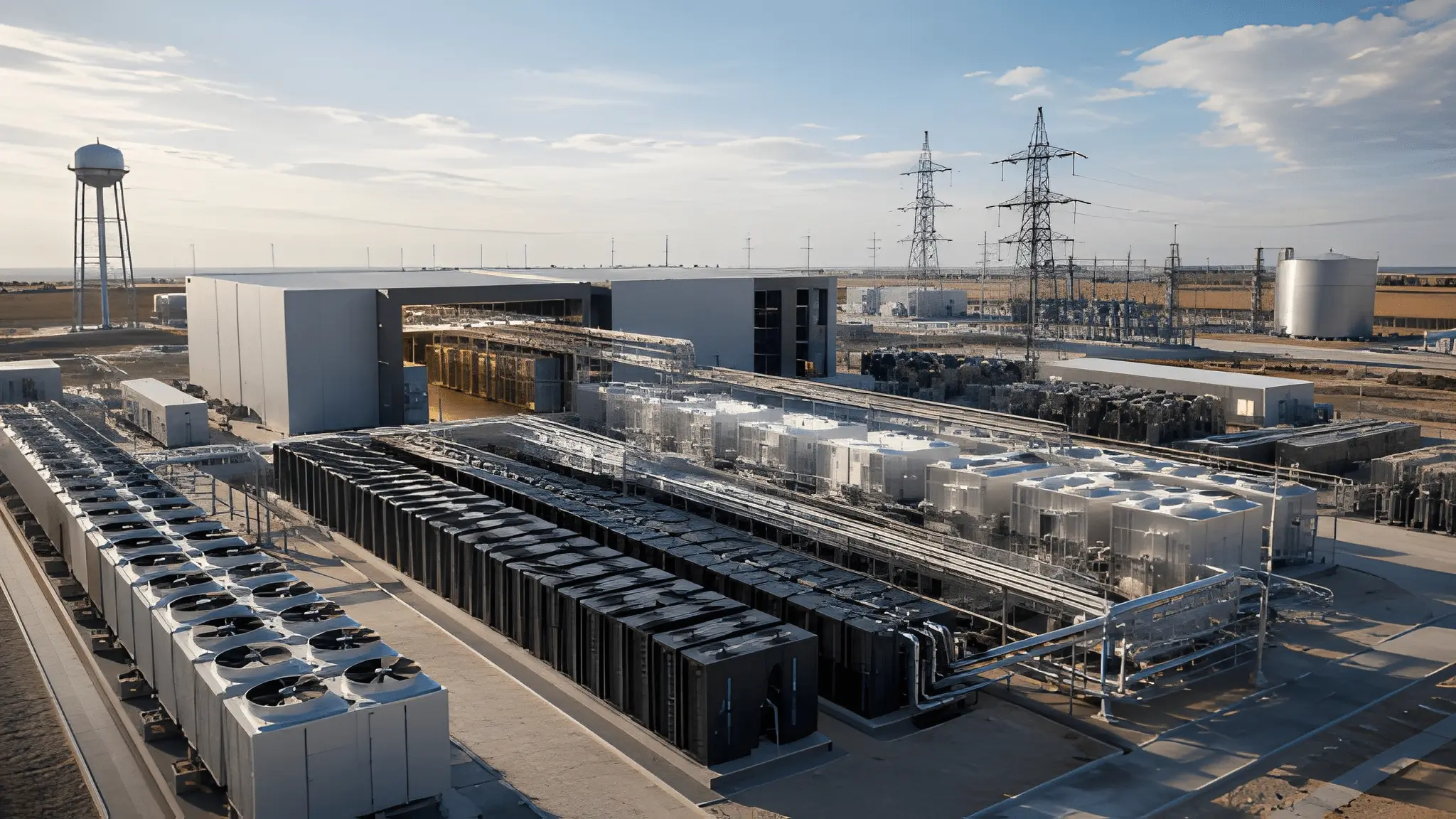
OpenAI is preparing one of the largest artificial intelligence infrastructure projects ever proposed in the United States, pairing a planned investment exceeding $30 billion with an unusually aggressive community engagement strategy. The company intends to develop a 3.2-gigawatt data center campus in Effingham County near Savannah, Georgia, marking a significant shift in how hyperscale AI infrastructure is planned, financed, and presented to local communities. Beyond the scale of the investment, OpenAI is also assuming direct control over the facility’s architectural and engineering design instead of relying solely on infrastructure partners.
Meanwhile, the company plans to publish many of those design frameworks as open-source resources, signaling a broader ambition to influence industry standards rather than simply expand computing capacity. The proposed development, internally known as Project Camellia, would become one of OpenAI’s largest infrastructure assets once completed. According to Bloomberg, the company has secured an agreement with Georgia Power for 3.2 gigawatts of electricity, enough generating capacity to rival some of the world’s biggest AI computing campuses.
OpenAI Takes Direct Control of Infrastructure Design
The Georgia project also reflects an important evolution in OpenAI’s infrastructure strategy. Instead of functioning primarily as a tenant inside partner-operated facilities, the company is now leading data center planning, engineering, and design decisions itself. This represents a notable departure from earlier expansion efforts that relied more heavily on infrastructure partners to develop physical campuses. OpenAI’s Stargate infrastructure initiative originally emerged through collaboration with Oracle and SoftBank. While those partnerships continue to evolve across different projects, OpenAI has increasingly positioned itself as the organization directing facility planning and long-term infrastructure architecture. The strategy allows the company to optimize construction timelines, hardware integration, and operational efficiency while creating repeatable designs for future AI campuses.
“There’s a bunch of lessons around how these things should be designed,” Katti said, that “cut costs as well as make it faster to build.” The company also intends to release blueprints covering data centers, networking systems, and supporting hardware under an open-source model. The approach mirrors the philosophy introduced through Meta’s Open Compute Project in 2011, which reshaped infrastructure design across the cloud computing industry by making engineering specifications publicly available.
Investment Could Exceed $30 Billion Over Full Build-Out
OpenAI has committed approximately $20 billion in Effingham County to qualify for an incentive package that local officials will vote on this week. However, the company will likely invest significantly more as construction advances through multiple phases. “At the full 3.2GW, the bill would top $30bn,” said Sachin Katti, its vice-president of compute strategy. OpenAI plans to build the campus over several years, bringing several hundred megawatts of capacity online in 2028 before completing the remaining build-out by 2032. The company is also seeking infrastructure and financial partners to help fund and develop portions of the project as it expands. The proposed scale underscores the growing financial intensity of AI infrastructure development. Multi-gigawatt campuses increasingly demand investment levels comparable to large-scale energy or transportation projects, reflecting the unprecedented computing requirements of next-generation artificial intelligence models.
Although OpenAI is committing record levels of capital to Georgia, the company has become increasingly selective about where it expands globally. Recent reports indicate it has paused projects in both the United Kingdom and Norway while also deciding against further expansion of its flagship Texas campus. Those decisions suggest OpenAI is concentrating investment into strategically selected regions capable of supporting long-term AI infrastructure growth rather than pursuing simultaneous expansion across multiple international markets. The company is also reportedly managing spending carefully as speculation surrounding a future public listing continues. Competitive pressure across the AI infrastructure sector remains intense. Anthropic has secured more than 300 megawatts of capacity at SpaceX’s Colossus 1 facility in Memphis, while Meta has announced commitments exceeding $250 billion toward a massive AI campus in Louisiana. These developments illustrate how leading AI developers increasingly compete through physical computing infrastructure alongside advances in AI models.
Community Engagement Becomes Core Infrastructure Strategy
The Georgia project also demonstrates how public acceptance has become a critical factor in hyperscale data center development. Large AI campuses increasingly face questions from local communities regarding electricity consumption, water usage, utility costs, and long-term environmental impacts. As a result, OpenAI has introduced an extensive package of commitments designed to address those concerns before construction advances. The company says it will cover the full cost of required electrical infrastructure improvements under Georgia regulations, preventing those expenses from being transferred to existing utility customers. It also plans to reduce electricity demand during periods of peak grid usage while deploying a closed-loop cooling system intended to minimize water consumption.
Additional commitments include contributing hundreds of millions of dollars in tax revenue, establishing a community investment fund, and providing AI education credits for local students. OpenAI has also begun direct engagement with county officials before expanding conversations to local residents. “All issues are going to be local,” he said. According to global affairs chief Chris Lehane, the company has already met county officials and will begin community discussions with residents starting Thursday. Additionally, OpenAI plans to commission an independent audit that will evaluate whether it fulfills the commitments made throughout the project’s development.
Georgia Project Reflects the Next Phase of AI Infrastructure Competition
OpenAI’s Georgia investment illustrates how hyperscale AI infrastructure has entered a new phase where engineering excellence alone no longer determines project success. Access to power remains fundamental, but developers must now demonstrate measurable benefits for surrounding communities while addressing concerns about electricity demand, environmental impact, and long-term regional development. Project Camellia therefore represents more than another large data center announcement. It signals an emerging industry model where infrastructure ownership, open engineering standards, and community partnerships become strategic advantages alongside computing scale. Whether OpenAI’s approach succeeds will likely influence how future multi-gigawatt AI campuses secure public support across North America and beyond.











