
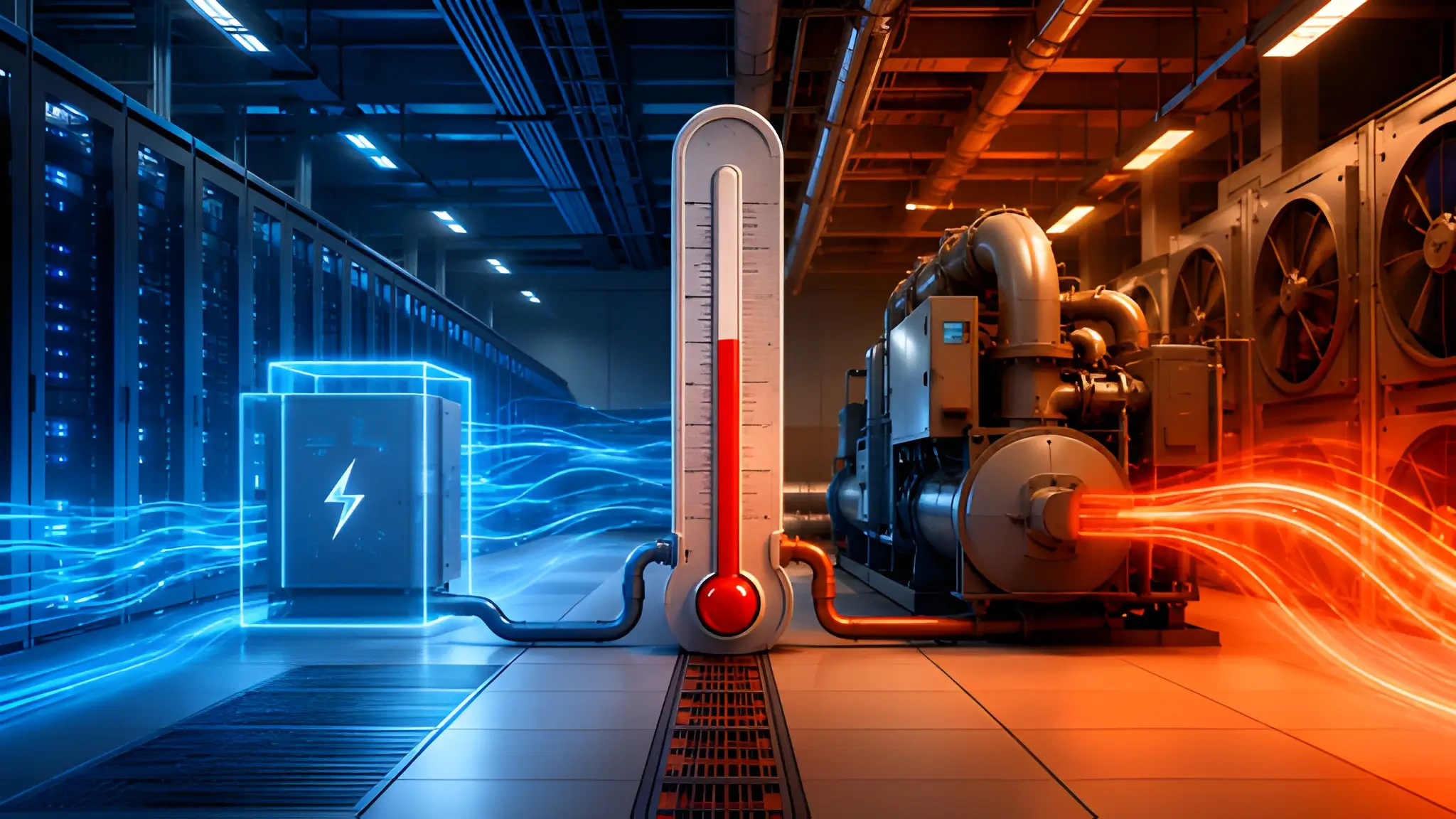
Power negotiations often conclude long before operational constraints reveal themselves inside a live facility. Infrastructure teams may secure additional electrical allocation, expand switchgear, and reserve upstream utility capacity without realizing that thermal systems will determine whether those investments translate into productive computing resources. The limitation often develops without equipment failure because every additional rack increases the amount of heat that the cooling plant must continuously reject to maintain recommended environmental conditions. During planning, electrical and mechanical infrastructure are frequently modeled using separate engineering assumptions that must ultimately be validated together during integrated facility operation. Organizations that understand this relationship early avoid expensive expansion cycles that deliver significantly less computational output than expected. Power availability alone has never guaranteed deployable infrastructure because every kilowatt consumed by information technology ultimately becomes heat requiring continuous removal.

Chilled water systems, cooling towers, pumps, control logic, airflow distribution, and heat rejection equipment collectively establish the practical operating ceiling of an installation. Operators therefore encounter situations where electrical infrastructure retains unused headroom while thermal infrastructure reaches operational limits under sustained workloads. Capacity planning consequently becomes an exercise in understanding the interaction between electrical distribution efficiency and mechanical performance instead of evaluating either discipline independently. Operational dependencies between electrical infrastructure and cooling systems directly influence capital utilization, expansion planning, and infrastructure performance, making integrated capacity reporting an established engineering and operational management practice. Engineering guidance increasingly emphasizes evaluating both available electrical capacity and sustained cooling capability together because reliable information technology operation depends on maintaining both electrical and thermal limits within their designed operating ranges.
The MW You Paid For Is Not The MW You Can Use
Contracts usually define electrical allocation according to provisioned utility service, transformer capacity, and downstream distribution equipment rather than thermal operating limits. That distinction remains largely invisible during procurement because infrastructure drawings present available power as an engineering specification instead of an operational outcome. Once workloads begin increasing, cooling equipment determines how much of that electrical allocation can remain active without exceeding temperature thresholds or reliability targets. Facilities may therefore possess unused electrical infrastructure that cannot support additional servers because the cooling plant reaches its sustainable operating envelope first. When electrical distribution equipment retains available capacity while cooling systems reach their operating limits, additional information technology equipment cannot be deployed safely until thermal capacity is increased. Electrical expansion cannot increase deployable information technology capacity unless the supporting cooling infrastructure can continuously remove the additional heat generated by the higher electrical load.
Thermally usable electrical capacity depends upon the combined efficiency of chillers, heat exchangers, pumping systems, airflow management, and environmental control strategies operating together under real conditions. Design assumptions frequently rely upon standardized environmental inputs, equipment efficiencies, and projected utilization profiles that inevitably change during production operations. Seasonal weather, equipment aging, fouling, control sequence adjustments, and evolving rack densities gradually reshape the effective thermal margin available across the installation. Consequently, organizations that monitor only electrical utilization may believe substantial growth remains possible while mechanical systems steadily consume available operating flexibility. Capacity discussions therefore require operational measurements reflecting actual thermal performance rather than relying exclusively upon commissioning documentation prepared before production workloads existed. Infrastructure investments achieve their intended value only when electrical provisioning and cooling capability remain aligned throughout the facility’s operating lifecycle.

Why Stranded Capacity Shows Up After Commissioning
Commissioning validates that installed systems perform according to predefined acceptance criteria under controlled testing conditions rather than continuously changing production environments. Engineers confirm equipment sequencing, redundancy behavior, temperature stability, and operational readiness before facilities receive sustained computational loads. Those successful outcomes establish confidence that infrastructure satisfies design intent, yet they cannot permanently represent every operating condition encountered throughout years of production service. Computing density evolves, workload characteristics shift, environmental conditions fluctuate, and maintenance practices gradually influence mechanical efficiency after initial acceptance activities conclude. Chiller performance also changes with condenser water temperature, partial loading behavior, and equipment condition, creating operating characteristics that differ from laboratory performance assumptions. Facilities therefore experience an expanding gap between commissioned capability and sustained operational capability without experiencing any obvious equipment malfunction.
Operational performance can differ from commissioning results because equipment efficiency changes with operating conditions, environmental variables, maintenance history, and production workloads throughout the facility lifecycle. Every incremental reduction in cooling efficiency increases auxiliary energy demand while simultaneously reducing thermal headroom available for computing equipment. Plant operators often compensate through conservative operating limits that preserve reliability instead of maximizing utilization during uncertain thermal conditions. Meanwhile, electrical infrastructure may continue reporting available capacity despite mechanical systems approaching operational thresholds that cannot safely accommodate additional server installations. Asset utilization therefore declines without corresponding electrical shortages because practical deployment decisions increasingly reflect cooling limitations rather than utility availability. Organizations that continuously recalibrate operational models against measured plant performance identify emerging stranded capacity before expansion projects encounter unexpected deployment restrictions.
The PUE Overshoot That Shrinks Your White Space
Power usage effectiveness represents the relationship between total facility energy consumption and information technology energy consumption rather than serving as a direct indicator of available expansion capacity. Small deviations from modeled mechanical efficiency can nevertheless influence deployable computing space because supporting infrastructure consumes a larger share of available electrical resources. Higher chiller energy demand, increased pumping requirements, inefficient airflow distribution, or control optimization challenges collectively reduce electrical capacity remaining for productive computing equipment. Operators may therefore observe partially occupied white space despite adequate upstream electrical infrastructure because facility support systems consume more energy than anticipated. This outcome rarely appears dramatic on a single operating day, yet accumulated operational inefficiencies steadily compress expansion flexibility over extended periods. Infrastructure planning requires periodic operational validation because higher-than-expected energy consumption by supporting systems reduces the electrical capacity available for information technology equipment within a fixed facility power envelope.
White space planning consequently depends upon continuous verification of actual mechanical performance rather than assuming that original design calculations remain permanently representative. Infrastructure management platforms increasingly integrate electrical monitoring with thermal analytics because isolated reporting obscures interactions influencing deployable computing capacity. Facilities achieving similar efficiency metrics may still deliver substantially different operational outcomes depending upon cooling architecture, rack distribution, environmental conditions, and control optimization practices. Therefore, expansion decisions require evidence demonstrating sustainable thermal operation under projected production conditions instead of relying solely upon available electrical distribution capacity. Executive stakeholders benefit from reporting frameworks that distinguish installed infrastructure from continuously deliverable infrastructure because those measurements directly influence revenue-generating deployment opportunities. Mechanical performance has therefore become an operational variable with measurable consequences extending far beyond energy consumption alone.
Usable Megawatts Is The Only Metric That Matters Now
Capacity planning requires evaluating both installed electrical infrastructure and sustained cooling capability because deployable information technology load depends on the continuous performance of both systems. Installed electrical systems, utility agreements, and redundant distribution equipment remain essential assets, yet they cannot independently guarantee deployable computing growth under production conditions. Engineering practice evaluates sustained information technology load using both electrical distribution capacity and cooling system capability because reliable facility operation requires both systems to remain within their designed operating limits. Separately documenting provisioned electrical capacity and operational information technology capacity allows infrastructure teams to compare installed capability with deployable capability under measured operating conditions. This perspective creates more realistic expectations regarding expansion schedules, infrastructure utilization, and capital productivity across evolving computing environments. Infrastructure strategy increasingly rewards organizations capable of translating provisioned resources into consistently deployable computational capability throughout changing operational conditions.
Infrastructure planning evaluates both installed electrical capacity and sustained operational performance because continuous computing availability depends on electrical distribution, cooling performance, and environmental operating conditions working together. Cooling performance has become an integral determinant of infrastructure economics rather than simply an engineering support function operating behind electrical systems. Quantifying both installed electrical capacity and sustained operational information technology capacity provides a more complete engineering assessment of deployable infrastructure during capacity planning and expansion analysis. Ultimately, organizations that continuously measure operational alignment between electrical infrastructure and mechanical performance reduce the likelihood of discovering stranded investment after deployment decisions have already been funded. Reporting sustained operational capacity alongside installed electrical capacity provides a technically accurate representation of the computing load that the facility can continuously support under verified operating conditions. That distinction transforms infrastructure reporting from an inventory exercise into an operational measurement directly connected to business execution and long-term capital efficiency.











