
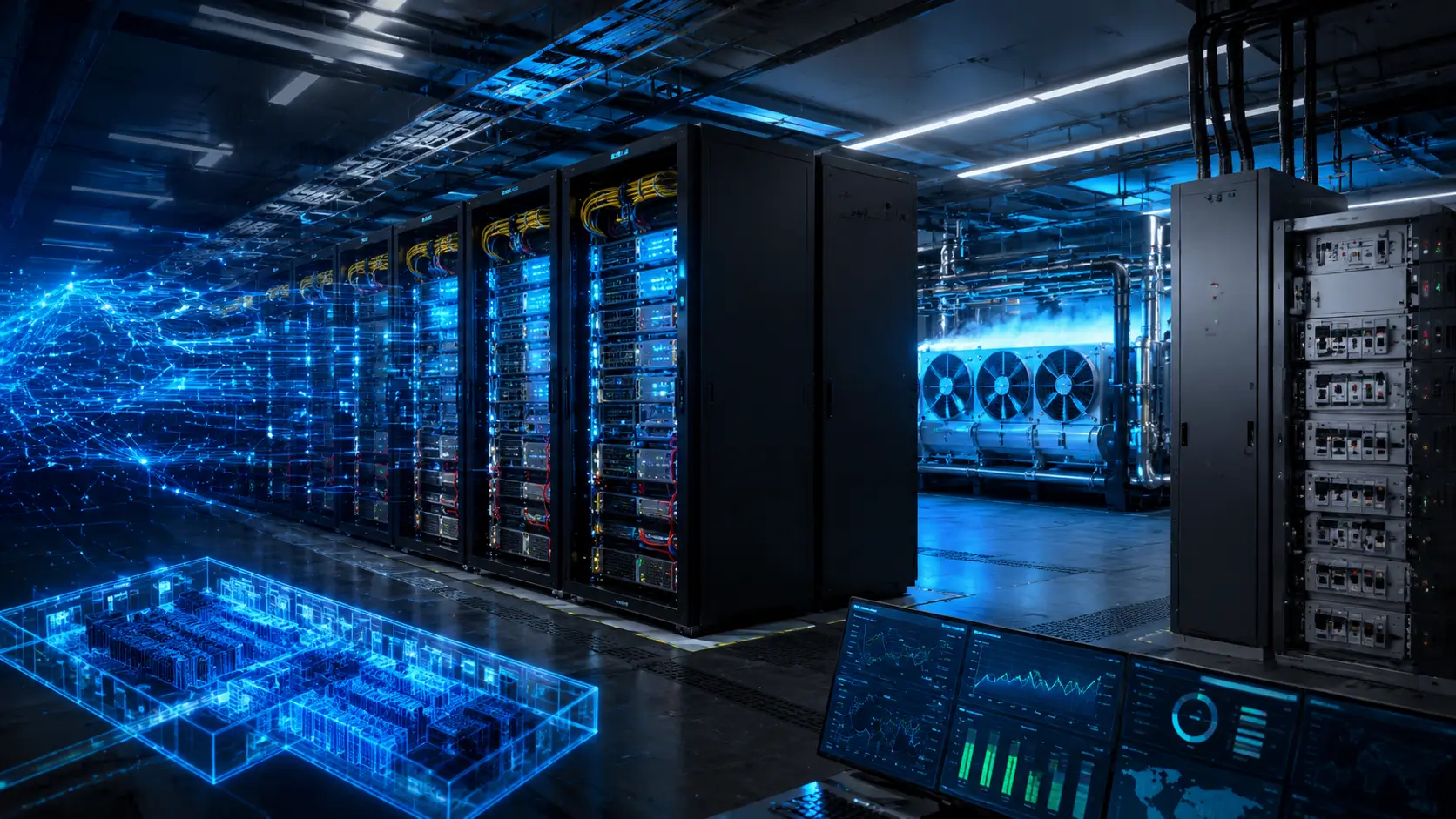
Artificial intelligence infrastructure is often discussed through the lens of processors. Advanced GPUs and accelerators receive significant attention because they provide the computing power required for demanding AI workloads. However, the hardware inside a server is only one part of the equation. The environment supporting that hardware determines how effectively AI systems perform in real-world conditions. Networking, rack engineering, cooling systems, power delivery, and operational practices all influence the success of AI deployments. An AI-ready data center is not defined only by the processors it contains. It is defined by how well every infrastructure layer works together to support changing AI requirements.

Traditional data center designs focused heavily on predictable workloads and stable application requirements. AI workloads introduce different infrastructure considerations because many applications require faster communication between systems, stronger resource coordination, and greater operational visibility. Advanced AI environments can involve significant data movement, distributed processing, and specialized computing requirements. These demands create closer relationships between computing systems and supporting infrastructure. The result is a shift from hardware-focused planning toward complete infrastructure design. AI-ready data center architecture reflects this change by treating every infrastructure layer as part of the workload experience.
The need for adaptable infrastructure is becoming more important as artificial intelligence continues to evolve. New models, software frameworks, and deployment methods continue changing how organizations use AI technologies. Infrastructure built only for current requirements may become difficult to expand when future workloads introduce different needs. Modern AI planning therefore considers both present performance and future flexibility. Network architecture, rack design, cooling strategies, power systems, and operational processes must work together from the beginning. Looking beyond GPUs provides a clearer understanding of what makes an AI-ready data center capable of supporting long-term innovation.
Why AI-Ready Data Centers Require More Than GPU Deployment
AI workloads change how infrastructure teams think about computing because performance depends on more than processing capability. Many advanced AI workloads rely on communication between multiple systems during training, inference, and data processing activities. These workloads may require coordinated interaction between processors, memory systems, storage platforms, and networking environments. A limitation in one area can influence the overall workload experience. This makes infrastructure planning more complex because teams must evaluate how different systems operate together. AI-ready environments focus on this relationship instead of treating each component as an independent element.

The infrastructure surrounding AI hardware plays an important role in workload performance. A powerful processor may not deliver expected results if other systems create limitations. Network delays, insufficient cooling capacity, limited power planning, or weak operational visibility can affect how effectively computing resources operate. Infrastructure teams must therefore evaluate the complete environment before deploying advanced AI systems. This approach helps identify potential limitations early and creates a stronger foundation for future growth. AI readiness depends on coordination between multiple infrastructure layers rather than one individual technology choice.
AI applications also create different operational requirements depending on their purpose. Training environments, inference platforms, automation systems, and analytical applications may place different demands on infrastructure. A design optimized for one workload type may not provide the flexibility required for another. This is why adaptable architecture has become an important consideration for AI deployments. Flexible infrastructure allows organizations to adjust resources as applications evolve. AI-ready data centers support this change by creating environments that can respond to different workload requirements.
Network Architecture Becomes the Communication Foundation
Network architecture plays a critical role in AI-ready data centers because many advanced AI workloads depend on efficient communication between systems. Traditional networks primarily connected users, applications, storage systems, and servers. AI environments often require stronger communication between computing resources themselves. Distributed AI workloads can involve continuous exchanges between processing systems during complex operations. The network must support these interactions while maintaining reliable performance. This makes networking a core part of AI infrastructure design rather than only a connectivity layer.
Different AI activities create different networking requirements. Model development, training operations, inference workloads, and data preparation processes may use network resources in different ways. Infrastructure teams must understand these patterns when designing network systems. A network designed without workload awareness may create performance limitations even when computing resources are highly capable. Effective AI networking requires careful planning around connectivity, traffic management, and future expansion. The goal is to create a communication environment that supports current workloads while remaining adaptable.
Future AI networking strategies will likely continue focusing on flexibility because workload requirements can change as technologies develop. Organizations may introduce new computing platforms, software frameworks, or AI applications that create different communication needs. Flexible network architectures allow teams to adjust without replacing the entire infrastructure foundation. This reduces operational disruption and supports gradual technology adoption. Network flexibility therefore becomes an important characteristic of AI-ready environments because communication requirements continue evolving.
Rack Design Becomes a Strategic Infrastructure Layer
Rack design has become a more important consideration for AI-ready data centers because physical organization influences how infrastructure performs and scales. A rack is no longer only a structure that holds servers and networking equipment. Its design affects power delivery, cooling efficiency, cable management, maintenance access, and future expansion. AI deployments often combine advanced computing systems with complex networking and power requirements. This creates a need for careful physical planning before equipment is installed. A well-designed rack environment helps infrastructure teams manage complexity while maintaining operational consistency.
AI systems often require stronger coordination between computing equipment and supporting infrastructure. Cable routing, equipment placement, and component accessibility become important because technicians need clear visibility during maintenance activities. Poor rack organization can increase operational challenges by making troubleshooting and upgrades more difficult. Structured rack designs help teams understand how different components connect within the environment. This improves maintenance efficiency and reduces unnecessary disruption during infrastructure changes. Rack architecture therefore becomes part of the broader strategy for managing AI infrastructure effectively.
Technology changes also influence rack planning because computing platforms continue evolving. A rack configuration designed for one hardware generation may face limitations when newer systems introduce different physical requirements. Flexible rack designs allow infrastructure teams to support updated equipment without major redesign efforts. This approach protects existing infrastructure investments and provides greater freedom during technology transitions. AI-ready environments benefit from physical designs that can adapt as workload requirements change. Flexibility becomes a practical requirement for long-term infrastructure planning.
Some AI deployments require greater attention to rack-level planning because high-performance computing systems can combine advanced processors with significant networking and power requirements. The challenge is not simply placing more equipment into available space. Engineers must also maintain reliable operation, effective cooling, and practical maintenance procedures. Rack design decisions influence how easily teams can manage equipment throughout its operational lifecycle. This makes physical planning an important part of AI infrastructure development. The best designs balance computing capability with operational simplicity.
Rack organization also affects troubleshooting because complex AI environments contain many connected systems. Clear layouts help technicians identify relationships between servers, networking equipment, power connections, and cooling systems. This visibility can reduce the time required to diagnose operational issues. A structured environment also supports safer maintenance because teams can make changes with better understanding of system dependencies. Rack design can contribute to operational resilience by improving management and maintenance practices. It becomes one supporting element within a larger reliability strategy.
Standardization is another important consideration because AI environments may contain different hardware generations and infrastructure requirements. Consistent rack practices help teams manage equipment more effectively while allowing room for future changes. Standardized processes reduce complexity because operational teams can follow established methods during deployment and maintenance activities. This becomes increasingly valuable as infrastructure grows more complex. AI-ready rack architecture supports both current operations and future technology adoption through better organization and planning.
Cooling Readiness Defines AI Infrastructure Capability
Cooling has become a major design consideration for AI-ready data centers because advanced computing systems can create different thermal challenges compared with many traditional workloads. High-performance computing environments require careful thermal planning because heat generation can influence equipment reliability and operational stability. Cooling decisions affect rack placement, equipment selection, monitoring strategies, and infrastructure expansion plans. AI-ready data centers therefore treat cooling as part of the initial architecture rather than as an additional requirement after deployment. Effective thermal planning helps create a more predictable operating environment.
Traditional airflow-based cooling continues supporting many environments, but some AI deployments require deeper evaluation of cooling strategies. Changes in computing technologies and workload intensity can influence thermal requirements over time. Infrastructure teams need to understand how equipment placement, airflow patterns, and monitoring systems interact. A cooling approach that works for one deployment may require adjustment as infrastructure evolves. Flexible thermal strategies allow organizations to respond to changing requirements without unnecessary disruption. Cooling readiness therefore involves both current capability and future adaptability.
Future AI hardware may introduce new thermal characteristics that require different management approaches. Infrastructure teams cannot predict every future requirement, but they can design environments that allow adjustment. Flexible cooling architectures provide more options when organizations introduce updated computing platforms. This reduces the risk of infrastructure becoming a limitation during future expansion. AI-ready cooling design focuses on creating systems that can evolve alongside technology. Adaptability becomes a key consideration when planning long-term infrastructure investments.
Thermal Management Requires Continuous Awareness
Effective cooling depends on continuous monitoring because thermal conditions can change based on workload activity, equipment configuration, and operational conditions. Infrastructure teams need accurate information about temperature patterns and system behaviour across the environment. Monitoring tools provide visibility that helps teams identify changing conditions before they create larger operational problems. This allows infrastructure teams to make informed decisions instead of relying only on scheduled maintenance activities. AI-ready cooling combines physical engineering with operational awareness. Together, these capabilities support more consistent infrastructure management.
Thermal management also requires coordination between workload operations and physical infrastructure. AI workloads can change intensity depending on application requirements, development activities, and processing needs. Cooling systems must support these changes while maintaining stable operating conditions. A disconnected approach between workload management and thermal planning can reduce efficiency and limit flexibility. Integrated management approaches help teams understand how computing decisions influence environmental conditions. This relationship becomes increasingly important as AI applications continue expanding.
AI-ready data center designs often treat thermal management as an ongoing engineering responsibility because workload requirements and computing technologies can continue evolving after deployment. Cooling systems designed with flexibility can support different equipment configurations and changing operational needs. This reduces disruption when organizations introduce new technologies or expand existing systems. Thermal planning therefore becomes part of the complete infrastructure strategy rather than a one-time installation decision. Strong cooling readiness helps AI environments remain stable as requirements change.
Power Distribution Becomes a Core AI Infrastructure Capability
Power distribution has always been a critical part of data center operations. However, many AI workload deployments are changing how infrastructure teams approach electrical planning, especially in environments that support high-performance computing systems. Traditional infrastructure often focused on predictable equipment requirements and stable power consumption patterns. AI-ready environments may require more adaptable electrical planning because workloads, hardware platforms, and infrastructure demands continue evolving. Power systems must support computing equipment while maintaining stability across networking, cooling, storage, and management systems. A reliable electrical foundation helps create a more predictable environment for AI workloads.
The connection between power systems and computing performance has become more important as AI environments become more complex. Infrastructure teams need to understand how computing platforms influence energy requirements and how electrical systems respond during changing workloads. A power design that does not consider future requirements may create limitations when organizations expand their AI capabilities. Flexible electrical planning gives teams more options when introducing new technologies. It also helps reduce disruption during infrastructure changes. AI-ready power architecture focuses on both reliability and adaptability.
Modern power systems also require better visibility because infrastructure teams need accurate information about electrical performance. Monitoring platforms can provide insights into equipment behaviour, energy usage patterns, and operational conditions. This information helps teams make better decisions about planning, maintenance, and future expansion. AI environments benefit from power systems that combine dependable engineering with intelligent monitoring capabilities. This approach supports stronger operational control as infrastructure requirements change. Power management becomes an active part of infrastructure strategy rather than only a support function.
AI infrastructure planning often considers flexibility because technology developments can occur faster than some traditional infrastructure replacement cycles. Electrical systems must support current workloads while providing opportunities for future expansion. A fixed power design may create challenges when organizations introduce different computing platforms or adjust deployment strategies. Flexible distribution approaches allow teams to increase capacity and integrate new systems more effectively. This reduces the need for major redesign efforts during future growth. Power architecture therefore influences how easily an AI-ready environment can adapt over time.
Power planning also requires coordination between electrical engineers and infrastructure operations teams. Decisions made during initial design influence daily management, maintenance activities, and future upgrades. Operational teams need clear visibility into system behaviour so they can maintain reliability while supporting changing requirements. Better coordination reduces complexity because teams understand how electrical systems interact with other infrastructure layers. AI-ready environments depend on this collaboration because computing, cooling, networking, and power systems operate together. Effective planning creates a stronger foundation for long-term infrastructure management.
Power flexibility also supports different AI workload stages because development, testing, production, and inference environments may create different resource requirements. Infrastructure must support these variations while maintaining operational stability. A flexible power architecture allows organizations to adjust resources without creating unnecessary disruption. This capability is considered an important feature of many AI-ready designs because infrastructure must support both current workloads and potential future requirements. Power systems therefore contribute directly to infrastructure adaptability.
Operational resilience describes the ability of an AI-ready data center to maintain dependable performance while managing complexity, maintenance activities, and changing requirements. Many artificial intelligence environments involve connected systems where computing, networking, cooling, power, and management platforms influence each other during workload operation. A problem in one area can affect other parts of the environment if teams lack visibility or effective response processes. Resilience depends on more than individual component reliability because the entire operating model affects how infrastructure performs. AI-ready data centers require operational practices that match the complexity of modern computing environments. Strong processes help teams maintain stability while supporting innovation.
Monitoring plays an important role in operational resilience because teams need accurate information about infrastructure behaviour. Modern AI infrastructure environments can generate operational data from computing platforms, networking systems, electrical equipment, and environmental monitoring tools when appropriate monitoring systems are deployed. This information helps teams understand infrastructure conditions and identify areas that require attention. Better visibility allows organizations to move from reactive troubleshooting toward more proactive management. AI-ready environments benefit from this approach because complex systems require informed decisions. Monitoring becomes an essential capability for maintaining operational awareness.
Operational resilience also depends on strong processes because technology alone cannot prevent every infrastructure challenge. Maintenance procedures, change management practices, documentation, and incident response methods all influence how effectively teams manage complex environments. AI-ready infrastructure requires disciplined operations because technology changes can introduce additional complexity if they are not managed carefully. Strong operational practices help organizations introduce improvements while maintaining control over existing systems. This balance between innovation and reliability becomes increasingly important as AI adoption grows.
Infrastructure Management Must Adapt to Continuous Change
AI-ready data centers are often designed to support continuous evolution because AI technologies and workload requirements can change over time. New computing platforms, software frameworks, and application requirements can influence infrastructure decisions throughout the lifecycle of a deployment. Infrastructure teams must maintain flexibility while protecting reliability across existing systems. This requires management approaches that support controlled changes instead of treating every modification as a disruptive event. AI infrastructure succeeds when organizations create processes that allow improvement without reducing operational confidence. Adaptability becomes an important part of managing modern AI environments.
Lifecycle management has become more important because AI infrastructure involves coordination between physical systems and software-driven operations. Hardware upgrades, network changes, cooling adjustments, and power modifications must happen within controlled processes. Teams need accurate documentation and operational visibility to understand how changes affect the broader environment. This reduces uncertainty because decisions are based on existing knowledge rather than assumptions. AI-ready environments require this discipline because complexity increases as more systems become interconnected. Good lifecycle management supports smoother technology transitions.
AI-ready data center designs can improve resilience by preparing for adaptation instead of assuming long periods of architectural stability. This requires adaptable architecture, effective monitoring, skilled operational practices, and careful planning throughout the infrastructure lifecycle. AI-ready data centers are not defined only by their hardware capabilities because their effectiveness also depends on how well teams manage change. The ability to support innovation while maintaining reliability separates advanced AI infrastructure from conventional computing environments. Operational resilience provides an important measure of whether infrastructure can support future AI requirements.
AI Infrastructure Requires a Long-Term Adaptability Strategy
AI infrastructure is increasingly being designed with adaptability as an important consideration for supporting changing workload requirements over time. Artificial intelligence technologies continue evolving through new models, software frameworks, and application approaches. Infrastructure teams cannot always predict which technologies will dominate future AI deployments. However, they can create environments that respond effectively when requirements change. Flexible architecture allows organizations to introduce new capabilities without rebuilding the entire infrastructure foundation. This approach helps maintain operational stability while supporting continued AI development.
Adaptability requires coordination across every major infrastructure layer. Network systems must support changing communication requirements. Rack designs must accommodate evolving equipment configurations. Cooling systems must respond to different thermal conditions. Power infrastructure must provide enough flexibility for future expansion. These elements influence each other because changes in one area can affect requirements elsewhere. AI-ready data centers achieve stronger long-term value when infrastructure teams design these systems together rather than treating them as separate decisions.
Infrastructure flexibility also changes how organizations evaluate success. Immediate performance remains important, but long-term capability depends on how well systems can adapt. A platform that performs well today may become difficult to manage if it cannot support future changes. AI-ready environments must balance current requirements with future possibilities. Adaptable designs help organizations continue adopting new technologies while maintaining reliable operations. This balance supports a more sustainable approach to AI infrastructure planning.
Artificial intelligence infrastructure will likely support multiple workload categories as AI applications continue expanding into different operational scenarios. Training environments, inference systems, automation platforms, and analytical applications can require different combinations of computing, networking, storage, and operational resources. This diversity creates challenges because infrastructure must support different workload patterns without unnecessary complexity. AI-ready architecture therefore focuses on flexibility rather than designing only for one application type. Infrastructure teams need environments that can adjust as AI adoption develops across different use cases. This approach allows organizations to introduce new capabilities without repeatedly rebuilding their technical foundation.
Changing AI applications also influence how teams evaluate infrastructure performance. Traditional measurements may not fully represent the experience of AI workloads because factors such as data movement, response time, reliability, and adaptability also matter. A system that performs well for one application may require adjustments for another workload. AI-ready environments often benefit from continuous evaluation instead of relying only on initial assumptions. This helps teams improve infrastructure based on real operational needs. Performance becomes a broader measurement that includes both technical capability and practical usability.
Supporting diverse AI applications requires infrastructure that can respond to future requirements. Organizations cannot predict every future development, but they can create systems designed for change. Flexible architecture reduces the risk of infrastructure becoming a limitation when new AI applications emerge. This approach allows teams to expand capabilities without unnecessary disruption. AI-ready data centers provide a foundation where innovation can continue while maintaining operational control.
Why AI Readiness Depends on Infrastructure Balance
AI readiness is often associated with computing capability, but the wider infrastructure environment determines whether those capabilities can deliver practical value. GPUs and advanced processors provide essential computing power, but they depend on supporting systems that allow them to operate effectively. Networking, rack design, cooling systems, power delivery, and operational processes all contribute to overall infrastructure performance. Each layer influences how successfully AI workloads can run. A balanced architecture creates stronger alignment between computing resources and supporting infrastructure.
Infrastructure balance also changes how organizations approach technology investments. Improving one component alone may not solve broader infrastructure challenges. A powerful computing platform can still experience limitations if networking, cooling, power planning, or operational processes are not prepared. AI-ready planning considers infrastructure as a connected system from the beginning. This creates better alignment between technology decisions and operational goals. The result is an environment where computing resources can deliver their intended value.
Many AI-ready architectures are designed around continuous evolution rather than fixed conditions. Data centers must remain capable of adapting while maintaining reliability, efficiency, and operational control. The strongest environments combine advanced computing resources with carefully designed supporting systems. AI readiness therefore represents a complete infrastructure capability rather than only a hardware specification. Looking beyond GPUs reveals that successful AI deployment depends on the strength of the complete ecosystem supporting computation.
The Human Role in AI Infrastructure Operations
Although AI-ready data centers rely on advanced technology, operational expertise remains an important part of infrastructure success. Complex environments require teams that understand relationships between computing systems, networks, cooling mechanisms, power architecture, and management processes. Automation and monitoring tools provide valuable information, but human decision-making remains important when managing infrastructure changes. Teams must understand how different systems interact because AI workloads can create complex operational conditions. The role of infrastructure professionals continues expanding from equipment maintenance toward complete environment management. Human expertise remains an essential part of reliable AI operations.
The future of AI infrastructure will continue requiring this combination of technology and human expertise. New computing platforms, evolving applications, and changing operational requirements will create new challenges over time. Organizations that build adaptable systems and maintain strong operational practices will be better positioned to respond. AI-ready architecture is not only about installing advanced equipment. It is about creating an environment where technology, processes, and people work together effectively.
Conclusion: Building the Complete AI Infrastructure Foundation
AI-ready data centers represent a broader shift in infrastructure design because artificial intelligence workloads depend on coordination across multiple technology layers. Advanced processors remain important, but they represent only one part of the complete environment. Network architecture, rack engineering, cooling readiness, power distribution, and operational resilience all influence how effectively AI systems perform. Many infrastructure strategies focus on creating a complete ecosystem rather than assembling individual technologies because AI workloads depend on coordination between multiple systems. The ability to connect these elements determines whether infrastructure can support modern AI requirements effectively.
The future of AI infrastructure will require environments that support continuous change. Artificial intelligence technologies will continue evolving through new applications, computing platforms, and operational models. Data centers must provide flexibility while maintaining reliability and control. This requires careful planning across physical infrastructure, networking, energy systems, thermal management, and operational processes. The transition beyond GPU-focused thinking represents a broader approach to understanding the infrastructure requirements that support artificial intelligence deployment.
An AI-ready data center is not defined by one hardware component or one infrastructure decision. It is defined by how effectively the entire environment supports intelligent workloads through balanced engineering and operational awareness. GPUs provide the computational foundation, but surrounding systems determine whether that capability becomes practical, reliable, and scalable. The difference between traditional infrastructure and AI-ready architecture exists in the connections between systems and the decisions that shape those connections. Beyond GPUs lies an important part of artificial intelligence infrastructure: an integrated ecosystem designed to support evolving workloads and continued innovation.











