 Skip to content
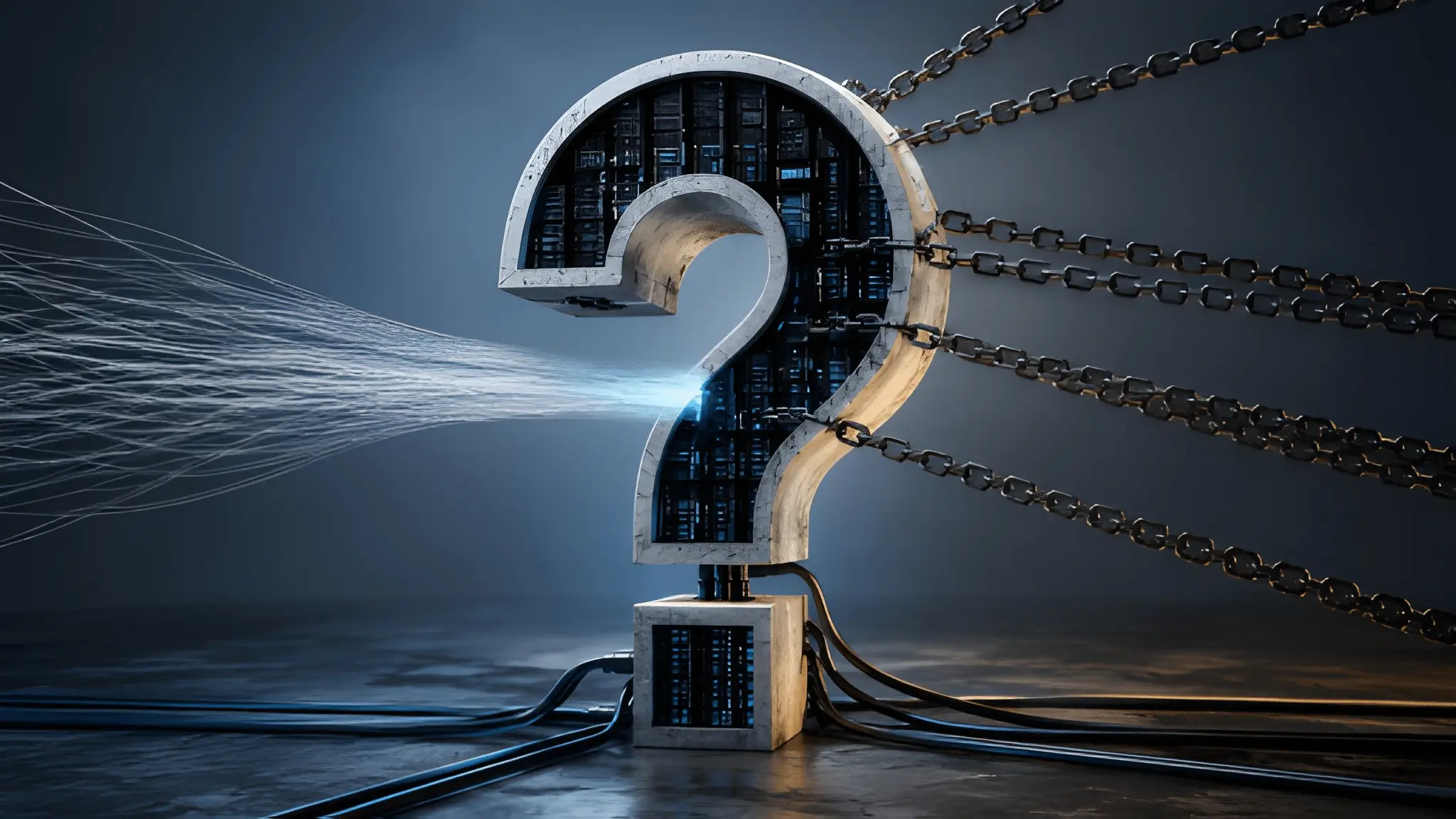
A data center can move from blueprint to construction while still facing significant work before its full planned computing capacity becomes operational. That disconnect is becoming one of the defining tensions in the AI infrastructure market. The issue is not simply whether developers can build faster. It is whether the systems surrounding a facility can mature at the same pace. AI workloads have changed the scale of infrastructure decisions. A project designed around high-density computing cannot treat electricity, thermal management, equipment availability, network connectivity and operational resilience as separate procurement exercises. Each component affects the others, and a weakness in one layer can alter the economics of the entire facility. That creates a different kind of development challenge. The industry is discovering that adding capacity is no longer primarily a construction exercise. It is an exercise in coordinating several infrastructure systems as AI deployments demand greater power capacity, higher rack densities and more advanced cooling requirements.

Megawatts Do Not Tell The Whole Development Story
Data center announcements often reduce complex projects to a single number: megawatts. That number signals ambition, but it does not explain how the capacity will function. A large power allocation does not automatically translate into usable computing capacity. The project still needs appropriate electrical equipment, distribution architecture, cooling systems, backup capacity and network infrastructure. It also needs those systems to operate together under the conditions expected by increasingly dense AI hardware. This changes how project scale should be interpreted. Two facilities with similar power requirements can face very different development paths depending on their electrical architecture, cooling design, grid position, equipment configuration and operational requirements. The headline number therefore says less about project readiness than it once did. For investors and infrastructure planners, the more useful question may be what sits underneath the announced capacity.
The server rack is becoming a more important part of the infrastructure story because AI hardware is changing the relationship between computing performance and physical infrastructure. Higher-density systems concentrate more electrical demand and generate more heat within smaller physical areas. That puts pressure on power delivery and thermal management at the rack, room and facility levels. The consequence reaches beyond the choice of cooling technology. Electrical distribution must accommodate demanding loads. Thermal systems must maintain operating conditions consistently. Equipment layouts must support serviceability. Backup systems must account for the characteristics of the computing environment. Operators must also maintain reliability as equipment density increases. These requirements make facility design less forgiving. A configuration that works comfortably for one generation of computing hardware may not provide the same margin for the next generation. Developers therefore face a moving engineering target while construction schedules often assume that major technical decisions have already stabilized. That mismatch can become expensive.
The Qualification Process Is Becoming Part Of The Product
Site selection and infrastructure qualification have traditionally preceded major data center construction, but AI is making those assessments more consequential. AI is making that separation harder to maintain. A site’s value increasingly depends on what its infrastructure can support under real operating conditions. Power availability, cooling options, network access, equipment logistics and operational constraints all influence whether a location can support the intended workload profile. That means qualification is no longer just a preliminary filter. It becomes part of the facility’s commercial proposition. A location that can support a particular density, power profile and cooling architecture can command a different strategic value from one that merely has available land and a theoretical path to electricity. This could push the industry toward more detailed infrastructure underwriting, where developers evaluate sites based on the quality and timing of the entire operating ecosystem rather than the availability of individual resources.

AI infrastructure creates an unusual development dynamic: larger projects can offer greater economies of scale while simultaneously increasing the consequences of technical mistakes. A design decision that creates a minor adjustment in a smaller facility can become a major capital issue when multiplied across a large deployment. The same applies to equipment choices, electrical architecture and cooling strategies. Once a large project reaches an advanced construction stage, changing a foundational system can affect multiple downstream components. That raises the value of decisions made before construction. It also challenges the assumption that aggressive timelines always represent better execution. If a rushed decision creates redesign work later, the project may lose more time than it gained at the beginning. The financial impact can extend beyond construction because delayed capacity can also postpone revenue from the computing infrastructure. Speed therefore needs a more precise definition.
AI Is Testing Whether The Old Build Model Still Works
The data center industry is not facing a simple choice between rapid expansion and stricter requirements. It is confronting a more fundamental question about whether its development model matches the physical demands of modern AI. Many data center development models now face infrastructure requirements that are more demanding as AI workloads increase power density and overall electricity demand. AI introduces greater density, larger loads and faster hardware cycles, making those stages increasingly interdependent. That does not eliminate the possibility of rapid expansion. It changes what rapid expansion requires.
Projects will need to establish technical feasibility earlier, understand infrastructure dependencies more precisely and design facilities with enough flexibility to accommodate changing computing requirements. Projects that resolve those conditions earlier may reduce the number of unresolved technical dependencies between construction and operation. That is the hidden calculation behind AI’s infrastructure boom. The industry may continue announcing larger facilities at an accelerating pace, but the real measure of expansion will increasingly be whether those projects can convert ambitious specifications into reliable computing capacity.










