Skip to content

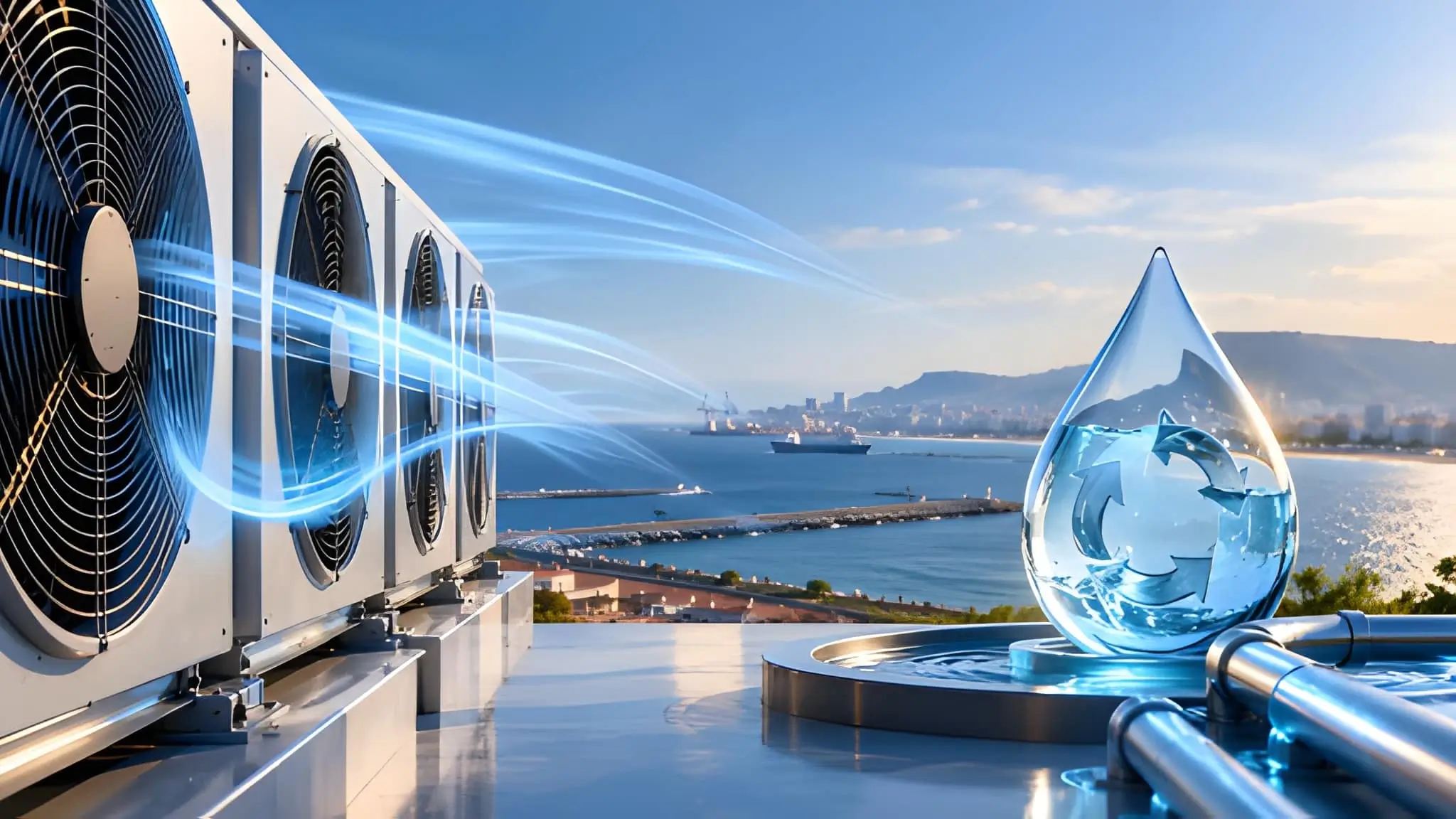
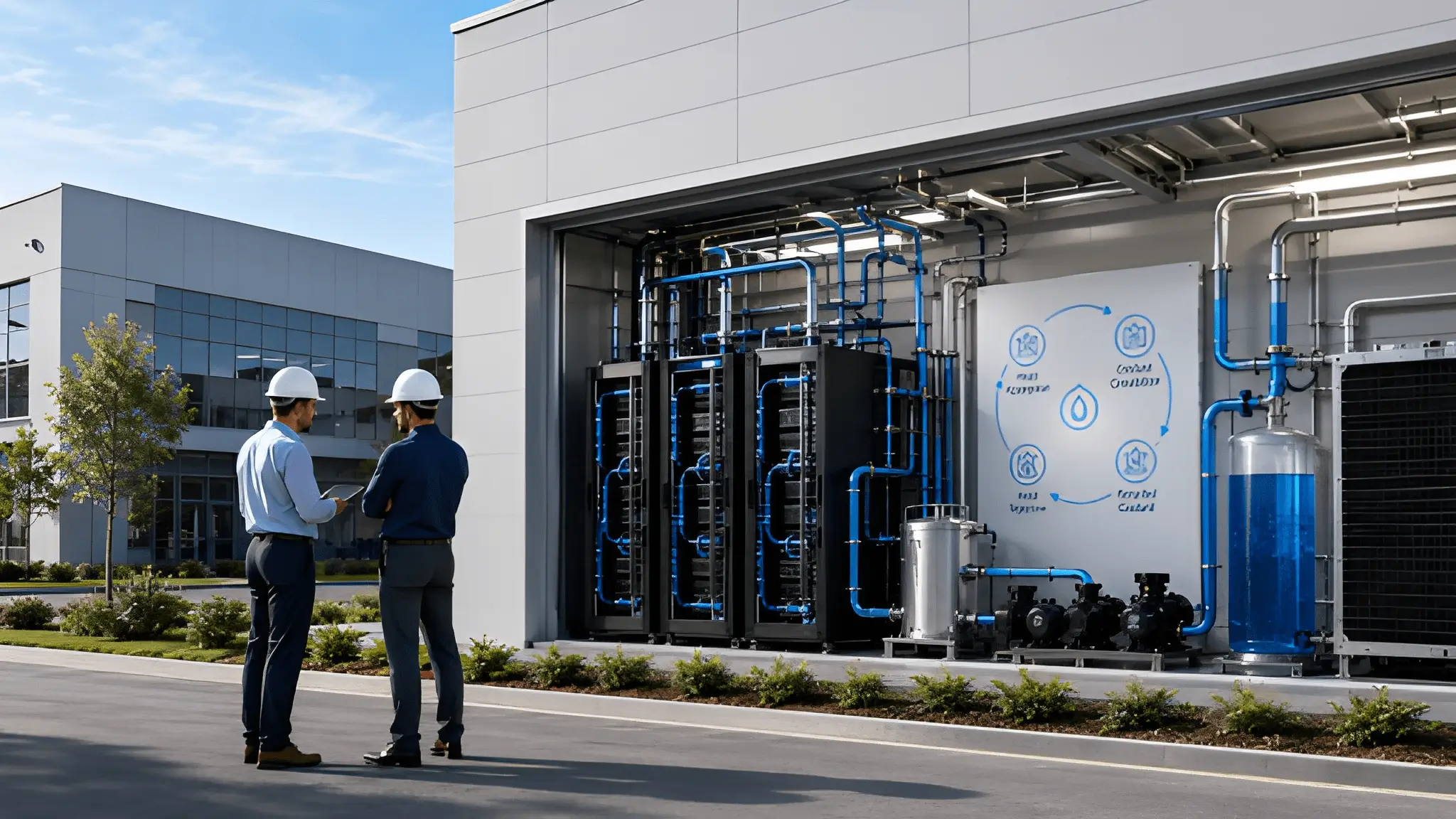
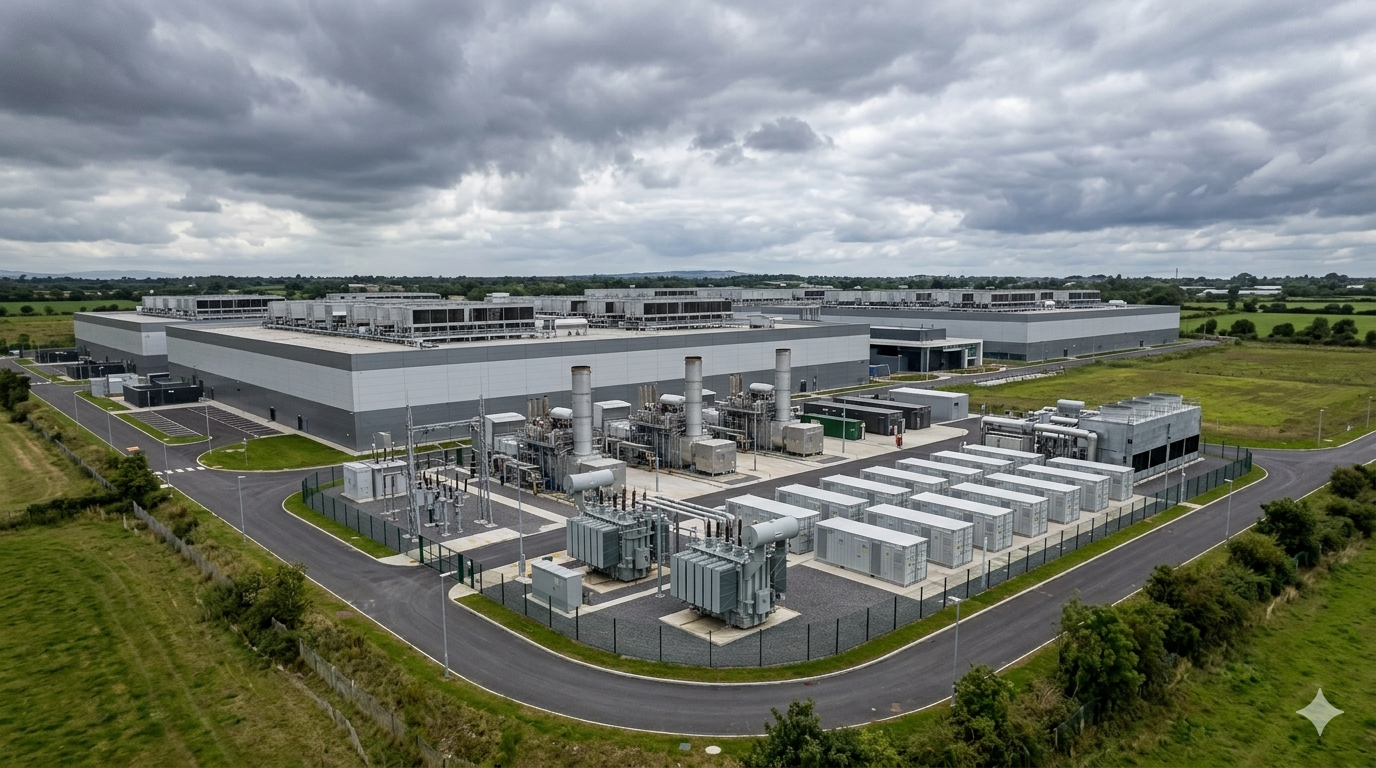
AdaniConneX plans to build data center campuses in Visakhapatnam in partnership with Google, using air-cooled systems instead of conventional water-based evaporative cooling. The design aims to reduce freshwater consumption as the Andhra Pradesh coastal city attracts investment in artificial intelligence (AI) infrastructure and large-scale computing capacity. The proposed developments at Mudasarlova and Tarluvada form part of a wider AI infrastructure project with a planned capacity of approximately 1 gigawatt. This cooling strategy puts water efficiency at the center of infrastructure planning as demand for computing power grows.

According to project details reported by PTI, freshwater consumption across the three proposed sites should remain below the volume of an Olympic-sized swimming pool. Around 80% of the limited freshwater supply should serve landscaping, kitchens and worker facilities rather than primary cooling systems. The project also plans to recycle and reuse water on-site to improve overall efficiency. These measures aim to reduce the campuses’ reliance on conventional cooling approaches that can increase freshwater demand.
Dedicated Industrial Water Connections to Limit Municipal Demand
The proposed campuses will use dedicated industrial connections to obtain water instead of drawing supplies directly from municipal water lines. This arrangement could help limit the facilities’ direct demand on the city’s regular water distribution network. On-site sewage treatment plants will process domestic wastewater for reuse in applications such as landscape irrigation and toilet flushing. Project plans also state that the facilities will not discharge treated wastewater into Mudasarlova Reservoir.
The proposed water-management system combines lower freshwater requirements with wastewater recovery and reuse. Air cooling could reduce the campuses’ reliance on water-intensive evaporative cooling, while treatment facilities could recover water from domestic operations for secondary uses. However, the developers must implement and manage these systems effectively once the campuses become operational. Actual consumption, treatment performance and water-use monitoring will determine whether the planned efficiencies deliver measurable environmental benefits.

The developments come amid public debate over the environmental implications of large data centers, particularly their water and electricity requirements and their proximity to ecologically sensitive areas. Environmental activists have raised concerns about Mudasarlova Reservoir and the adjoining Kambalakonda Wildlife Sanctuary. The proposed campuses therefore face scrutiny beyond their computing capacity, as local water resources and ecological safeguards remain central to the wider discussion. The project’s cooling and wastewater plans address some of these concerns, but actual operating results must demonstrate their effectiveness.
AI Infrastructure Growth Puts Water Management in Focus
Visakhapatnam’s emerging role in India’s digital infrastructure expansion brings economic opportunities alongside questions about resource allocation and environmental protection. A planned capacity of approximately 1 gigawatt highlights the scale of the proposed AI development and the importance of designing its supporting infrastructure carefully. Dedicated water connections, on-site wastewater treatment and air-cooled systems could reduce pressure on freshwater resources if the facilities achieve their stated efficiency targets. The city must accommodate energy-intensive computing while protecting local water supplies and sensitive ecosystems.
For developers, policymakers and infrastructure investors, the project highlights a growing consideration in AI expansion: computing capacity must be assessed alongside the resources required to sustain it. Cooling design and water reuse can contribute to that effort, but credible performance data will ultimately establish their value. As the proposed campuses advance, their water consumption, wastewater management and energy sourcing will remain central measures of their environmental performance. Visakhapatnam’s experience could offer a useful test of how India balances large-scale digital growth with the long-term stewardship of local resources.