 Skip to content

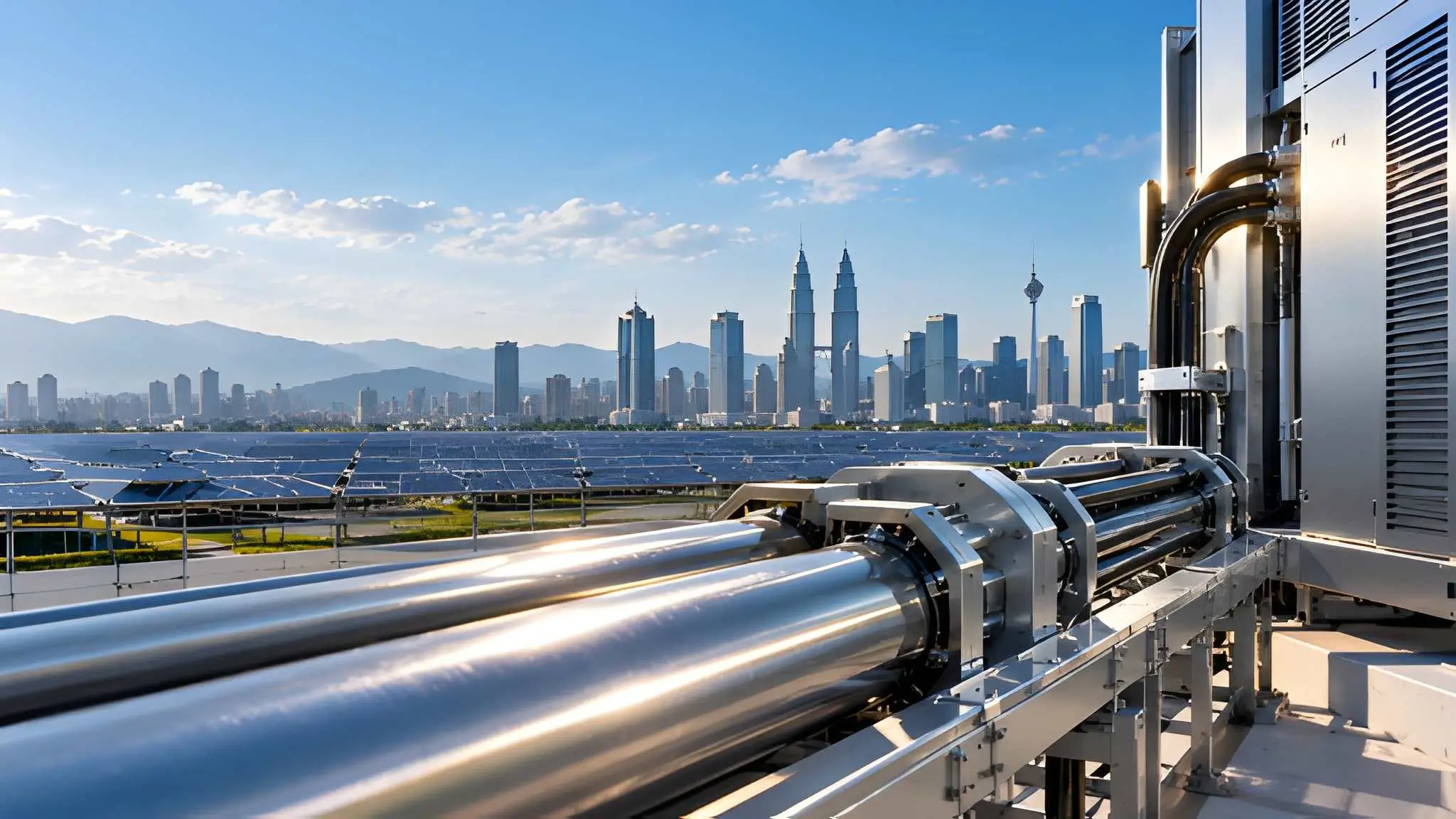
Malaysia’s next phase of data center development may depend as much on the cost of accessing electricity as on the availability of land, computing equipment and network connectivity. As operators seek dependable power for increasingly demanding digital infrastructure, the economics of procuring renewable electricity could influence where they invest and how quickly developers bring new generation capacity to market. Lower system access charges could help change that equation.

Lower system access charges under applicable Corporate Renewable Energy Supply Scheme arrangements could reduce one component of eligible buyers’ electricity procurement costs and improve the commercial appeal of renewable supply agreements. The potential impact extends beyond individual data center operators because stronger demand for renewable power could create new opportunities for utilities, solar developers, generators and electricity market intermediaries. The central question is not simply whether cheaper access makes renewable electricity more affordable. It is whether the resulting improvement in project economics can convert prospective demand into bankable energy contracts, investment commitments and operational generation capacity.
Lower Access Costs Could Change Renewable Procurement Decisions
Electricity procurement involves more than negotiating a generation price. Data center operators must consider the cost of delivering electricity, the reliability of supply, contractual obligations and the exposure they retain when renewable generation fluctuates. System access charges form part of this wider commercial calculation. When these charges decline, eligible buyers may find it easier to justify purchasing renewable electricity through arrangements that connect corporate demand with independent generators.
The savings do not automatically make every renewable project competitive. Generation costs, network constraints, contractual terms and the availability of suitable projects continue to influence the final price. However, reducing one component of procurement costs can improve the relative attractiveness of renewable supply agreements without requiring every generator to lower its own prices. That distinction matters in a market where data center operators must reconcile commercial discipline with long-term electricity requirements. A modest change in network access economics can influence negotiations when buyers evaluate contracts over extended periods and developers assess whether projected revenue can support new generation assets. Malaysia’s opportunity therefore rests on how effectively lower access costs translate into commercially viable transactions rather than on the reduction alone.

Data Center Demand Could Give Renewable Developers a Clearer Market
Data centers create a distinctive opportunity for electricity producers because their operators generally need dependable power throughout the year. Renewable generators, meanwhile, produce electricity according to available natural resources, making contract design and supply balancing important considerations. Corporate Renewable Energy Supply Scheme (CRESS) arrangements can help connect eligible corporate buyers with renewable electricity generators through the electricity network. This structure offers businesses a route to procure renewable power beyond relying exclusively on electricity supplied through conventional retail arrangements.
For developers, the commercial attraction lies in securing buyers with identifiable electricity requirements. A credible long-term customer can improve revenue visibility, support financing discussions and strengthen the case for developing generation capacity. For data center operators, an agreement can help establish a more deliberate approach to electricity sourcing and environmental objectives. Neither side gains certainty merely by signing a contract. Developers must still deliver projects, arrange financing and manage construction risks, while buyers must understand the conditions governing supply, delivery and settlement. Lower access charges could nevertheless improve the starting point for negotiations. When the economics become more favorable, developers may have greater scope to structure offers that meet corporate requirements, while operators gain another variable to consider when comparing procurement strategies.
Project Timelines Will Test the Strength of the Market
Renewable energy projects compete for capital, equipment, development expertise and access to suitable sites. Data center operators face their own schedules as they plan new capacity, secure electricity supply and prepare facilities for operation. These timelines do not always align. A data center may need electricity before a dedicated renewable project can begin delivering power, while a developer may struggle to finance a facility without sufficient confidence in future demand.
More attractive access economics could help both sides reach agreements earlier, giving developers a stronger basis for investment decisions and allowing buyers to incorporate renewable procurement into infrastructure planning. Yet commercial negotiations must translate into contracts with workable delivery arrangements, realistic milestones and clearly allocated risks. The relevant measure of progress is therefore not the number of discussions taking place. It is whether viable agreements lead to financed projects, completed grid connections and renewable electricity that reaches customers. Where a renewable energy project falls under a scheme with a defined commercial-operation deadline, delays in financing, construction or grid connection can narrow the time available to complete the required milestones.
Malaysia’s Opportunity Depends on Execution, Not Just Price
Lower system access charges could strengthen Malaysia’s position in the competition to attract data center investment while expanding the market for renewable electricity. The opportunity lies in connecting growing corporate demand with generation projects that can secure financing, meet technical requirements and deliver power under credible contractual arrangements. However, cheaper access should not become a substitute for sound project economics or reliable electricity planning. Developers still need viable generation costs, buyers need predictable procurement arrangements, and utilities must maintain a network capable of accommodating changing patterns of supply and demand.
The broader test is whether improved commercial conditions encourage new investment that would otherwise struggle to proceed. If they do, the benefits could extend beyond individual electricity contracts to the wider renewable energy supply chain. Malaysia’s data center expansion gives renewable developers a potential source of sustained corporate demand. Lower access charges could make that demand easier to convert into business. Turning the opportunity into additional clean electricity, however, will require disciplined contracting, timely project delivery and a grid prepared to support the next phase of digital infrastructure growth.










