 Skip to content

Data Center Emissions Begin Before Operations
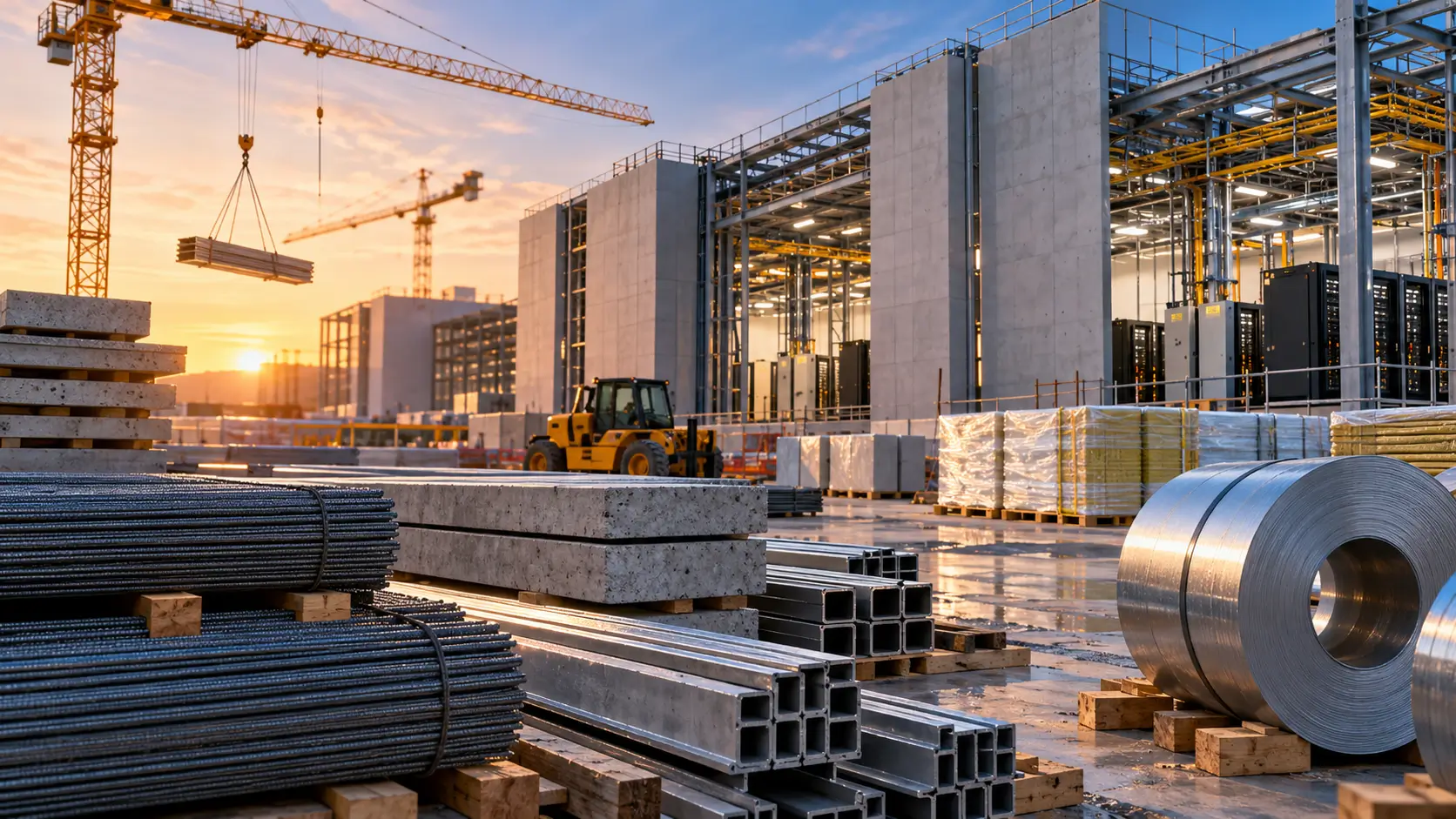
Data center sustainability plans often focus on electricity use, renewable energy, cooling efficiency and water consumption. However, a facility begins generating emissions long before operators install the first server. Foundations, structural frames, electrical rooms, equipment supports and cooling systems all require materials whose production and transport release greenhouse gases. Concrete, steel, aluminum, glass and insulation can contribute significantly to a building’s upfront carbon footprint. The exact impact depends on the design, quantities, manufacturing methods and supply chain. Artificial intelligence infrastructure adds further demands because developers must accommodate heavy equipment, high electrical loads and complex cooling systems. Every engineering decision affects the amount of material a project needs and the changes it may require later. Sustainability planning must therefore measure the environmental cost of building computing capacity as well as the cost of operating it.

Operational emissions and construction-related emissions represent different parts of a facility’s environmental footprint. Operational emissions generally come from electricity consumption and fuel use, while embodied emissions can arise from raw-material extraction, manufacturing, transportation, installation, maintenance and disposal. The stages included depend on the boundaries of the lifecycle assessment. Construction emissions occur before a facility begins delivering computing services, so operational improvements cannot erase the emissions already generated during material production. Early decisions about structural design, equipment layouts and procurement can influence these impacts for years. Once construction begins, changing foundations, structural systems or major material specifications becomes more difficult and expensive. Developers should establish clear measurement methods during the planning stage rather than wait until commissioning. This approach gives sustainability teams a stronger basis for comparing designs and tracking progress throughout the facility’s life.
Why Construction Materials Matter for Data Center Sustainability
Concrete and steel deserve close attention because data centers require strong structures and reliable support for heavy equipment. Concrete foundations must accommodate building loads and, where necessary, the weight and vibration of generators, transformers and cooling equipment. Steel supports structural frames, equipment platforms, cable routes and other assemblies. The quantities required vary with the site, building design and engineering specifications. Cement production releases carbon dioxide through the energy used in manufacturing and the chemical reactions involved in producing clinker, a key ingredient in conventional Portland cement. Steel production also generates emissions, although the amount depends on manufacturing methods, energy sources and recycled content. A developer cannot estimate a project’s construction footprint accurately from floor area alone. A compact facility with demanding equipment requirements may need a different mix of materials from a larger building with a less intensive structural design.
Electrical and Cooling Systems Also Contribute
Aluminum, glass, insulation and manufactured equipment also influence a data center’s environmental footprint. Aluminum appears in some electrical distribution components and building assemblies, while glass and insulation form parts of the building envelope. Their impacts depend on production methods, recycled content and the quantities used. A data center also contains electrical distribution equipment, cooling assemblies, utility connections and supporting infrastructure beyond its visible building shell. An assessment limited to foundations, walls and roofing can therefore overlook important sources of emissions. Developers should identify the major systems included in the project before calculating its footprint. The assessment should reflect the facility’s actual design rather than rely on assumptions drawn from a conventional commercial building. This broader view helps teams identify where material changes could reduce emissions without affecting safety, reliability or performance.

Operational Efficiency Cannot Replace Material Planning
A data center can improve operating performance through efficient cooling, better workload management and appropriate equipment utilization. Renewable electricity procurement can also reduce electricity-related emissions under the applicable accounting method. These measures do not reverse the emissions generated when manufacturers produce the facility’s concrete, steel and other construction materials. This distinction matters when developers compare a new facility with an existing building that could accommodate additional computing capacity. A new development might offer better cooling performance or a more efficient electrical design, but it also requires new materials and supporting infrastructure. A fair comparison must account for construction, refurbishment, equipment replacement and expected service life. The balance depends on the electricity supply, workload density, building design and scale of the proposed expansion. Sustainability teams should assess these factors together instead of treating operational efficiency as a complete measure of environmental performance.
Measuring Construction Emissions Across the Facility Lifecycle
Life cycle assessment, commonly called LCA, provides a structured way to estimate the environmental impacts of materials and construction processes. Depending on its scope, an assessment can cover raw-material extraction, manufacturing, transport, installation, maintenance, replacement and end-of-life treatment. A project team can begin with an early estimate that identifies the main sources of emissions. As engineering specifications and purchasing records become available, the team can replace broad assumptions with more detailed data. Industry averages can help fill information gaps, provided the team documents their use and limitations. This staged approach allows sustainability considerations to influence decisions before procurement commitments restrict the available options. It also helps explain how projected emissions change between initial design, detailed engineering and completed construction. Developers do not need perfect information at the beginning, but they do need a consistent method for improving the assessment as the project develops.
Establish Comparable Measurement Boundaries
Two carbon assessments can produce different results because they measure different parts of a facility. One study might cover the structural shell and foundations, while another includes electrical equipment, cooling systems, site utilities and future replacements. Comparing these figures without checking their boundaries can produce misleading conclusions. Project teams should define the included systems, reporting period, functional requirements and measurement units before comparing design alternatives. They should also record whether the assessment covers construction activities, transport, maintenance and end-of-life processes. Emissions per unit of installed IT capacity can provide useful context when comparing facilities of different sizes. However, this measure should not replace the total project footprint. Clear reporting allows developers to understand what each figure represents and whether the comparison supports a sound investment decision.
Use Environmental Product Declarations
Environmental product declarations, or EPDs, provide information about the environmental impacts of individual construction products. They use defined assessment rules and can help buyers compare products without relying entirely on general emissions estimates. Developers can request EPDs for concrete, steel, insulation and other materials where suitable declarations exist. Before comparing products, teams should check whether the declarations use comparable product categories, declared units and lifecycle stages. A lower reported footprint does not automatically make a product the better choice if it cannot meet the required strength, durability or operating conditions. Procurement documents should explain which declarations suppliers must provide and how the project team will review them. These requirements make environmental performance part of the purchasing process rather than an optional request after contracts have been awarded. Consistent product data also helps developers explain the material choices behind their reported results.
Reducing Emissions From Concrete and Steel
Concrete specifications offer a practical opportunity to reduce construction emissions because cement content and mix design influence a product’s carbon footprint. Depending on local standards and site conditions, engineers may be able to use suitable supplementary cementitious materials or alternative cement formulations that reduce reliance on conventional clinker-intensive cement. Each option requires technical review because concrete must meet the project’s strength, durability, workability and curing requirements. A mix suitable for one application may not work for a foundation exposed to different conditions or a project with a demanding construction schedule. Structural engineers should work with concrete suppliers and testing specialists before approving changes to the specification. Procurement documents can request environmental declarations alongside technical performance data. Developers must also consider material availability, transport distances and supply consistency. The aim is to reduce emissions without compromising structural performance or the expected service life of the facility.
Improve Steel Selection and Material Efficiency
Steel procurement offers another opportunity to manage construction emissions. Manufacturing methods, energy sources and recycled feedstock influence the footprint of finished steel products. Developers can request verified product information and compare technically equivalent options before selecting suppliers. Structural engineers can also review frames, equipment supports and secondary steelwork to identify unnecessary material use. Changes to member sizes, connections or structural layouts must remain within approved engineering requirements and applicable codes. Recycled content can help reduce emissions in some supply chains, but the percentage alone does not reveal a product’s full environmental impact. Buyers should consider production emissions, material quality, traceability and technical suitability together. Procurement teams can then assess carbon performance alongside price, delivery schedules and certification requirements. This approach makes material efficiency part of normal engineering and purchasing decisions.
Designing Data Centers to Use Fewer Materials
Reducing material use does not always require replacing conventional products with new alternatives. During early design, teams can examine whether the building footprint, structural grid, equipment layout and service routes meet the required capacity without unnecessary construction. Engineers should distinguish essential structural requirements from design choices that add material without providing a clear benefit. A coordinated layout may reduce duplicated supports or avoid major alterations where electrical and mechanical systems share limited space. The design must still provide adequate equipment support, maintenance access, fire protection and security. Cutting material quantities should not create access problems that later require expensive modifications or restrict maintenance. Architectural, structural, electrical and mechanical specialists should review these issues before construction begins. Recording the expected material savings and operational effects of design changes helps the project team track their value.
Assess Prefabrication Against the Full Project
Prefabrication moves some manufacturing and assembly work away from the construction site. Depending on the design, this approach may reduce material waste, on-site activity and the need for extensive conventional building structures. A 2026 assessment published by Schneider Electric compared a representative 5-megawatt deployment using prefabricated power modules with a traditionally constructed electrical room. The assessment reported approximately 80% lower construction-phase embodied carbon for the prefabricated core-and-shell approach at deployment. It also reported more than 50% lower cumulative core-and-shell embodied carbon over 60 years under an assumed module replacement schedule of every 20 years. These figures reflect the specific design, assessment boundaries and assumptions used in that study. They do not establish the same reduction for every data center project. Developers should examine module materials, manufacturing conditions, transport distances, foundations and replacement schedules before deciding whether prefabrication will reduce the overall footprint. The comparison should also consider capacity, reliability, maintenance access and expected service life.
Procurement and Construction Need Measurable Carbon Requirements
Construction sustainability targets become more useful when developers translate them into requirements that suppliers and contractors can document. Tender documents can specify which materials need environmental declarations, which reporting methods are acceptable and how suppliers must request approval for substitutions. Contractors should provide material quantities and supporting product information so the developer can compare actual purchases with the lifecycle assessment. A substitution request should explain its technical justification and environmental implications rather than simply claim that the replacement offers equivalent performance. The project team can then assess effects on emissions, durability, availability, cost and maintenance before approving the change. Contracts should also identify who collects data from subcontractors and manufacturers. These responsibilities matter when several suppliers contribute materials to one assembly. Clear requirements help preserve sustainability commitments as the project moves from design to purchasing and construction.
Track Actual Material Quantities
Design estimates cannot fully represent a completed facility because material quantities and product selections can change during construction. Site teams should record the materials delivered and installed, including approved substitutions, waste and significant differences from the original bill of quantities. Procurement records, delivery documents and supplier declarations can support this process when the project uses consistent material identifiers. The final assessment can then use actual quantities and the best available product data to estimate construction emissions. Where information remains incomplete, the team should disclose its assumptions and identify estimates that need further verification. This distinction matters because reductions projected during design may not survive changes in construction methods or supplier selection. Regular reviews can reveal unexpected emissions sources while teams still have an opportunity to address them. The final report should explain differences between projected and actual results instead of presenting the original target as proof of achievement.
Existing Facilities, Refurbishment and Material Reuse
Developers planning additional capacity should examine whether an existing building or data center can meet their needs through refurbishment or selective expansion. Reusing a structure may avoid some new material production, although the benefit depends on its condition, remaining service life and suitability for modern equipment. An older facility might require structural reinforcement, electrical upgrades, cooling modifications or major equipment replacements before it can support high-density computing. A new building may offer better energy performance, reliability and maintenance access that refurbishment cannot deliver economically or technically. A fair comparison should include the emissions associated with upgrades, the material requirements of new construction and the expected operating performance of each option. Developers should also consider the consequences of retaining a facility that cannot meet safety, capacity or reliability requirements. Lifecycle assessment provides a stronger basis for this decision than a comparison of construction costs or annual electricity consumption alone. The right choice depends on the specific facility and its intended use.
Plan for Durability and Future Replacement
Construction materials influence environmental performance long after commissioning because data centers require maintenance, upgrades and eventual equipment replacement. A durable structural design can reduce major repairs, while accessible service routes can make it easier to replace electrical and mechanical equipment without extensive demolition. Developers should distinguish the expected life of the building structure from the shorter replacement cycles of servers, batteries, power equipment and cooling components. This distinction matters when computing requirements change faster than the building itself. Flexible equipment spaces and adaptable distribution routes may allow operators to upgrade selected systems while retaining serviceable structural elements. Reuse and recycling plans can help recover materials at the end of their useful life, although the benefit depends on material condition, separation methods and available recovery facilities. Lifecycle assessments should document replacement assumptions rather than presume that every component will remain in service for the full building life. These choices connect initial material decisions with future maintenance costs, operational flexibility and environmental performance.
Making Construction Materials Part of Sustainability Reporting
A credible sustainability program should establish a baseline for construction emissions and define how the organization will measure progress across projects. Developers can track total upfront emissions, emissions intensity against a consistent functional unit, material quantities and the share of procurement supported by product-specific environmental declarations. These indicators should complement operational metrics rather than replace measures of electricity consumption, cooling performance and water use. Reports should distinguish targets from verified results and explain significant changes in assessment boundaries, supplier data or design assumptions. Portfolio comparisons also require consistent methods because facility capacity, technical specifications and regional supply chains can influence results. Procurement teams, engineering leaders and sustainability specialists should share responsibility for reviewing data and resolving gaps before reporting deadlines. Decision-makers can use the findings to identify recurring material hotspots, improve design standards and refine supplier requirements for future projects. This process makes construction emissions a practical engineering and procurement issue rather than a separate disclosure prepared after major decisions have already been made.
Integrate Material Performance Into Infrastructure Planning
Material performance should form part of the decisions that determine whether a project can deliver its intended computing capacity within environmental and financial constraints. Developers should evaluate structural alternatives, concrete formulations, steel sourcing, prefabrication and reuse opportunities during early design, when the team still has meaningful flexibility. Procurement contracts should preserve the link between those decisions and the products ultimately delivered to the site. Construction reporting should verify material quantities and substitutions, while lifecycle reviews should account for maintenance, replacement and end-of-life assumptions. Operators can use this information when assessing expansion plans, equipment upgrades and decisions to retain or replace existing facilities. The assessment will not eliminate every uncertainty, particularly when supplier data or future replacement scenarios remain incomplete. It can, however, make assumptions visible and provide a consistent basis for improving subsequent projects. Data center sustainability plans become more comprehensive when they measure the environmental cost of building infrastructure as carefully as they measure the energy required to run it.










