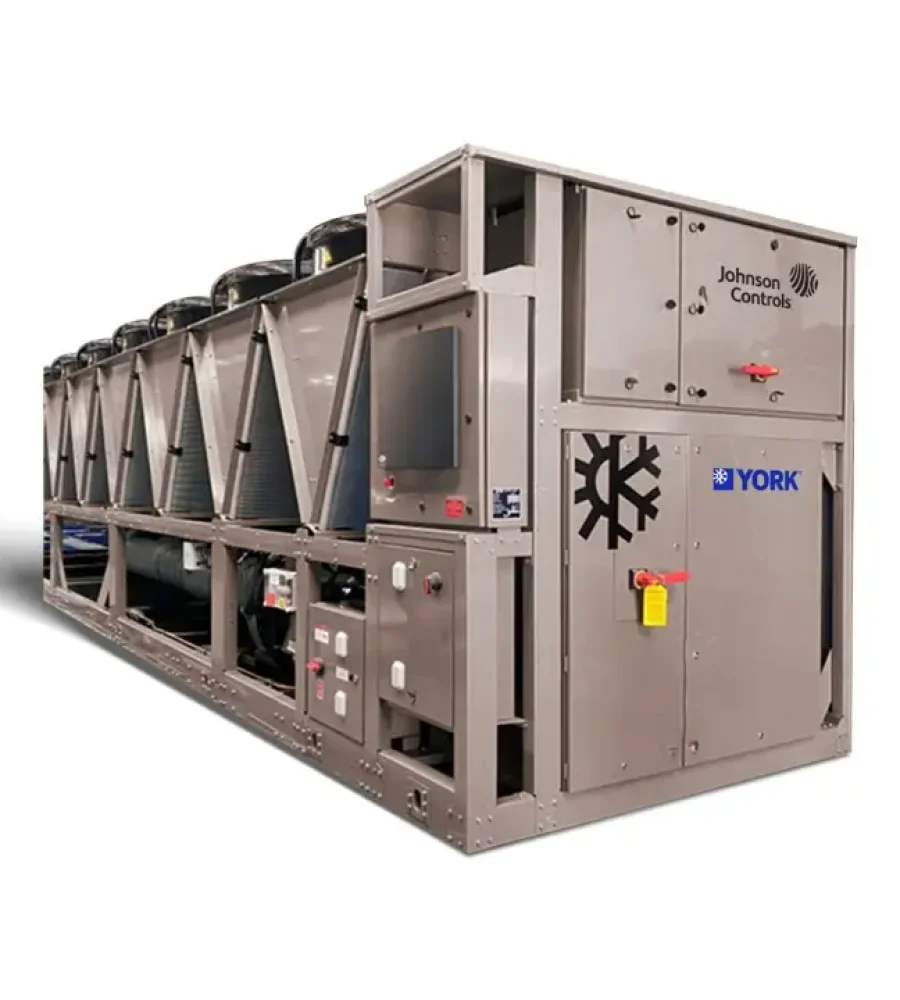

The world’s largest technology groups are preparing to channel more than $700 billion into artificial intelligence infrastructure in 2026, marking one of the most aggressive capital expansion cycles in modern corporate history. The planned outlays underscore how intensely companies are vying to shape the backbone of the AI economy.
Microsoft, Meta Platforms, Alphabet, Amazon and Oracle are scaling up spending on data centers, advanced chips, cloud infrastructure and proprietary AI systems as global demand for computing capacity accelerates.
The scale of the commitment is difficult to ignore. Aggregate AI-focused investment next year is expected to move past $700 billion. That figure exceeds the projected economic output of Israel, estimated at roughly $610 billion. The comparison illustrates how capital intensive the AI buildout has become.
Within that total, Meta, Amazon and Alphabet together represent more than $500 billion. Amazon’s plan to deploy approximately $200 billion stands out. The proposed increase is nearly 60 percent above last year’s level and significantly higher than many analysts had forecast.
Investors React Unevenly to Spending Surge
Financial markets have not responded uniformly. Instead, share prices have swung sharply as investors weigh growth prospects against mounting capital requirements.
Amazon’s stock dropped more than 10 percent in extended trading after the company released mixed quarterly results alongside its expanded spending blueprint. Selling pressure persisted into the following session, reflecting unease about the near-term impact on margins.
Alphabet encountered similar volatility. Its projected 2026 capital expenditure was lifted to a range of $175 billion to $185 billion, nearly double its earlier outlook of above $90 billion. Although earnings topped expectations, shares slid roughly 8 percent intraday before recovering some ground by the close.
Meta experienced the opposite dynamic. After it outlined plans to nearly double AI-related capital spending to between $115 billion and $135 billion, investors pushed the stock up by as much as 10 percent in after-hours trading. The rally suggested confidence in its long-term positioning.
Microsoft’s update was received more cautiously. Quarterly capital expenditure reached $37.5 billion, representing a year-on-year jump of about 65 percent. Continued heavy AI investment was signaled. However, Azure growth came in slightly below consensus forecasts, and the stock fell around 10 percent in after-hours trading despite indications that spending could moderate in the current quarter.
Oracle also faced skepticism. Alongside softer results, it announced that capital expenditure would rise 40 percent to $50 billion, largely to expand data center infrastructure. Shares weakened as investors assessed the risks attached to the larger outlay.
Analysts argue that the divergence reflects changing market psychology. Aarin Chiekrie of Hargreaves Lansdown noted that strong cloud performance at Alphabet and Amazon was overshadowed by concerns about rapidly expanding capital budgets.
Neil Wilson, strategist at Saxo, observed that renewed anxiety about a potential AI bubble has emerged as hyperscale providers escalate spending commitments into the hundreds of billions.
Cloud Services at the Center of the Debate
For several companies, the core issue is cloud computing, which has become the primary channel for commercializing AI.
At Amazon, chief executive Andrew Jassy has emphasized that the $200 billion allocation is directed mainly toward Amazon Web Services. According to Jassy, demand remains robust enough that capacity is being monetized almost as soon as it becomes available. He has argued that the company’s long track record in forecasting AWS demand supports confidence in eventual returns on invested capital.
Several Wall Street firms have endorsed that view. Analysts at Morgan Stanley and Citigroup have suggested that sustained cloud growth justifies the heavier investment cycle. MoffettNathanson has also expressed support, while cautioning that execution risks are increasing.
Competition within cloud services, however, is intensifying. Gil Luria of D.A. Davidson pointed out that while AWS growth accelerated modestly to 24 percent, Google Cloud expanded 48 percent and Azure grew 39 percent, constrained in part by allocation decisions. He argued that Amazon’s competitive position may be affected by the absence of a leading frontier AI lab and by the performance gap between Google’s in-house TPU chips and Amazon’s Trainium processors.
These competitive shifts indicate that AI development is influencing not only product offerings but also the relative standing of cloud providers.
Alphabet Highlights AI Integration Gains
At Alphabet, executives have stressed that AI investments are already being reflected in operating metrics. The company’s Gemini model has been embedded across search, YouTube and cloud services. AI-driven features are increasing user engagement, while enterprise clients are broadening their adoption of Google Cloud’s AI capabilities.
Chief financial officer Anat Ashkenazi said during an earnings call that benefits are being observed across multiple business lines. At the same time, higher depreciation and energy expenses tied to new data centers are expected to lift overall costs in 2026.
Cloud performance has drawn particular attention. Backlog at Google Cloud expanded 55 percent quarter over quarter to $240 billion. Laura Martin of Needham & Company described fourth-quarter cloud growth as a standout, citing accelerating demand and improving profitability.
Search revenue rose 17 percent to $63 billion during the quarter, accounting for more than half of Alphabet’s overall revenue. YouTube sales advanced 9 percent to $11.4 billion, pushing annual revenue beyond $60 billion. Meanwhile, Google Cloud revenue climbed 48 percent to $17.7 billion, although capacity constraints remain.
Microsoft Stresses Long-Term Transformation
Microsoft has characterized its AI strategy as foundational to its next phase of growth. Chairman and chief executive Satya Nadella said the company has already built an AI business that rivals some of its historic franchises, even though widespread adoption remains in early stages.
The company acknowledged that Azure’s performance was partly shaped by internal infrastructure allocations, which limited capacity available to external customers. Chief financial officer Amy Hood noted that Microsoft Cloud revenue surpassed $50 billion for the quarter, exceeding expectations across revenue and earnings.
Structural Shift or Emerging Bubble?
The sheer size of Big Tech’s capital commitments has revived comparisons with past technology booms. Critics caution that infrastructure could be built faster than demand materializes. Supporters argue that AI represents a deep structural change across industries, making substantial investment unavoidable.
What has become evident is that investor scrutiny has intensified. Strong quarterly earnings alone are no longer sufficient to sustain share price momentum. Clear pathways from capital expenditure to durable growth and competitive advantage are now being demanded.
As 2026 approaches, the outcome of this spending wave will help determine whether the AI buildout becomes a defining transformation of the digital economy or a cautionary episode in capital allocation.