
Japan’s AI Expansion Depends on More Than Access to Advanced Chips
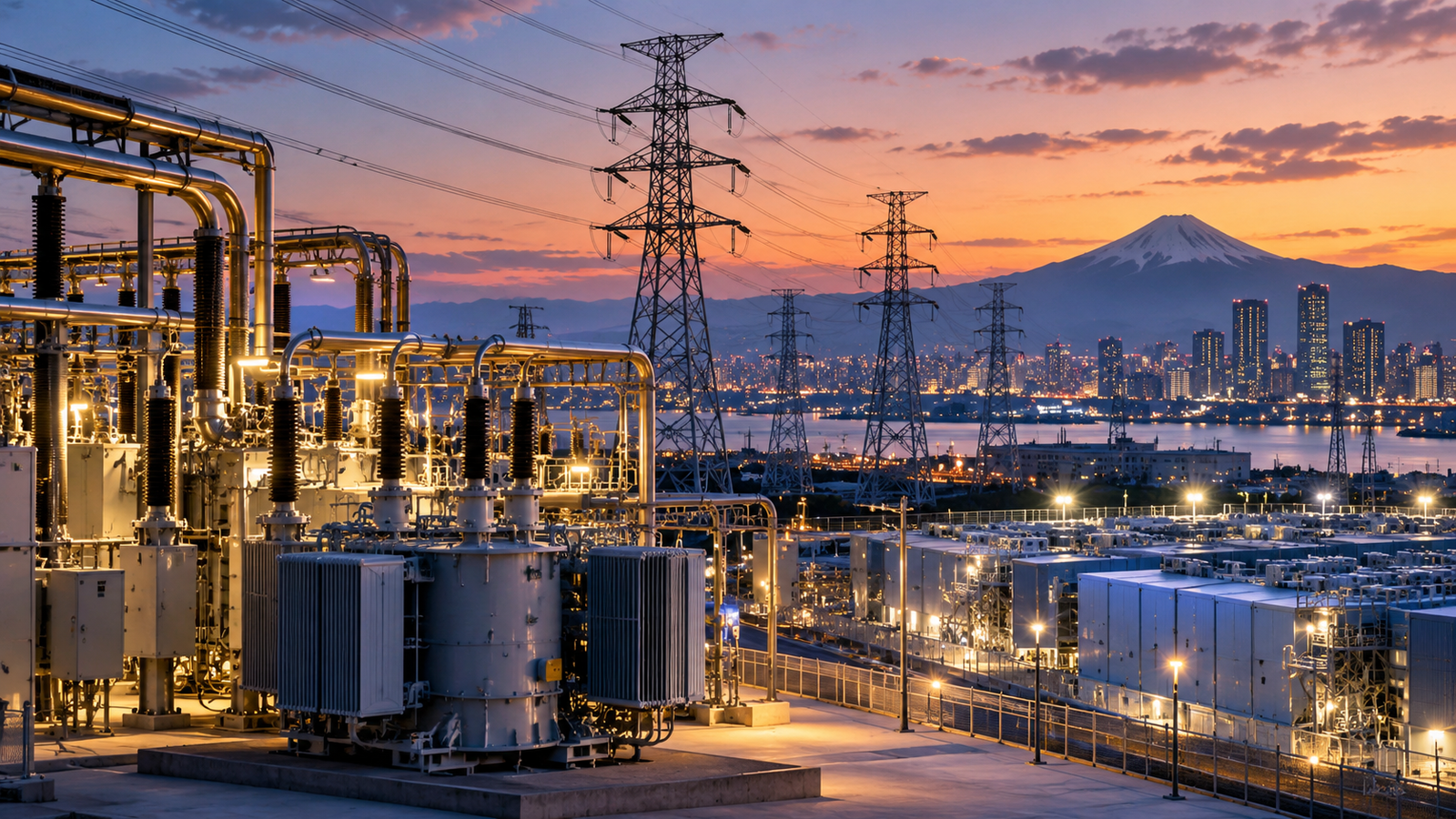
An AI infrastructure strategy can secure advanced processors, reserve computing clusters and obtain space inside a data center. However, those investments cannot deliver capacity if the electricity system cannot support the planned workload. Japan’s infrastructure strategy highlights why AI expansion requires closer coordination between computing demand and industrial power resources. The country has established industrial capabilities and advanced technology supply chains, but these strengths do not guarantee unlimited electricity for new computing facilities. Every large AI deployment adds electricity demand to a system that already serves manufacturers, transportation networks, commercial buildings and households. Buyers must therefore look beyond the number of GPUs they can procure. They also need to understand where electricity will come from and when the required capacity will become available. New substations, grid connections and supporting infrastructure may require separate development work. These factors make power allocation both an engineering challenge and a commercial decision.

The Difference Between Installed Hardware and Usable Compute
GPU procurement and usable AI capacity follow different timelines. A buyer can order hardware while electrical connections, transformers and other supporting infrastructure remain under development. Even a facility with sufficient floor space and cooling equipment cannot support high-density AI workloads without adequate electrical capacity. This creates a planning risk for customers that commit to cloud services or production AI projects before the infrastructure is ready. Japan must consider new computing demand alongside existing industrial electricity requirements. However, the challenge should not automatically be described as a nationwide electricity shortage. Conditions can differ between regions, depending on local demand, grid infrastructure and available supply. The more useful question is whether sufficient power can reach the required location when a project needs it. For end users, that distinction can determine whether a capacity reservation delivers reliable computing access or creates an expensive deployment delay.
Industrial Power Allocation Is Becoming an AI Infrastructure Decision
Japan has recognized the importance of coordinating electricity infrastructure with digital capacity. In 2025, the Ministry of Economy, Trade and Industry and the Ministry of Internal Affairs and Communications advanced a public-private initiative known as watt-bit collaboration. The initiative seeks to coordinate electricity and telecommunications infrastructure development. Its underlying challenge is straightforward: data centers, power networks and generation projects do not necessarily share the same locations or construction schedules. Japan’s energy planning also identifies a geographic mismatch between data center demand and decarbonized electricity resources. A computing facility may become operational before the power infrastructure needed for its planned expansion is ready. Separate decisions about site selection, grid connections and telecommunications access can create avoidable deployment risks. Earlier coordination could help developers identify these dependencies before committing substantial capital. Japan’s challenge is therefore not simply to attract AI investment, but to align computing expansion with the infrastructure required to support it.
Allocating Power Without Distorting Industrial Priorities
Industrial power allocation should not mean automatically giving AI companies preferential access to electricity at the expense of manufacturers or households. Japan needs transparent planning that considers reliability, economic value, location and the cost of supplying additional capacity. A semiconductor manufacturing facility, an AI training cluster and a cloud platform may all require dependable electricity, but their operating requirements differ. Some AI workloads can move between locations or run at different times. Other applications require continuous access to computing resources and low-latency connections. These differences create an opportunity to distinguish between workloads that need uninterrupted delivery and those that can accommodate limited scheduling flexibility. Power planning should reflect those operational differences rather than treating every proposed megawatt as identical. For end users, clearer allocation decisions could improve delivery forecasts and reduce uncertainty when comparing infrastructure locations. The objective should be to expand AI capacity without undermining the reliability or competitiveness of Japan’s wider industrial economy.

The Location of Compute Can Change Its Economics
Geography will influence how effectively Japan converts electricity into usable AI capacity. Computing demand concentrated around major urban markets can place pressure on particular grid areas. Meanwhile, suitable land and some electricity resources may be available elsewhere. Japan’s energy authorities have identified the geographic mismatch between data center locations and decarbonized electricity resources as an infrastructure planning concern. Moving flexible computing workloads to other regions could help developers access different power conditions. However, relocation introduces additional costs and operational trade-offs. Network latency, connectivity, data governance, customer proximity and disaster resilience all affect site selection. AI training may offer greater scheduling and location flexibility than real-time inference, although the difference depends on workload requirements. Infrastructure buyers should therefore evaluate regional sites using delivered electricity, network performance, cooling needs and total operating costs. Cheaper land or lower advertised electricity prices alone cannot establish whether a location offers better economics.
Regional Capacity Must Meet Workload Requirements
A regional facility may appear attractive because it offers access to available power or more room for expansion. However, those advantages matter only when the facility can support the intended computing workload. Connectivity expenses, grid limitations and commissioning delays can weaken a project’s economics. Customers must also consider whether moving data or workloads introduces unacceptable latency or operational complexity. This makes location selection a broader infrastructure decision rather than a simple property comparison. Developers need to assess electricity access and network readiness together. Buyers should also distinguish workloads that can operate remotely from applications that depend on proximity to users or other systems. Regional expansion can help distribute computing demand, but it cannot eliminate infrastructure constraints by itself. The commercial value of a location ultimately depends on whether it can deliver reliable computing capacity at an acceptable total cost.
Buyers Need Evidence of Deliverable Power
AI infrastructure contracts can create financial commitments before a facility reaches full operating capacity. Customers should ask whether a provider’s proposed power supply relies on an existing connection, an approved expansion, a planned grid upgrade or a future project that has not entered construction. Each stage carries different delivery risks. A headline figure for planned megawatts does not necessarily explain when the electricity will become available. Buyers must also understand what a provider means by available capacity. Total facility demand, electricity supplied to IT equipment and usable computing output describe different aspects of infrastructure performance. Cooling and other supporting systems consume electricity that cannot directly power servers. Procurement teams should therefore compare capacity offers using consistent definitions and clear delivery assumptions. This approach can help customers identify commitments that depend on unresolved infrastructure work before those commitments affect their deployment schedules.
Contract Terms Should Reflect Infrastructure Dependencies
Contracts can improve accountability by defining power-delivery milestones, disclosure requirements and remedies for delays. They can also establish conditions for hardware substitutions or changes to deployment schedules. Customers should examine how electricity price adjustments and infrastructure expansion costs affect their commitments. The actual financial exposure will depend on contract terms and how the parties allocate those risks. These safeguards are recommendations rather than evidence of a universal contracting standard in Japan. Nevertheless, they offer buyers a practical way to connect commercial promises with physical infrastructure readiness. A provider should be able to explain the dependencies that must be resolved before it can deliver the contracted capacity. Buyers should also understand which delays remain outside the provider’s control and what protections apply when milestones slip. Better disclosure will not eliminate grid constraints, but it can make infrastructure commitments easier to assess and compare.
Efficiency Must Be Part of the Allocation Equation
Japan’s power strategy also needs to consider how efficiently AI infrastructure converts electricity into useful computing output. A facility can consume substantial electricity while its accelerators operate below planned utilization. In that situation, the customer may receive less computing value than expected from the available power. Hardware utilization, workload scheduling, cooling performance and software optimization should therefore inform infrastructure planning. Efficiency improvements cannot automatically eliminate the need for additional generation or grid investment. Demand may continue to grow as lower computing costs encourage wider AI adoption. However, better utilization can help customers extract more useful work from existing infrastructure. In May 2026, Japan’s Agency for Natural Resources and Energy published an explanation of an energy-saving system for data centers. This development reflects the government’s attention to energy efficiency in the sector. Buyers should examine applicable requirements and request clear reporting on energy consumption, computing utilization and cooling overhead. Connecting electricity commitments to measurable computing outcomes would provide a more useful basis for evaluating capacity investments.
Efficiency and Expansion Must Work Together
Power efficiency should complement infrastructure expansion rather than serve as a substitute for realistic capacity planning. Developers still need to establish whether the electricity supply can support current workloads and anticipated growth. Customers, meanwhile, need evidence that reserved capacity will deliver the performance they expect. Consistent measurements can help buyers compare facilities and identify opportunities to improve utilization. This approach also changes how infrastructure providers demonstrate readiness. Installed electrical capacity remains important, but it does not tell customers how much useful computing a facility can reliably deliver. Operators must account for cooling requirements, supporting equipment and the operating characteristics of the workload. Better efficiency can improve the value of existing infrastructure while additional capacity comes online. Japan’s planning challenge is to combine these approaches without assuming that either efficiency or construction alone will resolve every constraint.
Japan Needs a Clearer Definition of Available AI Capacity
Japan’s AI infrastructure outlook will depend on coordination between electricity planning, industrial policy and computing investment. GPU supply remains important, but processors cannot compensate for inadequate power, cooling or connectivity. Public policy can improve coordination, while developers and utilities can provide clearer information about infrastructure dependencies and connection milestones. Buyers should assess capacity commitments against the physical requirements of their workloads rather than relying only on the number of accelerators listed in a contract. Industrial power allocation should remain transparent and account for the interests of existing electricity users. Regional development may create opportunities to match flexible workloads with suitable infrastructure, provided connectivity and operating requirements remain commercially viable. Customers also need a clear distinction between installed capacity, planned capacity and electricity that can be delivered when required. Those distinctions can improve procurement decisions and reduce uncertainty about deployment schedules. They can also help developers direct investment toward infrastructure that addresses actual demand rather than relying exclusively on headline capacity figures.
The Deliverable Megawatt Is the Critical Measure
Japan’s AI progress should be assessed by how effectively the country converts electricity, equipment and investment into reliable computing services. The number of GPUs purchased offers only a partial view of infrastructure readiness. A more complete assessment must consider when facilities can operate, how efficiently they use electricity and whether customers can access the capacity they have contracted. These factors determine the practical value of AI infrastructure for businesses deploying models and digital services. The policy objective should be to expand computing capacity while maintaining reliable electricity access for the wider economy. That requires coordination between power planning, data center development and customer demand. It also requires infrastructure contracts that reflect the physical conditions needed to deliver usable compute. Japan’s challenge is not simply to acquire more advanced processors, but to ensure that the electricity system can support their productive use. In that calculation, the decisive resource may not be the GPU waiting in a supply chain, but the deliverable megawatt that allows it to operate.









