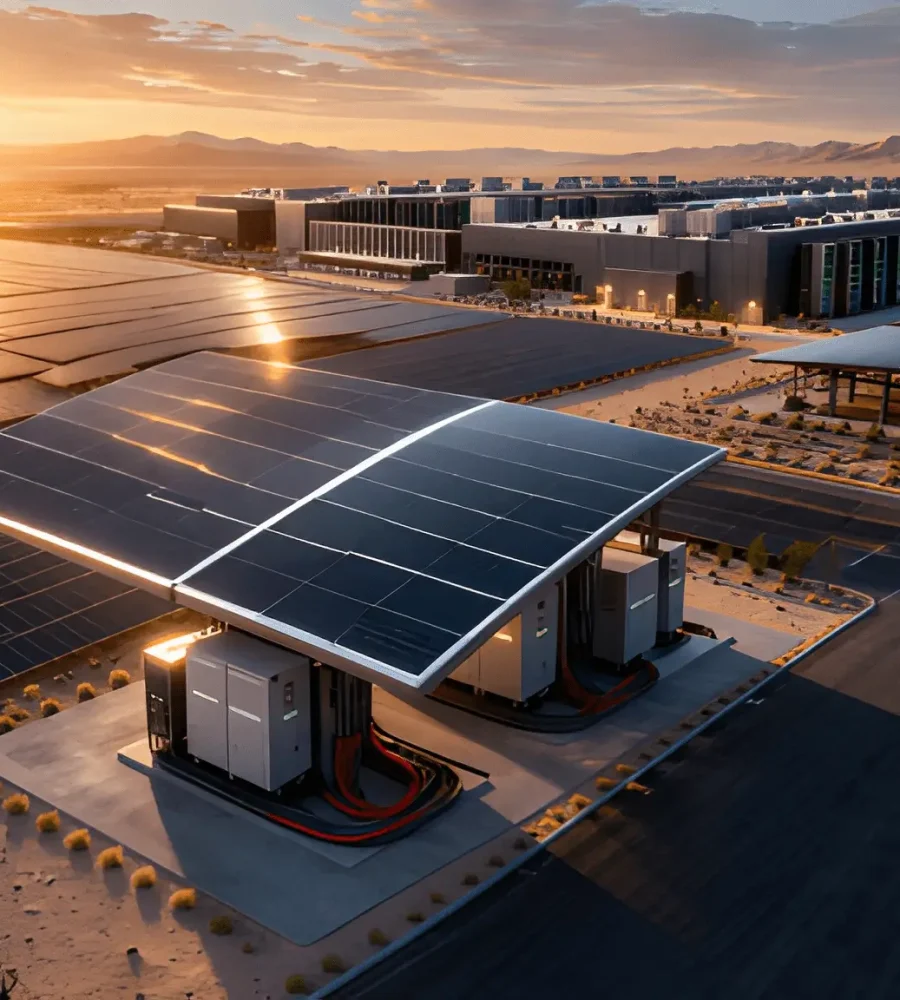
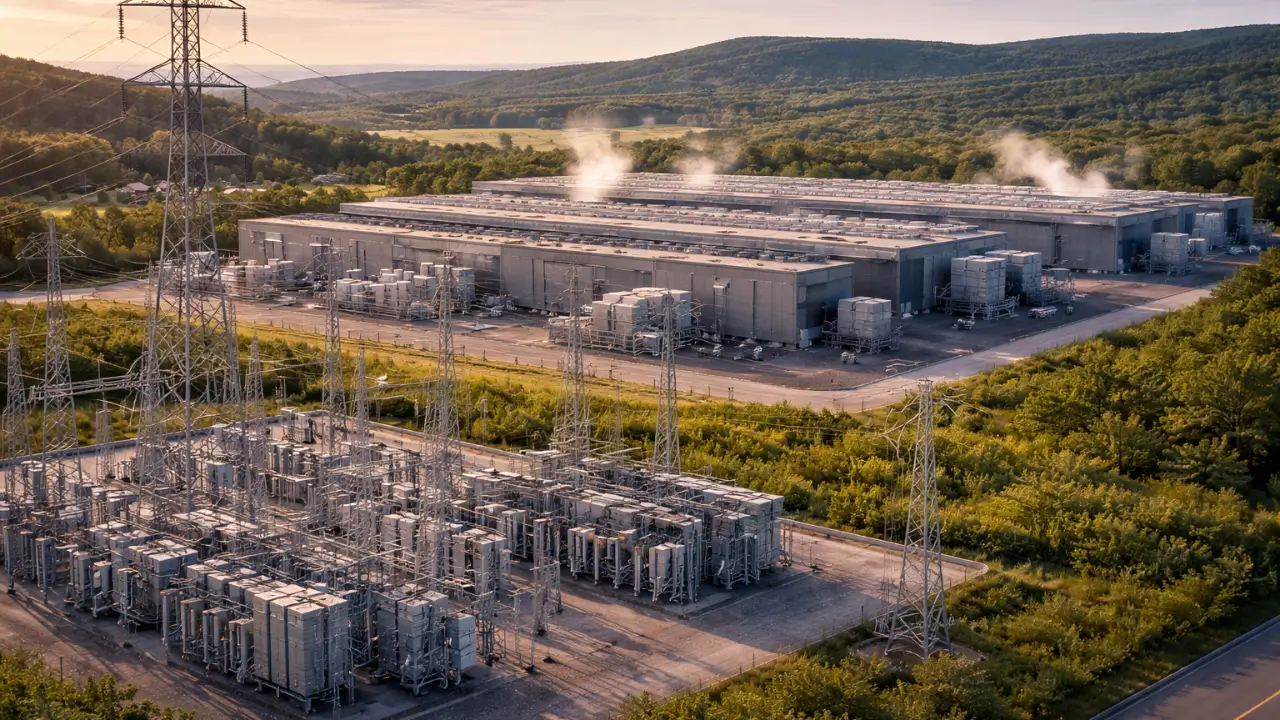
Pennsylvania sits at a historic crossroads as artificial intelligence drives unprecedented demand for data centers nationwide. That shift has made Pennsylvania AI data center regulation a growing priority as proposals for massive data-center projects emerge rapidly across the Commonwealth, promising investment and jobs. Yet, without clear, enforceable rules tailored to this new era of energy-intensive infrastructure, these facilities risk imposing hidden costs on ratepayers, straining electric reliability, and worsening environmental pressures. An unrestrained boom may benefit corporations, but it leaves communities to shoulder the long-term impacts of power demand and resource use. Responsible regulation is not a brake on innovation; it is a safeguard for sustainable growth.
Rising AI Compute Demand Is Reshaping Power Economics
AI workloads significantly increase energy intensity compared to traditional computing. Federal research indicates U.S. data center electricity consumption could reach 325 to 580 terawatt-hours by 2028, driven largely by AI and high-performance computing. This scale represents a structural shift in how electricity systems operate, not a marginal increase.
For Pennsylvania, which already supports heavy industrial and manufacturing loads, rapid clustering of AI data centers introduces grid planning challenges. New facilities often require power at scales comparable to small cities. Without coordinated planning, utilities may face accelerated infrastructure upgrades, raising concerns about cost recovery and system stability.
Grid operators have warned that large, concentrated loads can complicate reliability, especially during peak demand and extreme weather events. As a result, some proposed facilities consider onsite generation or new gas-fired capacity, decisions that carry long-term implications for emissions and energy mix alignment.
Community Pushback Signals a Policy Gap
Public concern around AI data center development is growing. Polling in Pennsylvania shows that a strong majority of residents worry about electricity and water use tied to these facilities. Many also question whether existing grid infrastructure can absorb additional demand without affecting household energy bills or reliability.
These concerns increasingly surface in local zoning and permitting decisions. Several municipalities have delayed or denied rezoning requests for data centers, citing uncertainties around noise, land use compatibility, and infrastructure strain. While local review offers a first line of defense, it does not address statewide grid or resource impacts.
The result is fragmentation. Municipalities face complex decisions with limited technical capacity, while developers navigate inconsistent rules. A statewide framework would reduce uncertainty while ensuring that cumulative impacts receive appropriate scrutiny.
One of the most significant risks of unregulated expansion lies in cost shifting. Large data centers require expensive transmission upgrades and interconnection investments. Without structured tariffs or contribution mechanisms, those costs can flow to residential and small commercial customers. Energy economists and utility planners increasingly recommend differentiated rate structures for hyperscale loads, paired with incentives for demand response and onsite storage. These tools align private investment decisions with system reliability needs, while protecting ratepayers from unintended subsidies.
Water, Land, and Environmental Externalities Matter
Energy use is only part of the equation. Many AI data centers rely on water-intensive cooling systems, raising concerns in regions where water withdrawals already face competing demands. Researchers continue to document the substantial water footprint associated with AI computing infrastructure.
Land use also plays a role. Large campuses alter traffic patterns, noise profiles, and local ecosystems. These effects are manageable, but only when incorporated into permitting and oversight rather than addressed reactively.
Contrary to common perception, regulation does not weaken Pennsylvania’s appeal as a technology hub. Predictable rules lower risk for investors and utilities alike. Legislative efforts to clarify the Public Utility Commission’s authority over data center energy impacts signal recognition of this balance.
Other states provide cautionary lessons. Delayed or incomplete regulatory responses have led to public backlash, grid cost disputes, and stalled projects elsewhere. Early integration of transparency and accountability avoids these outcomes. Transparency requirements around energy and water use also strengthen public trust. When impacts remain opaque, opposition grows. Disclosure, by contrast, allows communities and policymakers to evaluate tradeoffs using evidence rather than speculation.
A Measured Path Forward
Pennsylvania’s AI future depends on aligning innovation with infrastructure reality. Data centers will remain essential to economic growth, but their scale demands modern governance. Clear statewide standards, fair cost allocation, and environmental safeguards can ensure that benefits do not come at the expense of resilience or equity.
An unregulated AI data center boom would expose the Commonwealth to avoidable risks. A disciplined, forward-looking regulatory approach would instead position Pennsylvania as a model for sustainable digital infrastructure in the AI era.