The Contradiction at the Heart of the AI Race
The United States has declared artificial intelligence a national priority. Billions of dollars flow into data center campuses, frontier model development, and semiconductor investment. The political will to lead in AI is visible and bipartisan. Yet beneath the ambition lies a quiet contradiction — the physical infrastructure that makes AI possible depends heavily on electrical components that American manufacturers cannot currently produce fast enough, and in many cases, cannot produce at all without relying on Chinese supply chains.
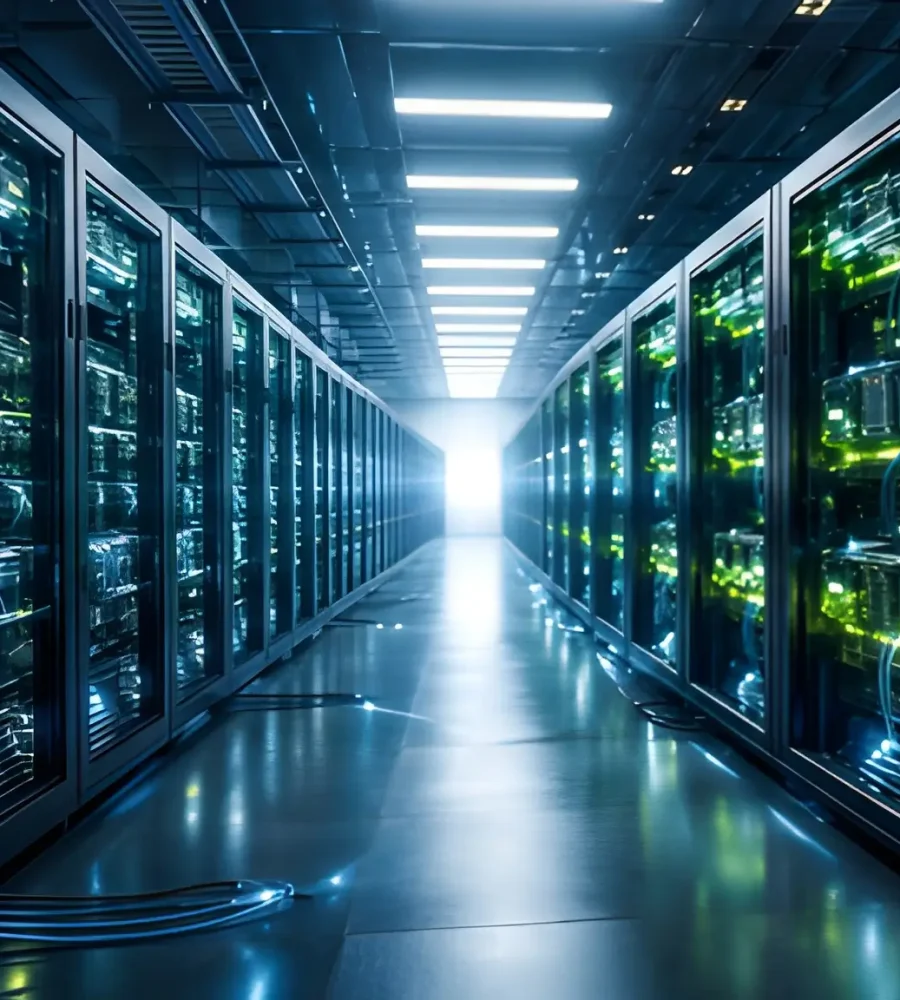
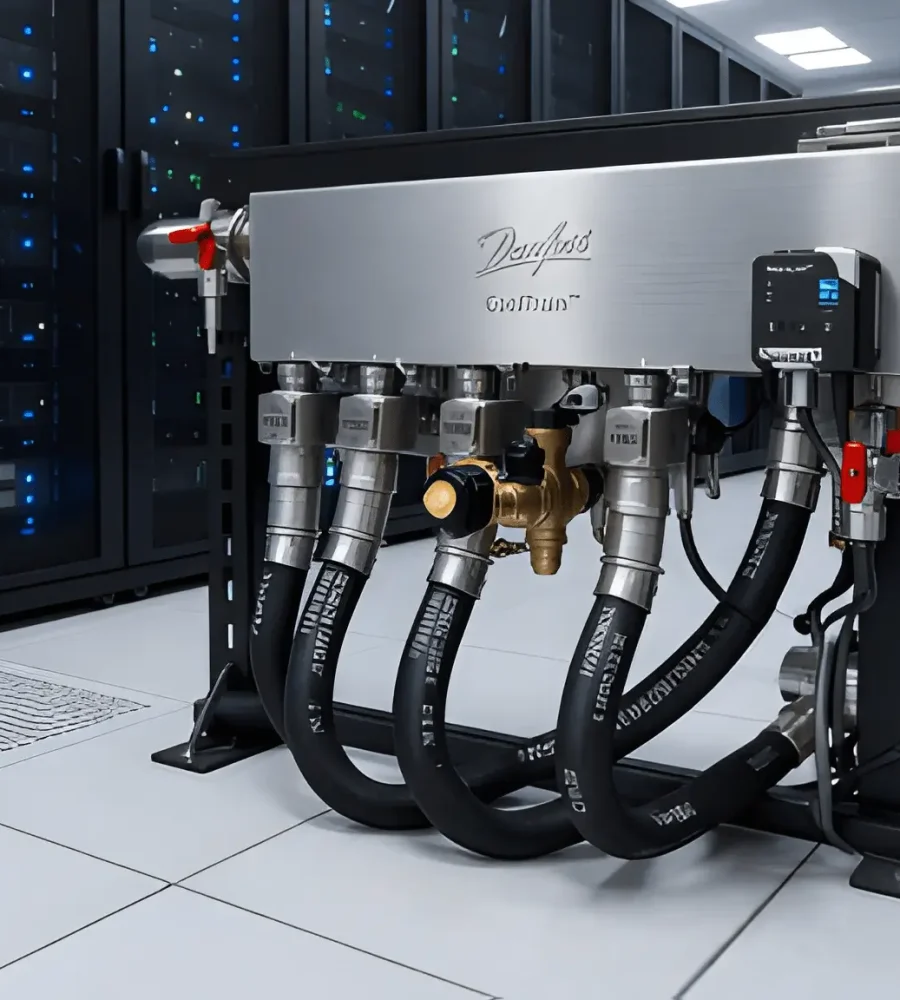
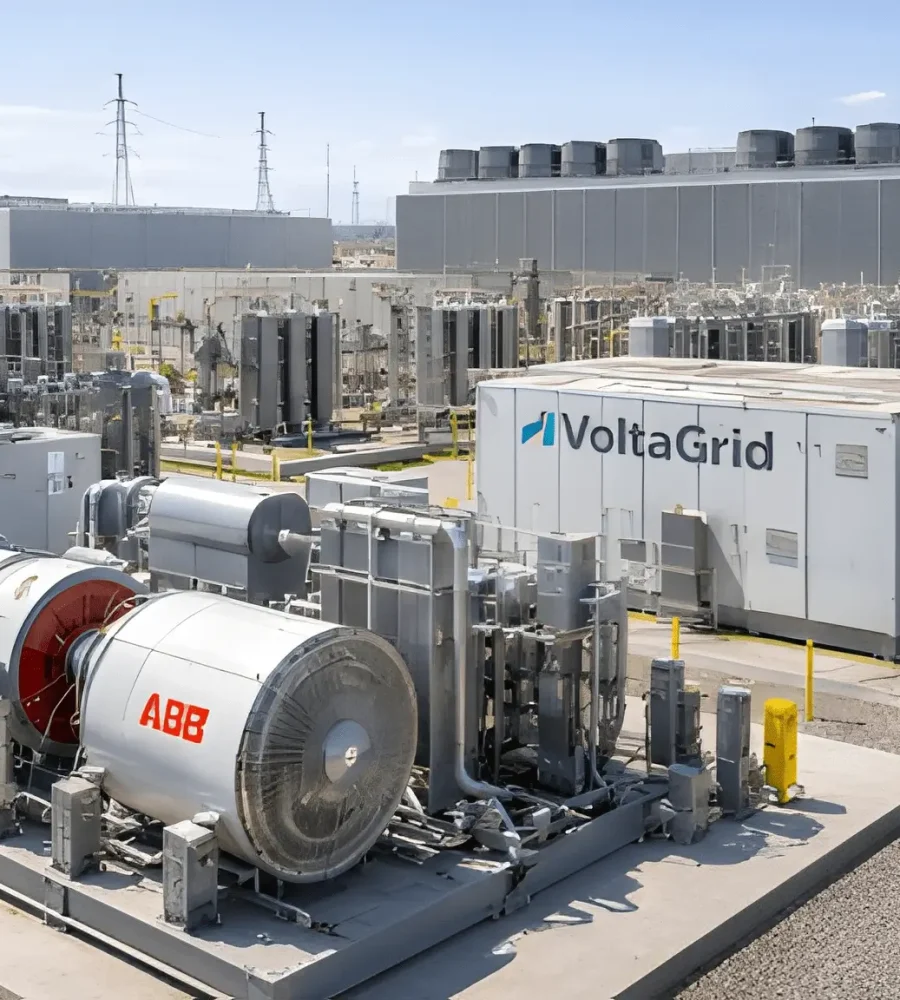
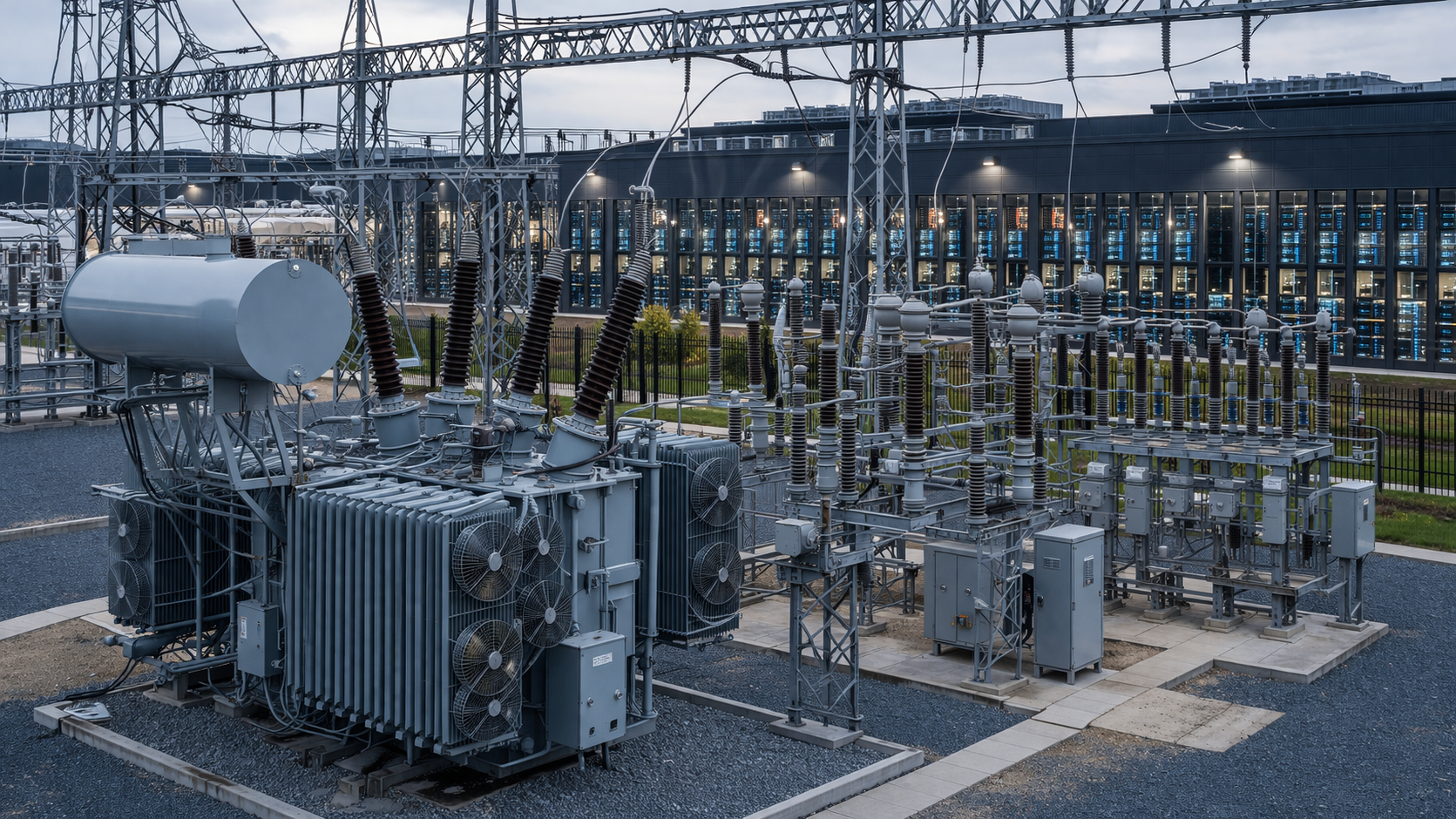
Transformers, switchgear, and battery systems form the unglamorous backbone of every data center. Without them, no amount of GPU investment translates into operational compute. These are not niche components. They are the load-bearing elements of the power systems that every AI campus requires before it can serve a single query. And the domestic manufacturing base for these components has not kept pace with the demand that the AI industry is now generating.
The Grid Equipment Shortage Is Not Theoretical
Data center developers across the United States are encountering this reality directly. Projects with committed capital, approved permits, and construction teams ready to mobilise face delays because the electrical infrastructure they need simply is not available on the timelines the AI industry demands. Transformers that once carried lead times measured in months now carry timelines that can stretch considerably longer. Switchgear backlogs follow a similar pattern. The pace of AI infrastructure deployment has outrun the capacity of the supply chain that supports it.
This gap did not appear overnight. American transformer manufacturing contracted over decades as demand appeared stable and imports from lower-cost producers remained accessible. The calculation made sense in a slower-moving infrastructure market. It no longer does. The AI industry has introduced a demand shock that the domestic manufacturing base was not sized or positioned to absorb. Expanding factory capacity takes years. Retraining specialised workforces takes time. The infrastructure boom arrived faster than the supply side could respond.
Tariffs Add Pressure Without Adding Capacity
The political response to supply chain vulnerability has centred heavily on tariffs — using trade barriers to incentivise domestic production and reduce dependence on Chinese components. The logic is coherent as a long-term industrial policy. As a near-term solution to a live infrastructure bottleneck, it creates a different problem. Tariffs raise the cost of the very imports that American data center developers need today while domestic alternatives remain years from meaningful scale.
The result is a squeeze from both directions. Developers cannot easily source domestically because the capacity is not there. They face higher costs if they import from China. And the projects that depend on these components — projects that represent real AI capacity the American economy is counting on — slow down or become more expensive in ways that affect competitiveness. The gap between the ambition of American AI policy and the readiness of the supply chain that supports it is not a temporary inconvenience. It is a structural exposure that requires more than tariff schedules to resolve.
Building Fast Requires Sourcing Honestly
There is a version of this conversation that the American technology and policy community has largely avoided — the acknowledgment that the speed at which AI infrastructure is being built depends, right now, on supply chains that run through China. Not because anyone planned it that way, but because those supply chains developed over decades and cannot be unwound on the timeline that the AI industry is demanding. Pretending otherwise does not accelerate domestic manufacturing. It just delays the honest reckoning about what reshoring actually requires.
Domestic investment in transformer manufacturing is growing. New facilities are coming online, and established manufacturers are expanding capacity. These efforts matter and will compound over time. However, the honest answer to how long it takes to build a competitive domestic supply chain for power infrastructure is longer than the current political conversation tends to acknowledge. The AI build-out is happening now. The manufacturing renaissance is a work in progress.
The Real Risk Is Invisible Until It Isn’t
What makes this vulnerability particularly difficult to manage is that it sits below the layer of infrastructure that dominates AI policy discussions. Chips, models, and cloud platforms attract attention and investment. Transformers and switchgear do not generate headlines until they create delays. By the time a supply chain constraint surfaces as a visible problem — a campus that cannot energise on schedule, a utility upgrade that slips its timeline — the cost in competitive position and capital efficiency has already accumulated.
The United States has an opportunity to address this before the constraint becomes critical. That requires treating power infrastructure manufacturing with the same strategic seriousness it has applied to semiconductor production — not just through tariffs, but through sustained investment in domestic capacity, workforce development, and the kind of long-term planning that outlasts election cycles. The AI race is not just a software competition or a chip competition. It is an infrastructure competition, and infrastructure runs on parts. Right now, too many of those parts come from a source that American policy simultaneously depends on and seeks to contain. That contradiction will not resolve itself quietly.