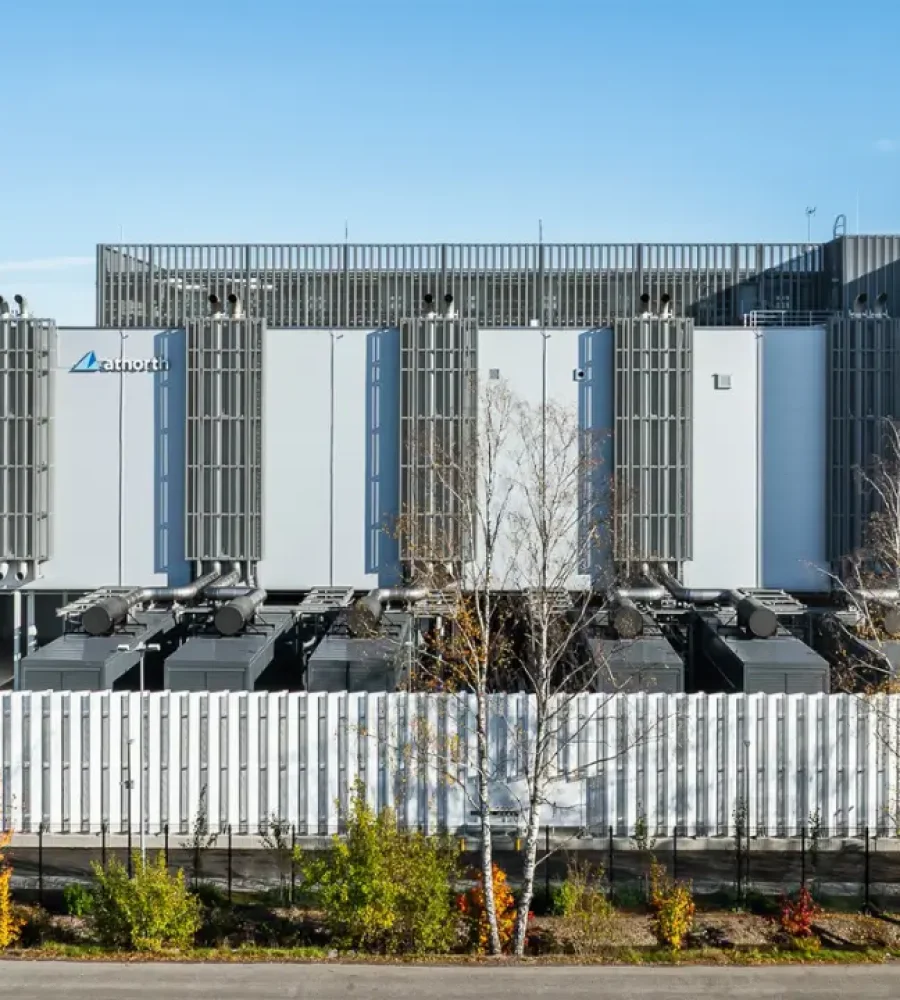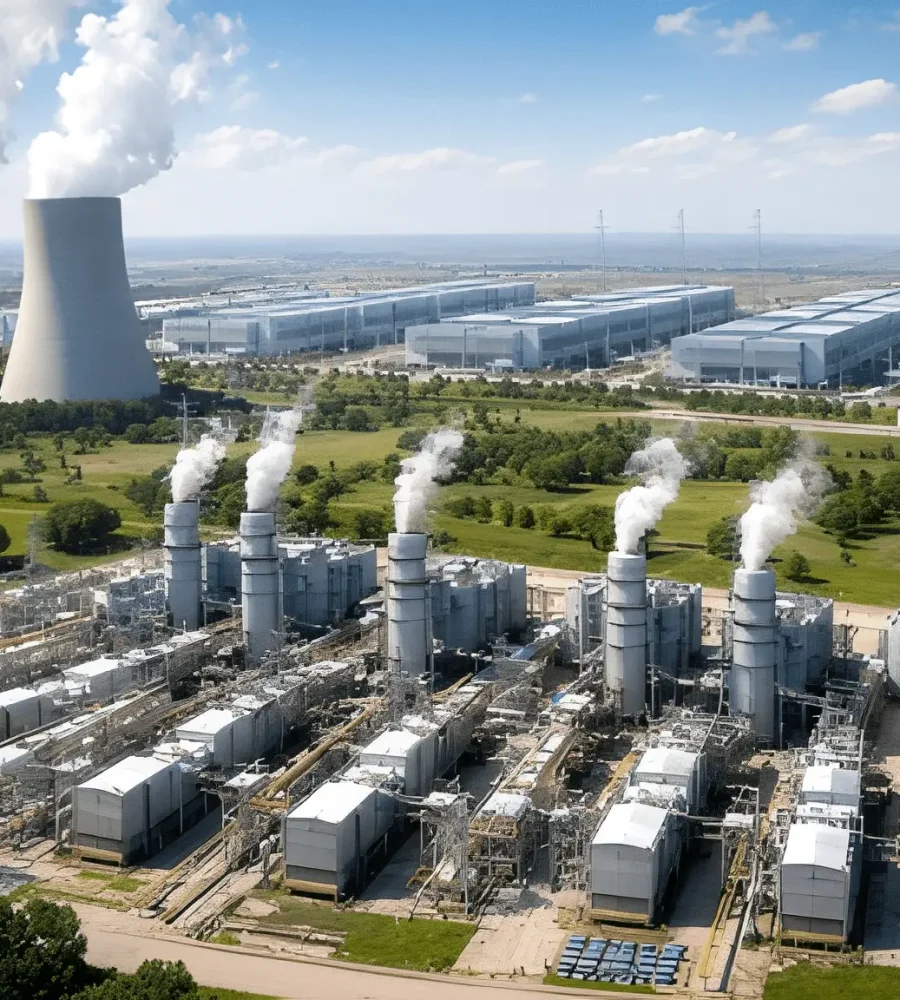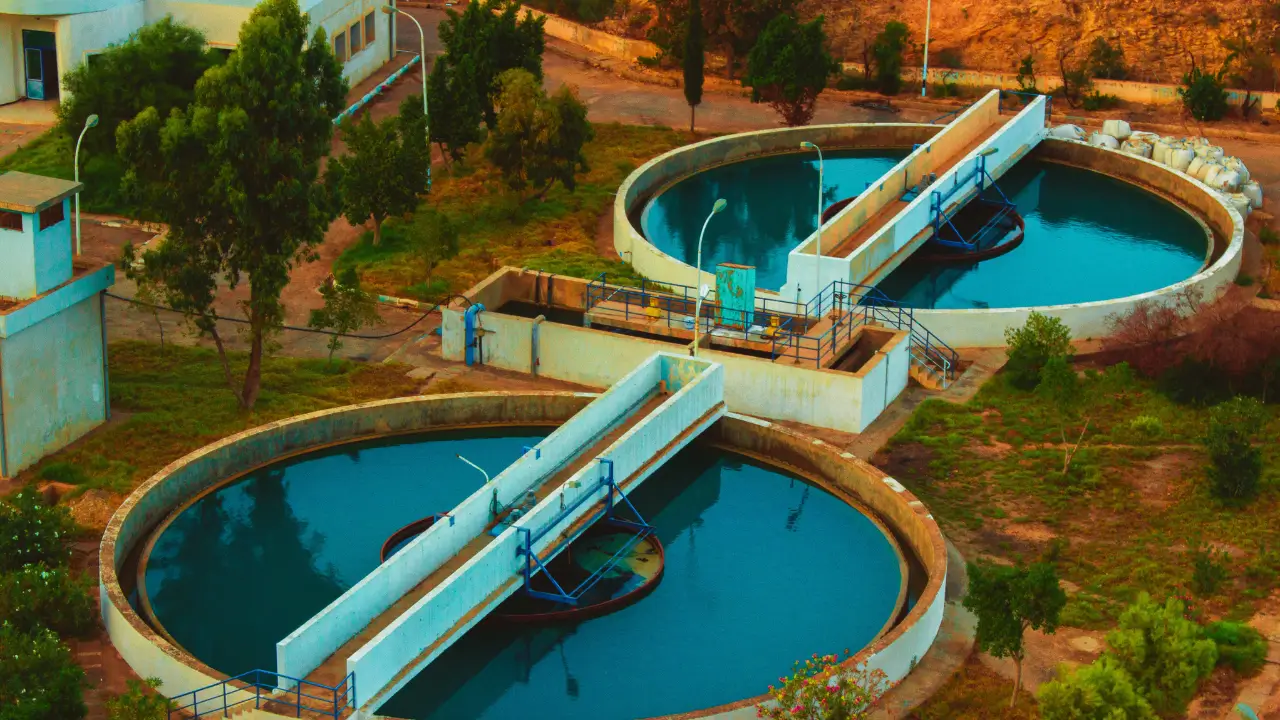
The idea sounds provocative at first. What if the wastewater flowing beneath cities became critical infrastructure for artificial intelligence? Waste2Nano’s recent launch of a wastewater-cooled AI platform pushes that idea into the real world. The company proposes using raw sewage as a heat sink for data centers while converting sewage solids into advanced materials.
On the surface, it feels counterintuitive. Cooling some of the world’s most advanced machines with untreated wastewater challenges both convention and instinct. Yet the deeper significance lies elsewhere. The proposal forces a rethink of how AI infrastructure consumes water, energy, and waste. That shift matters as AI pushes grids, aquifers, and permitting systems to their limits.
The question remains: whether AI can scale without fundamentally reworking how infrastructure treats waste.
The Water Stress Behind AI Growth
AI’s rapid expansion has exposed long-standing weaknesses in data center cooling models. High-density compute workloads generate heat levels that air systems struggle to manage. Operators increasingly rely on liquid cooling and evaporative systems. These approaches often require millions of gallons of water each year.
The problem is no longer theoretical. In water-stressed regions, communities now challenge the use of potable water for industrial cooling. Regulators are also paying closer attention. States like Virginia have introduced stricter reporting requirements for data center water usage. Similar scrutiny is emerging in parts of Europe and India.
Some operators have already shifted to reclaimed water. Amazon, Google, and others now use treated wastewater at dozens of sites. That move signals a broader change. The industry no longer assumes that drinking water should cool servers.
Waste2Nano takes that logic further. Instead of relying on treated effluent, its system taps raw wastewater directly through closed-loop heat exchangers. In theory, this approach removes freshwater from the equation entirely.
From Waste Stream to Thermal Asset
Wastewater carries a valuable trait. Its temperature remains relatively stable year-round. That consistency makes it useful for heat exchange. Cities already exploit this property through sewer heat recovery systems that warm buildings in winter and cool them in summer.
Waste2Nano applies the same principle to AI infrastructure. Raw sewage absorbs heat from data center systems. The process remains closed-loop, so wastewater never touches IT equipment. At the same time, solids become feedstock for nanocellulose and other advanced materials. Waste heat powers parts of that conversion process.
This design reframes sewage as infrastructure rather than liability. Municipal utilities spend heavily on sludge handling and disposal. If those solids gain economic value, treatment plants shift from cost centers to resource hubs.
The appeal is clear. AI needs cooling. Cities produce sewage every day. Connecting the two creates a local, predictable thermal loop.
Limits That Cannot Be Ignored
Still, enthusiasm should remain grounded. Sewage cooling does not remove the core driver of AI’s footprint. Electricity consumption continues to rise. Cooling systems only manage heat after generation occurs.
Raw wastewater also varies widely in composition. Flow rates, contaminants, and seasonal changes introduce operational risk. Systems must handle corrosive elements, biological growth, and solids without compromising uptime. These requirements raise engineering complexity and cost.
There is also a governance challenge. Wastewater systems sit under public control. Data centers operate as private infrastructure. Integrating the two requires coordination across utilities, health agencies, environmental regulators, and local governments. That process moves slowly even under ideal conditions.
Public perception adds another layer. Engineers may dismiss discomfort around sewage. Communities do not. Permitting decisions often hinge on trust and transparency. Any project that connects AI infrastructure to municipal sewers will face intense scrutiny.
What This Idea Really Signals
The deeper importance of sewage-based cooling lies in what it represents. AI infrastructure can no longer function as an isolated box that consumes power and water without regard for its surroundings.
As compute density rises, data centers increasingly behave like industrial facilities. They exchange heat, water, and energy with their environment. That reality demands systems thinking.
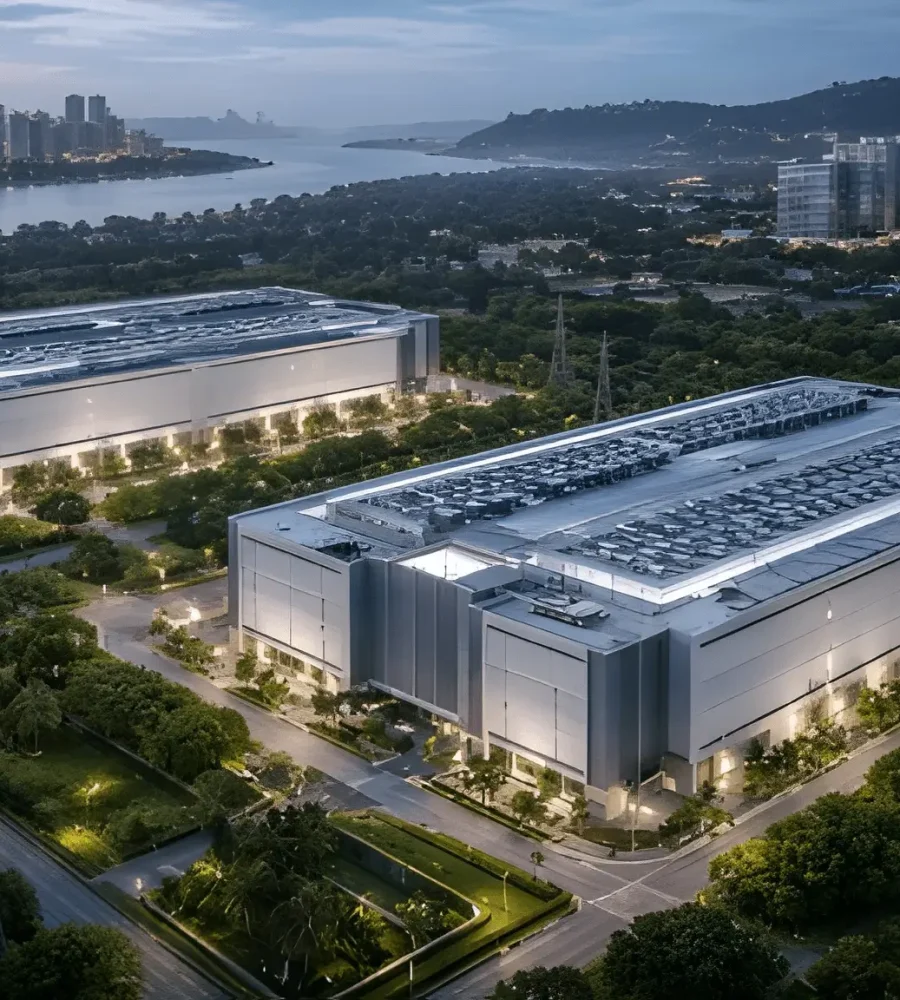
Waste2Nano’s model aligns with a growing trend. Operators now explore district heating, wastewater reuse, and colocated energy systems. Some cities even consider placing data centers directly at wastewater treatment plants. These ideas aim to collapse distance between supply and demand.
In this context, sewage cooling is not a novelty. It is a signal that waste streams may become core inputs for AI operations.
A Shift From Efficiency to Integration
For years, sustainability efforts focused on efficiency. Lower PUE. Better airflow. Smarter chillers. Those gains still matter, but they no longer solve the hardest constraints.
AI growth now collides with physical limits. Grid capacity lags demand. Water rights face political resistance. Land use grows contentious. Incremental efficiency cannot overcome these pressures alone.
Integrated systems offer a different path. Waste heat powers nearby processes. Wastewater absorbs thermal load. Energy storage smooths peaks. Each system supports the others.
Sewage cooling fits squarely within that logic. It treats unavoidable urban byproducts as structural assets. That mindset may prove essential as AI infrastructure moves closer to cities and communities.
The Real Test Ahead
Whether sewage becomes a mainstream cooling solution remains uncertain. Pilot projects will reveal cost, reliability, and scalability. Many ideas fail at that stage. Even if it remains niche, the concept pushes the conversation forward. It challenges the assumption that AI infrastructure must compete with communities for water. It also questions why waste streams remain disconnected from high-value systems.