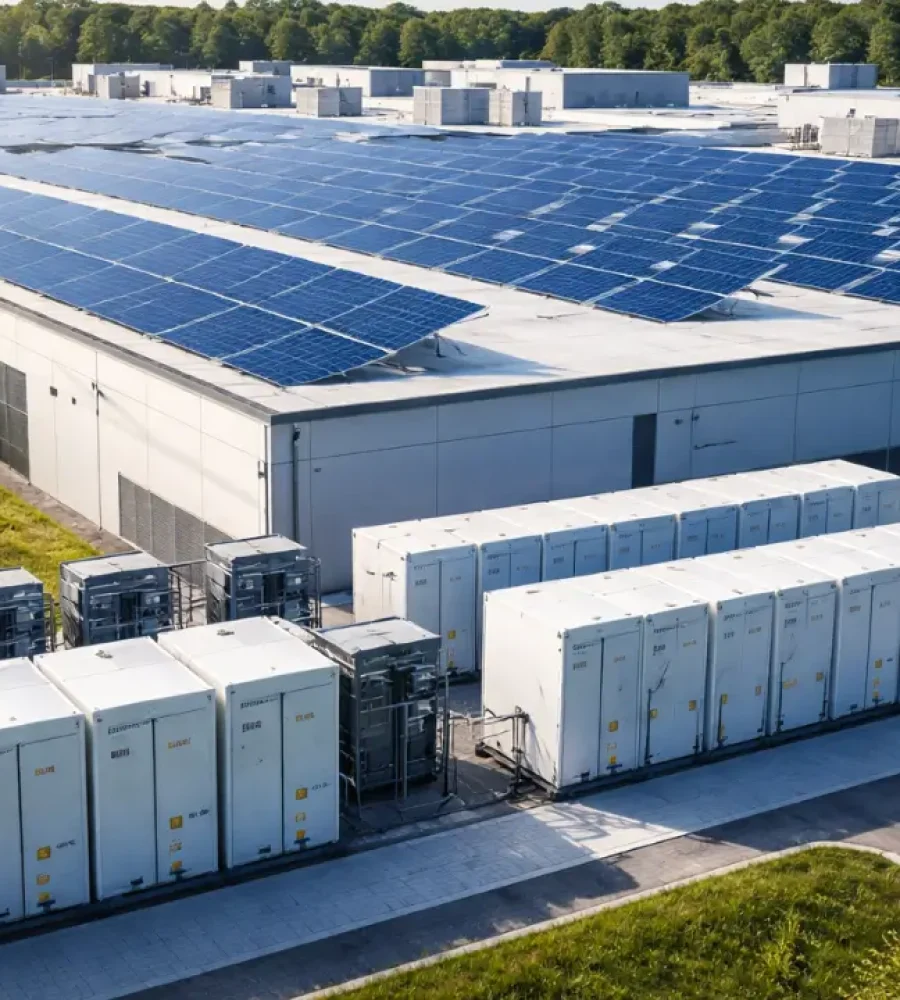
Modern efforts to decarbonize electricity systems depend on how efficiently renewable energy and storage can deliver usable power to the grid. One of the key technologies behind this transition is power conversion hardware, and at the heart of that hardware are power modules, compact assemblies of semiconductor devices that control high voltages and currents where clean energy meets the grid. These modules are foundational to the performance, cost, and reliability of renewable and storage infrastructure.
Power modules act as the workhorses in systems that convert electricity from one form to another. In a simple sense, they ensure that energy generated by solar or wind can move efficiently into the grid, and that energy stored in batteries can be dispatched quickly when needed. Their internal semiconductor switches, traditionally insulated-gate bipolar transistors (IGBTs) and increasingly newer devices such as the Insulated Gate Turn-Off (Thyristor), IGTO(t), set the limits on efficiency, thermal performance, and system responsiveness.
Power Modules: The Engine of Conversion
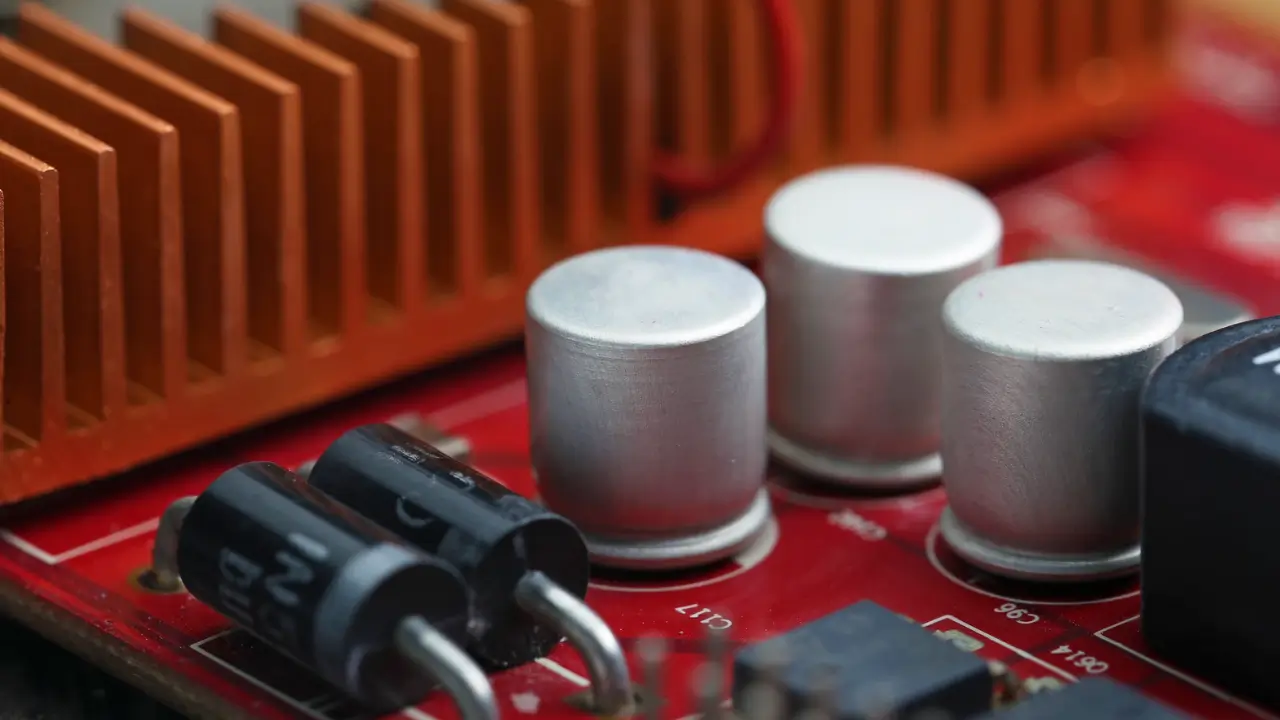
A power module is a packaged assembly that includes one or more semiconductor switches such as MOSFETs, IGBTs, or other devices, along with diodes and other components, all mounted on a substrate designed for efficient electrical and thermal performance. These modules replace discrete transistors and diodes in renewable and storage power conversion systems with a compact, high-power alternative that can handle the demanding conditions of grid-scale energy.
In utility-scale solar inverters and wind turbine converters, power modules make the step from variable direct current or low-quality alternating current to grid-synchronised power possible. They regulate voltage, control switching, and shape electrical waveforms so that electricity meets strict grid standards. In battery energy storage systems (ESS), the same power conversion systems let batteries charge and discharge while maintaining power quality and efficiency. This bidirectional capability is central to storage’s role in balancing supply and demand.
IGBTs have long been the dominant switching devices in these modules. They combine the advantages of MOSFET gating with the ability to handle high current and voltage, making them suitable for heavy-duty applications in solar inverters, ESS, motor drives, and more. Their continual evolution, such as high-power IGBT modules that reduce losses and increase power density, improves the overall performance and reduces heat dissipation in these systems.
Why Efficiency Gains Matter
Every transition from generated or stored energy into grid-quality power involves some loss. Even a few percentage points of improved efficiency at the power module level can translate into significant gains at the system level. Lower losses mean more of the renewable energy generated actually reaches the grid or is stored for later use, boosting overall system yield. Equally, reduced heat from fewer losses means less energy spent on cooling and thermal management, which simplifies system architecture and lowers operating costs.
Higher efficiency also supports higher power density, the amount of power a module can handle per unit of size. Modules that can handle more power in a smaller footprint allow inverters and converters to be more compact, which is particularly valuable for distributed and rooftop solar systems where space is constrained. Combined, these advances reduce total cost of ownership and unlock new deployment options for renewables and storage.
New Semiconductor Devices: Beyond the IGBT
The traditional IGBT has served the renewable and storage industry for decades, but new semiconductor innovations are pushing performance boundaries further. A recent collaboration between Hitachi Energy and Pakal Technologies aims to integrate the IGTO(t), a new type of silicon power switch, into ≥3.3 kV high-voltage power modules used in rail, renewables, energy storage, and other infrastructure applications. This device delivers about 30 percent lower conduction losses than conventional IGBTs while maintaining compatibility with existing module architectures.
This development is significant because it marks the first major new high-voltage silicon power semiconductor introduced since the rise of the IGBT in the 1980s, addressing a longstanding need for higher efficiency without requiring an entirely new ecosystem of components. Lower conduction losses at high current and temperature improve overall energy conversion, reduce cooling demands, and can deliver higher reliability over the module’s lifetime — all key factors in large renewable farms and grid-scale storage installations.
Wide-bandgap semiconductors such as silicon carbide (SiC) and gallium nitride (GaN) are also gaining traction. These materials can operate at higher voltages, faster switching speeds, and with better thermal performance than traditional silicon devices, making them ideal for next-generation power modules in renewable and storage applications. These innovations promise further gains in efficiency, thermal resilience, and power density, particularly as systems migrate toward higher voltage architectures.
Enabling the Modern Grid
Power modules are essential not just for energy conversion, but for enabling renewables and storage to fulfill broader grid functions. Inverters equipped with advanced modules can participate in grid support services such as frequency regulation and reactive power compensation, helping maintain grid stability in the face of variable renewable output. Storage systems with efficient bidirectional conversion can provide balancing services, smoothing generation dips and offering capacity firming that helps integrate more wind and solar without compromising reliability.
For example, modular battery systems like Hitachi Energy’s PQpluS units demonstrate how power conversion technology serves distributed applications, integrating renewables and storage in flexible ways that can interact dynamically with grid demands. These systems can scale from small commercial sites to larger aggregations that support demand-side response and energy management functions.
Challenges and the Path Forward
Despite these advancements, challenges remain. Manufacturing power modules with cutting-edge semiconductors requires precise materials engineering and robust quality control to ensure reliability under high thermal and electrical stress. Supply chain complexity for advanced devices such as SiC and IGTO(t) can create bottlenecks, especially when demand for renewable and storage projects grows rapidly. Balancing innovation with cost is also crucial; new technologies must offer clear economic advantages to gain widespread adoption.
Thermal management continues to be a central consideration. As power modules support higher densities and operate at elevated power levels, maintaining safe temperatures without excessive cooling infrastructure is essential. Innovative packaging, heat spreaders, and passive thermal solutions will remain areas of active development for power electronics designers.
Modules as Enablers of Clean Energy
Advanced power modules are far more than components on a parts list. They are enablers of renewable integration, storage performance, and grid stability. By reducing energy losses, increasing converter power density, and enabling more dynamic interaction with grid systems, improved module technologies help unlock the full potential of clean energy resources.
The integration of innovations like the IGTO(t) into high-voltage modules shows how semiconductor technology continues to evolve in ways that strengthen the backbone of renewable and storage systems. As these technologies mature and scale, they will play a defining role in how renewable energy systems deliver reliable, cost-effective, and sustainable power to the world’s electric grids, advancing decarbonisation goals while supporting the next generation of energy infrastructure.