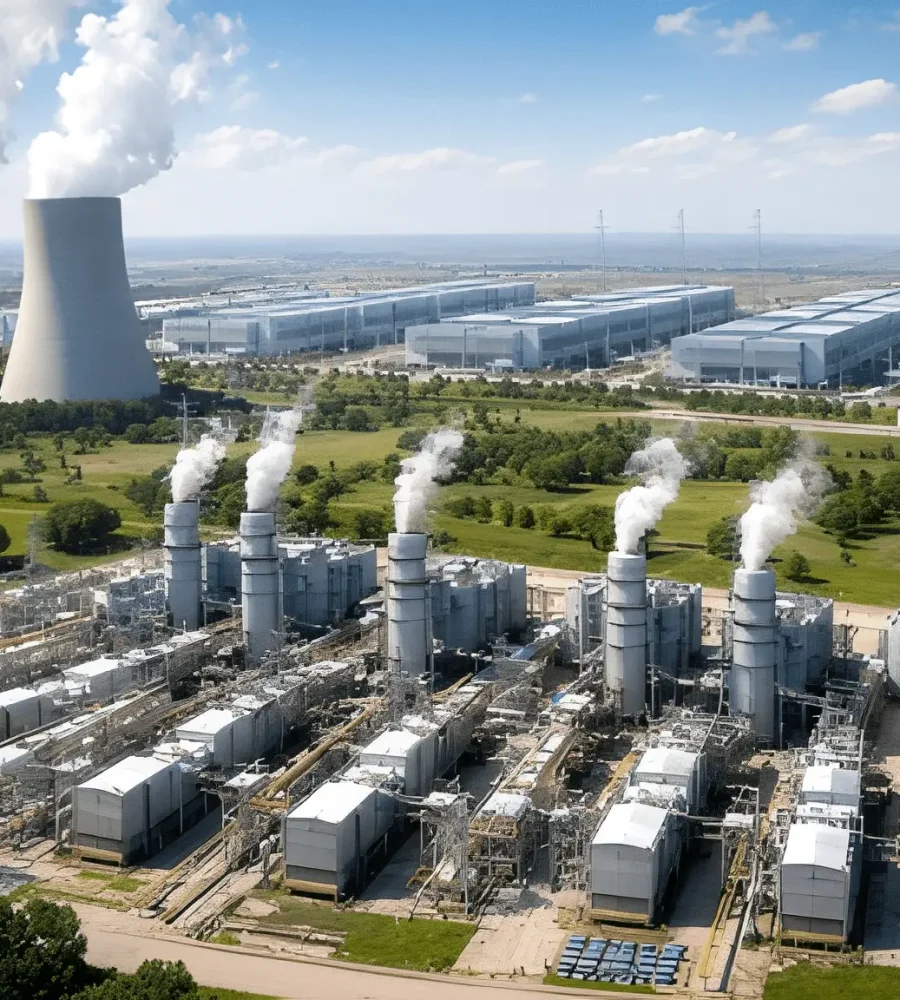
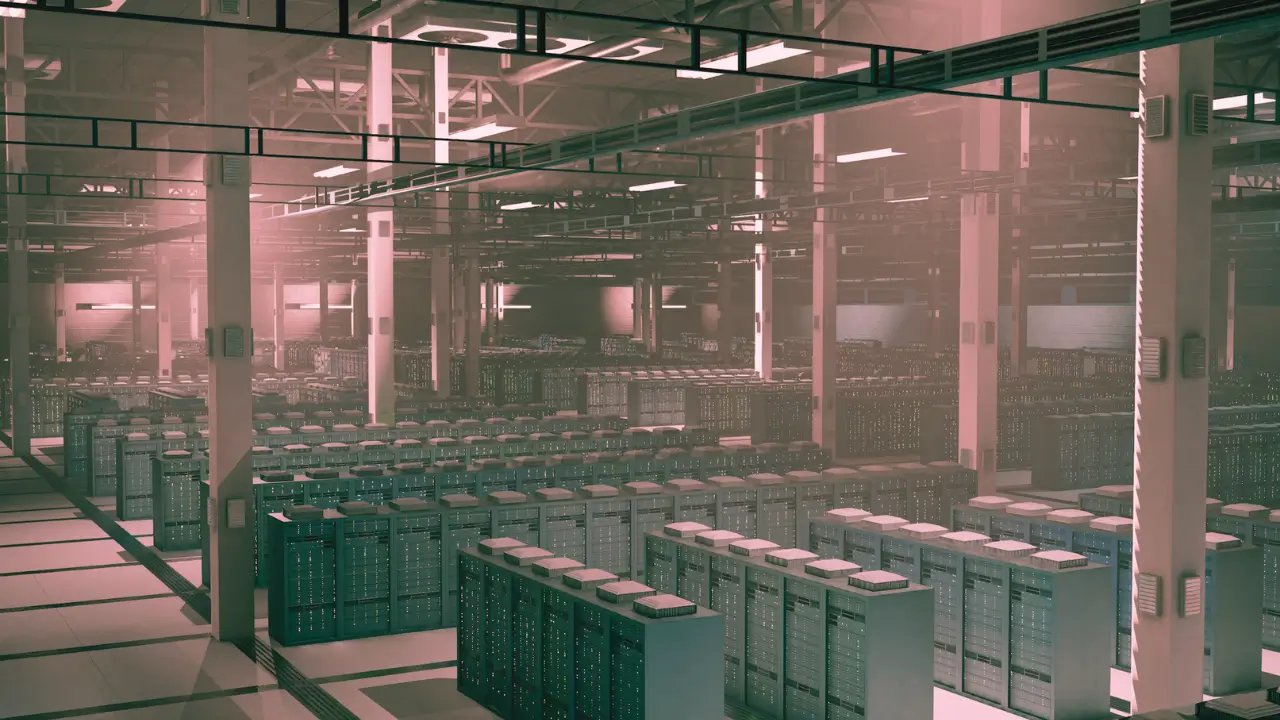
Artificial intelligence has reshaped the power profile of data centers, but not simply by increasing demand. The deeper disruption lies in how that demand behaves. AI workloads do not draw electricity steadily. They surge, collapse, and surge again, often within minutes. In doing so, they expose a mismatch between modern compute and grids designed for predictability.
Training large models such as those behind ChatGPT or Grok can push rack densities toward 200 kilowatts in short bursts, only to fall sharply when jobs pause or pipelines reconfigure. Inference workloads are even less stable, responding instantly to user behavior, market activity, or viral events. These swings raise costs, stress transmission systems, and elevate blackout risks. In response, batteries have moved into core infrastructure. By 2026, they are no longer peripheral safeguards but active instruments shaping how AI scales.
AI Load Volatility Exposed
At peak training intensity, a single data hall packed with NVIDIA Blackwell GPUs can resemble an industrial load more than a traditional server environment. Thousands of accelerators drawing roughly 1,200 watts each can push campus demand toward 140 gigawatts, comparable to the consumption of a mid-sized city. Yet this intensity is rarely sustained. As workloads queue or models idle, utilization can drop by 50 to 70 percent within minutes.
Inference compounds the challenge. Applications such as real-time trading systems or consumer-facing generative tools can trigger demand spikes an order of magnitude higher than baseline levels with little warning. Unlike conventional enterprise workloads, AI demand is asymmetric, burst-driven, and forecastable only seconds or minutes ahead. This volatility undermines grid planning assumptions that prioritize steady baseload consumption.
The result is growing friction between data centers and utilities. Midday solar oversupply can collide with sudden AI ramps, forcing curtailment on one side and emergency generation on the other. Goldman Sachs estimates data centers could account for 8 percent of U.S. electricity demand by 2030. Volatility amplifies that pressure. Grids built to move slowly struggle to respond at machine speed.
Battery Technology: From Backup to Control Layer
This gap has elevated battery systems from backup assets to operational control layers. Lithium-ion installations such as Tesla’s Megapacks now deliver gigawatt-scale power for 15 to 60 minutes, ramping almost instantaneously to absorb or supply load. With costs down roughly 90 percent since 2010, large-scale deployments have become economically viable for hyperscale facilities exceeding 100 megawatts.
Longer-duration needs are increasingly addressed through flow batteries, particularly vanadium-based systems capable of four to eight hours of discharge without meaningful degradation across tens of thousands of cycles. These systems align well with extended inference lulls or overnight load smoothing. At the sub-second level, supercapacitors handle transient spikes, forming hybrid architectures that behave less like storage and more like dispatchable power plants.
Software is as important as chemistry. AI-driven energy management systems now predict load patterns up to 30 minutes ahead, coordinating cooling, compute scheduling, and battery discharge to flatten peaks. Operators report peak reductions approaching 40 percent, achieved not by curtailing compute, but by reshaping when and how energy is drawn.
Real-World Deployments at Scale
These systems are no longer experimental. Microsoft’s Azure division deployed roughly 500 megawatt-hours of battery storage at its Iowa supercluster in early 2026, designed to smooth AI training loads approaching 30 gigawatts. During last summer’s heatwave, the system discharged 200 megawatt-hours in under half an hour, stabilizing local grid conditions while generating millions in demand-response revenue.
Equinix has pursued a more distributed strategy, pairing two-hour lithium-ion systems with liquid-assisted cooling across its global footprint. The company reports a 35 percent reduction in grid dependency across more than 250 sites, suggesting that batteries are not limited to hyperscale campuses but are viable for edge and colocation environments as well.
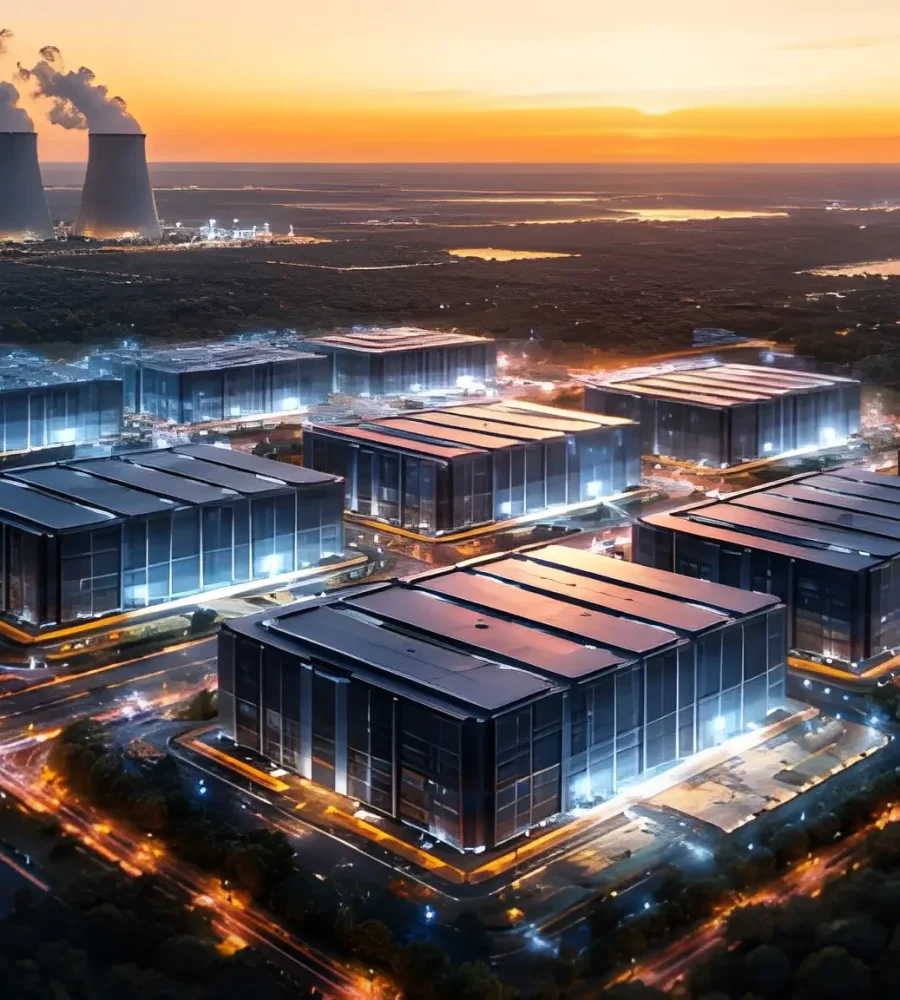
In Nevada, Tesla’s Gigafactory supports multi-gigawatt-hour deployments serving xAI, integrated with small modular nuclear reactors. In this configuration, nuclear provides steady baseload power while batteries absorb the 10 to 20 percent volatility inherent in AI workloads. These systems also participate in ancillary service markets, turning load variability into a revenue stream. Collectively, such deployments are scaling toward 10 gigawatts worldwide by the end of the year.
Economics and Structural Constraints
The financial case for batteries has strengthened alongside their technical role. A 100-megawatt AI facility equipped with 200 megawatt-hours of storage can avoid millions annually in peaker plant fees while earning additional income through frequency regulation and demand response. With federal incentives reducing capital costs by up to half, internal rates of return can exceed 20 percent within a few years.
Challenges remain. Thermal management and fire suppression demand constant monitoring, particularly as energy densities rise. Round-trip efficiency losses of roughly 15 percent represent a real cost in constrained energy markets. Supply chains are under pressure as lithium demand from electric vehicles competes with stationary storage. Battery degradation remains an operational consideration, though modular replacement strategies have kept availability at near five-nines levels.
Sustainability questions are more complex. While batteries can displace peaker plants, they can also extend the operational life of fossil infrastructure by smoothing demand rather than eliminating it. Some operators are addressing this tension through second-life battery programs using retired EV packs, reducing embodied emissions substantially. Regulatory frameworks are also catching up. Restrictions on virtual power plant participation limit monetization today, though reforms under consideration could unlock tens of billions in new market activity.
Batteries as Infrastructure, Not Accessories
By mid-2026, AI-coupled storage capacity is expected to reach roughly 40 gigawatts, rivaling the scale of regional utilities. Advances in forecasting, coupled with emerging alternatives such as sodium-ion batteries, are likely to further reduce costs and material constraints. In markets such as ERCOT, data centers are already functioning as flexible grid participants, stabilizing renewable generation rather than overwhelming it.
The broader shift is conceptual. Data centers are no longer passive consumers of electricity. They are becoming dynamic energy assets, capable of absorbing volatility and selling flexibility back to the grid. Hyperscalers are exploring multi-gigawatt “battery belts” around nuclear assets, reducing reliance on aging transmission infrastructure altogether.
AI’s power problem is not simply one of supply. It is a problem of timing, volatility, and control. Batteries address all three. In that sense, fluctuating AI loads are not an anomaly to be corrected, but a structural feature that demands new infrastructure logic. The operators who understand this are not just keeping the lights on. They are redefining how digital and physical systems interact, and in doing so, reshaping the economics of scale itself.