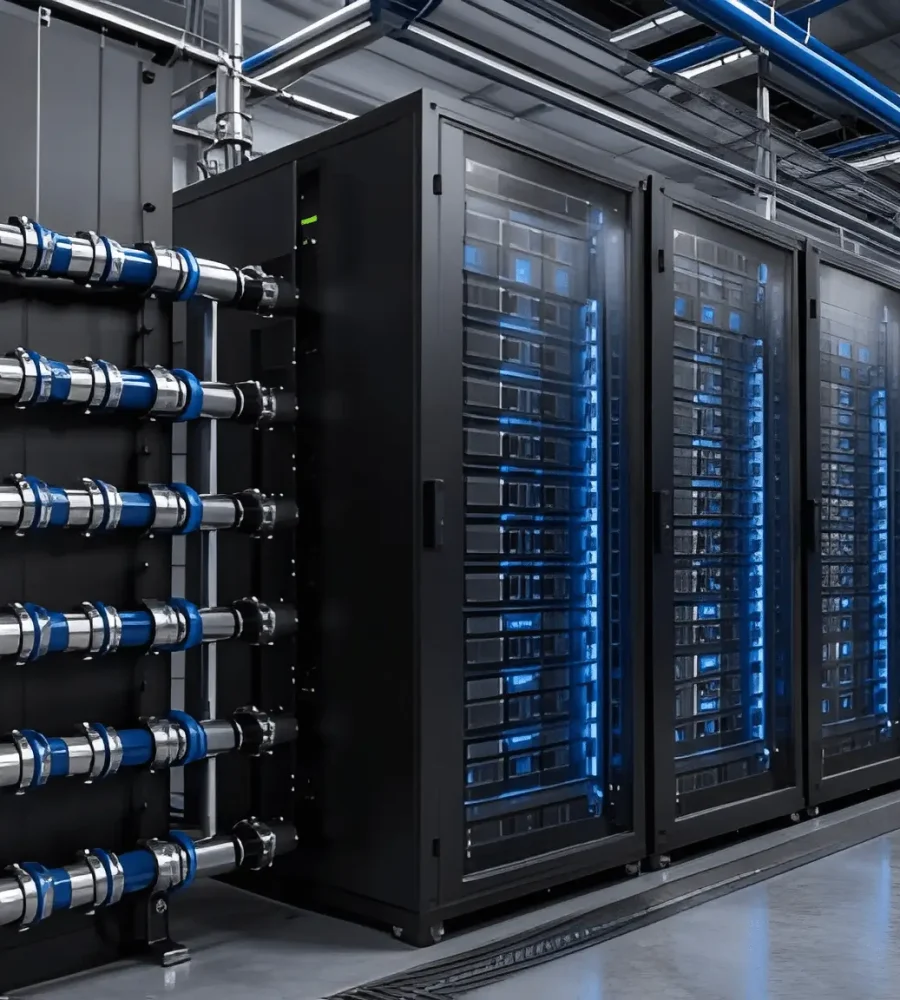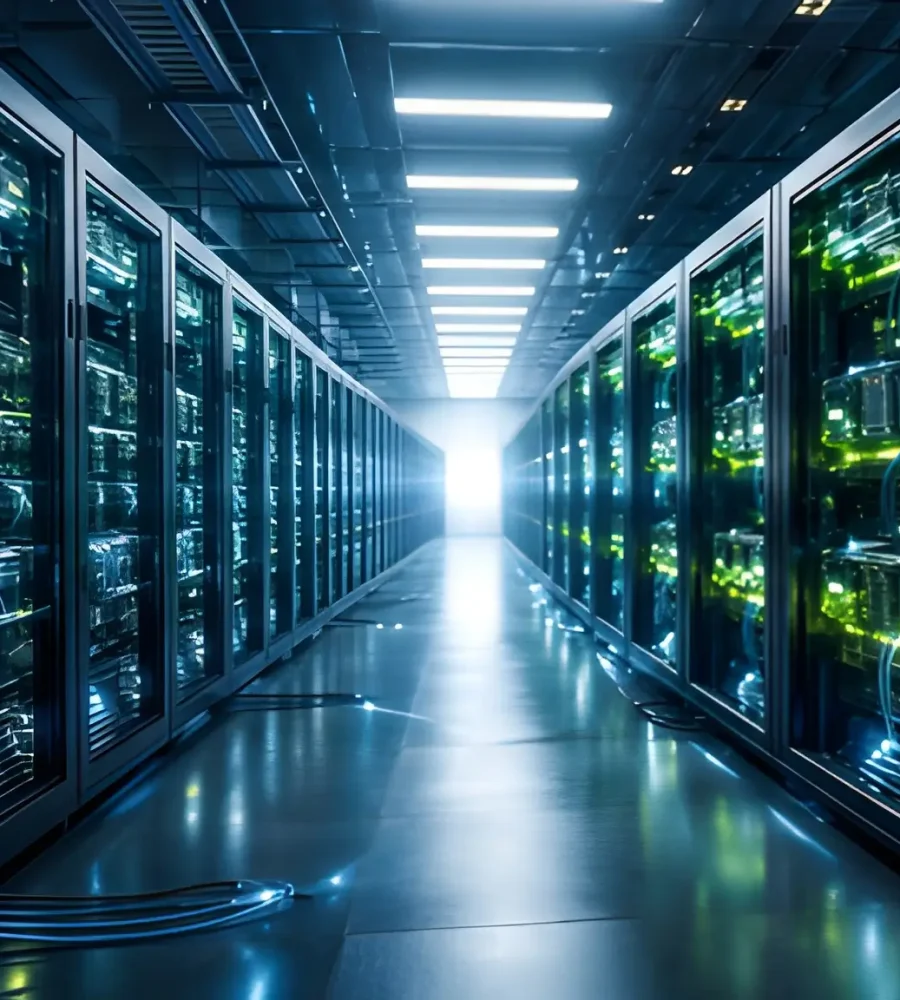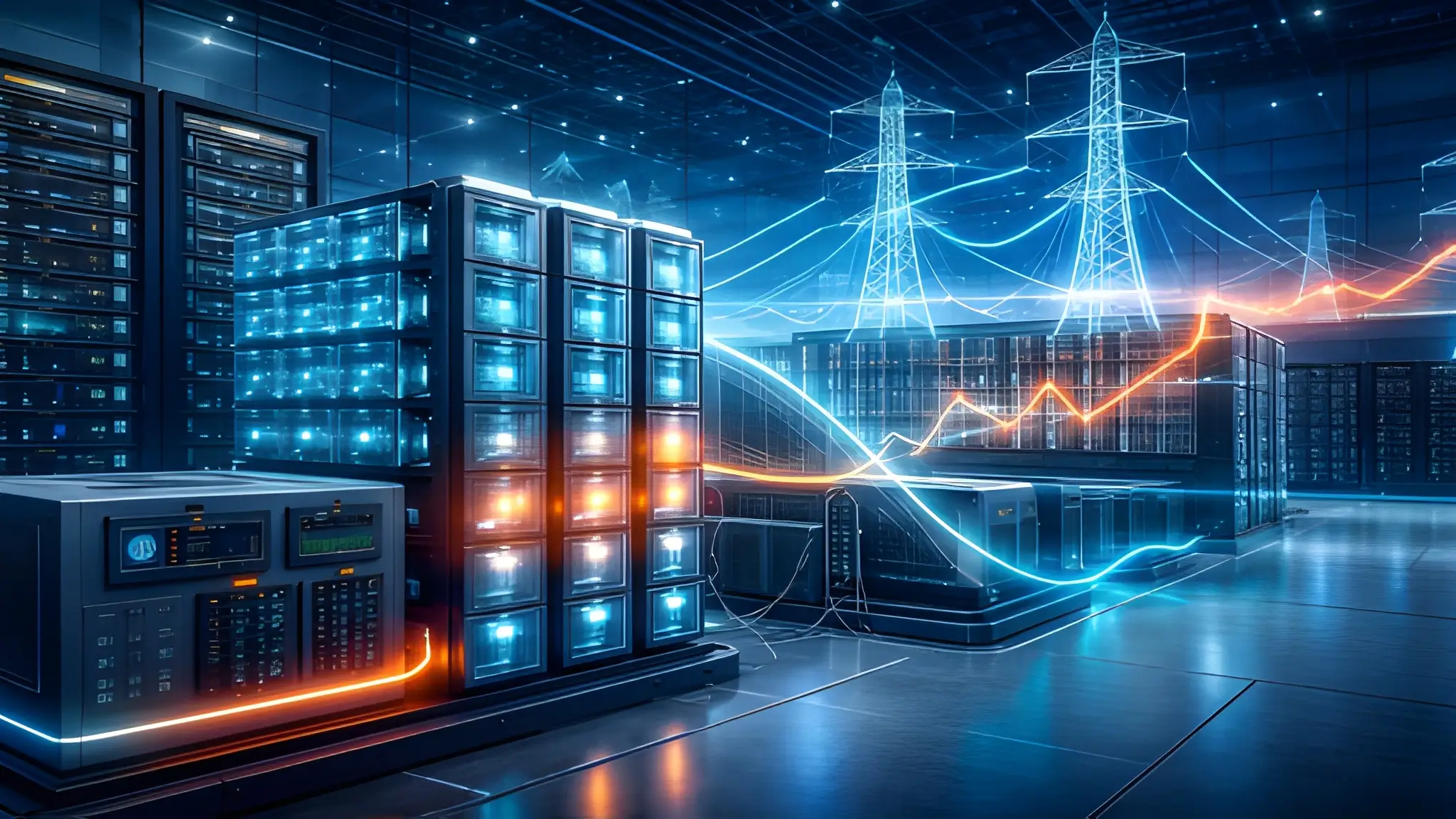
Grid connectivity has long been treated as a proxy for stability in large-scale infrastructure, yet that assumption begins to fracture under AI-scale workloads. Data centers increasingly operate at power densities where even minor deviations in frequency or voltage propagate into measurable system disruptions. AI training clusters, particularly those running high-performance GPUs, demand tightly controlled electrical environments that the grid alone does not consistently provide. Variations in grid supply occur at sub-second intervals, and these micro-instabilities rarely register in conventional uptime metrics. However, they surface as jitter in compute performance, reduced hardware efficiency, and unpredictable workload behavior. Facilities without on-site energy buffering strategy lack the ability to absorb or smooth short-duration fluctuations in real time, increasing their exposure to power quality disturbances.
The distinction between availability and reliability becomes critical in this context because the grid can remain available while failing to deliver stable power quality. AI workloads amplify this gap due to their sensitivity to synchronization and throughput continuity across distributed systems. High-density racks rely on consistent power delivery to maintain thermal equilibrium and computational alignment across nodes. Even slight inconsistencies introduce cascading inefficiencies that degrade overall system performance. Traditional infrastructure models overlook these nuances because they evolved around less dynamic workloads. Storage absence therefore manifests as a hidden reliability deficit rather than a visible operational failure.
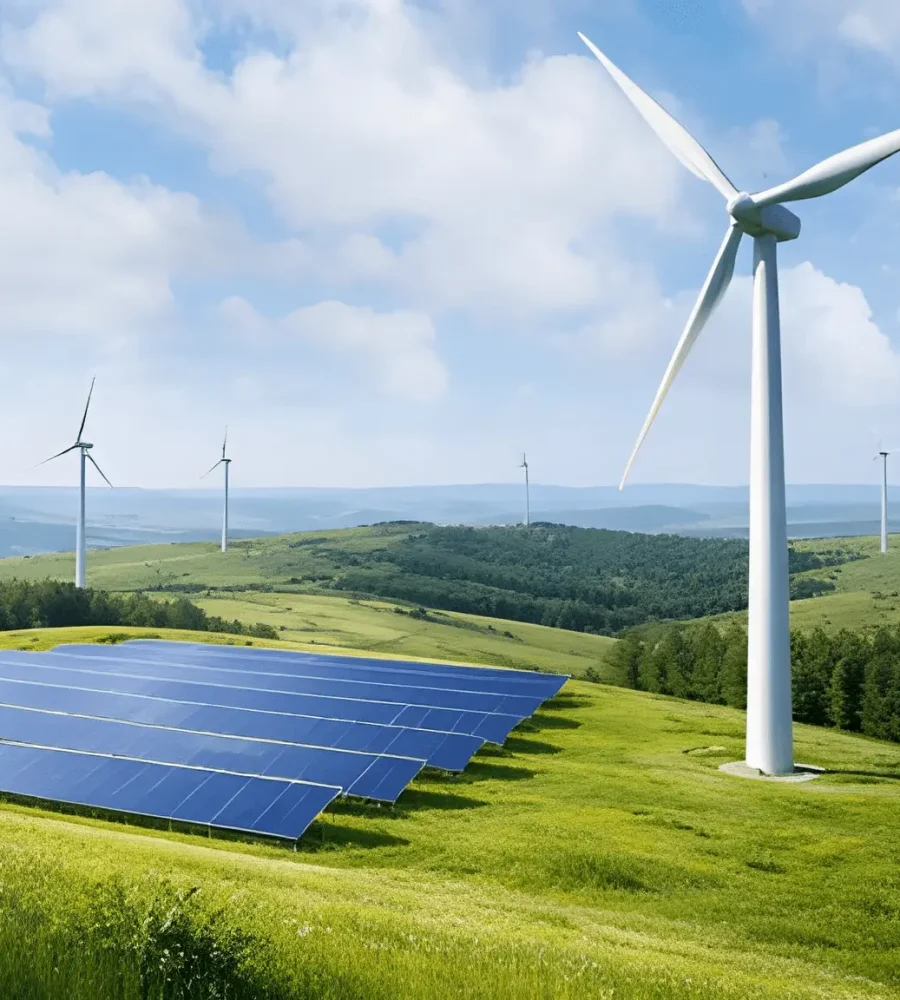
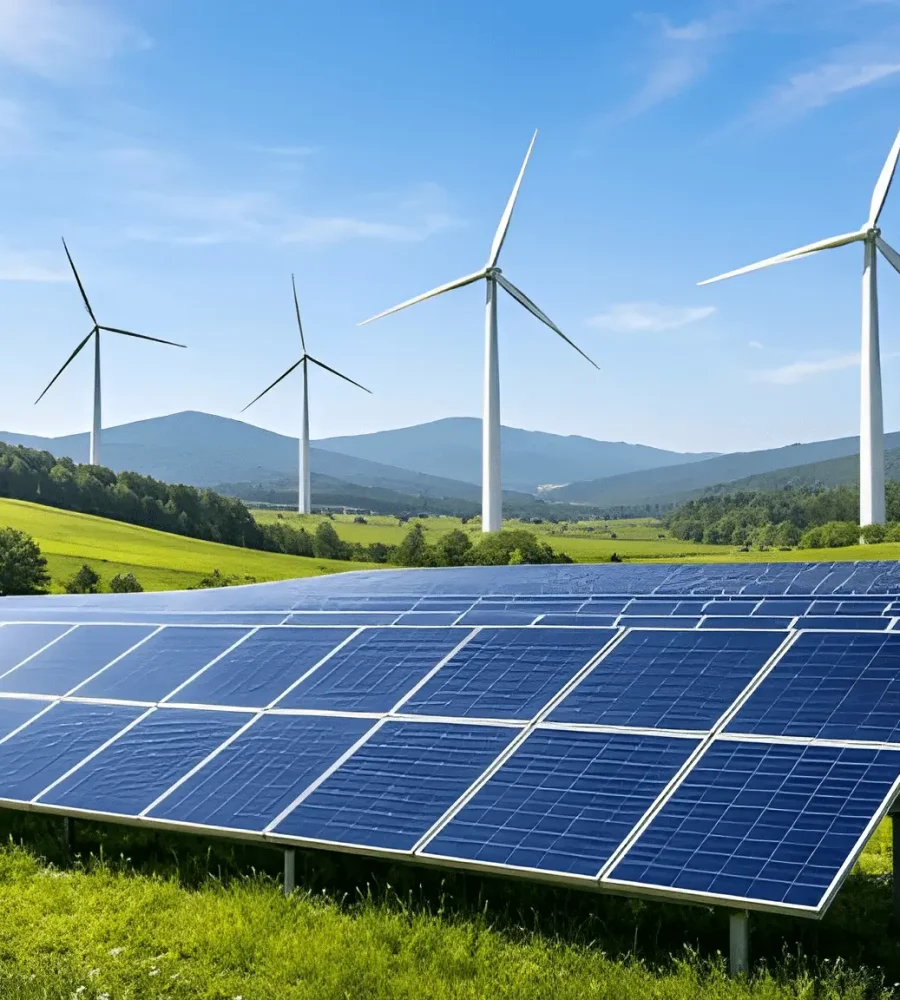
This gap becomes more relevant in regions where renewable energy penetration introduces variability into grid supply, particularly in systems with high shares of intermittent generation. Solar and wind generation fluctuate based on environmental conditions, which leads to intermittent power quality challenges at the transmission level. AI data centers connected directly to such grids operate within these variability conditions when no intermediate buffering mechanisms are deployed. Operators often rely on grid-level balancing to mitigate variability, yet response times at that scale cannot match the immediacy required by compute-intensive environments. Consequently, the infrastructure absorbs instability instead of neutralizing it. Storage systems would otherwise act as a stabilizing intermediary between fluctuating supply and sensitive demand.
Energy systems within data centers have traditionally been designed around failure scenarios rather than operational optimization. Backup generators and uninterruptible power supplies exist to maintain uptime during outages, not to actively shape energy delivery under normal conditions. This legacy approach reflects an era where compute loads remained predictable and grid behavior exhibited relative consistency. AI infrastructure disrupts that equilibrium by introducing rapid demand shifts and sustained high utilization levels. Static backup systems are primarily designed to activate during disruptions and do not typically address continuous, real-time power fluctuations during normal operations. The concept of energy buffering reframes these assets as active participants in daily operations rather than emergency safeguards.
Modern battery systems, hybrid architectures, and advanced UPS technologies enable real-time energy orchestration within facilities. These systems can absorb excess energy, release stored power instantly, and regulate voltage and frequency at granular levels. Such capabilities transform the energy layer into a responsive system that adapts to both supply variability and demand fluctuations. AI workloads benefit from this responsiveness because consistent energy delivery directly supports computational stability and efficiency. Without these mechanisms, infrastructure depends entirely on external grid conditions. Storage integration therefore shifts the operational model from reactive resilience to proactive performance management.
The transition from backup to buffer also aligns with broader shifts in energy markets, where flexibility increasingly determines cost efficiency and sustainability outcomes. Data centers equipped with storage can participate in demand response programs, optimize energy procurement, and reduce exposure to peak pricing. Facilities lacking these capabilities have limited ability to dynamically respond to changing energy conditions, particularly in environments with fluctuating supply or pricing signals. However, integrating storage introduces architectural complexity that requires deliberate planning and system-level coordination. Energy architecture must evolve as an integrated component of infrastructure design rather than an auxiliary function. This shift defines the next phase of data center engineering.
Infrastructure decisions made during initial development stages often define operational constraints for decades. Early cloud service providers built systems optimized for centralized, stable energy models, only to face challenges as demand patterns evolved. Storage-less data centers follow a similar trajectory by embedding rigidity into their foundational design. Once deployed, integrating energy storage into existing facilities can require significant electrical reconfiguration and capital investment, depending on the original design. Facilities must reconfigure electrical layouts, integrate new control systems, and potentially disrupt ongoing operations. This inertia discourages adaptation, leaving infrastructure misaligned with emerging energy realities.
Energy markets continue to evolve toward decentralized and dynamic models characterized by fluctuating prices and variable generation sources. Data centers without integrated storage have fewer mechanisms to respond dynamically to changes in energy supply conditions and pricing structures. They remain dependent on fixed supply contracts and limited operational strategies that constrain cost optimization. Over time, this rigidity translates into higher operational expenses and reduced competitiveness. The absence of storage thus creates a form of technical debt that compounds as market conditions shift. Consequently, organizations must either absorb inefficiencies or undertake costly retrofits to regain flexibility.
The analogy to early cloud infrastructure highlights how architectural decisions influence long-term adaptability. Systems designed for a single operational paradigm struggle to accommodate new requirements without significant overhaul. Storage-less data centers risk becoming legacy assets in a rapidly transforming energy landscape. AI demand continues to grow, and energy systems must scale in parallel to support that expansion. Facilities that lack built-in flexibility face limitations in both capacity and performance scaling. This dynamic reinforces the importance of forward-looking design principles in infrastructure development.
Latency has traditionally been associated with data transfer and computational processing, yet energy delivery introduces its own form of delay. AI workloads operate at speeds where even millisecond-level inconsistencies in power supply can influence performance outcomes. Short-duration delays between rapid changes in power demand and corresponding supply response can occur at the hardware level in high-density environments. Storage systems minimize this lag by providing immediate energy availability independent of grid response times. Without such buffering, infrastructure relies on external systems that cannot react with the same precision. This dependency introduces a new bottleneck that directly impacts computational efficiency.
High-performance computing environments require synchronized operation across thousands of interconnected components. Power inconsistencies can introduce instability in system operation, which may affect efficiency as infrastructure scales. AI training processes, in particular, depend on uninterrupted execution to maintain model integrity and training efficiency. Interruptions or fluctuations force systems to recalibrate, which consumes additional time and resources. Storage-enabled architectures mitigate these issues by ensuring consistent power delivery at all times. Energy latency therefore emerges as a critical factor in overall system performance.
The concept of energy latency also intersects with workload scheduling and resource allocation strategies. Data centers must coordinate compute tasks based on both digital and physical constraints. Power availability becomes a variable that influences scheduling decisions, especially in environments with high variability. Storage systems provide a buffer that decouples scheduling from immediate grid conditions, enabling more efficient resource utilization. However, storage-less designs force tighter coupling between energy supply and computational demand. This limitation reduces operational flexibility and increases the complexity of workload management.
Energy systems historically aimed to maintain stability through strict control and predictability. Modern energy landscapes challenge this approach by introducing variability as a fundamental characteristic rather than an anomaly. Renewable energy sources, dynamic demand patterns, and decentralized generation all contribute to this shift. Data centers must adapt by designing systems that absorb variability instead of attempting to eliminate it. Storage plays a central role in this paradigm by acting as a buffer that smooths fluctuations and maintains operational consistency. Infrastructure that embraces variability gains resilience and flexibility in an unpredictable environment.
AI workloads further reinforce the need for adaptive energy systems because they introduce their own forms of variability. Training cycles, inference demands, and scaling requirements fluctuate based on application needs. Static energy architectures struggle to accommodate these changes without compromising performance or efficiency. Storage-enabled systems provide the elasticity required to align energy supply with dynamic demand. This alignment enhances both operational stability and cost efficiency. Designing for variability therefore becomes a strategic imperative rather than an optional enhancement.
The shift toward absorption-based design also influences how infrastructure interacts with external energy systems. Data centers equipped with storage can act as active participants in energy ecosystems, supporting grid stability and integrating renewable sources more effectively. Facilities without storage primarily rely on external grid conditions and have limited capability to actively adjust their energy consumption in response to system-level signals. This distinction shapes long-term sustainability outcomes and operational resilience. As energy systems evolve, infrastructure must align with these changes to remain viable. Storage integration represents a critical step in that alignment.
Energy infrastructure differs fundamentally from software because it lacks the flexibility for iterative correction after deployment. Design decisions made during construction define operational capabilities for the lifespan of the facility. The absence of integrated storage can create structural limitations that may require significant redesign or operational adjustments to address later. AI data centers operate at scales where such limitations quickly translate into performance constraints and financial inefficiencies. Organizations must therefore treat energy architecture as a foundational element rather than a secondary consideration. This perspective ensures that infrastructure aligns with both current demands and future requirements.
The concept of technical debt extends beyond code to encompass physical systems that constrain adaptability and performance. Storage-less designs accumulate this debt by embedding rigidity into the energy layer of infrastructure. Over time, the cost of this debt manifests in higher operational expenses, reduced flexibility, and limited scalability. Retrofitting solutions often require substantial investment and operational downtime, which further amplifies the impact. Building with storage from the outset mitigates these risks and positions infrastructure for long-term success. Strategic foresight in design becomes a critical differentiator in competitive environments.
Future-ready data centers must integrate energy buffering as a core component of their architecture to support evolving demands. AI workloads will continue to push the boundaries of power density and performance requirements, making stability and flexibility indispensable. Storage systems enable infrastructure to meet these challenges by providing a dynamic and responsive energy layer. Facilities that prioritize this integration will achieve greater resilience and efficiency over their operational lifespan. Those that do not will face increasing constraints as both technology and energy systems evolve. The decision to include storage ultimately defines the trajectory of infrastructure performance and competitiveness.