While America often dominates discussions about AI integration in power infrastructure, AI in Middle East energy systems is showing remarkable signs of impact; of how AI is shaping power systems in a complex, high-demand environment. From renewable energy forecasting to predictive maintenance, AI is transforming operations, improving efficiency, and enabling the region to move toward decarbonized power systems. Across the Gulf, countries like the UAE and Saudi Arabia are embedding AI into energy planning, grid operations, and market management, demonstrating that intelligent systems can accelerate the transition to sustainable, resilient power infrastructure.
AI at the Core of UAE Energy Operations
The UAE operates a multifaceted energy ecosystem, combining oil and gas production, expanding renewable capacity, and sophisticated, highly reliable grid infrastructure. Managing this infrastructure manually is no longer feasible; the sheer operational complexity, increasing data volumes, and ambitious decarbonization targets require automated, intelligent solutions.
AI is being deployed not as a future experiment but as a practical response to operational demands. Machine learning models now analyze sensor data across grids, power plants, and renewable installations to detect early signs of inefficiency or equipment degradation. Predictive maintenance allows operators to address potential issues before disruptions occur, reducing downtime and enhancing asset reliability. ADNOC, for instance, has leveraged AI across more than 30 operational use cases, generating approximately $500 million in value in a single year through optimized drilling, production, and maintenance workflows.
Forecasting and Renewable Integration
Integrating renewable energy presents a major challenge for decarbonization, particularly given the intermittent nature of solar and wind generation. AI provides real-time forecasting by analyzing historical and live data, enabling grid operators to predict output and adjust storage or backup generation accordingly. The Mohammed bin Rashid Al Maktoum Solar Park in Dubai illustrates this approach, employing AI-driven algorithms to anticipate generation levels, coordinate battery storage, and schedule auxiliary power as needed. Such systems maintain stability under fluctuating conditions, reduce energy waste, and prevent overreliance on fossil-fuel reserves.
AI also improves demand management. Consumption patterns are influenced by weather, time, and human behavior, and machine learning models can dynamically forecast demand with high accuracy. By integrating these predictions with generation data, operators balance supply and demand more effectively, enabling the grid to function efficiently even as renewable penetration rises.
Saudi Arabia’s Vision 2030 and Smart Energy Systems
Saudi Arabia’s Vision 2030 strategy prioritizes AI adoption to modernize energy infrastructure, improve sustainability, and diversify the economy. Projects such as NEOM, a planned smart city along the Red Sea, and the Sakaka photovoltaic (PV) solar facility showcase AI’s operational benefits. These systems monitor energy flow, predict maintenance requirements, and adjust generation schedules autonomously, reducing operational costs while increasing efficiency and energy security.
In addition, AI is transforming energy market operations. Machine learning algorithms simulate market scenarios, forecast price and demand fluctuations, and guide trading decisions. Utilities can respond rapidly to volatility and optimize resource allocation, particularly as solar and wind expand their contribution to the grid. This market intelligence complements operational AI systems, creating a holistic, data-driven energy management approach.
Building a Digital Ecosystem
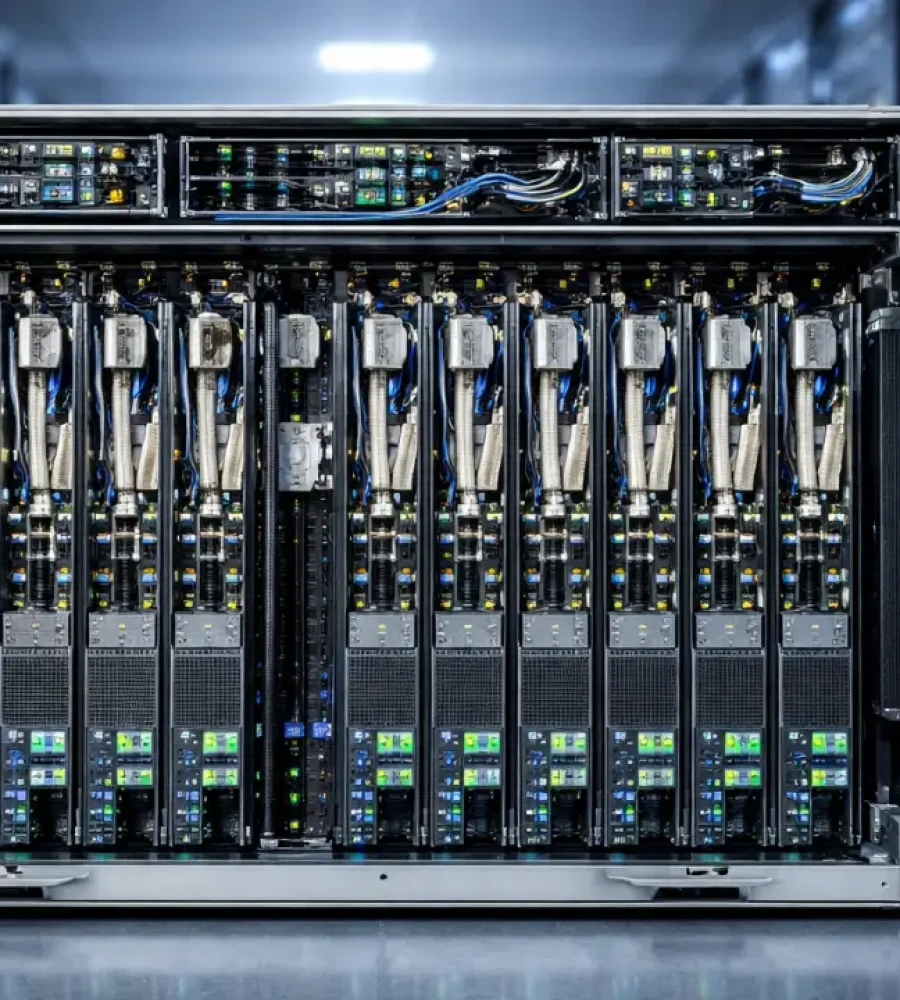
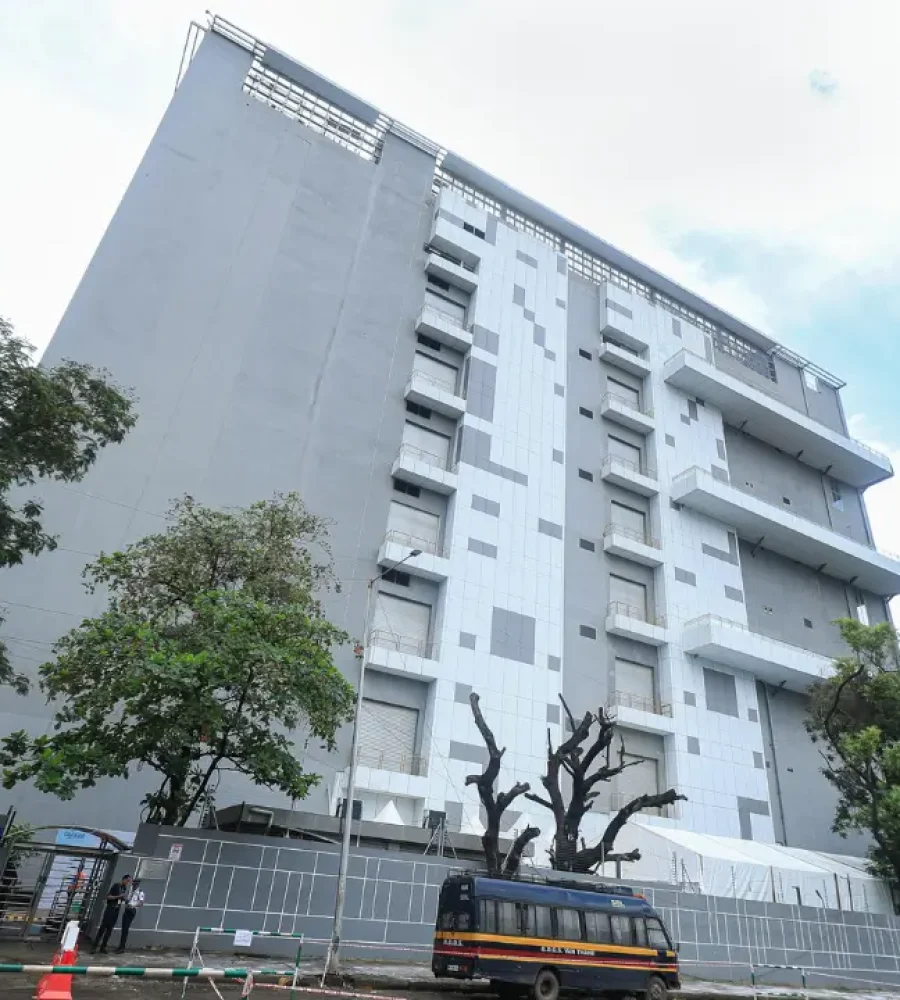
A strong digital ecosystem is critical to AI adoption. Governments across the Gulf are investing in cloud infrastructure, data centers, and research facilities to localize AI innovation. Major cloud providers, including Microsoft, AWS, and Google, now operate regionally, while local firms such as Abu Dhabi-based G42 provide analytics and cloud solutions tailored to energy systems. These investments enable large-scale deployment of AI tools and create the infrastructure needed for continuous optimization, predictive maintenance, and renewable integration.
AI also supports environmental accountability. By analyzing production and consumption patterns, operators can detect inefficiencies, guide carbon capture projects, and monitor emissions in real time. Consequently, AI enhances both operational performance and climate compliance, enabling energy systems to align with national sustainability targets.
Economic Implications of AI Integration
The adoption of AI in Middle Eastern energy systems carries substantial economic benefits. By 2030, AI is projected to contribute more than $300 billion to the regional economy, largely through improved efficiency, operational cost reduction, and renewable energy integration. Predictive maintenance reduces downtime across power plants and oil & gas facilities, extending asset life and avoiding costly unplanned outages. AI-driven scheduling of storage and generation also lowers operational expenses and decreases reliance on fossil fuels.
Beyond cost savings, AI improves reliability. With energy-intensive industries, urban centers, and new smart city projects demanding uninterrupted power, predictive and autonomous systems help maintain stability. By dynamically responding to both anticipated and unforeseen changes, these systems build resilience against extreme weather, equipment failures, and fluctuating demand.
Challenges in Implementing AI
Despite its promise, AI integration in the Middle East faces challenges. Much of the region’s energy infrastructure includes legacy systems not designed for advanced analytics, requiring retrofitting and additional tools to capture data. Skilled personnel capable of implementing AI solutions in energy operations remain limited, which can slow adoption. Governments are addressing this gap through training programs, AI education initiatives, and partnerships with global technology providers.
Regulatory considerations also remain critical. Authorities must ensure data governance, cybersecurity, and compliance frameworks evolve alongside AI deployment. Coordinated policies and standardization are essential to balance innovation, operational safety, and public trust.
The Road to AI-Enabled Decarbonization
Looking ahead, AI will be central to the Middle East’s energy decarbonization. From predictive maintenance to automated trading, real-time emissions monitoring to demand forecasting, AI enables power systems to learn, adapt, and operate efficiently. Ongoing investment in cloud infrastructure, research, and workforce development will strengthen the region’s capacity for intelligent energy management.
Moreover, AI is positioning the Gulf as a global leader in sustainable energy. By optimizing renewable integration, grid balancing, and operational efficiency, countries such as the UAE and Saudi Arabia are showing that the transition to low-carbon power can be both economically viable and technologically advanced. AI adoption is becoming the baseline for resilient, decarbonized power systems.
AI’s role in decarbonizing Middle East power systems demonstrates the transformative potential of technology in modern energy management. By improving efficiency, enhancing grid reliability, and facilitating renewable integration, AI helps the region achieve ambitious climate targets while supporting economic growth. The combination of strategic policy, advanced analytics, and robust digital infrastructure ensures that the Middle East is not just adopting AI but embedding it at the core of its energy transition.
In this emerging era, power systems will not simply generate and distribute electricity—they will actively learn, optimize, and adapt to meet environmental and operational goals. As AI continues to evolve, the Gulf is poised to lead in intelligent energy management, providing a model for sustainable, resilient power systems worldwide.