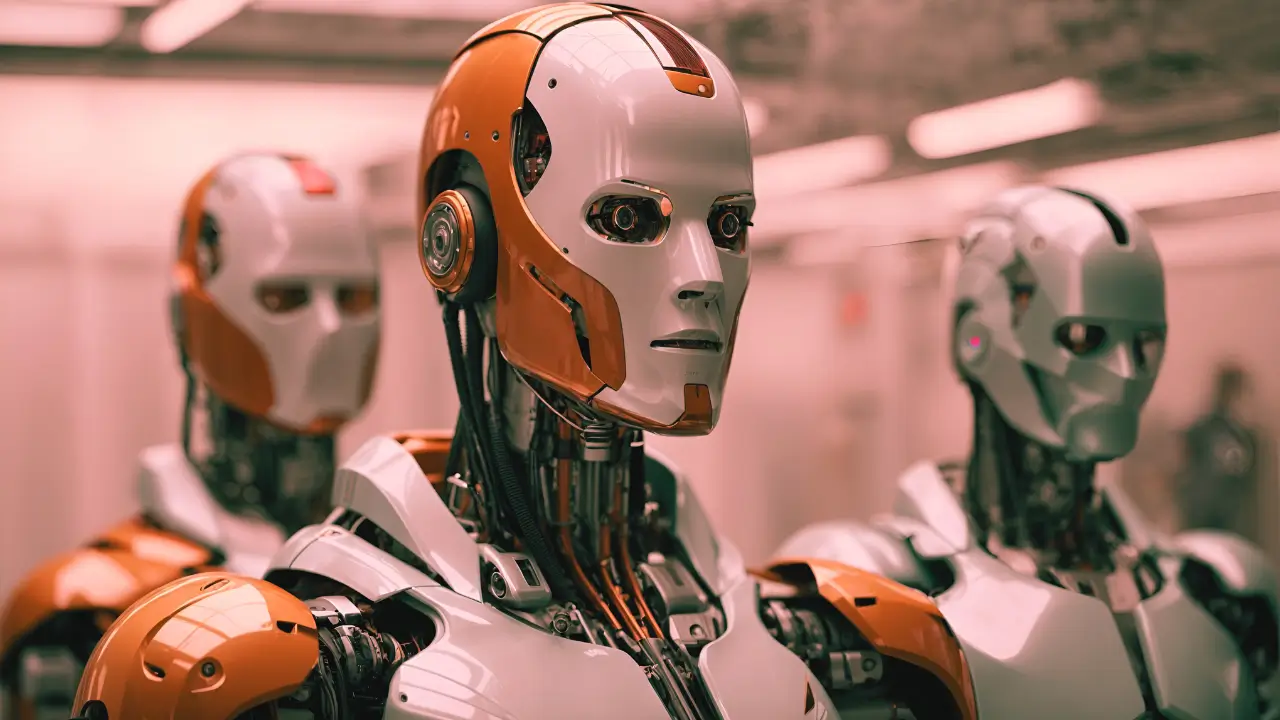
When Nvidia CEO Jensen Huang took the stage at Davos 2026, he called AI robotics in Europe a “once-in-a-generation” opportunity. European manufacturers have the expertise and infrastructure to lead this shift, but energy readiness will determine whether the continent can fully capitalize on AI-driven robotics.
Europe’s industrial strengths, from automotive giants to precision engineering and advanced automation, position it uniquely to harness this wave. In 2025, investors poured roughly $26.5 billion into robotics companies, signaling the promise of a new industrial renaissance. Yet there is a critical caveat. None of this transformation is energy neutral. AI robotics demands both compute power and electrified infrastructure. Without addressing energy supply, cost, and grid capacity, Europe risks undermining the advantage it seeks to exploit. High electricity prices and congested networks could blunt this opportunity unless energy strategy catches up with technological ambition.
Europe’s Industrial Base Meets AI
Europe’s industrial landscape is not just large; it is capable. Countries such as Germany, Sweden, Italy, and France host some of the world’s most advanced manufacturing ecosystems. They feature strong clusters in automotive, machinery, aerospace, and precision engineering. These sectors already rely heavily on automation. In 2024 alone, Europe installed tens of thousands of industrial robots in automotive manufacturing. This marked the second-best result in recent history. Several European nations also rank among the highest globally in robot density within manufacturing.
This existing automation foundation makes Europe fertile ground for the next level of robotic intelligence. Companies like Siemens, Mercedes-Benz, Volvo, and Schaeffler are increasingly embedding advanced automation, digital twins, and AI-assisted workflows into production. When combined with AI systems capable of perception, adaptive control, and decision-making, these platforms could redefine efficiency, customization, and resilience in manufacturing.
Leading technology companies are already supporting this convergence. Nvidia, for instance, is building industrial AI cloud infrastructure across several European countries to accelerate robotics and AI applications. Strategic partnerships with traditional European OEMs suggest a path for AI-driven robotics to integrate physical and software expertise. At the investment level, global robotics funding signals growing confidence that physical AI is entering a commercial inflection point.
However, Europe’s structural realities could clash with ambition. Industrial growth combined with AI progress only works if energy supply, cost, and grid integration can support it.
The Energy Challenge
Europe’s high electricity prices are a well-known constraint. This is not just a cost issue; it is a competitiveness issue. Industrial electricity tariffs in the EU are substantially higher than those in major competitors such as the United States and China. EU industrial users paid roughly €0.199 per kilowatt-hour in 2024, compared to €0.082 in China and €0.075 in the U.S. In many cases, European industrial rates are two to four times higher than U.S. equivalents.
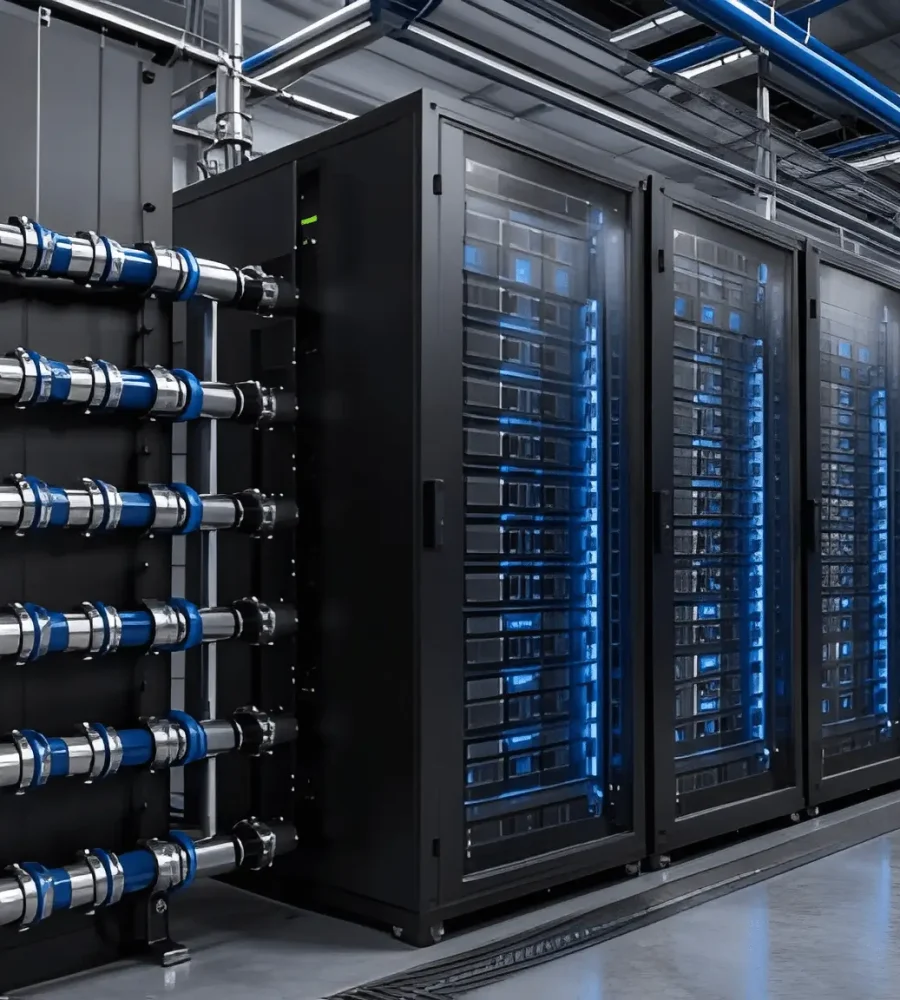
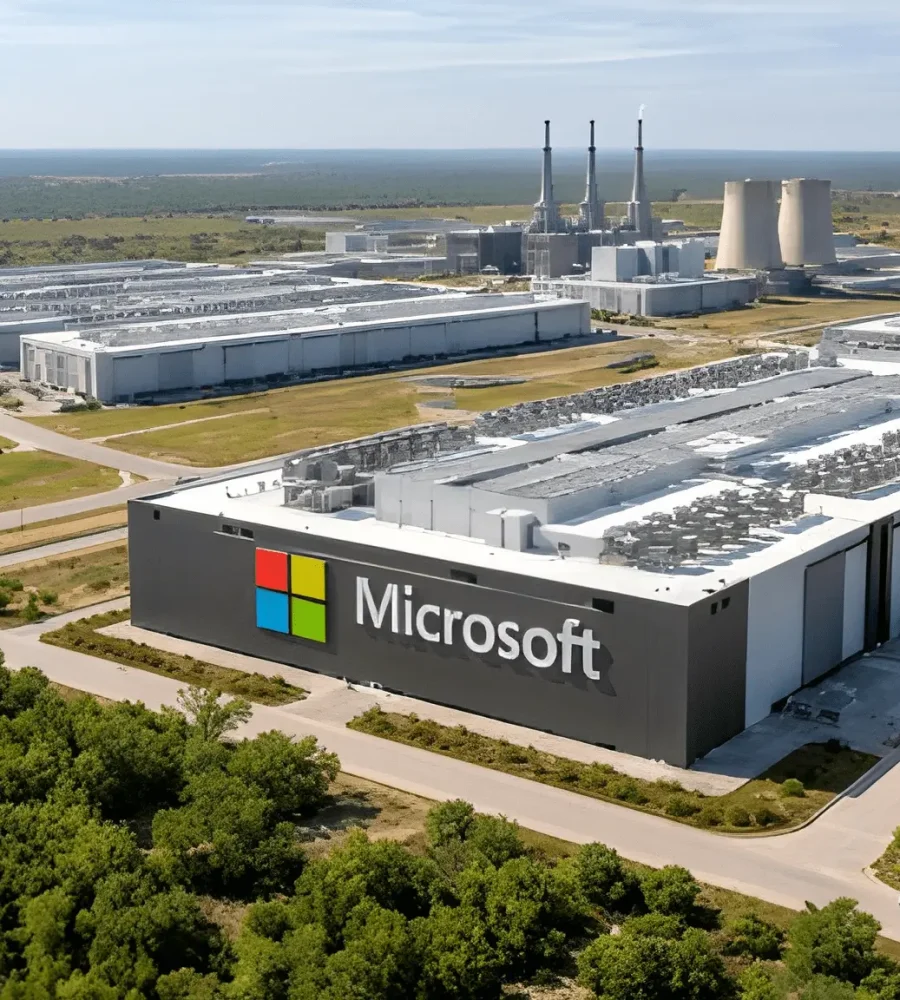
This matters for AI robotics in two ways. First, compute and infrastructure power: large AI models and robotics workloads require significant data center capacity and real-time inference power. While data centers currently consume a modest slice of Europe’s total power, AI-related demand is expected to raise overall electricity consumption substantially by 2030.
Second, electrification of factories and logistics: robotics systems are part of electrified ecosystems. These include charging infrastructure, smart sensors, automated warehouses, and responsive supply chains. Each layer adds cumulative electricity demand, often coinciding with peak industrial loads.
Europe’s grid amplifies the challenge. Integrating new data centers, robotics labs, and electrified factories often requires network reinforcement that many jurisdictions cannot deliver quickly. Securing grid connections for power-hungry facilities can take up to seven years, far longer than the construction timeline for data centers or factories. This mismatch creates uncertainty for investors and operators, slowing deployment or pushing projects to less ideal locations.
Some countries, like Belgium, have even considered energy-consumption limits for data centers to prevent them from crowding out other users. These realities illustrate a simple truth: without substantial grid upgrades and energy additions, Europe’s energy constraints could cap the scale of AI robotics growth.
Infrastructure and Grid Readiness
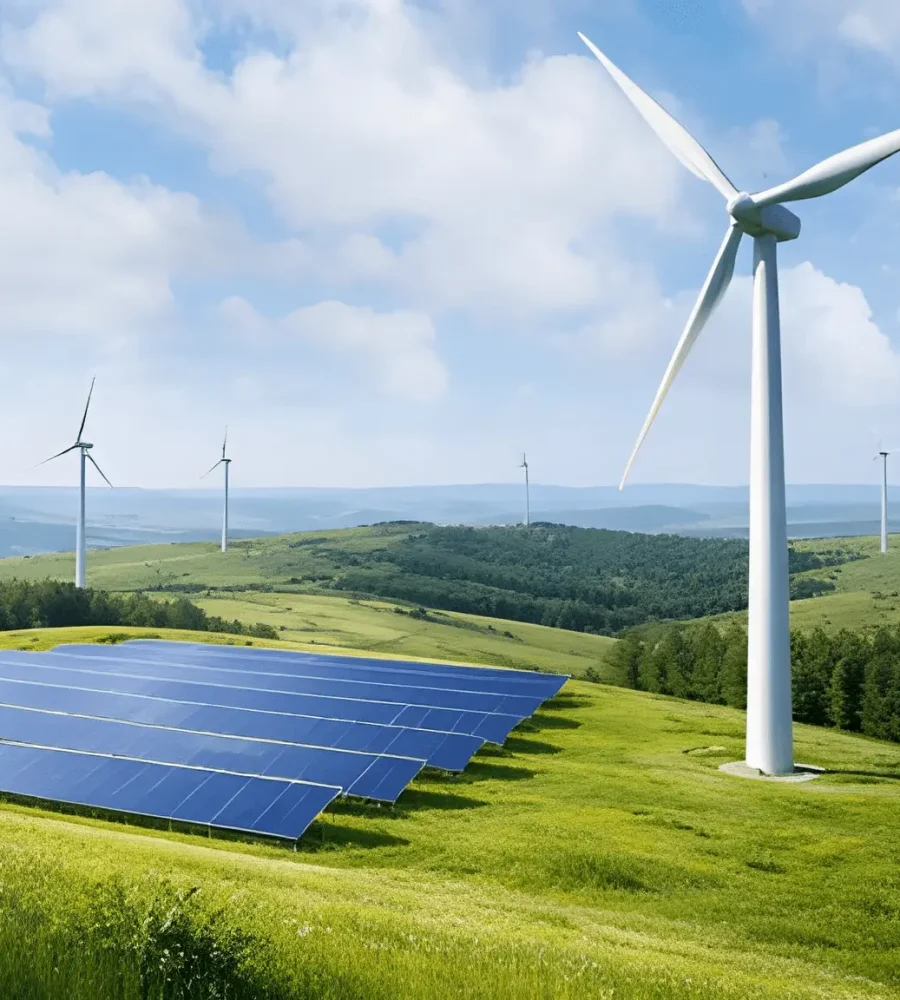
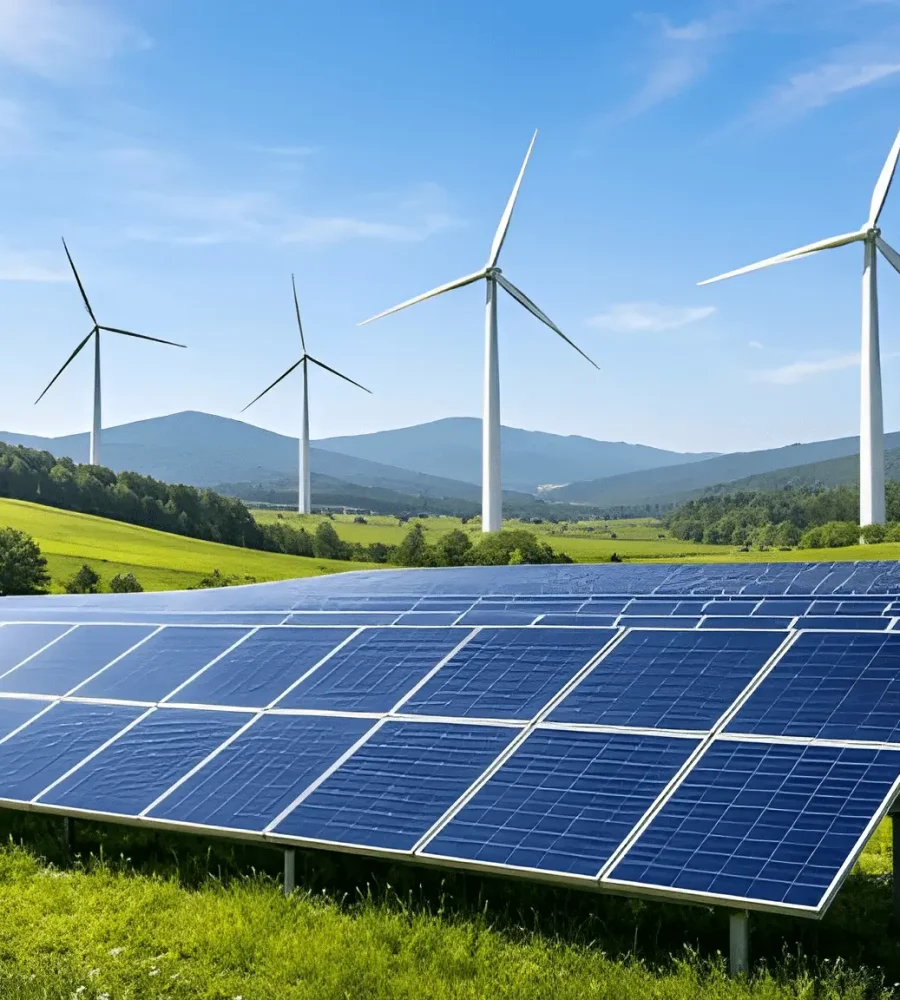
Europe’s energy transformation is underway. Renewables and nuclear now supply a growing share of electricity, with wind and solar surpassing fossil fuels in total EU generation in 2025. Countries such as Sweden achieve near-zero emissions grids through a mix of renewables and nuclear, providing models for scalable clean energy.
Yet renewable integration introduces new complexities. Variable generation requires storage, grid flexibility, and balancing solutions. Policy priorities around carbon reduction and permitting rules, while essential, sometimes slow the build-out of conventional and low-carbon power needed for industrial use. The result is a paradox. Europe could lead in clean energy supply, but heavy industrial sectors may struggle to take full advantage without parallel investments in grid upgrades and storage solutions.
Emerging approaches could help. Microgrids, dedicated renewable clusters with storage, and hydrogen-ready generation hubs may alleviate local constraints. However, scaling these innovations to meet AI robotics demand requires clear policy signals and coordinated investment from both public and private sectors.
Strategic Implications
For policymakers, energy executives, and investors, the message is clear. Europe’s AI and robotics opportunity cannot be unlocked by technology alone. Energy readiness, including affordable and abundant power, smart grids, and streamlined permitting, will determine which regions and companies benefit economically.
Countries that reform energy pricing, expedite grid connections, and incentivize both renewables and dispatchable capacity could create competitive hubs for AI robotics. In contrast, jurisdictions that allow grid congestion and high costs to persist risk losing infrastructure and investment, even as robotics innovation accelerates.
Strategic interventions might include differentiated tariffs for energy-intensive robotics clusters, targeted subsidies for grid reinforcement, and regulatory frameworks that balance environmental goals with industrial competitiveness. Energy costs, already a central theme in Europe’s economic debates, will shape where AI infrastructure and robotics ecosystems flourish.
AI robotics offers Europe a historic opportunity to bridge its industrial legacy with next-generation technology. The convergence of automation, AI intelligence, and physical robotics could redefine manufacturing, logistics, and economic growth. Yet this transformation depends on energy readiness.
Without sufficient supply, affordable pricing, and robust grid capacity, Europe risks limiting the very opportunity it seeks to capture. Power that is too expensive or too scarce will not only slow robotics deployment but could also redirect investment and talent to regions better prepared to meet energy demands.
Europe’s path forward requires both technological innovation and energy strategy. If policymakers, industry leaders, and investors align on both fronts, the continent can lead in AI robotics, powered by algorithms, machines and an energy ecosystem ready for the future.