The global transition toward sustainable digital infrastructure has reached a critical inflection point where simple procurement of renewable energy is no longer sufficient. While hyperscalers have historically relied on Power Purchase Agreements to offset their carbon footprint, these financial instruments do not account for the physical reality of grid fluctuations. Real-time decarbonization requires a fundamental shift from monthly accounting to hourly matching of energy supply and demand. Data centers are increasingly evolving into active grid participants capable of managing their own electrons rather than remaining passive consumers of power. This evolution places electrochemical and mechanical storage systems at the heart of the modern facility design strategy. Without a robust storage layer, the promise of a truly green cloud remains significantly constrained, with full realization dependent on both storage and broader grid decarbonization.
Intermittency Is the Real Constraint, Not Generation
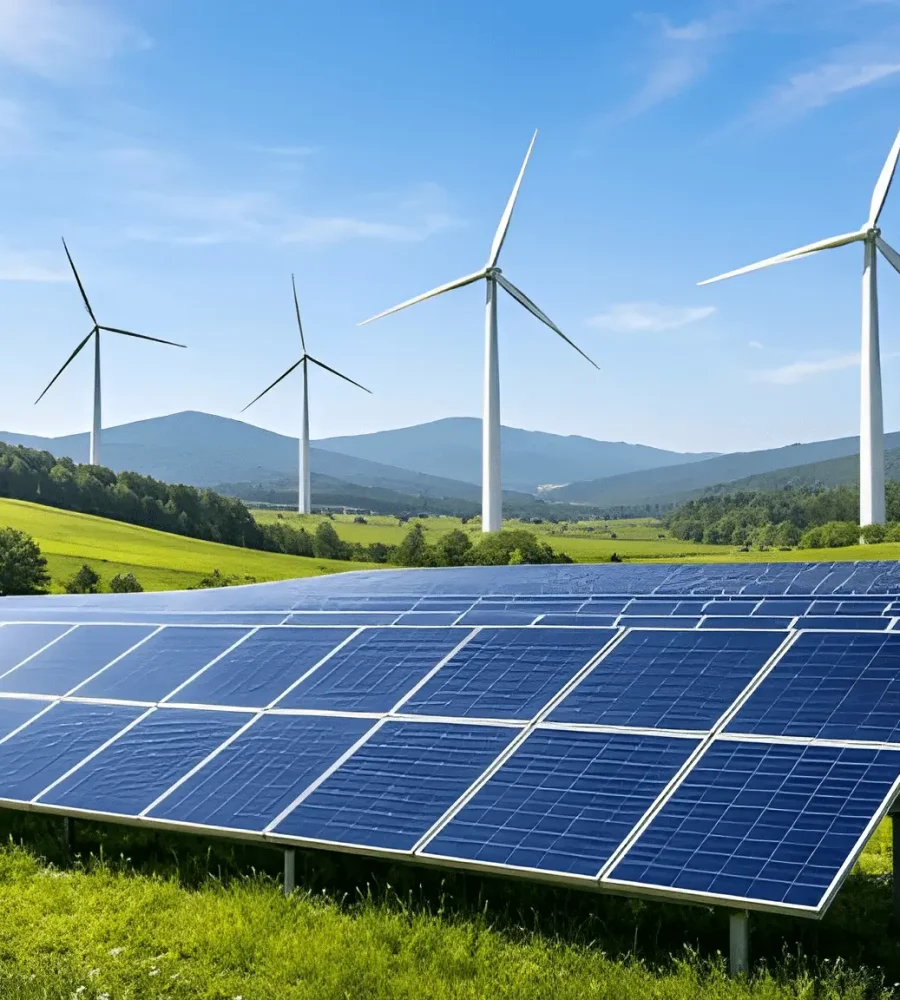
The primary obstacle to achieving absolute sustainability in digital infrastructure is the inherent variability of natural resources like wind and solar radiation. Modern power grids are increasingly saturated with renewable capacity, yet this abundance often occurs during periods of low demand, leading to wasteful curtailment. Data centers require a constant, unwavering stream of high-quality electricity to maintain the integrity of sensitive silicon components and cooling systems. When the sun sets or the wind dies down, facilities in many regions often rely more heavily on grid electricity that may include carbon-intensive sources such as gas or coal. Batteries serve as the essential bridge that smooths these peaks and valleys into a consistent line of reliable power delivery. By capturing excess energy during periods of high generation, operators can finally decouple their uptime requirements from the immediate whims of the local weather.
Converting inconsistent environmental energy into predictable industrial infrastructure requires a sophisticated buffer capable of rapid response and long-duration discharge. The industry is moving away from seeing batteries as mere emergency backups and toward viewing them as stabilization assets for the entire energy stack. AI workloads, characterized by sudden and massive power draws, place immense strain on power distribution units that lack adequate buffering. Storage systems absorb many of these transients, helping improve power quality and support frequency stability alongside broader grid and power management systems. This transformation allows facility managers to guarantee that every kilowatt-consuming chip is fed by a carbon-free electron regardless of the time of day. Consequently, in some regions the bottleneck for green expansion is beginning to shift from how many panels can be installed to how much energy can be stored for later.
Time-Shifting Power Is Becoming a Core Data Center Function
Operational excellence in the modern era is increasingly defined by a facility’s ability to perform temporal arbitrage on its energy supply. This process involves strategically charging storage assets when renewable energy is plentiful and electricity prices are at their lowest levels. Operators then discharge these assets during peak demand hours when the grid is most stressed and carbon intensity is highest. Integrating energy management into the core logic of data center operations creates a new layer of efficiency that was previously ignored. Instead of treating power as a static utility, some forward-thinking companies are beginning to experiment with scheduling energy consumption patterns with increasing precision, similar to how CPU workloads are managed. This shift transforms the data center from a stagnant consumer into a flexible, dynamic node within a broader smart grid ecosystem.
Strategic energy shifting allows operators to bypass the constraints of local grid congestion and infrastructure delays that often plague new builds. By maintaining a significant on-site energy reservoir, a facility can support high-performance computing tasks during certain periods of restricted grid supply, depending on storage capacity and duration. This capability is particularly vital for urban data centers where the existing electrical architecture was not designed for the massive density of AI clusters. As electricity markets evolve toward more volatile pricing structures, the ability to time-shift power becomes a significant competitive advantage for reducing total cost of ownership. Furthermore, this operational flexibility supports grid health by reducing the need for peaker plants that typically rely on fossil fuels. Digital infrastructure providers are essentially becoming energy managers who happen to specialize in hosting high-density silicon environments.
Matching Compute Cycles with Renewable Windows
The concept of energy-aware compute orchestration represents the next frontier in the synchronization of digital workloads and environmental reality. This strategy can involve shifting non-critical batch jobs and select AI training workloads to align with periods of peak renewable availability on the local grid, though this remains an emerging practice. Batteries play a pivotal role here by providing the necessary bridge during short-term weather transitions or unexpected cloud cover. Software-defined power architectures are beginning to enable automated migration of workloads across different geographic regions based on real-time carbon intensity, primarily among large hyperscalers. When the local wind production drops, the storage system maintains critical services while the heavy compute load is throttled or moved elsewhere. This creates a symbiotic relationship between the software stack and the physical energy infrastructure supporting it.
Energy-aware scheduling ensures that the facility performs the most carbon-intensive tasks only when the grid reaches its cleanest state. This level of granularity in workload management was impossible before the advent of sophisticated monitoring and control systems. AI models, which require weeks of sustained power at megawatt scales, benefit greatly from this type of intelligent power matching. Furthermore, batteries act as a high-speed buffer that helps protect hardware from potential instability in increasingly renewable, inverter-based grids, alongside other power conditioning systems. This integration reframes energy storage as a functional enabler of the computational process rather than a separate utility component. By aligning the heartbeat of the data center with the pulse of the planet, operators achieve a higher degree of sustainability.
Multi-Layer Storage Is Redefining Power Architecture
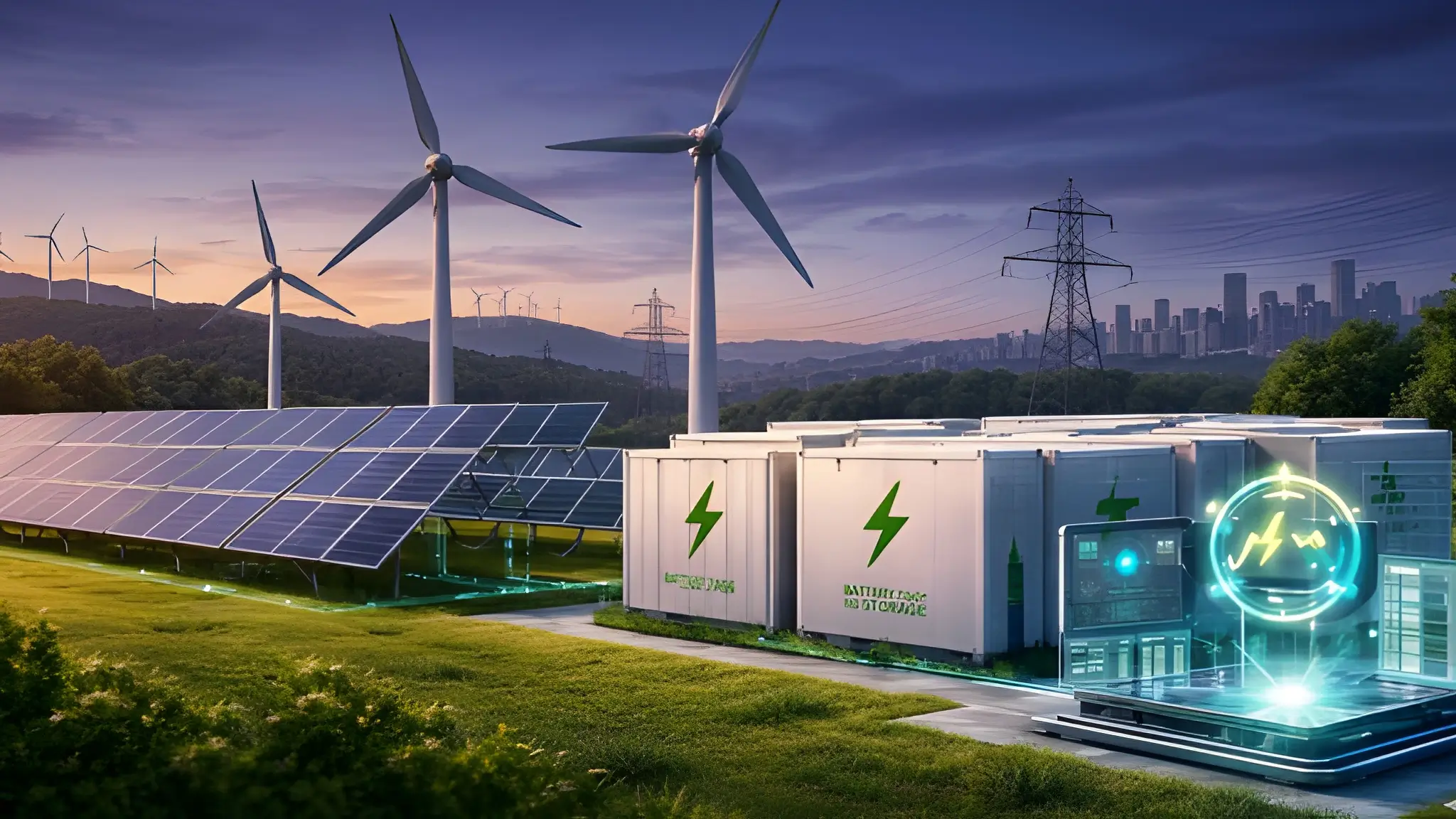
Modern facility design is undergoing a radical transformation as engineers integrate storage assets into every level of the power distribution path. At the top of this hierarchy, grid-scale Battery Energy Storage Systems (BESS) provide the massive capacity needed to support entire campuses. These large-scale installations often pair with on-site solar farms or nearby wind assets to provide a local microgrid capability. Moving deeper into the facility, lithium-ion or zinc-based systems are replacing central uninterruptible power supplies to offer higher energy density. These facility-level assets handle the critical transition between grid power and on-site generation during unexpected outages. Consequently, the architecture is becoming more resilient and responsive to the needs of modern, high-density AI deployments.
Beyond the central plant, early-stage deployments are exploring rack-level buffering solutions that place energy storage closer to server power supplies. By spreading storage across multiple layers, engineers can create a more resilient energy buffer that reduces certain single points of failure in the power chain. This holistic approach ensures that the clean electron never disappears in a conversion process or a distribution bottleneck. Integrating these diverse storage technologies creates a hardened environment that is both environmentally responsible and operationally superior.
Clean Energy SLAs Are Emerging as a New Benchmark
The industry is rapidly moving away from traditional uptime-only Service Level Agreements (SLAs) toward more comprehensive clean uptime guarantees. These emerging contract models aim to commit data center operators to providing a specific percentage of carbon-free energy on an hour-by-hour basis. Hyperscalers and some large enterprises are beginning to demand these transparency metrics to satisfy internal ESG goals and evolving regulatory expectations. Batteries are a primary enabling solution capable of helping meet these stringent demands by filling gaps left by intermittent renewable sources, alongside other clean energy and grid solutions. Without significant on-site storage, an operator cannot truthfully guarantee that green energy powers a customer’s workloads during the night. Therefore, storage capacity is becoming a primary metric for evaluating the quality and sustainability of a colocation provider.
Regulatory frameworks in Europe and North America now require detailed reporting on the carbon intensity of the electricity used. This pressure forces a redesign of the financial and technical models that governed the industry for decades. Data centers that can demonstrate progress toward 24/7 carbon-free operations may benefit from favorable policy incentives and improved access to capital in certain markets. Batteries facilitate this proof by providing a controllable, traceable source of energy that operators can meter with high precision. This transition marks the end of the greenwashing era where companies simply bought credits to hide actual grid consumption. Now, the ability to store and deploy clean energy is a fundamental requirement for staying competitive in a climate-conscious marketplace.
Storage Will Decide Which Data Centers Go Truly Green
The race to build the most sustainable data centers will not go to those who simply install the most panels. Instead, the leaders of the next generation of infrastructure will define themselves through their mastery of energy storage and distribution. Batteries are the transformative technology that turns a variable natural resource into a reliable industrial utility capable of powering global AI. As the demand for compute continues to skyrocket, the pressure on global energy grids will only intensify further. Operators who fail to integrate robust storage layers will find themselves constrained by grid limitations and rising carbon costs. Eventually, the most successful data centers will be those that operate as self-contained energy ecosystems.
Total decarbonization of the digital world requires a paradigm shift where power is treated with the same fluidity as data itself. Energy storage provides the necessary elasticity to make this vision a reality, ensuring that the lights stay on even when the sun goes down. This technological evolution is not just an environmental necessity but a fundamental requirement for the continued growth of our digital civilization. We are entering an era where the effectiveness of a facility’s battery stack is becoming increasingly important alongside factors such as cooling efficiency and network latency. The providers who embrace this reality today will be the ones who define the landscape of sustainable computing for the next several decades. In the end, the greenest data center will be the one that can perfectly balance its own energy books in real-time.