The sustainability conversation around data centers concentrates almost entirely on operational energy consumption. Power usage effectiveness, renewable energy certificates, water usage effectiveness, and carbon intensity of the grid supply all receive detailed attention in sustainability reporting frameworks, operator disclosures, and regulatory proposals. The implicit assumption embedded in this focus is that the primary environmental impact of a data center occurs while it operates. That assumption misses a growing and poorly measured category of environmental impact that the current AI infrastructure buildout is making increasingly significant: the carbon cost of taking facilities out of service, disposing of hardware, and managing the material consequences of infrastructure lifecycles that are shortening as AI workload requirements outpace the design assumptions of older facilities.
Data center decommissioning generates carbon emissions across several distinct pathways that existing sustainability accounting frameworks handle inconsistently. The embodied carbon in server hardware, power distribution equipment, cooling systems, and structural components represents a sunk investment that decommissioning does not recover. The disposal, recycling, or repurposing of that hardware involves transportation, processing, and in many cases landfill placement that generates additional emissions. The refrigerants in cooling systems carry global warming potentials that make improper handling during decommissioning a material emissions event even when the volumes involved appear small. These pathways collectively constitute a decommissioning carbon footprint that operators rarely calculate with the same rigor they apply to operational emissions.
Embodied Carbon and the Premature Replacement Problem
Embodied carbon refers to the greenhouse gas emissions that manufacturing a piece of equipment generates before it ever enters service. Server hardware, power distribution units, cooling equipment, and the structural components of a data center building all carry embodied carbon that represents a fixed environmental cost that the useful life of the equipment must justify. A server that operates for ten years amortizes its embodied carbon across a decade of useful service, producing a per-year embodied carbon cost that compares favorably to its operational emissions. A server that operators replace after three years because AI workload density requirements have outpaced its thermal design power carries a per-year embodied carbon cost that is more than three times higher, regardless of how efficiently it operated during its shortened service life.
The AI infrastructure buildout is accelerating hardware replacement cycles in ways that multiply the embodied carbon cost per unit of useful compute delivered. Facilities designed for conventional cloud workloads at rack densities of ten to twenty kilowatts are finding that AI inference requirements demand densities of fifty to one hundred kilowatts or more, rendering cooling infrastructure and power distribution systems obsolete not because they have failed but because they cannot support the workloads that generate commercial returns in the current market. The decision to decommission viable but inadequate infrastructure imposes an embodied carbon cost that operators do not currently include in the sustainability accounting for their AI infrastructure transitions. This omission understates the true environmental cost of the transition from conventional to AI-optimized infrastructure by ignoring the carbon already invested in the facilities being replaced.
Hardware Disposal and the Recycling Gap
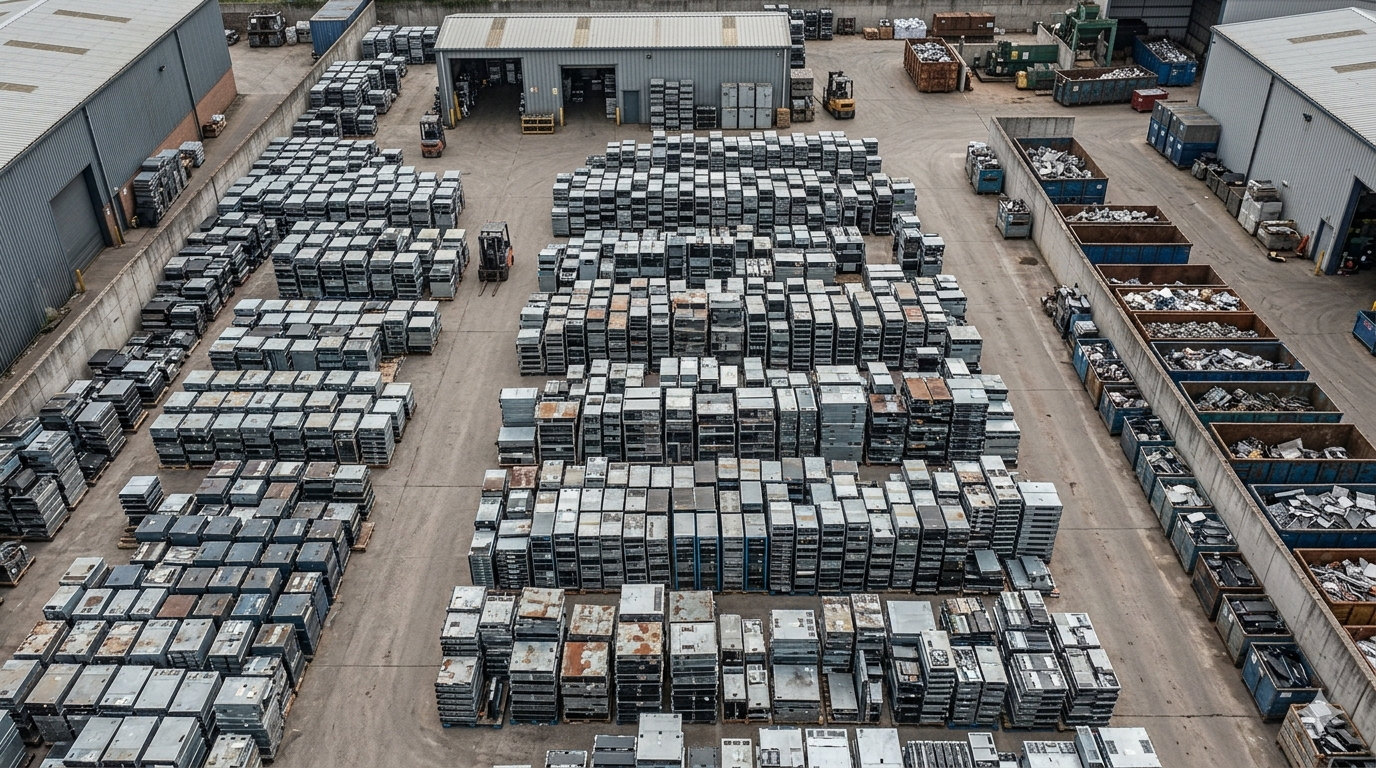
The disposal of decommissioned server hardware creates a material management challenge that the data center industry has not fully resolved at the scale that the current infrastructure transition demands. Server hardware contains recoverable materials including copper, aluminum, gold, and rare earth elements that recycling can extract and return to productive use, reducing the demand for primary material extraction that carries its own substantial carbon footprint. It also contains hazardous materials including lead solder, flame retardants, and battery components that require careful handling to prevent environmental contamination. The gap between what recycling can theoretically recover and what the industry actually recovers in practice represents both a missed carbon reduction opportunity and a real environmental risk.
Certified electronics recycling processes that maximize material recovery and minimize hazardous waste exposure carry costs that create pressure toward cheaper disposal pathways, particularly for hardware that has low residual market value. Older server generations that lack the computational density required for AI workloads often have limited secondary market value because their power consumption per unit of compute makes them economically unattractive even for less demanding applications. This concentration of low-value, high-volume hardware at the decommissioning stage creates disposal economics that favor cost over environmental responsibility unless operators actively manage the process through certified recyclers and track material outcomes with the same rigor they apply to operational sustainability metrics.
Refrigerant Management as an Overlooked Emissions Source
Cooling systems in decommissioned data centers contain refrigerants whose global warming potentials exceed that of carbon dioxide by factors that make even small release volumes environmentally significant. Hydrofluorocarbon refrigerants used in conventional air-cooled chiller systems carry global warming potentials measured in thousands of times the warming effect of an equivalent mass of carbon dioxide. Proper decommissioning of these systems requires certified technicians who recover refrigerants before dismantling equipment, preventing atmospheric release. Improper handling, whether through deliberate venting, inadequate recovery procedures, or equipment damage during dismantling, releases these refrigerants in ways that create emissions events disproportionate to the volume of gas involved.
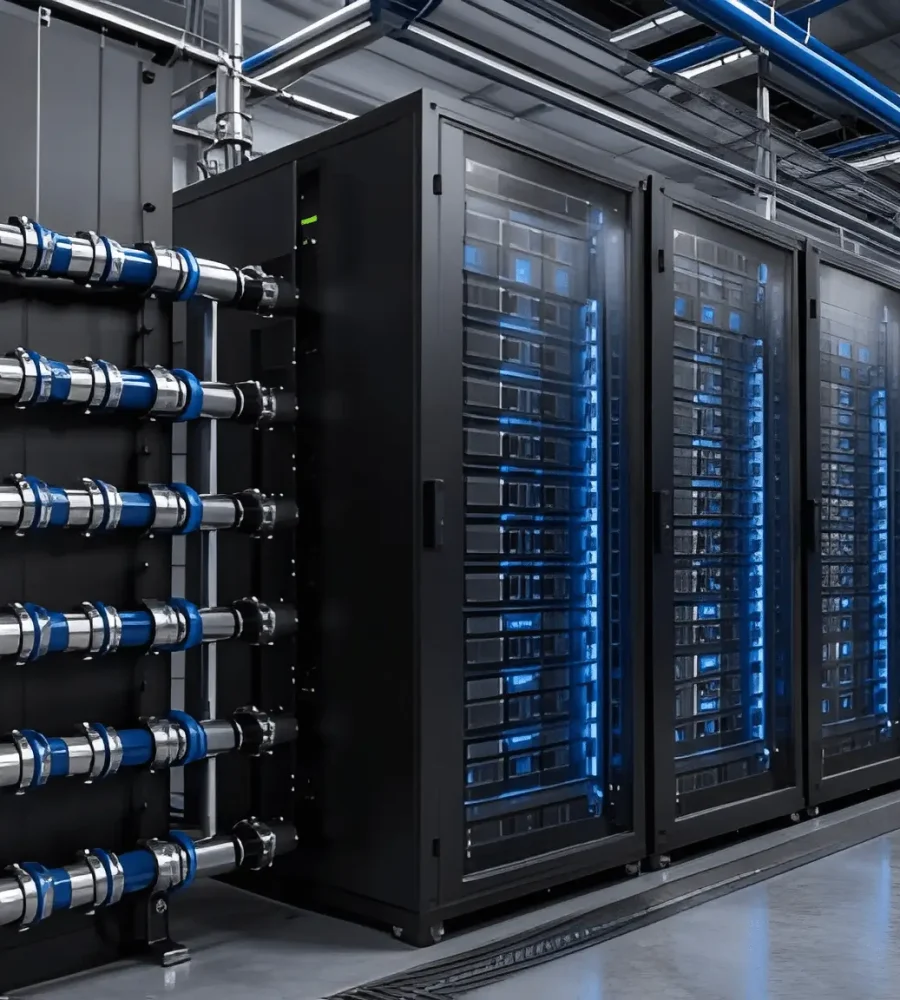
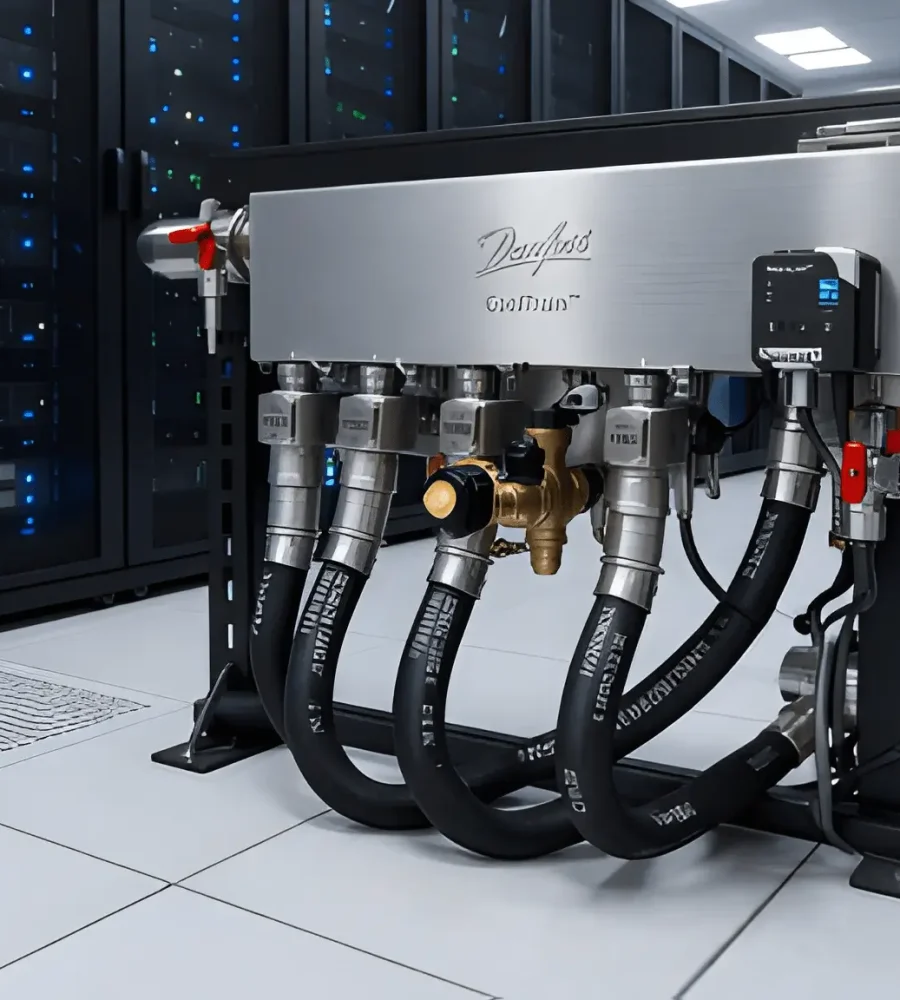
The transition to liquid cooling systems in AI data centers creates a different but related refrigerant management challenge. Two-phase immersion cooling systems use dielectric fluids with low boiling points that, while generally having lower global warming potentials than hydrofluorocarbon refrigerants, require careful handling to prevent spills and atmospheric losses during system decommissioning. The dielectric fluid ecosystems that immersion cooling vendors have developed carry varying environmental profiles that operators need to understand before committing to specific cooling technologies, both to assess the operational environmental risk and to plan for responsible decommissioning at the end of the system’s service life. Sustainability frameworks that focus exclusively on operational energy and water consumption miss this dimension of infrastructure environmental impact entirely.
Building Infrastructure and the Structural Carbon Question
Beyond hardware and refrigerants, the structural components of decommissioned data center facilities carry embodied carbon that demolition or repurposing decisions affect differently. A data center building demolished to make way for a purpose-built AI facility loses all of the embodied carbon in its concrete, steel, and specialized construction without recovering any of that investment in further useful service. A data center building repurposed for a compatible use, such as conversion to higher-density AI infrastructure through reinforcement and cooling system replacement, amortizes the embodied carbon of the original construction across an extended useful life that improves the carbon economics of the overall development program. The decision between demolition and adaptive reuse carries carbon implications that extend well beyond the operational energy differences between the facilities involved.
Operators making site development decisions for AI infrastructure expansion rarely conduct full lifecycle carbon analyses that include the embodied carbon of existing structures in the comparison between demolition and adaptive reuse. The engineering complexity of adapting existing facilities for higher density workloads, the cost of structural reinforcement, and the timeline advantages of purpose-built construction all create legitimate pressures toward demolition. But the carbon cost of that choice is real and measurable, and as regulatory frameworks increasingly require comprehensive lifecycle carbon accounting, operators who have not developed the capability to conduct these analyses will find themselves unable to demonstrate the sustainability credentials that enterprise customers and investors increasingly expect. Decommissioning carbon is not a theoretical future concern. It is a present reality that the pace of AI infrastructure development is making impossible to ignore.