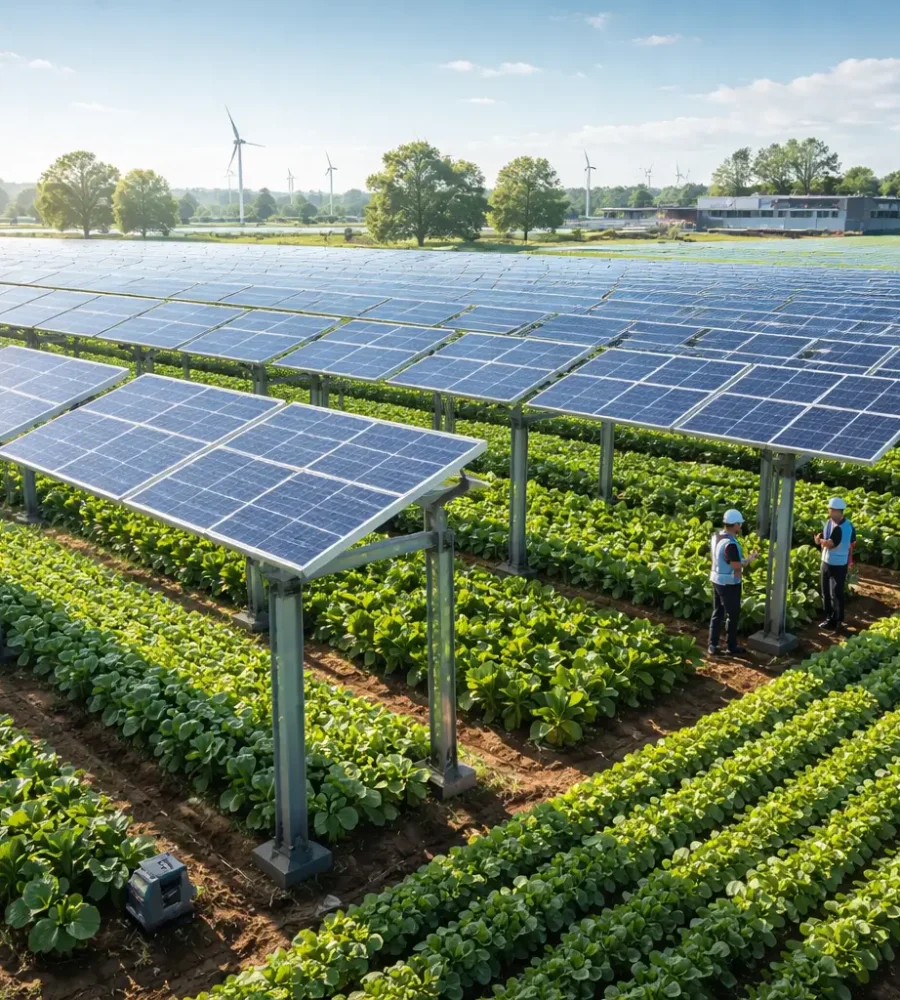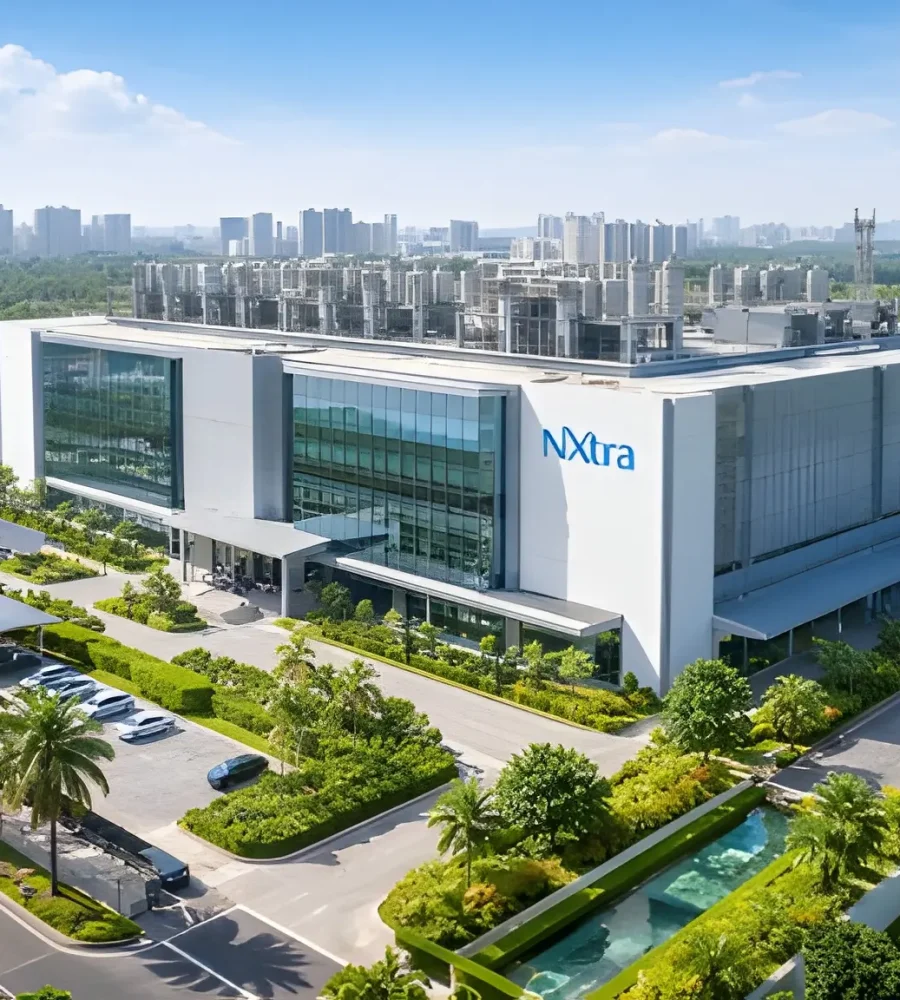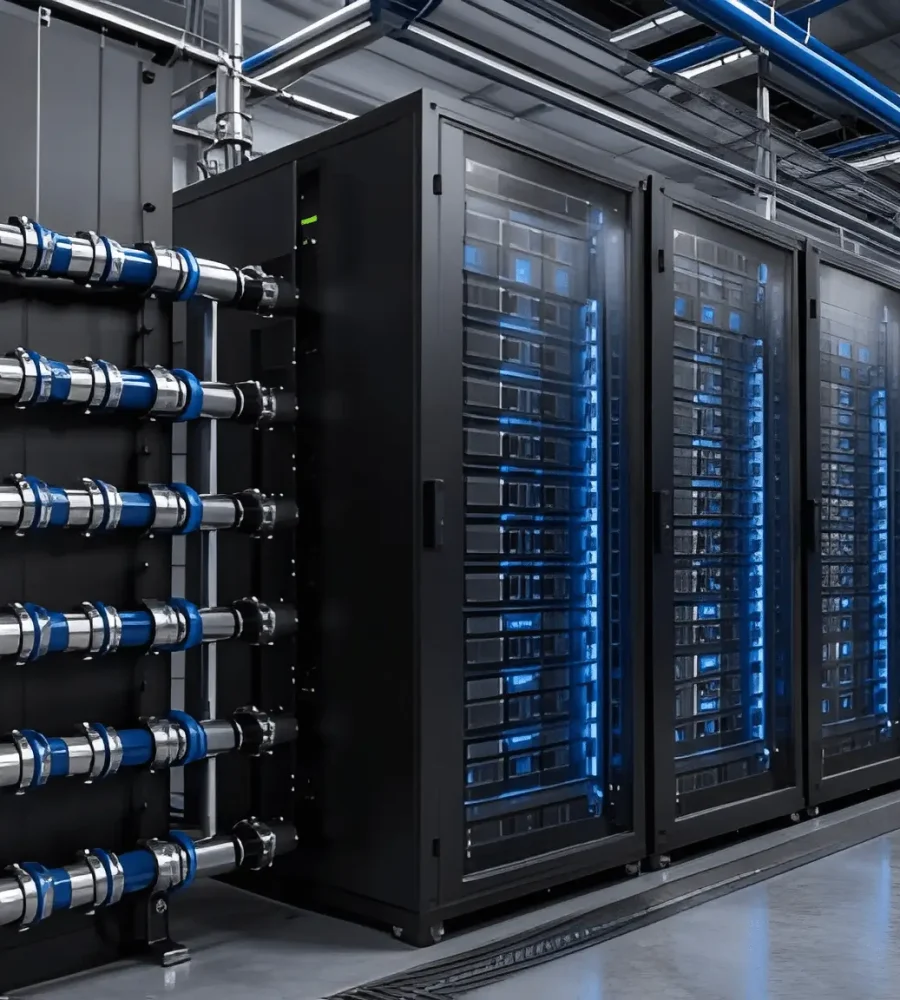
The modern data center no longer competes on raw capacity alone; it competes on how intelligently it consumes power.Across global markets, operators now confront a structural shift where grid stability, renewable intermittency, and regulatory scrutiny influence infrastructure design as strongly as compute demand.In this evolving environment, performance remains critical, yet responsiveness to energy conditions increasingly defines long-term viability.Consequently, architects have begun embedding real-time intelligence into the very fabric of facilities, ensuring that digital growth aligns with power discipline rather than overwhelming it.Instead of building ever-larger static environments, forward-looking operators now engineer infrastructures that sense, interpret, and adapt to fluctuating conditions.This transformation signals a deeper evolution in design philosophy, where self-regulation replaces brute-force provisioning as the cornerstone of competitive infrastructure. This evolution marks the rise of energy-aware data center architecture as the defining blueprint for modern digital infrastructure.
Reengineering Centralized Mega Data Centers for Responsiveness
Centralized mega facilities historically operated as monolithic engines calibrated for constant maximum throughput, regardless of real-time energy context. Engineers designed these sites with redundancy and overprovisioned capacity to ensure reliability under any circumstance, often resulting in persistent baseline consumption that rarely adjusted downward. However, the growing volatility of renewable generation and grid load patterns now requires a different operational temperament. Modern architectural frameworks integrate demand-response strategies that allow compute clusters to modulate performance when grid frequency dips or regional supply tightens. By embedding predictive analytics into facility management systems, operators can anticipate load fluctuations and shift non-critical workloads accordingly. As a result, centralized hubs evolve from rigid consumption centers into adaptive systems that interact constructively with energy markets.
Such reengineering requires a layered integration of telemetry across IT and facilities infrastructure so that compute orchestration tools receive accurate, real-time environmental data. Power distribution units, switchgear, and UPS systems now transmit granular usage metrics that inform dynamic scaling decisions at the software level. Instead of running every rack at constant intensity, orchestration layers can stagger computational peaks based on regional supply signals. Furthermore, grid-interactive UPS architectures enable facilities to discharge stored energy strategically during high-demand intervals. This coordination transforms centralized architecture into a responsive node within a distributed energy framework. Ultimately, responsiveness becomes an engineered characteristic rather than a reactive afterthought.
Orchestrating Workloads Around Energy Availability
Workload orchestration once focused primarily on latency, throughput, and redundancy, leaving energy alignment as a secondary consideration. Today, however, advanced schedulers increasingly integrate real-time electricity pricing, renewable output forecasts, and carbon intensity indicators into placement algorithms. Cloud-native platforms now support geo-distributed shifting of batch processes to regions experiencing renewable generation peaks. Consequently, compute-heavy analytics or AI model training can migrate to locations where solar or wind output temporarily exceeds demand. This strategic placement reduces operational strain without compromising service-level objectives. Through such orchestration, compute activity begins to mirror the rhythms of energy supply.
In parallel, machine learning systems evaluate historical consumption patterns to predict optimal execution windows for non-latency-sensitive tasks. Instead of scheduling workloads solely around business timelines, operators can define energy-aware execution policies that align with grid stability thresholds. Renewable forecasting APIs further inform these decisions by projecting production availability hours in advance. Additionally, localized microgrids integrated with onsite storage provide another lever for balancing compute intensity. By synchronizing digital processes with environmental availability, infrastructure shifts from passive consumer to strategic participant. In doing so, facilities build resilience while preserving performance consistency.
Cooling That Thinks: Adaptive Thermal Ecosystems
Cooling systems traditionally operated on static thresholds that triggered airflow adjustments once temperature exceeded predefined limits. Such reactive models often resulted in overcooling to maintain safety margins, thereby increasing unnecessary energy expenditure. Intelligent thermal ecosystems now incorporate sensor-dense environments that measure humidity, inlet temperatures, and rack-level heat flux continuously. Artificial intelligence models analyze this telemetry to predict thermal shifts before they occur. Rather than responding to heat spikes, adaptive systems adjust liquid flow rates or airflow distribution proactively. Through predictive modulation, cooling transforms from a defensive mechanism into a strategic energy management layer.
Liquid cooling technologies further expand this adaptive capability by enabling granular thermal targeting across high-density racks. Direct-to-chip systems and immersion setups allow precise regulation of hotspots without flooding entire rooms with conditioned air. Moreover, AI-driven building management platforms integrate outside air conditions to optimize economizer usage dynamically. Heat recovery loops can redirect captured thermal output to adjacent facilities or district systems when conditions permit. By treating thermal energy as both risk and resource, facilities establish a circular operational model. Consequently, cooling infrastructure evolves into an intelligent subsystem aligned with broader energy objectives.
Real-Time Power Harmonization Across IT and Facilities
Electrical subsystems historically operated in relative isolation from compute orchestration frameworks, creating inefficiencies during peak transitions. Modern facilities now integrate digital twins that mirror electrical behavior across transformers, busways, and distribution panels. These models allow operators to simulate power fluctuations and coordinate server scaling decisions accordingly. Instead of triggering abrupt surges, harmonized control layers smooth transitions through phased activation strategies. Simultaneously, battery storage systems interact with load management software to dampen spikes before they ripple across the grid. Through synchronized oversight, facilities achieve a stable equilibrium between performance and power discipline.
Additionally, real-time analytics platforms aggregate data from intelligent breakers and branch circuit monitors to identify inefficiencies at granular levels. When anomalous draw patterns emerge, orchestration engines can throttle specific clusters while maintaining overall service continuity. Predictive fault detection further strengthens this harmonization by identifying potential failures before they escalate into outages. In many cases, integration between IT management tools and facility SCADA systems enables coordinated corrective actions within milliseconds. This synergy ensures that operational agility never undermines electrical stability. Consequently, power becomes a continuously balanced variable rather than a fixed constraint.
Autonomous Infrastructure: When Systems Make Energy Decisions
As orchestration intelligence matures, infrastructure begins to execute energy decisions with minimal human intervention. Software agents embedded within management layers evaluate performance metrics against energy availability in real time. These agents adjust CPU frequencies, redistribute virtual machines, or pause nonessential processes based on predefined optimization rules. Instead of waiting for operator directives, systems respond autonomously to changing conditions. Machine learning algorithms refine these responses over time by learning from operational outcomes. Through continuous adaptation, infrastructure demonstrates operational maturity rooted in self-governance.
Autonomy does not eliminate human oversight but rather elevates it toward strategic supervision. Engineers define guardrails and performance thresholds that guide algorithmic decision-making processes. When unexpected anomalies surface, escalation pathways ensure rapid human evaluation. However, routine balancing actions occur without manual triggers, reducing latency in corrective measures. This distributed decision architecture strengthens reliability while conserving energy resources. Ultimately, facilities progress toward environments where operational discipline arises organically from embedded intelligence.
Designing for Elastic Intensity, Not Maximum Capacity
For decades, architects sized facilities for hypothetical peaks that might occur only a handful of hours each year, thereby locking infrastructure into permanently elevated baselines. This approach created structural inefficiencies because electrical and mechanical systems operated far below their designed thresholds during normal cycles. Forward-looking designers now prioritize elastic intensity, which allows performance to scale fluidly without sustaining excessive idle overhead. Modular power blocks and containerized compute clusters enable incremental expansion instead of monolithic overbuilds. Consequently, facilities can introduce capacity in calibrated phases that align with verified demand curves rather than speculative projections. This philosophy reframes capacity planning as a dynamic continuum rather than a fixed ceiling.
Elastic strategies extend beyond modular construction and influence electrical topology and distribution logic. Scalable busway systems, adaptable switchgear configurations, and right-sized transformers provide flexibility that matches compute growth trajectories. When orchestration platforms detect lower demand intervals, they can consolidate workloads and deactivate underutilized nodes to conserve energy. Additionally, virtualization and container orchestration technologies support workload densification without compromising performance isolation. Such coordinated elasticity reduces unnecessary strain on upstream grid infrastructure during off-peak windows. Over time, the cumulative effect produces measurable efficiency gains without sacrificing resilience.
Strategic elasticity also influences procurement and lifecycle management decisions across hardware portfolios. Operators increasingly adopt refresh cycles that emphasize performance-per-watt improvements rather than absolute compute expansion. By evaluating equipment through an efficiency lens, architects avoid embedding long-term inefficiencies into the facility’s structural DNA. Furthermore, predictive maintenance algorithms optimize hardware longevity and reduce abrupt replacement surges that disrupt load balance. Integration between supply chain planning and energy analytics strengthens this calibrated growth model. Through disciplined elasticity, facilities sustain operational agility while maintaining grid responsibility.
Feedback Loops as the New Backbone of Data Center Intelligence
At the center of self-regulating environments lies a dense web of sensors that continuously report environmental, electrical, and computational metrics. Temperature probes, humidity sensors, power monitors, and vibration detectors feed data streams into centralized analytics engines. Instead of storing telemetry for retrospective review alone, modern platforms process signals in near real time to drive operational adjustments. Machine learning models analyze correlations between workload intensity, thermal output, and electrical draw. When deviations appear, automated control layers recalibrate airflow, shift compute distribution, or adjust voltage parameters instantly. Through constant circulation of insight and action, feedback loops become structural pillars of facility intelligence.
These loops operate across multiple temporal scales, from millisecond power balancing to seasonal capacity forecasting. Short-term adjustments protect against transient instability, while long-term pattern recognition informs strategic planning decisions. Predictive analytics platforms identify recurring inefficiencies and recommend architectural refinements that enhance future performance. Moreover, digital twins replicate facility behavior under simulated stress conditions, enabling proactive scenario modeling before real-world deployment. Such modeling strengthens resilience by identifying hidden bottlenecks or synchronization gaps. Feedback mechanisms therefore bridge operational immediacy with long-range optimization.
Importantly, effective feedback architecture requires robust data governance and interoperability standards to prevent fragmentation across subsystems. Open protocols enable cross-platform communication between IT orchestration tools and building management frameworks. Standardized data schemas improve model accuracy by ensuring consistent telemetry interpretation across vendors. Furthermore, cybersecurity safeguards protect sensor networks from malicious interference that could distort decision-making algorithms. Transparent audit trails maintain accountability for automated adjustments within critical infrastructure. Through disciplined data integration, feedback loops mature into reliable foundations for intelligent regulation.
Conclusion: Toward Self-Regulating Digital Ecosystems
As facilities integrate responsiveness, orchestration intelligence, adaptive cooling, harmonized power control, elastic provisioning, and continuous feedback, a coherent design philosophy begins to crystallize. Infrastructure no longer pursues growth through unchecked expansion but through refined coordination between performance ambition and energy context. Each subsystem contributes to a unified objective that balances digital acceleration with operational discipline. Consequently, competitive differentiation shifts toward architectural intelligence rather than sheer megawatt capacity. Facilities that embed awareness into their foundational layers demonstrate resilience under fluctuating grid conditions and evolving workload demands. This trajectory signals the emergence of self-regulating digital ecosystems engineered for long-term sustainability.
Looking ahead, operators who cultivate integrated intelligence across compute, cooling, and electrical domains will shape the next phase of infrastructure innovation. Software-defined orchestration platforms will continue refining predictive accuracy as telemetry datasets expand in scale and diversity. Collaboration between utilities, facility operators, and cloud architects will strengthen grid-interactive strategies that stabilize regional energy systems. Furthermore, advances in hardware efficiency and renewable integration will amplify the impact of adaptive design principles. Decision-makers who invest in these interconnected capabilities will unlock operational resilience that extends beyond individual facilities. Through deliberate design and disciplined integration, digital infrastructure can align technological progress with responsible energy stewardship.
In this evolving landscape, intelligence becomes the defining attribute of modern infrastructure rather than raw capacity alone. The most advanced environments will treat every watt, degree, and computational cycle as variables within a synchronized system of continuous optimization. Strategic foresight will guide architectural decisions that anticipate both technological evolution and environmental responsibility. As enterprises expand digital services and AI-driven workloads, adaptive facilities will ensure that growth does not translate into unchecked consumption. Instead, progress will manifest through systems that learn, recalibrate, and refine their behavior autonomously. Ultimately, the path forward belongs to infrastructures that understand energy not merely as input, but as a discipline woven into their operational core.