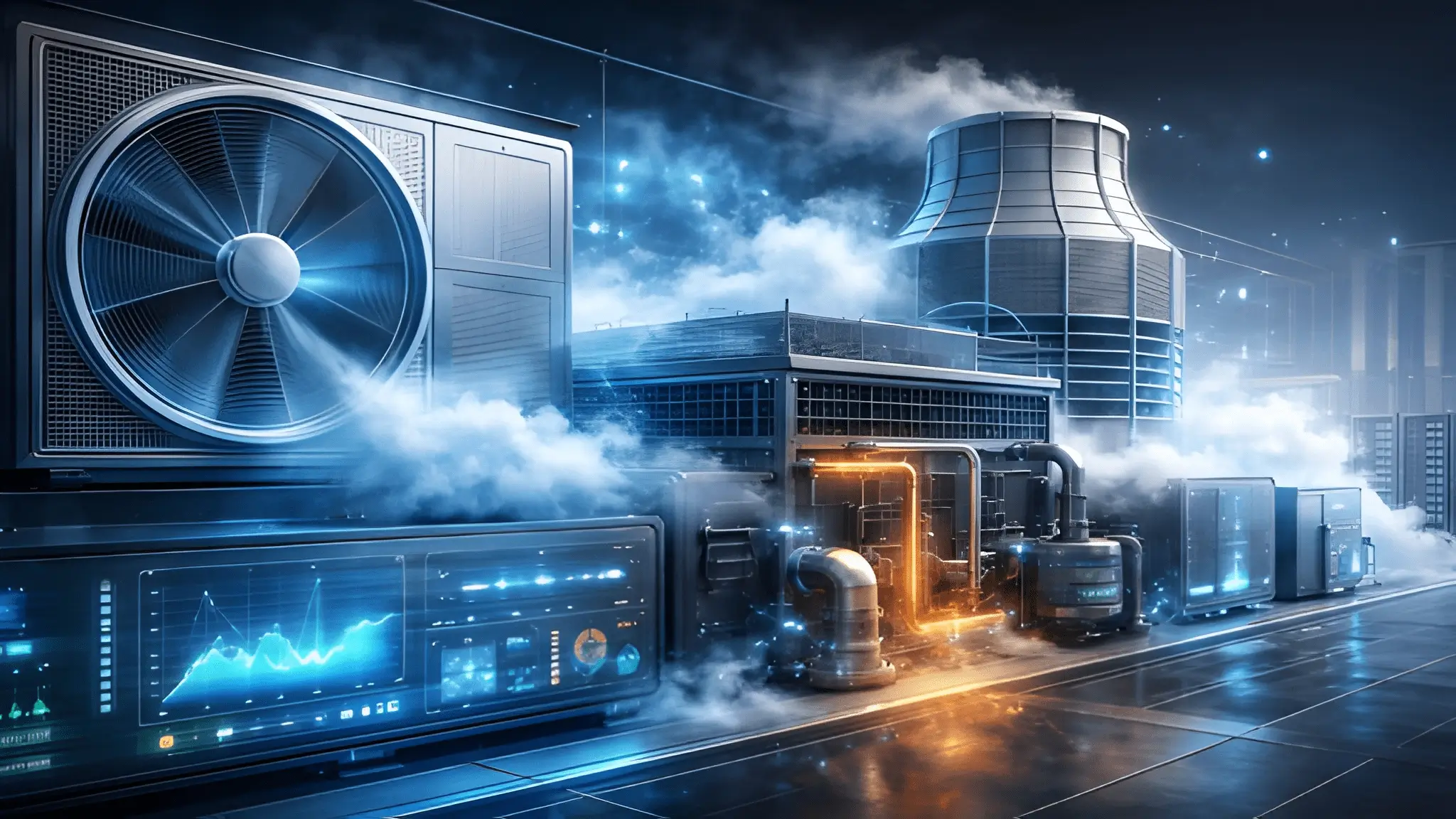
The Myth of “Zero-Cost Cooling”
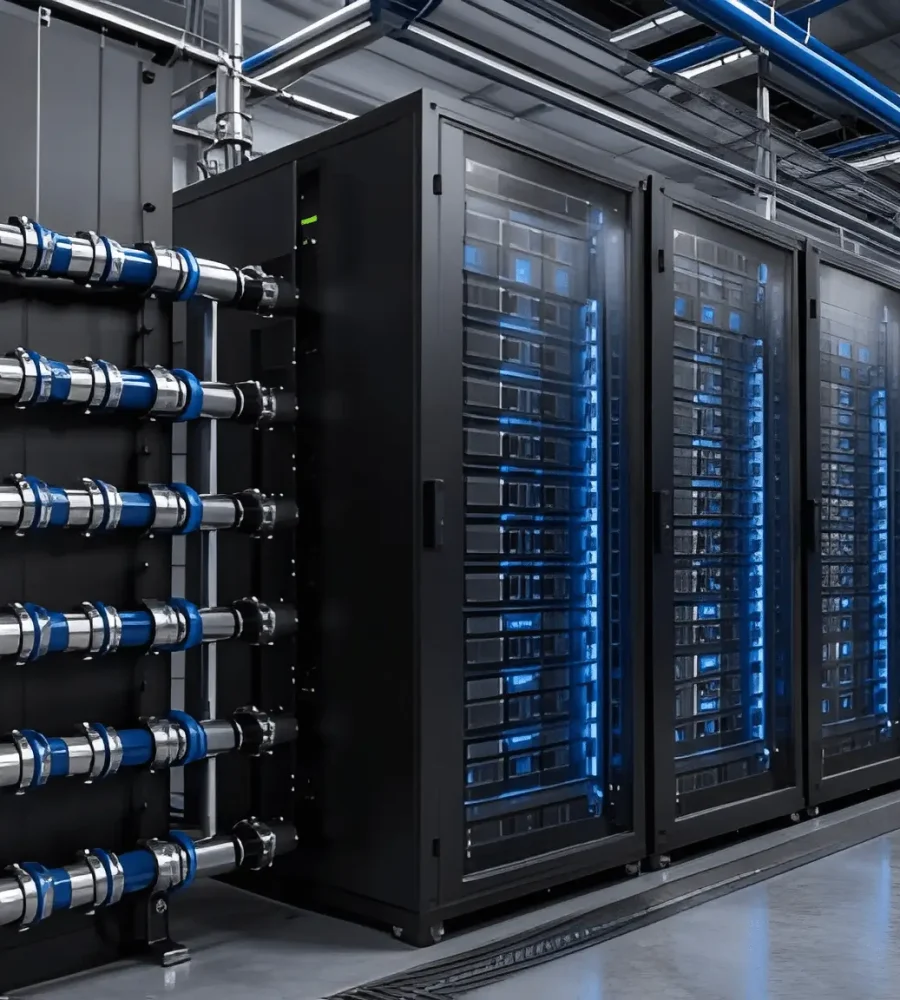
The narrative around ambient cooling often positions it as a near-zero cost solution, yet operational data shows a far more layered reality across modern data center deployments. Air handling infrastructure introduces significant capital and operational requirements, including filtration systems that must maintain strict particulate thresholds to protect sensitive compute hardware. Climatic variability further complicates the equation, as seasonal fluctuations force facilities to deploy hybrid systems that compensate for temperature swings beyond optimal thresholds. Cooling energy consumption frequently accounts for close to forty percent of total facility energy usage, which underscores how marginal efficiency gains still operate within a large absolute cost base. Filtration systems, humidity control mechanisms, and redundancy layers add both energy overhead and maintenance complexity that contradict the “free” narrative. Consequently, ambient cooling strategies shift costs rather than eliminate them, redistributing expenditure across infrastructure and operational domains.
The assumption that outside air can replace mechanical cooling ignores contamination risks that require advanced filtration stages to ensure reliability in high-density environments. Dust, salt particles, and industrial pollutants introduce failure risks that necessitate multi-stage filtration systems with ongoing replacement cycles and monitoring overhead. Environmental unpredictability introduces additional inefficiencies, as facilities must maintain fallback cooling capacity even during periods of favorable ambient conditions. Redundancy design ensures uptime compliance, yet it simultaneously increases both capital expenditure and energy draw during partial load operations. Thermal stability requirements in AI-driven workloads demand tighter environmental controls than traditional enterprise workloads, reducing the usable window for ambient cooling. Therefore, “zero-cost cooling” becomes a conceptual simplification that does not withstand operational scrutiny at scale.
Capex Shock: Designing for Climate Is Not Plug-and-Play
Designing infrastructure to leverage natural cooling introduces a significant upfront capital burden that extends beyond conventional mechanical systems. Facilities must integrate custom airflow architectures that align with site-specific climatic conditions, which often require extensive simulation and engineering validation. Structural modifications such as larger air intake systems, reinforced ducting, and adaptive louvers increase construction complexity and cost. Seasonal extremes necessitate hybrid cooling systems that combine ambient air with mechanical or liquid cooling fallback options, leading to duplicated infrastructure layers. Engineering teams must overdesign systems to accommodate worst-case thermal scenarios, which inflates capital investment relative to standard cooling deployments. As a result, the initial cost advantage associated with ambient cooling diminishes once full system resilience requirements are incorporated into the design phase.
Climate-specific design constraints limit standardization, which prevents economies of scale that hyperscale operators typically rely on to optimize deployment costs. Each location introduces unique variables such as humidity ranges, air quality indices, and temperature volatility that require tailored engineering approaches. Equipment selection must align with environmental tolerances, often necessitating specialized hardware that increases procurement costs and lead times. Infrastructure redundancy must account for unpredictable climatic events, which further elevates capital allocation toward resilience rather than efficiency. Design cycles extend due to the need for environmental modeling and compliance with regional regulations governing air usage and emissions. Ultimately, ambient cooling strategies shift capital expenditure toward customization, reducing the cost predictability that operators seek in large-scale deployments.
When Free Cooling Meets Complex Systems
Integrating ambient cooling into modern data centers introduces operational complexity that extends well beyond initial design considerations. Advanced control systems must coordinate airflow, temperature thresholds, and workload distribution in real time to maintain thermal stability. Sensor networks play a critical role in monitoring environmental conditions, yet they require calibration, maintenance, and continuous data processing to remain effective. AI-driven load balancing systems attempt to align compute intensity with cooling capacity in advanced or hyperscale deployments, but they introduce additional computational overhead and system dependencies. Thermal variability generated by AI workloads creates unpredictable heat patterns that challenge static cooling strategies. Consequently, integration costs emerge as a persistent operational burden that offsets perceived efficiency gains from ambient cooling adoption.
The interaction between cooling systems and compute workloads demands tightly coupled orchestration layers in high-density AI environments, which increase both software and engineering complexity. Control algorithms must respond dynamically to workload spikes, which often occur in unpredictable bursts within AI training and inference environments. Latency in response mechanisms can lead to localized thermal hotspots, forcing systems to rely on backup cooling methods that increase energy consumption. Maintenance teams must manage a broader set of interdependent systems, which raises operational overhead and increases the risk of system failures. Integration challenges extend into facility management software, where compatibility issues and scaling limitations can hinder performance optimization. Therefore, the integration tax becomes a critical factor in evaluating the true cost of ambient cooling at scale.
Efficiency vs Utilization: When Savings Collapse at Scale
Theoretical efficiency gains associated with ambient cooling often fail to materialize under real-world utilization patterns observed in large-scale data centers. Peak load scenarios require systems to operate at maximum cooling capacity, which frequently necessitates mechanical assistance regardless of ambient conditions. Idle and burst workloads introduce inefficiencies, as cooling systems must maintain readiness even when compute demand fluctuates unpredictably. Redundancy requirements further reduce effective efficiency, as backup systems consume energy despite remaining underutilized during normal operations. High-density AI workloads generate concentrated heat zones that limit the effectiveness of distributed ambient cooling strategies. In practice, efficiency metrics derived from controlled environments do not translate directly into operational savings at scale.
Utilization variability introduces a mismatch between cooling capacity and actual demand, which undermines the efficiency advantages of ambient cooling systems. Overprovisioning becomes necessary to ensure reliability, yet it results in underutilized infrastructure that still incurs operational costs. Thermal management strategies must accommodate worst-case scenarios, which reduces the ability to optimize for average conditions. Workload scheduling attempts to align compute activity with cooling availability, but it introduces constraints that can impact performance and service delivery. Energy savings projections often fail to account for these operational realities, leading to discrepancies between expected and actual outcomes. Therefore, efficiency must be evaluated in the context of utilization dynamics rather than isolated performance metrics.
Geography Arbitrage vs Infrastructure Reality
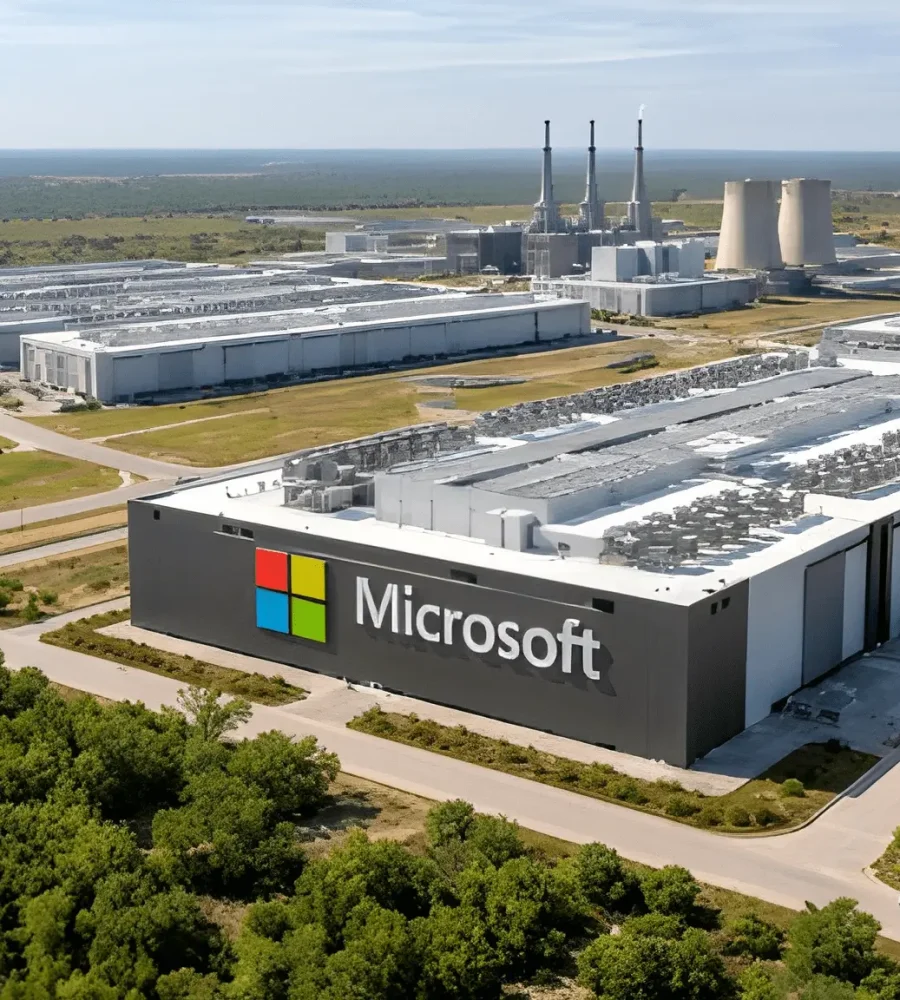
Geographic advantages associated with cooler climates often drive site selection decisions for ambient cooling deployments, yet infrastructure constraints frequently limit their practical benefits. Access to reliable power remains a primary bottleneck, as remote or colder regions may lack sufficient grid capacity to support large-scale data center operations. Transmission infrastructure delays can extend project timelines, offsetting any gains from favorable climatic conditions. Energy availability and pricing fluctuations introduce additional uncertainty, which complicates long-term cost projections. Land acquisition and regulatory compliance further influence deployment feasibility, particularly in regions with limited industrial infrastructure. Consequently, geographic arbitrage does not guarantee economic efficiency when broader infrastructure considerations come into play.
The rapid growth in data center power demand places additional strain on existing infrastructure, reducing the viability of previously attractive locations. Grid operators face increasing pressure to accommodate high-density loads, which can lead to delays in capacity allocation and higher connection costs. Renewable energy integration introduces variability that must be managed alongside cooling requirements, adding complexity to energy planning strategies. Proximity to users and network latency considerations can outweigh climatic advantages, particularly for latency-sensitive applications. Infrastructure readiness ultimately determines deployment success more than ambient temperature conditions alone. As a result, site selection must balance multiple factors beyond climate to achieve sustainable operational outcomes.
Cooling Economics Is a System Problem, Not a Climate Feature
Cooling strategies in modern data centers require a holistic evaluation that extends beyond ambient temperature advantages and perceived efficiency gains. Energy consumption, compute density, and workload variability interact in complex ways that influence overall system performance and cost. Infrastructure design must account for integration complexity, redundancy requirements, and long-term operational sustainability. Financial models should incorporate both capital and operational expenditures to provide an accurate representation of total cost of ownership. Strategic decision-making must align cooling approaches with broader infrastructure and business objectives. Cooling economics, therefore, emerges as a system-level challenge rather than a feature defined solely by environmental conditions.
A comprehensive approach to cooling optimization considers interactions between energy systems, compute workloads, and environmental constraints to achieve balanced outcomes. Investment decisions must prioritize flexibility and adaptability to accommodate evolving technological and operational demands. Engineering solutions should focus on resilience and scalability rather than isolated efficiency metrics. Market dynamics and regulatory frameworks will continue to shape the feasibility of different cooling strategies across regions. Operational transparency and data-driven insights play a critical role in refining cooling approaches over time. Ultimately, sustainable data center design depends on integrating cooling into a broader systems perspective that aligns performance with economic viability.