
In the modern era, digital systems no longer rest; society relies on their infrastructure to operate continuously for instantaneous access, seamless communication, and uninterrupted service availability. While industries and economists widely discuss benefits, analysts increasingly highlight the environmental costs embedded in these always-on systems that propel every search query, live stream, and real-time transaction. Engineers, environmental analysts, and policy planners observe that energy demands from data processing, storage, and transmission carry significant ecological implications beyond corporate sustainability pledges.
Furthermore, the rapid expansion of computational workloads driven by artificial intelligence, cloud computing, and constant connectivity intensifies resource consumption and complicates attempts to quantify environmental footprints. Consequently, the technological system that society treats as commonplace simultaneously pressures energy grids, water resources, and material cycles in ways that specialists understand best. Stakeholders across public and private sectors confront a paradox: the very systems promising progress contribute to environmental stress that could undermine long-term sustainability commitments
Data Centres: The Unseen Backbone and Burden
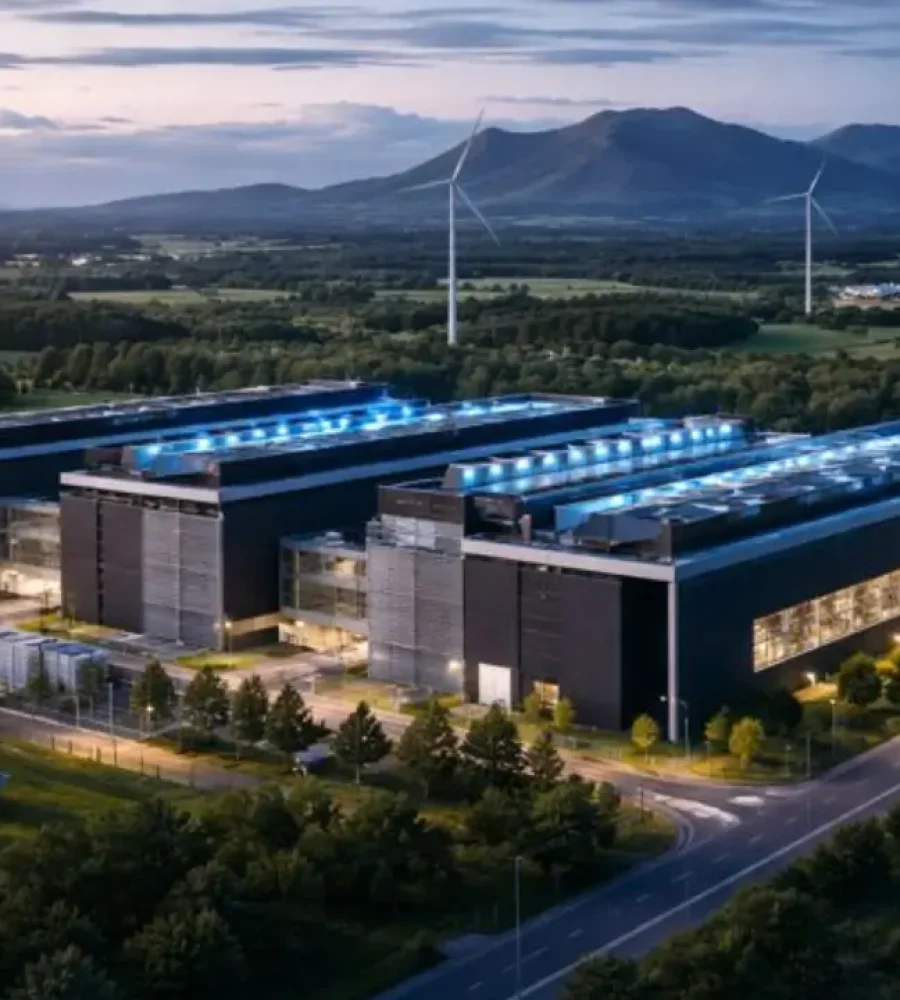
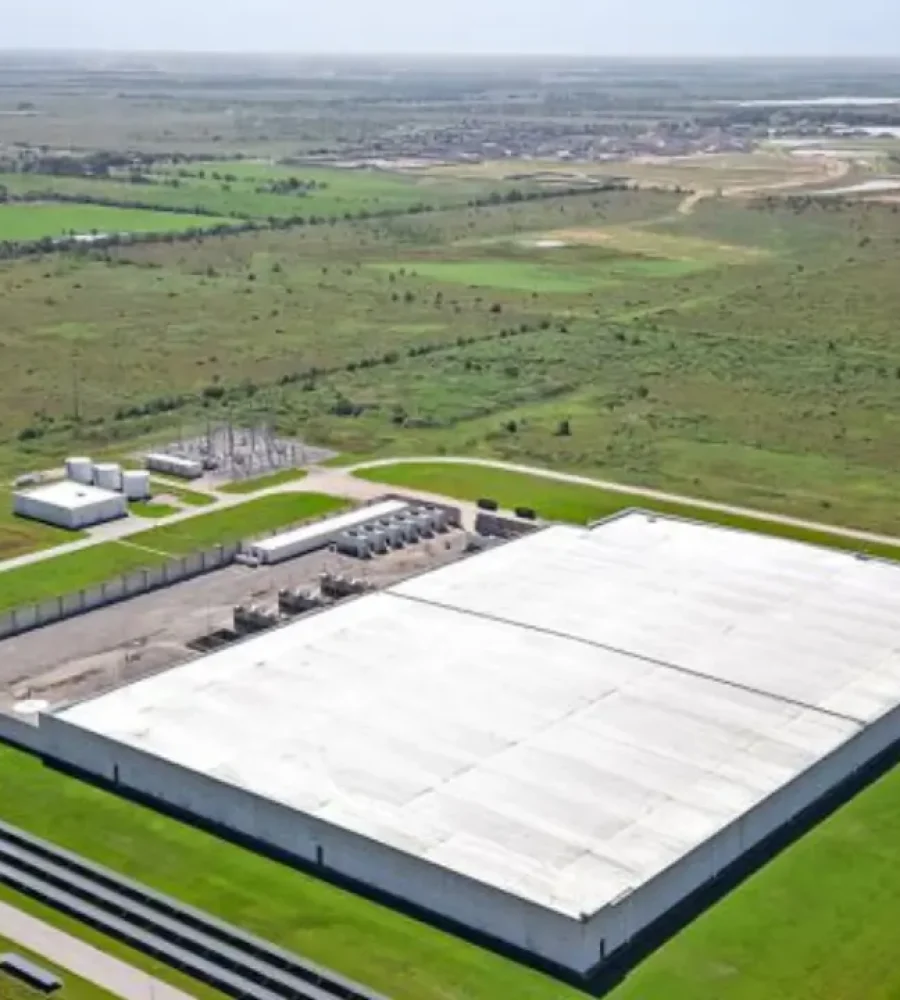
Data centres form the backbone of the global digital infrastructure, housing the servers and network systems that enable constant connectivity, yet their environmental implications are rarely visible to end users. These facilities are designed for redundancy and reliability, often at the expense of energy efficiency, because they must avoid disruptions that would degrade service reliability for consumers and enterprises alike. In practice, large computing facilities require substantial electricity for both active computation and the cooling systems that prevent overheating, thereby creating a persistent and heavy draw on electrical systems.
Moreover, much of this electricity is sourced from conventional power grids that continue to rely on fossil fuels, which in turn contribute to greenhouse gas emissions and associated climate pressures. Independent analysts and sustainability researchers have documented that the cumulative energy appetite of these facilities has risen alongside increased digital demand, prompting renewed scrutiny about the environmental footprint of always‑available services. Consequently, as digital platforms proliferate and computational capacity scales upward, data centres embody a form of unseen environmental cost that intersects with broader energy and climate policy concerns.
Computational Demand and Resource Intensity
High‑performance computing tasks such as artificial intelligence model training and real‑time analytics exacerbate the resource intensity of digital infrastructure, creating distinct environmental pressures beyond conventional data traffic. These processes require sustained computational power, which translates into prolonged periods of high electrical load, and as a result, energy systems must meet both baseline and peak demands in ways that strain generation capacity. In addition to electricity, water consumption becomes a material factor, especially where cooling systems rely on evaporative or liquid‑based methods that withdraw substantial water volumes from local supplies. In numerous regions, such withdrawals intersect with watershed stress and heightened competition for finite water resources, prompting debates about sustainability in areas already vulnerable to scarcity.
Furthermore, material inputs into servers, networking gear and storage technologies entail mining, manufacturing and logistics processes that carry their own ecological footprints, including emissions, habitat disruption and waste streams. Thus, when observers consider only operational metrics, they risk neglecting the full lifecycle environmental costs embedded in digital system deployment and maintenance. As a result, assessments of sustainability must expand beyond energy accounting to integrate the broader material and ecological dimensions of always‑on digital systems.
Carbon Footprint and Sectoral Accountability
Although often framed as intangible, the carbon footprint of digital systems is measurable and consequential, requiring rigorous accounting and accountability from industry leaders alongside environmental governance bodies. Research in sustainability science has highlighted that the digital sector contributes a notable share of global greenhouse gas emissions when energy consumption from hardware, networks and services is aggregated. Moreover, a substantial portion of these emissions occurs upstream in supply chains through hardware production, transport logistics and embedded energy in raw materials extraction, often exceeding emissions from operational use phases.
This complexity challenges traditional reporting methodologies that isolate direct energy use while underestimating the embedded climate impacts of digital ecosystems. As a result, cross‑sectoral strategies are advocated, calling for harmonized frameworks that capture both operational and embodied emissions to inform policy and corporate sustainability disclosures. Furthermore, the increasing prevalence of advanced computing workloads stresses that digital systems cannot be decoupled from broader climate mitigation objectives, and thus must be integrated into national and international climate strategies. Consequently, decision‑makers, researchers and advocates emphasize that transparency in emissions accounting is critical for understanding and addressing the environmental burden of always‑on systems.
Electronic Waste and Lifecycle Implications
The continuous operation of digital infrastructure also drives turnover in hardware ecosystems, leading to a growing accumulation of electronic waste that poses significant environmental and health challenges. As servers, storage arrays and networking components reach end of life, they enter waste streams that can release toxic compounds into soils, water and air if not responsibly recycled or managed. Furthermore, the pace of technological advancement encourages replacement cycles that prioritize performance upgrades over repairability and longevity, thereby accelerating the throughput of valuable and finite materials such as rare earths, metals and semiconductors. In regions where regulatory frameworks for e‑waste management remain weak or under‑resourced, informal recycling practices can amplify environmental harm, exposing communities to hazardous substances and undermining circular economy objectives.
Consequently, the environmental costs of digital systems extend beyond energy and emissions to include material depletion, waste management burdens and potential ecological contamination. Because of this, sustainability planning in the digital domain increasingly emphasizes circular design principles and extended producer responsibility to mitigate lifecycle impacts. Ultimately, addressing electronic waste underscores how the physical realities of digital infrastructure intersect with broader environmental sustainability priorities.
Hidden Costs of Continuous Connectivity
Beneath routine digital interactions lie hidden environmental costs that collectively shape the ecological footprint of always‑on digital systems, and these costs are often obscured by the intangible nature of cloud‑based services. Every stored file, active server instance and automated background process contributes to persistent loads on servers, networks and energy systems that rarely pause or idle. Moreover, even inactive data storage consumes energy for maintenance, redundancy and periodic validation, meaning that digital inactivity still translates into continual resource allocation.
Beyond energy and material use, pervasive connectivity reinforces consumption patterns that amplify digital traffic, encourage content duplication and perpetuate demand for ever‑faster processing cycles. Because these processes occur largely outside the line of sight of typical users, the ecological implications remain abstract and distant from individual behavior, even though they cumulatively reinforce systemic energy and resource use. In this way, the environmental costs of constant connectivity are embedded in the architecture and operational logic of digital systems themselves, challenging simplistic narratives that frame digital services as environmentally light.
Cooling Systems: Water, Air, and Energy Interplay
Efficient cooling systems are essential to sustain the operational stability of digital infrastructure, yet they introduce complex environmental interdependencies that extend beyond electricity consumption. Modern data centers employ a variety of methods, ranging from air-based cooling and liquid immersion to evaporative systems, each carrying unique resource demands and ecological consequences. Air-based cooling systems require substantial airflow management, while liquid cooling often depends on water withdrawals that intersect with regional scarcity issues, creating tension between industrial needs and local environmental priorities. In addition, energy used to power pumps, fans and heat exchangers contributes indirectly to greenhouse gas emissions, particularly where grid electricity is sourced from nonrenewable resources. Engineers and environmental analysts emphasize the need for integrated resource planning, balancing thermal performance with energy and water efficiency to mitigate the environmental footprint. Consequently, decisions around cooling technologies are not merely operational but represent significant environmental considerations that inform sustainable infrastructure design.
Cloud Computing and Distributed Environmental Pressure
The rapid adoption of cloud computing has decentralized digital workloads, dispersing computational activity across multiple facilities and geographic regions, yet this shift also diffuses environmental impact in ways that complicate oversight and mitigation. Cloud architectures rely on elastic resource allocation, which allows services to scale dynamically but sustains a baseline of constant infrastructure readiness across multiple locations. This redundancy, while enhancing reliability and responsiveness, generates continuous energy and material use even during periods of low computational demand. Additionally, regional energy mixes differ substantially, meaning that cloud workloads executed in one location may have a higher carbon intensity than equivalent tasks elsewhere, creating geographic inequities in environmental burden. Environmental researchers caution that understanding cloud-related impacts requires both operational monitoring and lifecycle analysis of hardware deployment, maintenance and eventual disposal. As a result, distributed computing models, while technologically efficient in performance terms, introduce layered environmental complexities that must be addressed holistically.
Network Infrastructure: Beyond the Visible Connections
The physical and logical infrastructure supporting always-on digital systems extends far beyond data centers, incorporating routers, switches, undersea cables and wireless networks that collectively impose additional environmental pressures. Manufacturing, deploying and maintaining these network elements demand energy, rare materials and ongoing operational oversight, all of which translate into cumulative ecological impact. Moreover, network traffic growth accelerates hardware wear and drives incremental upgrades, reinforcing the cycle of resource consumption and hardware replacement. From a sustainability perspective, energy usage within network infrastructure can be less visible but equally significant, as traffic management and data routing require continuous power even for low-volume transmissions. Analysts argue that evaluating digital sustainability requires incorporating network infrastructure into carbon accounting models, rather than focusing solely on compute or storage nodes. Consequently, environmental responsibility extends to the design and operational management of network systems, emphasizing efficient routing, component longevity and materials stewardship.
User Behavior and Indirect Environmental Costs
End-user behavior contributes significantly to the environmental footprint of always-on systems, though its impact is often indirect and difficult to quantify with precision. Frequent content streaming, cloud storage usage and continuous synchronization of devices increase computational load and network traffic, cumulatively driving higher energy consumption across the infrastructure. In addition, digital habits such as repetitive file duplication, automatic backup retention and persistent idle processes create hidden energy demand that persists regardless of active user interaction.
Behavioral patterns also influence hardware turnover, as users frequently upgrade devices to support emerging software capabilities, generating additional e-waste and increasing embedded energy consumption. From a sustainability perspective, interventions targeting user behavior, including digital hygiene campaigns and energy-efficient software design, offer measurable avenues to mitigate environmental pressures. Analysts emphasize that combining behavioral insights with infrastructure optimization strategies is necessary to address the full spectrum of environmental impacts associated with continuous connectivity.
Regulatory Landscape and Industry Standards
The expansion of always-on digital systems has prompted regulatory and industry bodies to consider frameworks for sustainability, yet harmonization remains an ongoing challenge. Standards addressing energy efficiency, carbon accounting and hardware lifecycle management are increasingly available, but enforcement mechanisms vary substantially across jurisdictions, leaving gaps in environmental governance. Voluntary certification programs, including those focused on data center design and operational efficiency, provide guidance but often lack universal applicability or rigorous verification protocols.
Policymakers are exploring approaches that integrate sustainability criteria into licensing, procurement and reporting, aiming to align digital infrastructure deployment with broader climate objectives. Furthermore, cross-industry collaboration is being pursued to develop harmonized metrics and transparency mechanisms, facilitating comparative analysis and best-practice sharing across regions and service providers. As a result, the regulatory and standardization landscape reflects a recognition of environmental challenges but requires continued adaptation to the accelerating pace and scale of digital infrastructure growth.
Emerging Solutions and Technological Innovation
Emerging technological solutions offer pathways to reduce the hidden environmental costs of always-on systems, emphasizing energy efficiency, resource recovery and lifecycle optimization. Innovations in server architecture, including low-power processors and advanced virtualization, reduce operational energy consumption while maintaining computational performance. Additionally, improvements in cooling technologies, such as liquid immersion and adaptive airflow management, decrease both energy use and water consumption relative to traditional methods. Circular economy strategies, including modular design, component reuse and responsible recycling programs, mitigate the ecological impacts of hardware turnover and reduce reliance on virgin materials. Renewable energy integration into digital infrastructure further addresses the carbon footprint associated with electricity consumption, though deployment must consider regional grid capacity and intermittency. Analysts and industry leaders underscore that technological innovation must be complemented by systemic planning and operational discipline to realize meaningful environmental benefits at scale.
Lifecycle Assessment and Full Environmental Accounting
Comprehensive lifecycle assessment is essential to capture the true environmental cost of always-on digital systems. It includes production, operation, maintenance, and end-of-life disposal. Analysts note that focusing only on operational energy underestimates the ecological burden. Hardware production and transportation add embedded carbon and resource use that rivals ongoing electricity demand. Lifecycle assessment integrates material extraction, component manufacturing, logistics, and disposal, providing a holistic perspective for sustainability strategies. This approach helps organizations identify high-impact interventions and optimize resource allocation effectively.
Cultural Shifts in Digital Consumption
Cultural and behavioral shifts play a critical role in mitigating environmental impacts. Users directly influence energy demand, network load, and hardware turnover through their digital choices. Frequent streaming, cloud storage use, and device replacement accelerate ecological pressures, shaping infrastructure requirements. Awareness campaigns encourage individuals to adopt practices that cumulatively affect sustainability outcomes. Software developers optimize background processing and data storage to reduce unnecessary energy consumption. Collectively, these behavioral and technical actions strengthen responsible digital consumption as an environmental imperative, connecting human behavior to measurable system impacts.
Research Frontiers and Future Directions
Researchers explore innovative ways to reduce the environmental cost of continuous digital operations. Scientists design server architectures, refine storage algorithms, and implement workload scheduling to minimize idle energy use. Energy engineers deploy renewable microgrids, energy recovery systems, and alternative cooling methods to lessen dependency on fossil fuels. Policymakers harmonize sustainability standards across regions, enabling consistent assessment and reporting of environmental impacts. Collaboration among computer scientists, engineers, policymakers, and industry leaders drives systemic improvements in infrastructure efficiency. These coordinated efforts demonstrate that organizations can systematically reduce environmental impacts while maintaining performance, reliability, and scalability.
Toward a Sustainable Always-On Digital Ecosystem
Addressing the hidden environmental cost of always-on systems requires stakeholders to take a multi-dimensional approach. Organizations implement energy efficiency measures, integrate renewable energy, adopt circular hardware practices, and conduct lifecycle assessments to achieve sustainability goals. Users and corporate governance structures actively shape operational realities and influence environmental outcomes. Researchers and engineers identify and apply innovations that reduce ecological burdens while preserving service performance. Industry collaboration ensures that digital growth proceeds without compromising environmental objectives. Together, these strategies cultivate a digital ecosystem that supports continuous connectivity while protecting critical energy, material, and ecological resources for future generations