Transformers: The Missing Link in AI’s Power Chain
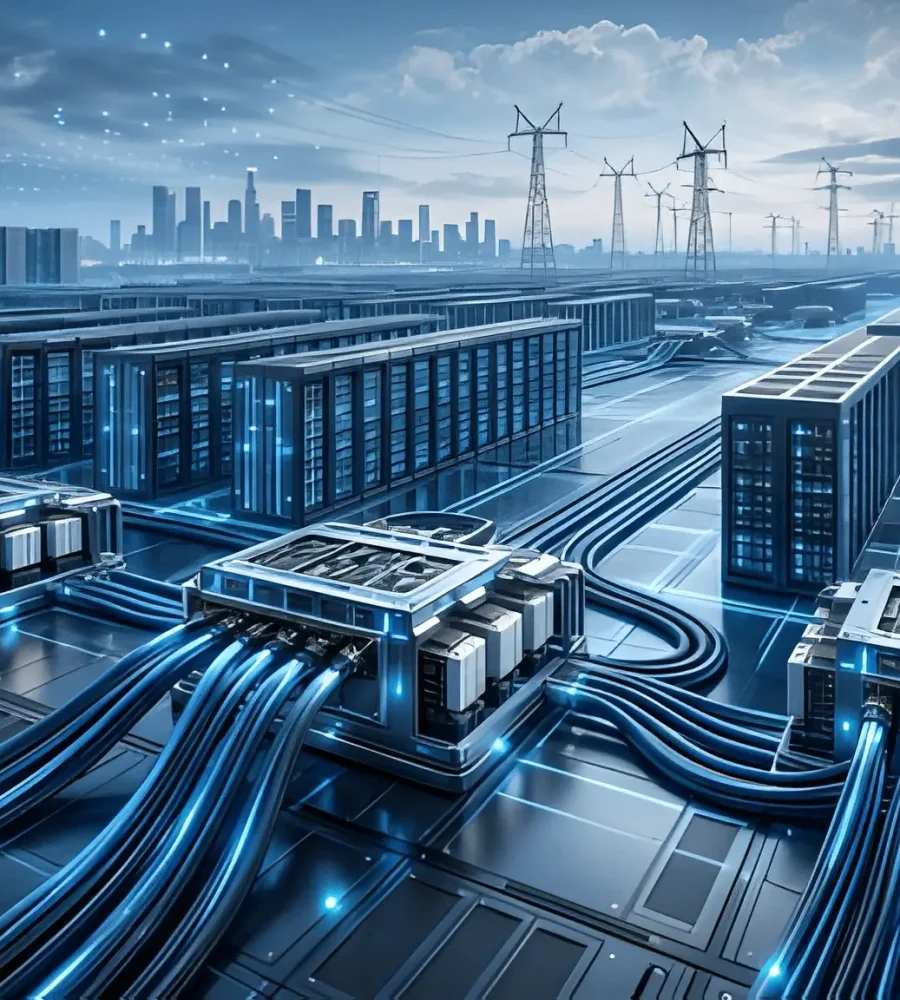
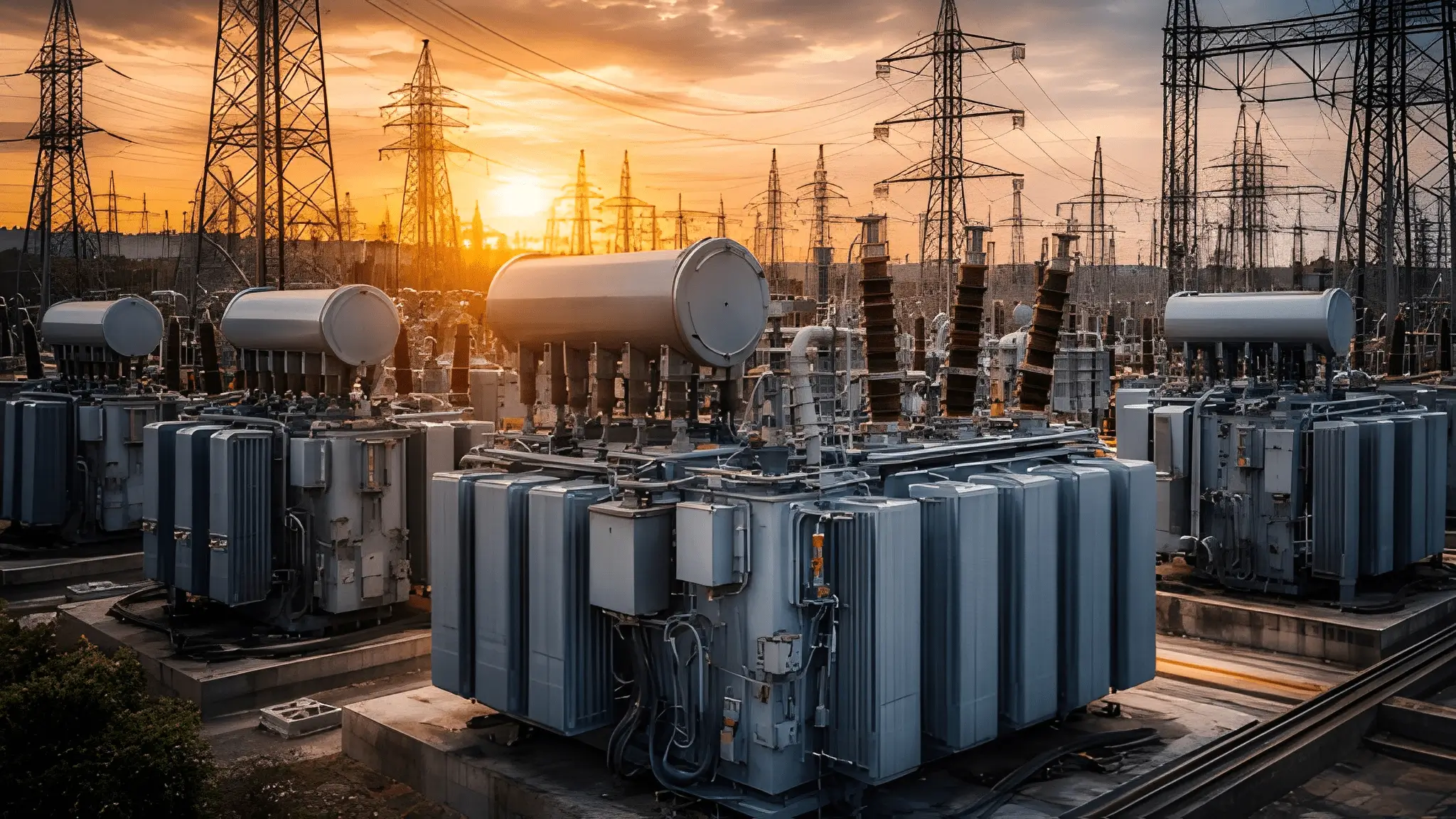
AI infrastructure discussions often concentrate on compute density, semiconductor performance, and power generation capacity, yet they rarely account for the electrical layer that enables energy to become usable. High-voltage transformers sit precisely at this junction, converting bulk transmission electricity into the voltage levels required for data center operations. Without this conversion layer, even gigawatts of available power cannot translate into functional workloads or operational GPU clusters. This creates a structural disconnect between energy availability and compute activation that current forecasting models fail to capture. The industry continues to assume that power capacity equals deployable compute, which introduces systemic blind spots in infrastructure planning. Transformer availability now dictates whether theoretical capacity becomes physically usable within deployment timelines.
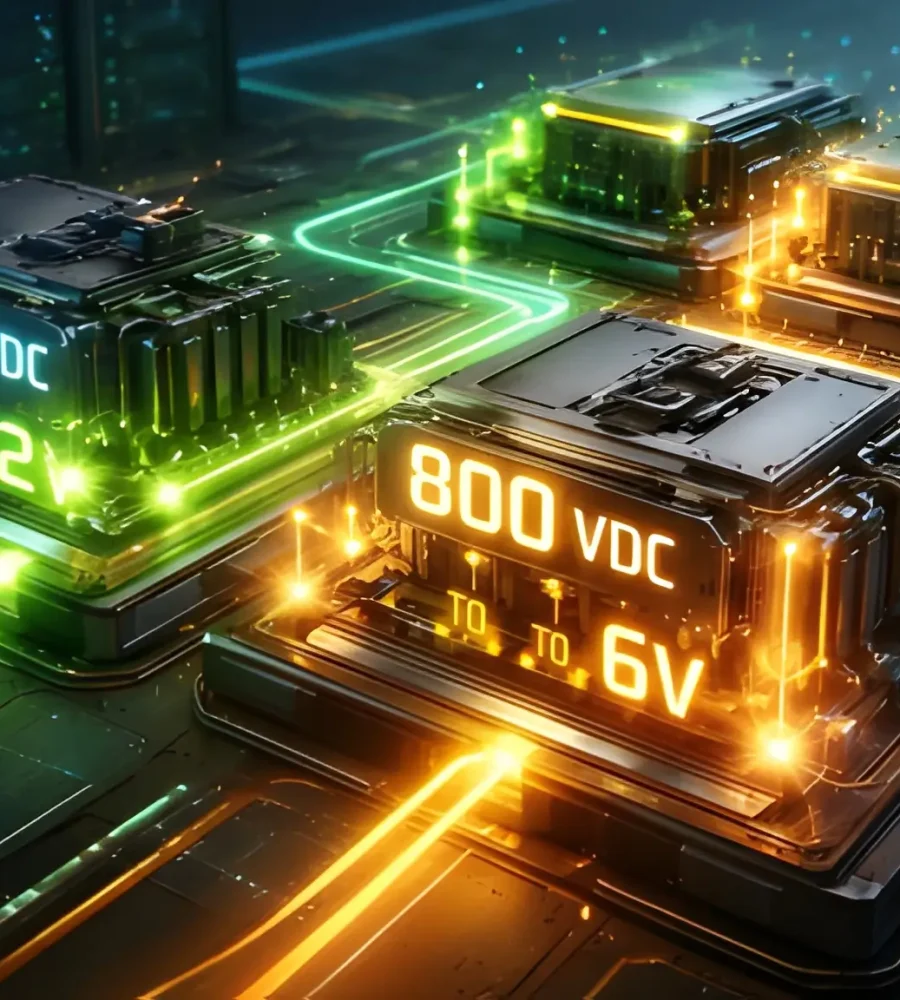
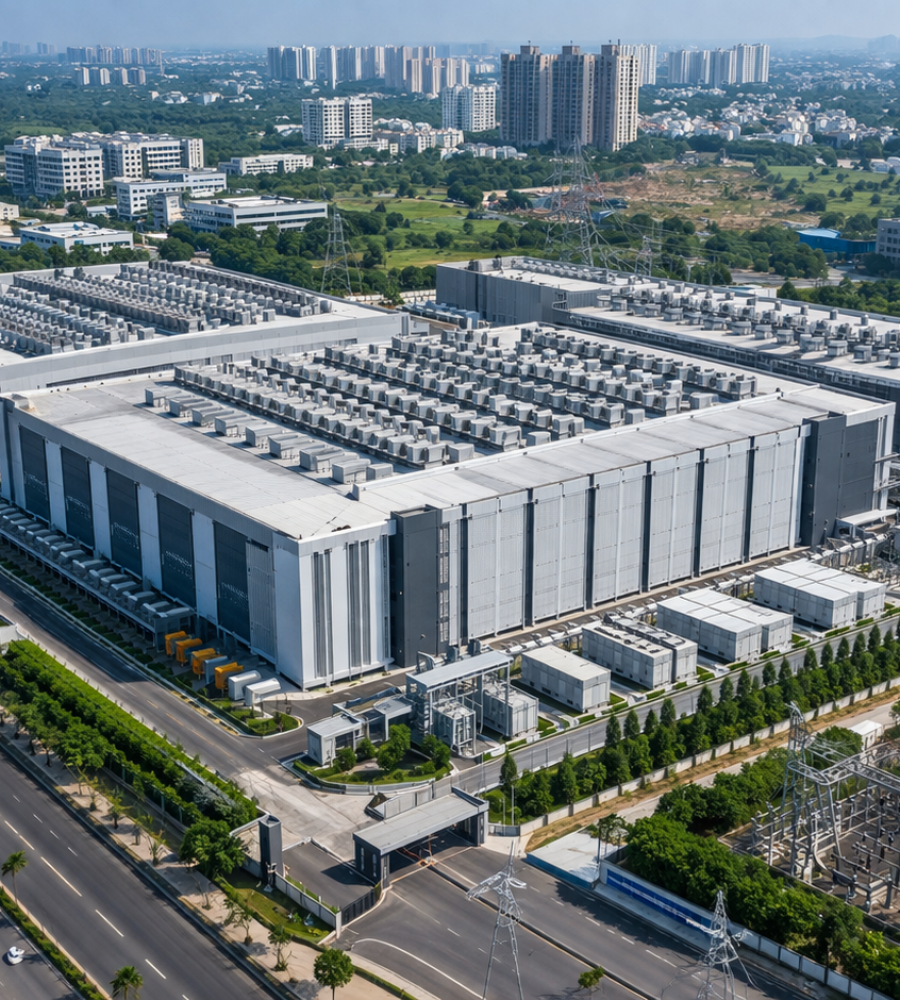
The architectural complexity of AI data centers further amplifies the importance of transformers because modern facilities require highly stable and precisely regulated voltage levels. GPU clusters operating at scale depend on consistent power quality to avoid inefficiencies, downtime risks, and hardware degradation. Transformers do not simply step down voltage; they also stabilize fluctuations and support load balancing across dense compute environments. This function becomes increasingly critical as AI workloads push facilities toward higher power densities per rack. The dependency chain therefore extends beyond generation and transmission into localized electrical conditioning. Transformer constraints disrupt this chain at a foundational level, making them a primary gating component rather than a peripheral consideration.
The discourse around AI scaling has historically aligned with Moore’s Law and compute-centric metrics, yet physical infrastructure imposes its own scaling laws that operate independently of silicon innovation. Transformers represent a fixed, industrially constrained component that does not benefit from rapid iteration cycles or exponential efficiency gains. Manufacturing timelines, material dependencies, and engineering tolerances limit how quickly supply can expand. This contrasts sharply with semiconductor ecosystems that can accelerate production through capital investment and process optimization. The result is a growing mismatch between digital scaling expectations and physical infrastructure realities. Transformer constraints therefore introduce a non-linear bottleneck that disrupts otherwise predictable deployment curves.
Why Transformer Lead Times Are Breaking Deployment Models
Procurement cycles for high-voltage transformers have extended to 18–36 months in many regions, which fundamentally alters how infrastructure projects are sequenced and executed. Traditional data center development models rely on synchronized timelines where land acquisition, permitting, design, and equipment procurement move in parallel. Extended lead times break this synchronization and force operators to prioritize electrical equipment orders before finalizing other project variables. This inversion of planning logic introduces financial exposure, as capital becomes locked into long-lead components without guaranteed project completion alignment. It also increases the risk of specification mismatches if design requirements evolve during the waiting period. Deployment timelines therefore shift from predictable schedules to contingent frameworks dependent on supply chain availability.
Operators now adopt pre-emptive procurement strategies, securing transformer capacity years in advance to hedge against supply uncertainty. This approach changes capital allocation models, as upfront investment in electrical infrastructure becomes necessary before revenue-generating assets are operational. Financing structures must adapt to accommodate longer pre-deployment phases and delayed returns on investment. However, this strategy introduces inefficiencies because it reduces flexibility in responding to technological changes or shifting demand patterns. Consequently, infrastructure development becomes less agile and more constrained by early-stage decisions. The inability to adjust transformer specifications late in the process further compounds these limitations.
The impact extends beyond individual projects into broader ecosystem dynamics, where simultaneous demand from utilities, renewable energy projects, and industrial users intensifies competition for limited transformer supply. Data center operators now compete directly with grid expansion initiatives and electrification programs for the same equipment. This competition drives up costs and elongates delivery timelines even further, creating feedback loops that reinforce scarcity. Meanwhile, supply chain visibility remains limited, making it difficult to forecast availability with precision. Infrastructure planning must therefore incorporate probabilistic models rather than deterministic schedules. This shift introduces complexity into project management and reduces confidence in deployment forecasts.
Standardization vs Customization: A Growing Infrastructure Conflict
Transformer manufacturing relies heavily on standardized designs to achieve efficiency, scalability, and cost control within production facilities. These standardized units enable manufacturers to streamline processes, optimize material usage, and maintain consistent quality across output. However, AI data centers increasingly demand customized electrical configurations to support unique load profiles and high-density compute environments. This divergence creates friction between manufacturing capabilities and end-user requirements. Custom designs require additional engineering time, specialized components, and non-standard production workflows. As a result, customization introduces delays that compound already extended lead times.
The push for higher power densities within AI facilities drives the need for transformers that can handle greater loads while maintaining efficiency and reliability. These requirements often exceed the parameters of standard transformer designs, necessitating bespoke engineering solutions. Customization also affects cooling systems, insulation materials, and physical footprint, all of which must align with specific site constraints. Manufacturers face challenges in adapting production lines to accommodate these variations without disrupting overall throughput. This creates a trade-off between meeting specialized demand and maintaining production efficiency. The tension between these priorities limits the scalability of transformer supply in response to AI-driven demand.
Moreover, customization increases the complexity of maintenance and replacement, as non-standard units require specialized knowledge and components for servicing. This reduces interoperability across facilities and limits the ability to redeploy equipment in different contexts. Standardized components enable faster replacement and easier integration, whereas customized systems introduce dependencies that extend beyond initial deployment. Consequently, the long-term operational flexibility of AI infrastructure becomes constrained by early design choices. This dynamic reinforces the importance of aligning design requirements with manufacturing realities. The conflict between standardization and customization therefore emerges as a structural challenge rather than a temporary inefficiency.
When Power Exists but Can’t Be Delivered
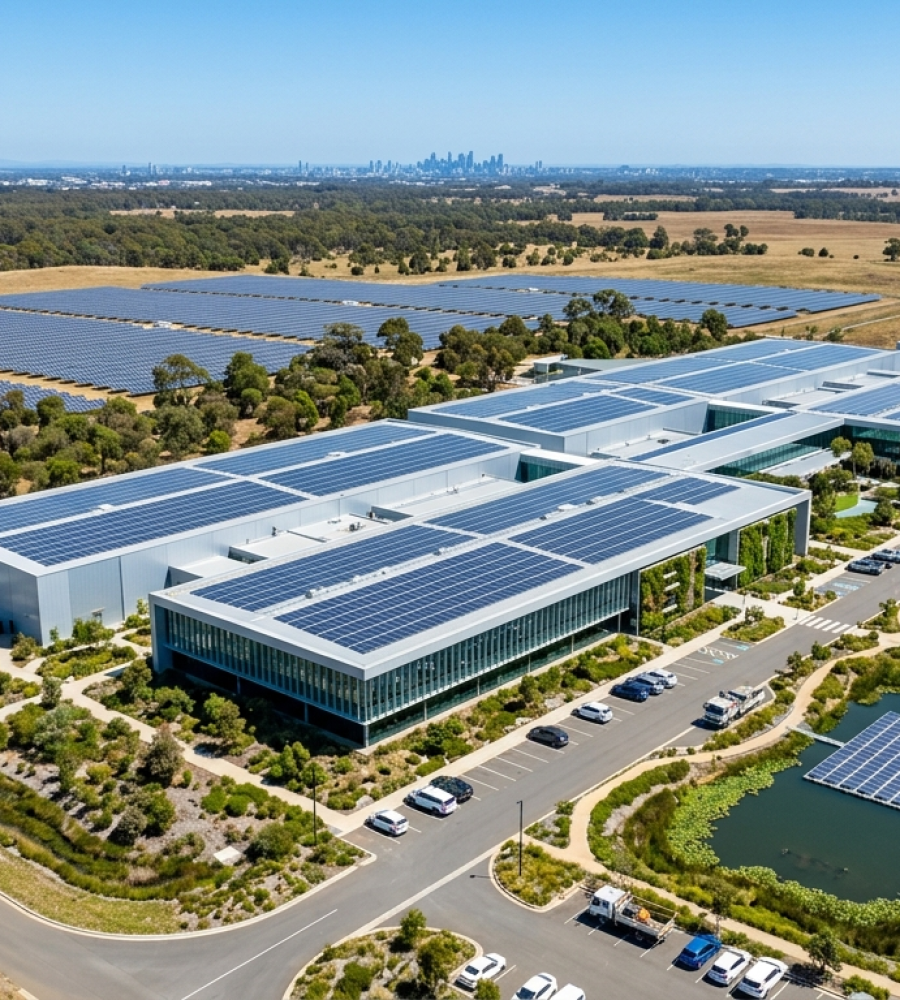
In many regions, generation capacity has expanded significantly through renewable energy projects and conventional power plants, yet delivery infrastructure has not kept pace with this growth. Transformers play a critical role in bridging this gap by enabling the transition from transmission-level voltage to distribution-level usability. When transformer capacity falls short, available power remains stranded within the grid, unable to reach end users such as data centers. This creates a paradox where energy abundance coexists with operational scarcity. AI infrastructure projects often encounter this limitation when attempting to connect to the grid. The bottleneck therefore shifts from production to delivery.
Grid congestion further exacerbates this issue, as transmission networks operate near capacity in many high-demand regions. Transformers are essential for managing load distribution and ensuring stable operation under these conditions. Without sufficient transformer capacity, grid operators cannot efficiently allocate power to new connections. This limits the ability of data centers to scale even in areas with ample generation resources. The mismatch between generation and delivery infrastructure highlights the importance of integrated planning across the entire energy value chain. AI deployment strategies must therefore account for grid-level constraints rather than focusing solely on site-specific factors.
However, the expansion of transmission and transformation infrastructure requires significant time, investment, and regulatory approval, which introduces additional delays into the system. Large-scale transformer installations involve complex engineering, environmental assessments, and coordination with multiple stakeholders. These processes extend project timelines beyond what AI infrastructure developers typically anticipate. As a result, the pace of AI deployment becomes tied to the slowest components of the energy ecosystem. This interdependency underscores the need for holistic infrastructure planning. Transformer constraints thus represent a systemic issue that cannot be resolved through isolated interventions.
The Industrial Supply Chain Behind AI Is Thinner Than Expected
Transformer manufacturing operates within a highly concentrated industrial base, with a limited number of global suppliers capable of producing high-voltage units at scale. This concentration introduces vulnerabilities, as disruptions in any part of the supply chain can have outsized impacts on overall availability. Unlike semiconductors, which benefit from geographically diversified production and rapid scaling capabilities, transformer manufacturing depends on specialized facilities with long setup times. The capital intensity and technical complexity of these facilities limit the speed at which new capacity can be added. This creates structural constraints that persist even as demand increases. The supply chain therefore lacks the elasticity required to support rapid AI infrastructure expansion.
Raw material dependencies further constrain transformer production, as key components such as electrical steel, copper, and insulation materials face their own supply limitations. These materials require specialized processing and have limited substitution options, which reduces flexibility in sourcing. Price volatility and supply disruptions in these inputs directly affect transformer manufacturing capacity and timelines. The interdependence between material supply and equipment production creates cascading effects across the value chain. Consequently, shortages cannot be resolved solely through increased manufacturing output. Addressing these constraints requires coordinated efforts across multiple industries.
Additionally, the workforce required for transformer manufacturing involves highly specialized skills that are not easily scalable. Engineering expertise, precision manufacturing capabilities, and quality assurance processes all contribute to the complexity of production. Training and retaining this workforce takes time, further limiting the ability to expand capacity rapidly. This contrasts with digital industries where talent scaling can occur more rapidly through education and training programs. The human capital component therefore adds another layer of constraint to transformer supply. The industrial base supporting AI infrastructure thus proves narrower and more rigid than previously assumed.
AI’s Next Scaling Law May Be Electrical, Not Computational
The trajectory of AI development increasingly reflects the influence of physical infrastructure constraints rather than purely computational advancements. Transformers, as a critical component of the electrical ecosystem, now play a defining role in determining deployment timelines and scalability. This shift represents a broader transition where infrastructure limitations shape the pace of technological progress. AI growth no longer depends solely on algorithmic innovation or semiconductor performance. It also relies on the capacity of industrial systems to support energy delivery and distribution. The emergence of transformer constraints signals a fundamental change in how scaling must be understood and managed.
Cooling systems previously emerged as a key constraint in data center design, highlighting the importance of thermal management in high-density environments. Transformer limitations now introduce a parallel constraint within the electrical domain, reinforcing the interconnected nature of infrastructure challenges. Both factors illustrate how physical systems impose boundaries on digital expansion. Addressing these constraints requires coordinated investment across multiple layers of the infrastructure stack. This includes manufacturing capacity, grid modernization, and supply chain resilience. The ability to align these elements will determine the future trajectory of AI deployment.
Therefore, the next phase of AI scaling will likely depend on advancements in electrical infrastructure as much as on improvements in compute technology. Strategic planning must incorporate these realities to avoid misalignment between demand and capability. Infrastructure developers, policymakers, and industry stakeholders need to recognize transformers as a central component of the AI ecosystem. This recognition will drive more accurate forecasting and more effective resource allocation. The evolution of AI infrastructure thus reflects a convergence of digital and physical systems. The scaling limits of the future will be defined not just by code, but by the capacity of the grid to deliver power where it is needed.