Remember the Celtic Tiger? For a generation, it defined Ireland’s rise as one of Europe’s standout economic success stories.
(*Celtic Tiger is the period of Ireland’s exponential economic growth between 1994 and 2008)
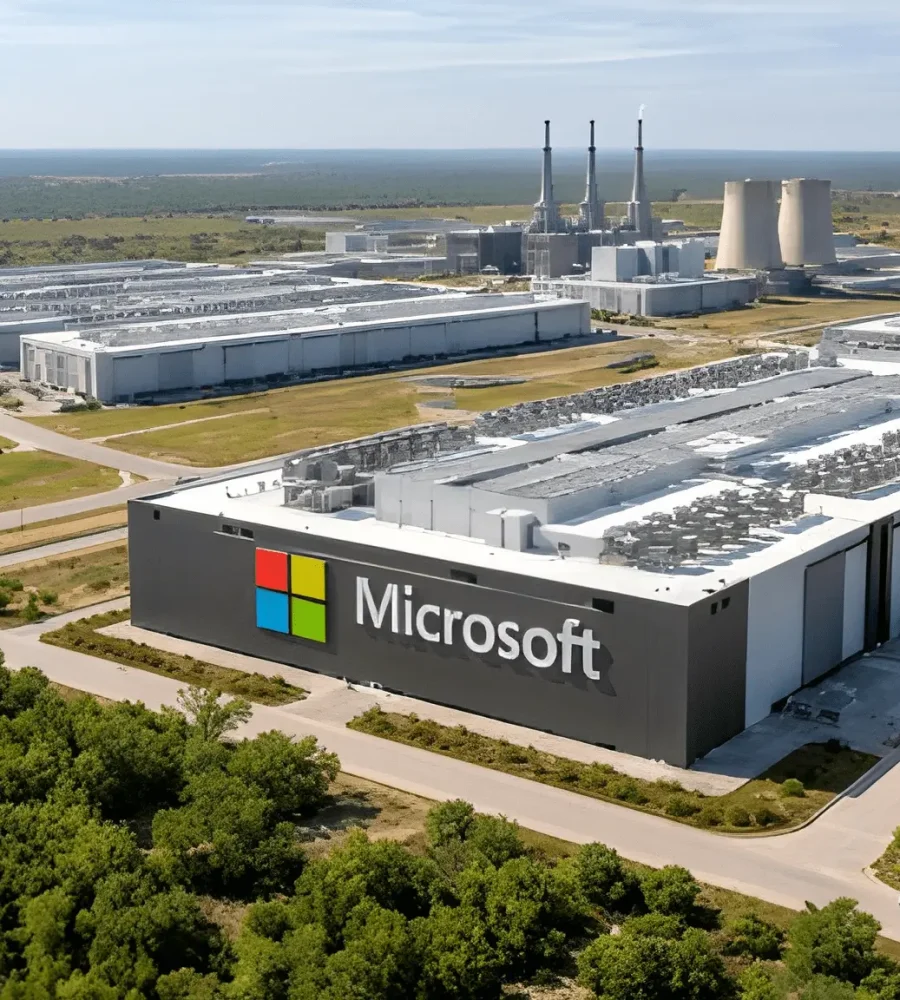
Over a relatively short period, the country shifted from an agriculture-driven economy into a global technology hub. Major multinationals such as Google, Meta, Microsoft, and Amazon established their European headquarters there, attracted by a skilled workforce, favorable tax policy, and access to the European Union. As the mid-2020s unfold, however, a new strain has entered this success story. The infrastructure supporting the digital economy, particularly data centers, has become the focal point of a growing national crisis.
At its core, this issue extends far beyond servers and fiber cables. Instead, it represents a broader tension between economic growth, environmental stewardship, and the public’s access to affordable and reliable energy. As a result, Ireland’s experience offers an early warning to any nation positioning itself as a backbone of the digital age.
The Rise of the Data Hub
Ireland hosts one of the densest concentrations of data centers globally. By early 2026, these facilities accounted for roughly 22 percent of the country’s total metered electricity consumption. For comparison, that figure exceeds the combined electricity usage of all urban households nationwide.
This concentration did not happen by accident. Ireland’s temperate climate lowers cooling costs, its education system supplies technical talent, and its regulatory environment has long favored foreign direct investment. Over time, these advantages reinforced one another. Nevertheless, the pace of expansion moved faster than national planning frameworks could accommodate. Consequently, what began as a competitive advantage gradually turned into a dominant presence within the energy system itself.
A Grid Under Sustained Pressure
The most immediate consequence appears within the electricity grid. EirGrid, Ireland’s state-owned transmission operator, has issued repeated amber alerts over recent years, signaling dangerously tight margins between supply and demand. Meanwhile, the rapid increase in data center electricity usage absorbed much of the progress achieved through renewable energy deployment.
By 2021, conditions had deteriorated to such an extent that authorities imposed an effective moratorium on new data center connections in the Dublin region. This decision aimed to prevent power shortages, yet it also paused a critical stream of investment. When the restriction was lifted in late 2025, it came alongside a new regulatory framework that permanently altered how large energy users interact with the grid.
Powering Growth Under New Constraints
Under the Large Energy User Action Plan and updated guidelines from the Commission for Regulation of Utilities, access to grid power now comes with stringent obligations. Large-scale facilities must demonstrate a high degree of energy self-reliance before receiving approval.
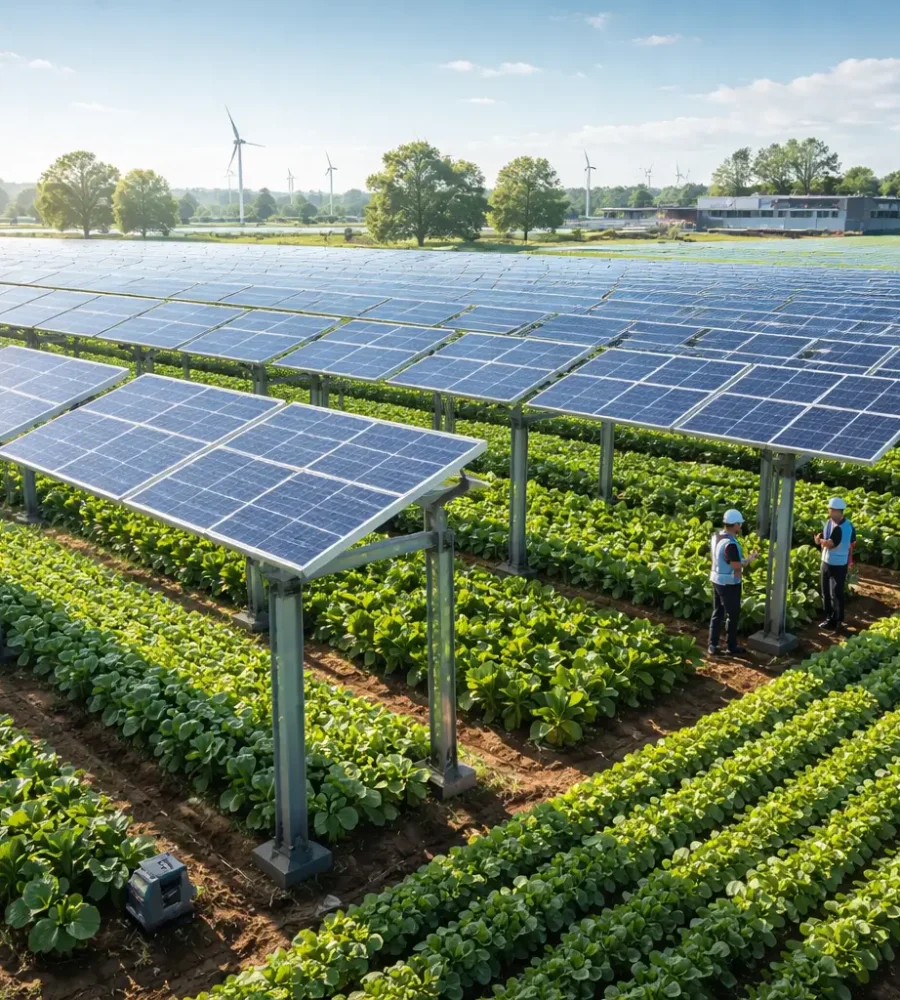
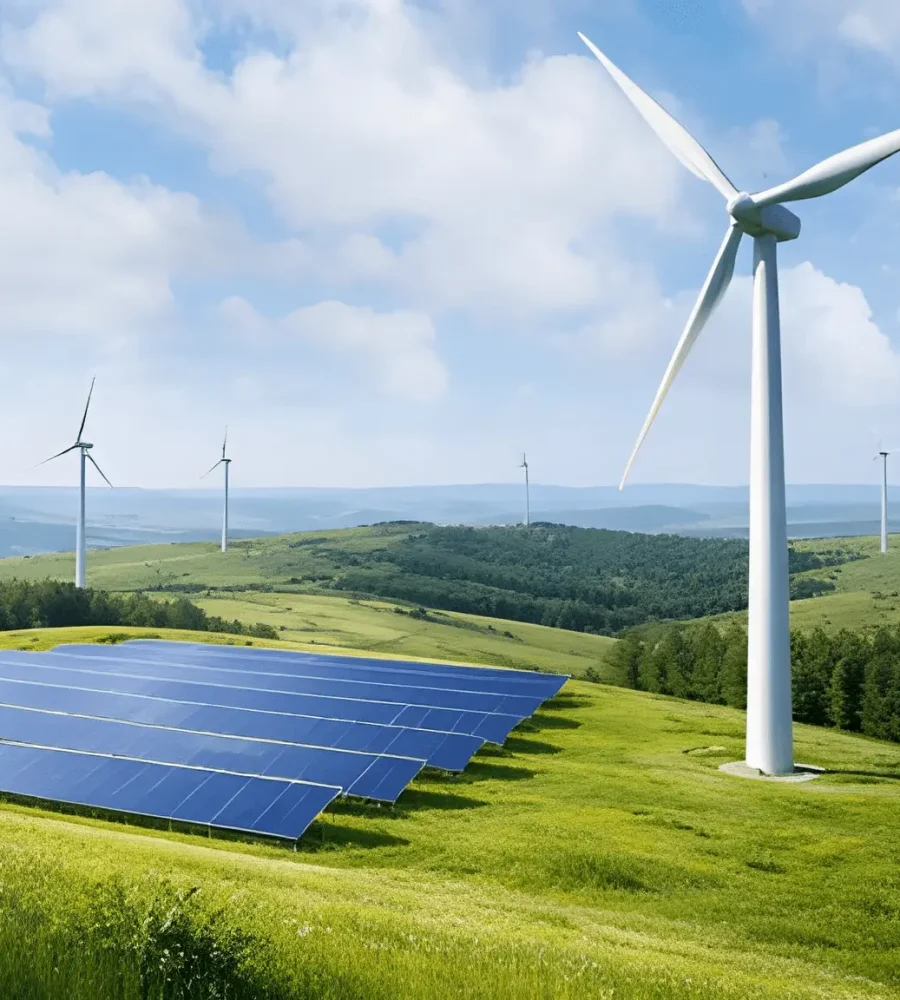
New data centers are required to install on-site generation or battery storage capable of covering their full demand. In addition, operators must function as autoproducers, supplying electricity back into the grid during periods of peak stress. Furthermore, at least 80 percent of annual energy consumption must originate from new, additive renewable projects within six years of operation.
Together, these measures effectively reposition data centers as active participants in the national energy system. While this approach reduces pressure on public infrastructure, it introduces another layer of controversy. To comply with self-sufficiency rules, some developers have adopted on-site natural gas generation. Critics argue that this practice shifts emissions rather than reducing them, complicating Ireland’s progress toward its 2030 climate commitments.
The Water Dimension
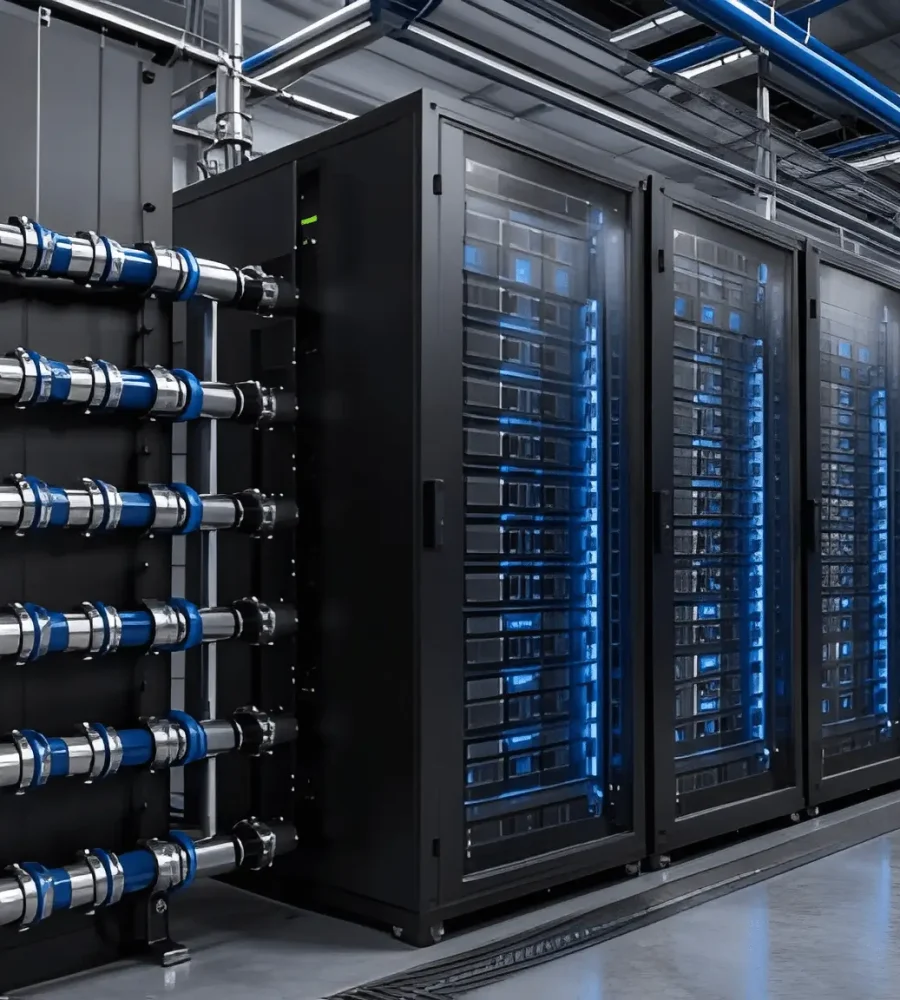
Alongside electricity, water consumption has emerged as a quieter yet increasingly significant concern. A medium-sized data center can require up to 110 million gallons of water annually for cooling. During heatwaves, daily usage at a single large facility can reach five million gallons, an amount comparable to the needs of a mid-sized town.
Despite Ireland’s reputation for abundant rainfall, water treatment and distribution infrastructure faces constraints similar to those affecting the power grid. As a result, local resistance has intensified, particularly in South Dublin. Residents have begun questioning why water resources are allocated to industrial cooling while housing projects face delays linked to infrastructure limitations.
An Economic Catch-22
Against this backdrop, the Irish government occupies an increasingly narrow policy corridor. On one side, data centers consume vast resources while generating relatively few permanent jobs once construction concludes. On the other side, they underpin the broader information and communications technology sector, which contributes approximately 18 percent of national Gross Value Added.
Restrictive policies risk weakening the Silicon Docks ecosystem that has driven Ireland’s economic growth. At the same time, continued accommodation fuels public frustration over high electricity prices, which already rank among the highest in Europe. The perception that multinational firms receive preferential treatment further intensifies political pressure.
Innovation as the Only Viable Path
Resolution depends largely on innovation rather than retreat. Early signs of a circular energy model are beginning to appear. In Tallaght, for example, waste heat from an Amazon data center is now redirected to heat nearby homes and public buildings. Elsewhere, operators are investing in green hydrogen, advanced grid-scale batteries, and long-duration storage solutions to address renewable intermittency.
In this sense, Ireland has become a testing ground. As the European Union accelerates plans to expand data center capacity in support of artificial intelligence, policymakers across the continent are watching closely. The central challenge involves demonstrating that digital expansion can proceed without overwhelming physical infrastructure.
A Defining Moment
Ireland’s data center crisis has forced a reckoning. Regulatory oversight has tightened, infrastructure planning has grown more complex, and costs have increased accordingly. The period of unchecked hyperscale growth has given way to a more integrated and demanding model.
Whether this evolving balance satisfies both global technology firms and local communities remains uncertain. What is clear, however, is that Ireland’s experience will shape how other nations approach the intersection of energy, technology, and sovereignty in the years ahead.