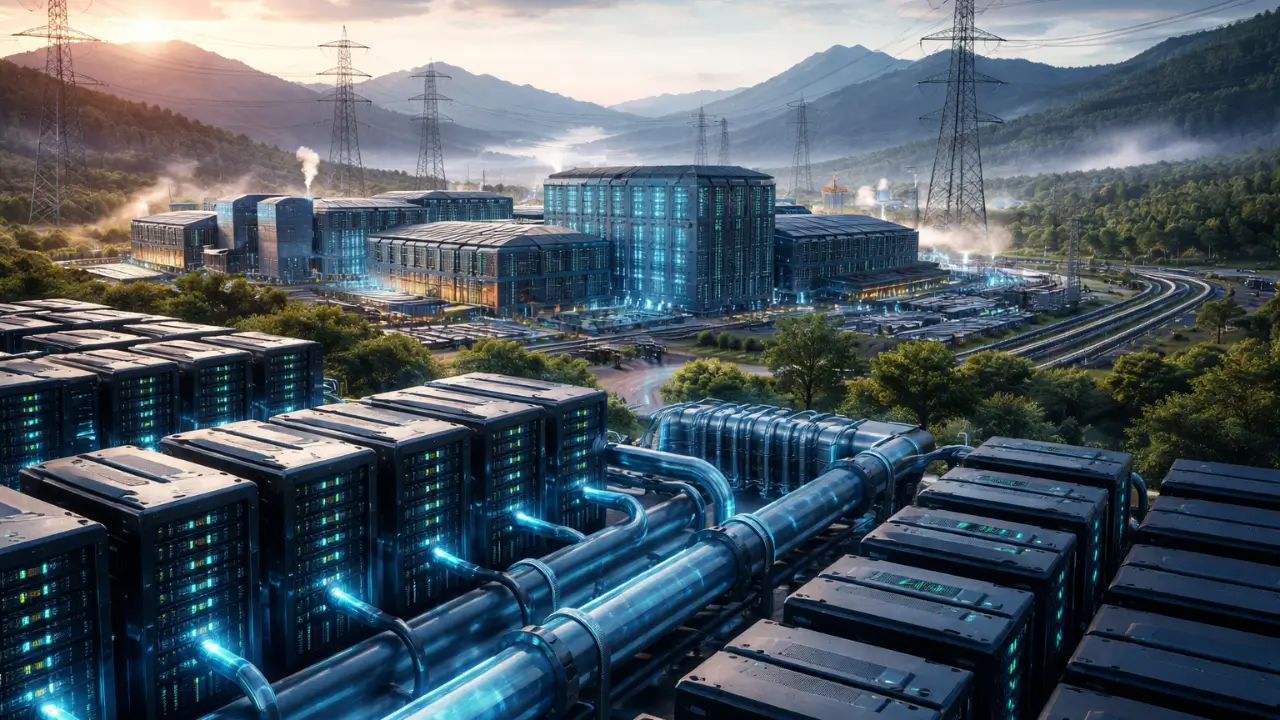
When the Cloud Touches the Ground
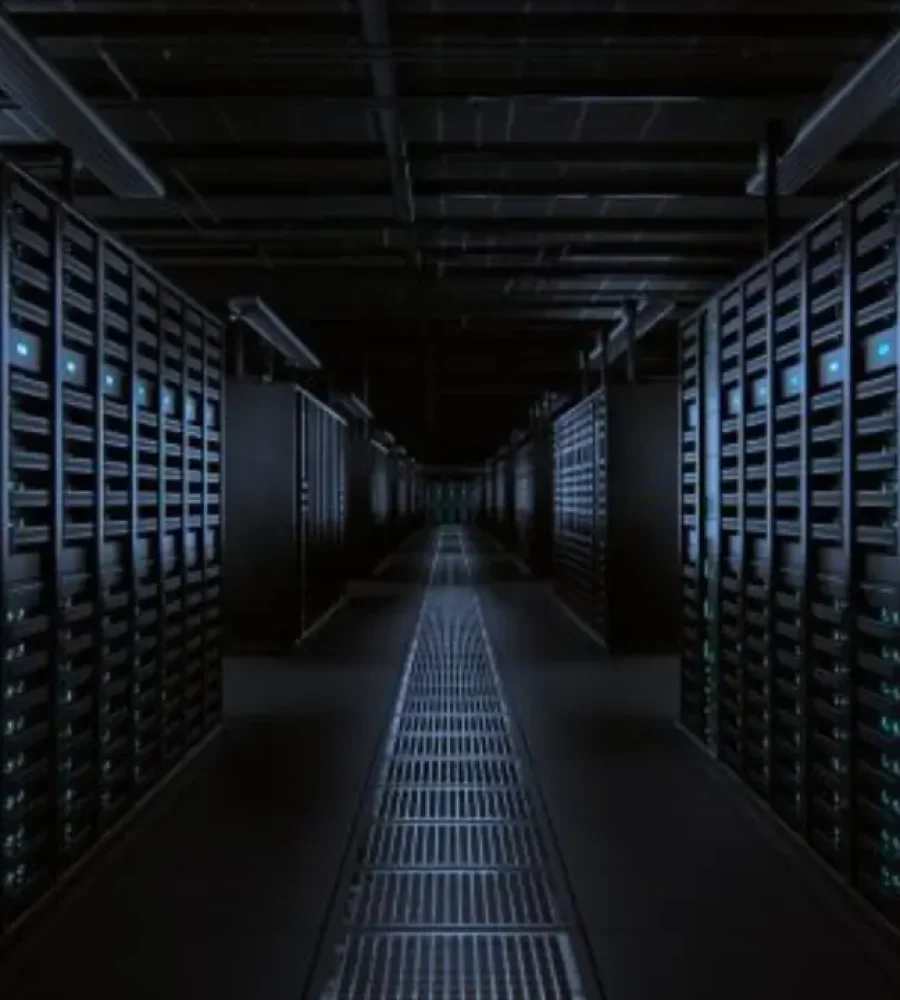
The cloud rarely announces itself. It hums behind office walls, flickers through fiber lines under streets, and waits quietly behind login screens. For years, its defining promise rested on invisibility. Compute appeared limitless, portable, and detached from place. Capacity expanded with a click. Location seemed irrelevant. That promise now faces a material test. Power shortages surface in planning meetings. Heat shapes hardware choices. Land, once an afterthought, determines feasibility.
The NeoCloud era does not reject the cloud. It exposes its material core. Compute once behaved like an invisible service. Today it operates as a location-bound, energy-intensive, thermally constrained system. This change did not arrive suddenly. Artificial intelligence workloads, accelerated computing, and geopolitical competition forced the issue into public view. Software still matters, yet it no longer hides the physics underneath.
Abstraction Breaks Under Physical Pressure
Cloud abstraction relied on spare capacity, predictable power, and modest thermal density. Those conditions no longer dominate. Training large models demands sustained energy draw at levels traditional data centers never planned to deliver. Dense racks concentrate heat faster than air systems can remove it. Electrical substations reach limits before server halls fill.
NeoCloud and the End of Abstract Computing frames this moment clearly. Compute now competes with cities for electricity. Land parcels matter because proximity to transmission lines defines feasibility. Latency ties workloads to geography, not branding. Providers still offer APIs, but infrastructure decisions increasingly dictate what software can do, where it can run, and when it can scale.
This shift alters risk. Outages stem less from software failure and more from grid instability or cooling constraints. Expansion timelines stretch due to permitting, transformer availability, and water access. Abstraction fades because reality intrudes.
NeoCloud and the End of Abstract Computing: Power Becomes the Primary Variable
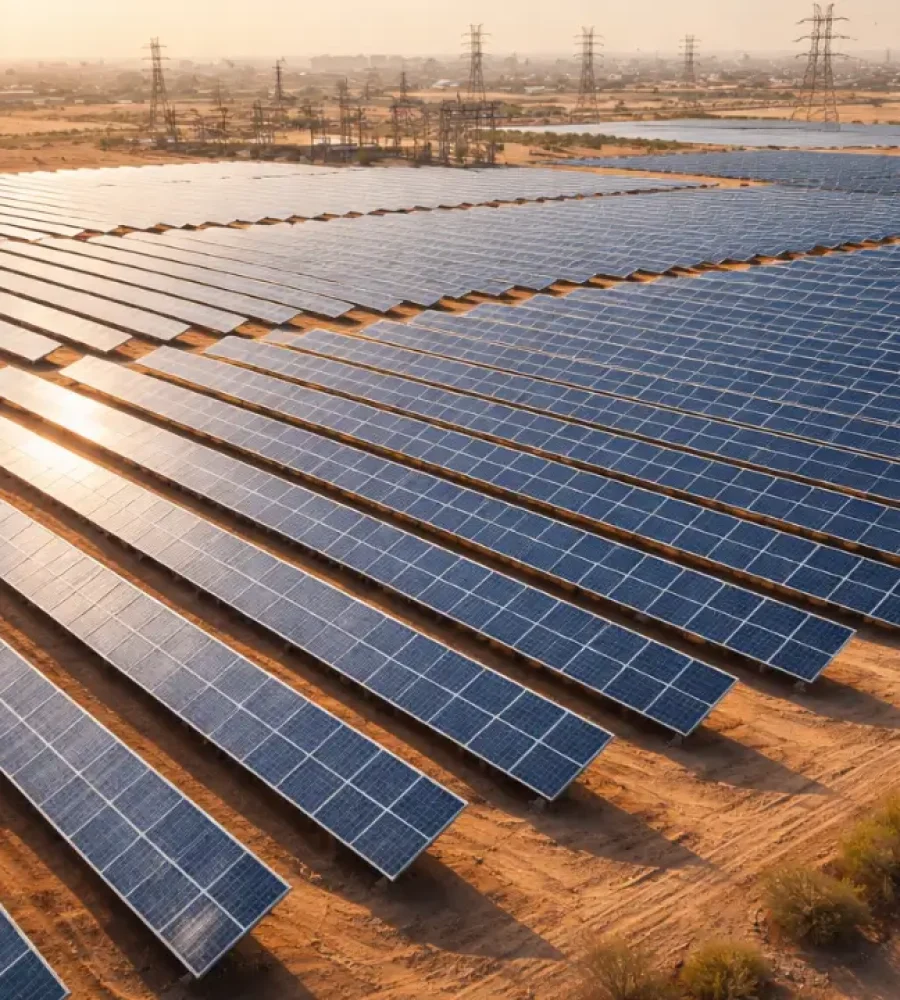
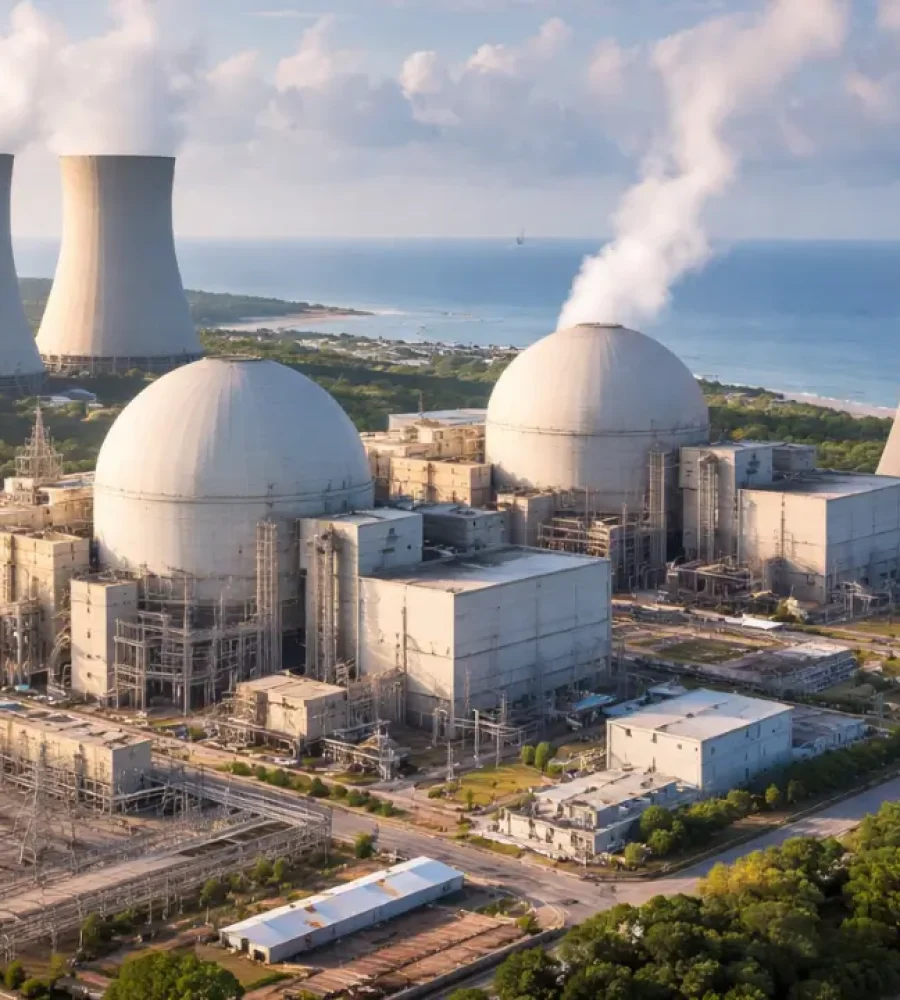
Power availability has moved from background assumption to headline constraint. Grid operators balance electrification, renewables integration, and industrial demand while data centers add concentrated load. Unlike factories, compute runs continuously. Unlike cities, it scales abruptly.
NeoCloud and the End of Abstract Computing describes a cloud defined by megawatts first, servers second. Site selection now begins with grid studies. Some regions impose moratoriums on new connections. Others require on-site generation or long-term power purchase agreements. These measures change cost structures and deployment speed.
Energy no longer flows invisibly into data halls. It anchors cloud expansion to national infrastructure policy. Markets with surplus capacity attract investment. Constrained grids slow growth regardless of capital availability.
Land, Location, and the Geography of Compute
Cloud once promised location independence. NeoCloud exposes the opposite trend. Physical land determines scale, security, and cooling options. Dense urban sites struggle with zoning and heat rejection. Remote regions offer space but raise latency and workforce challenges.
Compute clusters gravitate toward energy corridors, fiber routes, and political stability. Proximity to generation reduces transmission losses and interconnection delays. This reality reshapes global cloud maps. Some countries emerge as compute exporters. Others face structural disadvantages despite digital demand.
NeoCloud and the End of Abstract Computing highlights geography as destiny again. Software architects must account for distance, resilience planners must model regional risk, and governments recognize data centers as strategic infrastructure rather than neutral buildings.
Heat: The Constraint Software Cannot Abstract
Thermodynamics resists abstraction. As chip density increases, heat removal defines performance ceilings. Air cooling struggles beyond certain thresholds. Liquid systems move from experimental to essential.
NeoCloud environments adopt direct-to-chip liquid cooling, immersion tanks, and hybrid thermal designs. These systems demand plumbing, monitoring, and maintenance expertise uncommon in earlier cloud generations. They also tie facilities more tightly to local water resources and environmental regulation.
NeoCloud and the End of Abstract Computing frames heat as a design driver, not an operational detail. Workloads now align with cooling capability. Hardware choices respond to thermal envelopes. Software optimization increasingly considers power and heat efficiency, not only compute speed.
Silicon Scarcity and Strategic Supply Chains
Cloud abstraction assumed abundant silicon. Recent disruptions challenged that assumption. Advanced GPUs concentrate production in limited facilities. Export controls, fabrication capacity, and packaging constraints shape availability.
NeoCloud reflects a world where compute capacity depends on geopolitical alignment and manufacturing resilience. Providers lock in supply through long-term contracts. Governments treat chips as national assets. Deployment schedules hinge on delivery timelines rather than code readiness.
NeoCloud and the End of Abstract Computing situates silicon alongside power and land as a first-order constraint. Software roadmaps adapt to hardware reality. Model sizes, training cycles, and inference strategies respond accordingly.
NeoCloud and the End of Abstract Computing in AI-Centric Design
Artificial intelligence accelerates this transformation. Training and inference behave differently, yet both stress infrastructure. Training clusters require dense, synchronized compute with high power draw. Inference favors distribution closer to users but still demands efficiency.
NeoCloud architectures separate these functions geographically. Training concentrates where power and cooling support extreme density. Inference spreads across regions to manage latency. This division reinforces physical dependency.
NeoCloud and the End of Abstract Computing shows AI dissolving the last illusion of universal abstraction. Each workload maps to specific infrastructure realities. Elasticity persists, but within narrower physical bounds.
Cloud as Industrial Infrastructure, Not Software Utility
The NeoCloud era reframes cloud providers as infrastructure operators. They negotiate with utilities, regulators, and equipment suppliers. Construction timelines resemble energy projects more than software rollouts. Capital expenditure rivals heavy industry.
This shift alters competitive dynamics. Scale depends on infrastructure access, not only developer ecosystems. Smaller players specialize in niche workloads or regions. Larger operators integrate vertically to secure power, land, and silicon.
NeoCloud and the End of Abstract Computing positions cloud alongside ports, grids, and pipelines. Reliability metrics extend beyond uptime to include energy resilience and thermal stability.
Policy, Regulation, and the Public Interest
Governments respond unevenly. Some court data centers for economic growth. Others worry about grid stress and water use. Regulation evolves in real time, often reacting to visible strain.
NeoCloud forces policymakers to balance digital ambition with physical capacity. Planning authorities integrate data centers into regional energy models. Environmental reviews expand in scope. Public scrutiny increases as communities feel the impact.
NeoCloud and the End of Abstract Computing underscores governance as a shaping force. Cloud expansion now depends on permits, incentives, and social license, not only market demand.
Software Adapts to Physical Reality
Developers adjust, even if quietly. Efficiency gains matter again. Model optimization reduces power draw. Scheduling aligns workloads with energy availability. Software becomes location-aware.
This adaptation does not reverse abstraction entirely. It redefines it. Developers still write code without touching hardware. Yet underlying constraints shape performance, cost, and availability more directly than before.
NeoCloud and the End of Abstract Computing captures this reconciliation. Abstraction survives, but only by acknowledging the infrastructure beneath it.
The Future After Abstraction
The cloud does not disappear. Its myth of weightlessness does. NeoCloud marks maturity, not failure. Computing enters an era where physics, policy, and software coexist visibly.
Investors, engineers, and governments now plan with material limits in mind. Power, land, heat, and silicon anchor digital ambition to physical reality. The cloud becomes understandable again, not as magic, but as engineered infrastructure.
NeoCloud and the End of Abstract Computing names this clarity. It signals the end of pretending that computing floats above the world it depends on.
Infrastructure Visibility Becomes Competitive Signal
As abstraction thins, visibility itself gains value. Enterprises now ask where workloads run, how power is sourced, and what failure domains exist beneath orchestration layers. NeoCloud operators respond by exposing infrastructure characteristics once hidden behind service-level language. Transparency around energy sourcing, cooling design, and regional constraints becomes part of procurement, not marketing.
This visibility reshapes accountability. Performance discussions include grid reliability. Sustainability claims intersect with actual power contracts. Capacity planning conversations reference transformer lead times and substation upgrades. NeoCloud and the End of Abstract Computing reflects a market where customers understand that software guarantees cannot override physical limits.
The result alters trust dynamics. Providers that articulate constraints clearly gain credibility. Those that maintain legacy abstraction narratives face skepticism. The cloud evolves into a negotiated system rather than a presumed utility.
A Grounded Digital Era
Compute no longer escapes the world that sustains it. NeoCloud signals a grounded digital era where infrastructure facts sit beside code elegance. Power availability, thermal management, land access, and silicon supply no longer hide in footnotes. They define outcomes.
NeoCloud and the End of Abstract Computing does not describe decline. It documents alignment. Digital systems now reflect the realities they depend on, openly and structurally, ending abstraction’s dominance without ending the cloud itself.