
Europe may have lagged behind the United States and China in AI infrastructure, but the northern edge of the continent is changing that. Nordic countries are turning their natural resources, cold climate, and policy foresight into a magnet for AI data centers. Once overlooked for its remote locations and sparse population, the Nordics now attract the world’s largest AI companies.
This shift is evident in Narvik, a remote Norwegian town of just 21,000 residents. In July, OpenAI announced plans to build its first European data center there, bypassing traditional hubs such as Frankfurt, London, Amsterdam, Paris, and Dublin. For a small Arctic town, the news might seem improbable. Yet the decision reflects a broader trend: Europe’s AI infrastructure is moving north, where climate, power, and policy align to meet the massive energy demands of AI workloads.
AI’s Energy Challenge and the Nordic Advantage
AI models, especially those used for generative tasks, consume enormous amounts of electricity. Training a single large model can use as much power as hundreds of U.S. households in a year. Traditional European tech hubs are already straining under these demands, with some cities facing waits of over a decade just to secure grid connections. Dublin and Amsterdam, for instance, have paused new data center projects over power concerns.
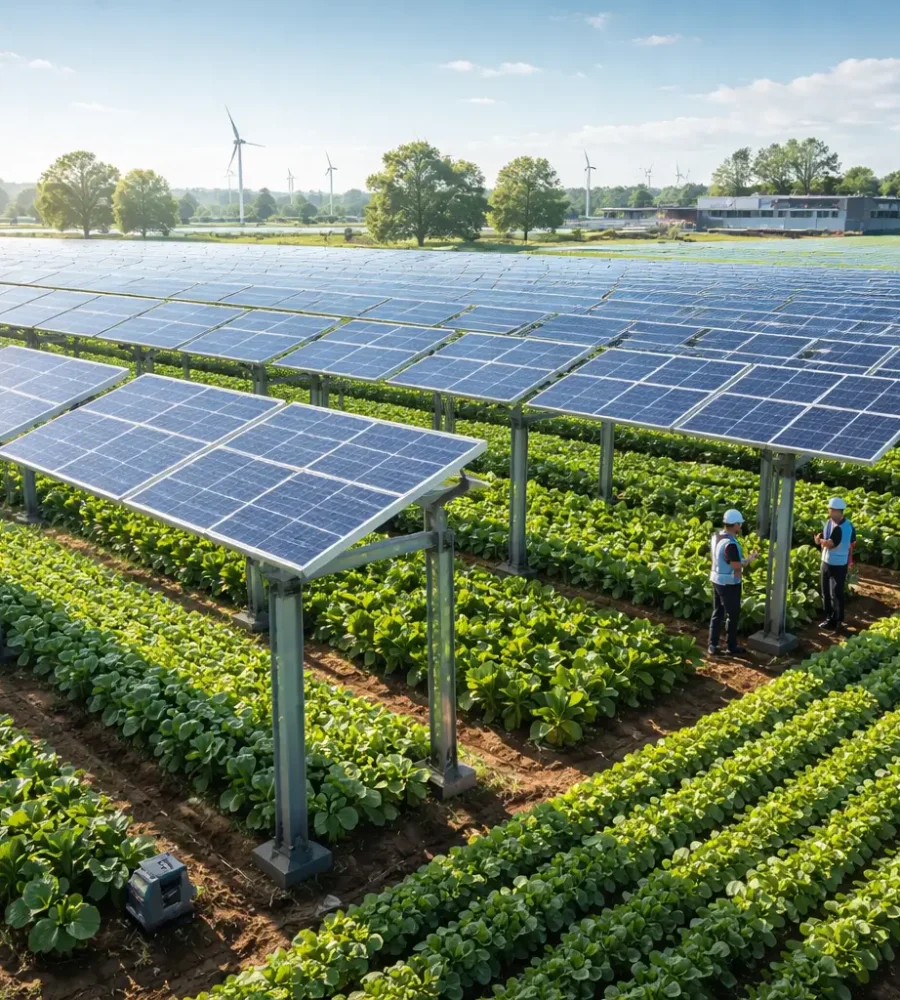
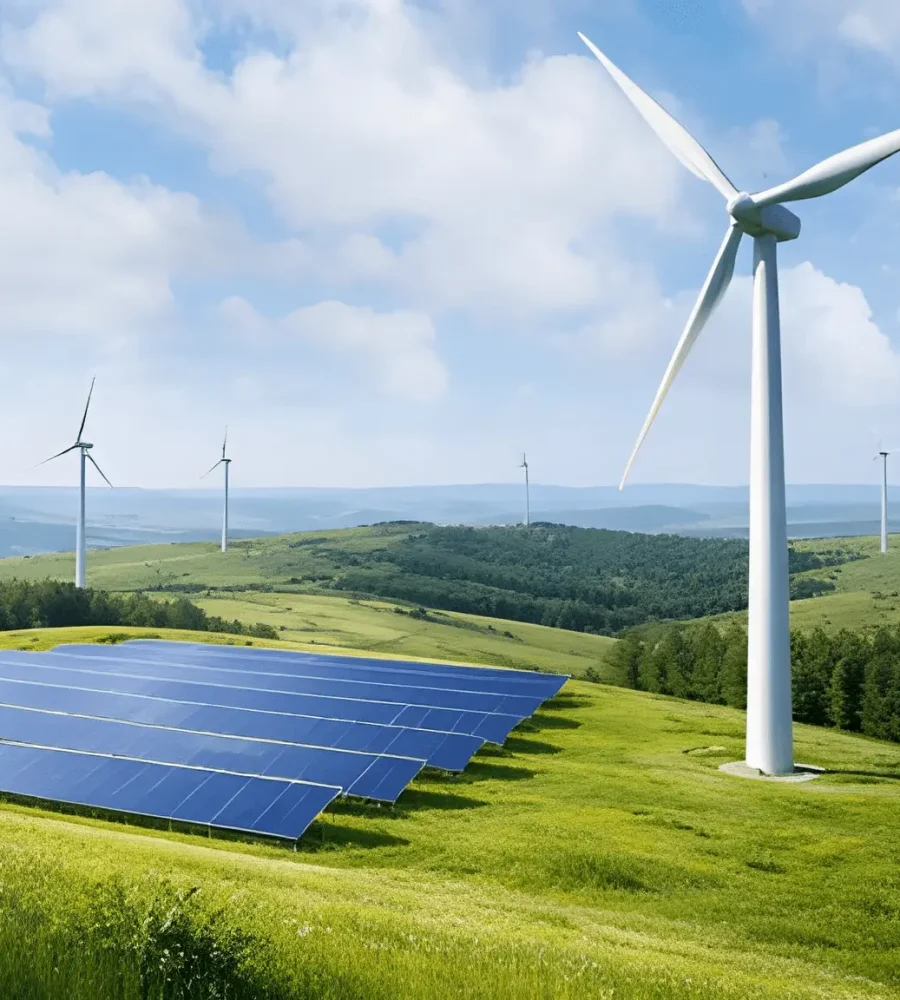
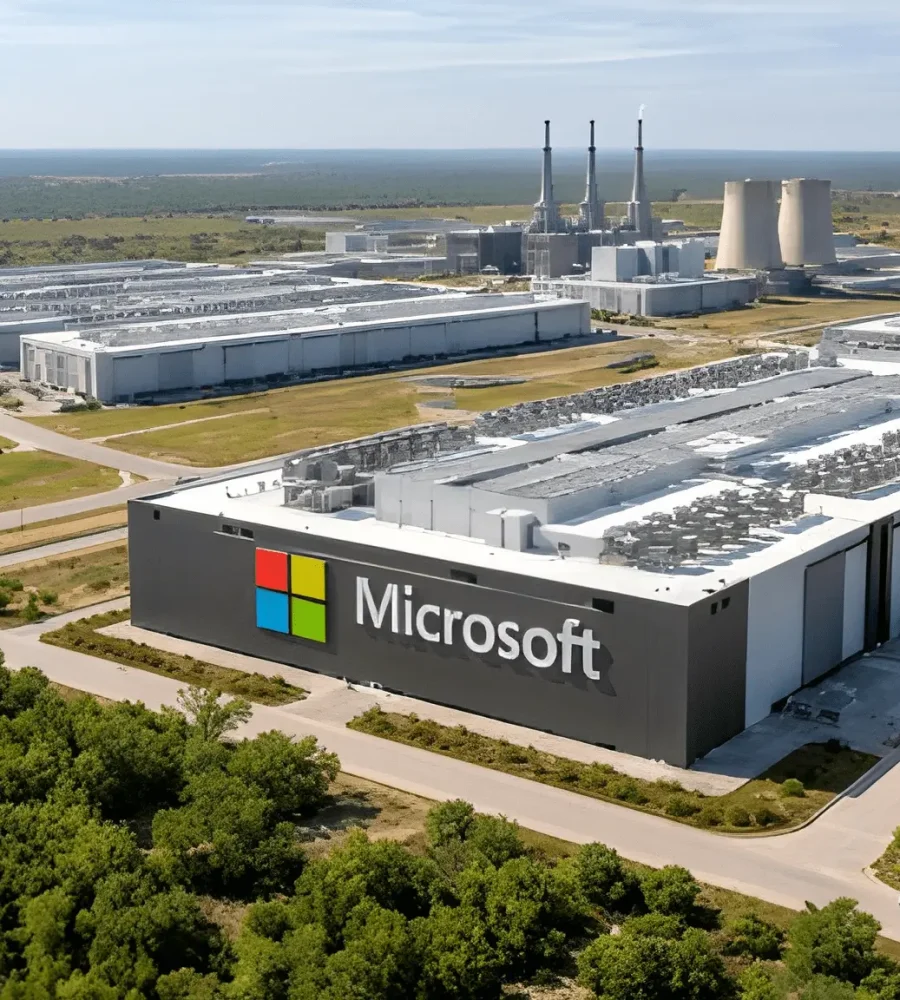
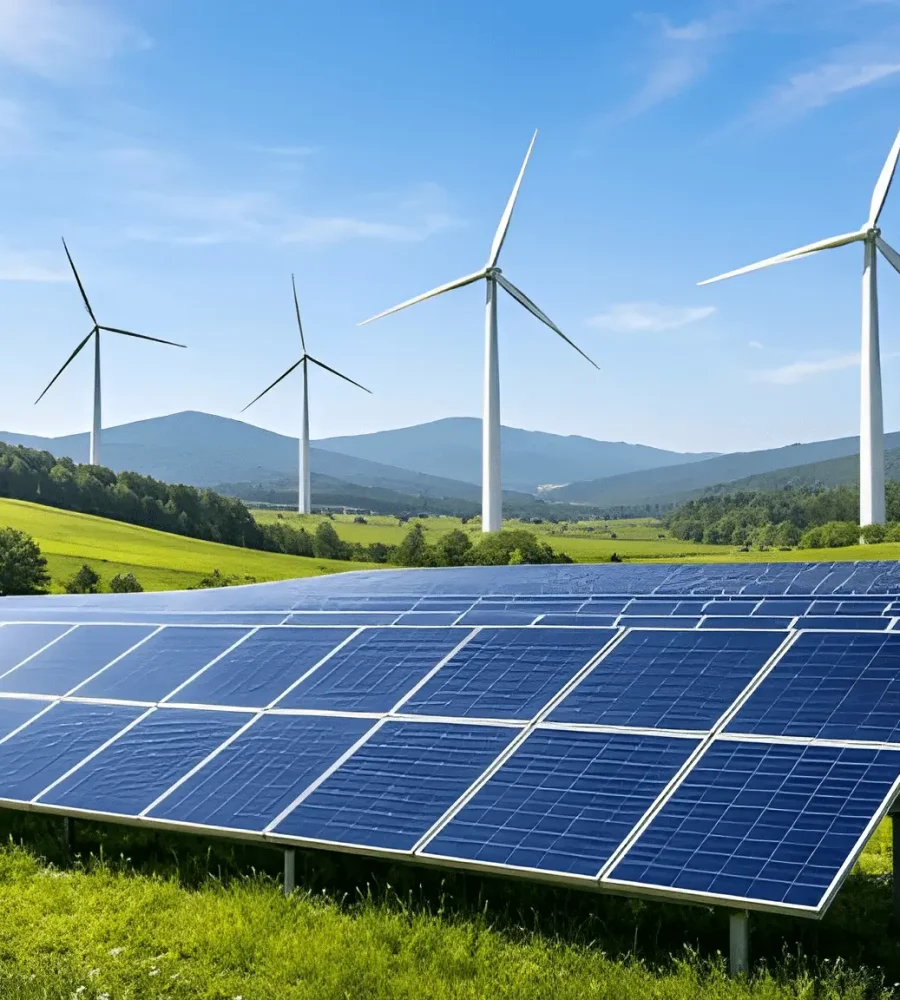
The Nordics offer a solution. Hydropower, wind, nuclear, and other low-carbon sources supply nearly 98% of their energy, providing a renewable backbone rare in Europe. Microsoft has pledged $3.2 billion to expand AI and cloud infrastructure in Sweden, citing the region’s ability to meet soaring electricity needs. Google invested €1 billion in Finland, and Nvidia competitor Groq recently opened its first European AI data center there.
“The Nordics are still in the early innings,” says Carl Sjölund, partner at EQT in Stockholm. What once seemed remote now represents reliability, sustainability, and capacity. AI companies prioritize grid availability over cost or urban proximity. With Europe’s energy demand projected to rise 30% in the next decade, largely driven by AI, the Nordics are positioned to capture a significant share of new investment.
Redrawing Europe’s AI Map
European AI and cloud infrastructure has historically clustered in major cities. Frankfurt, London, and Paris dominated because of capital markets, strong digital networks, and proximity to clients. Latency was a major concern. Yet AI training workloads are less sensitive to latency than user-facing applications, allowing data centers to thrive in remote, low-cost, low-congestion regions.
Denmark, Norway, and Sweden anticipated this shift years before AI became mainstream. Denmark’s Energinet, for example, began preparing for a data center boom in 2017. Swedish and Norwegian grids were deliberately expanded to handle high-capacity facilities. In contrast, western hubs now face congestion and power shortages, giving the Nordics a strategic advantage.
Connectivity: The Hidden Driver
Power alone is not enough. AI data centers rely on high-speed fiber networks to connect clusters, cloud services, and end users. EQT-backed GlobalConnect operates a 244,000-km fiber network across the Nordics, carrying roughly half of the region’s internet traffic. Annual investments of €500–600 million ensure the network can support sprawling AI campuses.
A notable example: last year, GlobalConnect completed a 2,600-km digital corridor between northern Sweden and Berlin. The project involved trenching submarine cables, extensive archaeological surveys, and removing more than 200 World War II-era bombs from the Baltic Sea. The scale underscores the capital intensity of AI infrastructure, with global investment in data centers expected to reach nearly $2.9 trillion by 2028, each facility costing at least $5 billion.
Why the Nordics Stand Out
Several factors make the Nordics particularly suited for AI data centers:
- Abundant renewable energy: Hydropower dominates Norway, while Sweden, Finland, and Denmark combine hydro, nuclear, and wind. Power is cheap, clean, and reliable.
- Cool climate: Arctic and sub-Arctic temperatures naturally cool servers, reducing energy costs for massive GPU clusters.
- Supportive policies: Fast-track permits, tax incentives, and stable regulations lower barriers for large-scale facilities.
- Data sovereignty: GDPR-compliant operations ensure sensitive workloads remain under European law.
Projects such as Sweden’s EcoDataCenter and Finland’s Compute Nordic, a 212 MW AI training campus, highlight these benefits. Norway’s CoreWeave and Bulk Infrastructure collaboration will create one of Europe’s largest AI centers in Vennesla. OpenAI-backed “Stargate Norway” aims to host over 100,000 Nvidia GPUs, fully powered by renewable energy.
Sustainability and Resilience
Nordic centers prioritize sustainable operations. Server heat is often redirected into local district heating systems, turning byproducts into community utility. This circular model contrasts with social and environmental issues faced by other European data centers.
The Nordics alone cannot meet all of Europe’s AI energy needs. Cities like Madrid, Milan, and Warsaw are attracting investment, and long-term solutions may include reviving nuclear plants or building on-site solar and other energy sources. Still, for companies seeking to avoid grid strain, environmental conflict, and rising electricity costs, the Nordics remain highly attractive.
Strategic Implications for Europe
The Nordic surge represents a strategic shift for Europe’s AI future. Anchoring critical AI infrastructure in low-carbon, low-congestion areas strengthens Europe’s digital sovereignty, reduces reliance on U.S. and Chinese cloud services, and positions the continent as a credible AI hub.
The region is also drawing global talent and private capital. Microsoft, Google, Groq, and OpenAI are establishing campuses that create jobs, research opportunities, and innovation clusters, strengthening local economies while feeding Europe’s AI ecosystem.
The boom carries risks.
Regulatory changes, energy taxation adjustments, or unexpected grid constraints could slow growth. Coordinating Nordic strengths with broader European connectivity is essential to prevent fragmented infrastructure. Balancing expansion with sustainability will remain a priority.
Conclusion
Europe’s AI data center landscape is moving north. Fjords and Arctic towns are becoming strategic hubs for AI computation, powered by renewable energy, high-speed connectivity, and forward-looking policies. From Narvik to Vennesla, the Nordics demonstrate how geography, climate, and planning can transform energy constraints into competitive advantage.
In the age of AI, infrastructure is power. The Nordics are staking their claim as Europe’s power base in the global AI race.